Home to a population of just over 400 residents, this remote volcanic outpost in the Atlantic Ocean is setting a powerful and inspiring example for the wider region. Last week, the municipality plunged its streets into darkness once again, aligning with a crucial period when young seabirds, known as fledglings, prepare to leave their nests and embark on their very first journeys out to sea.
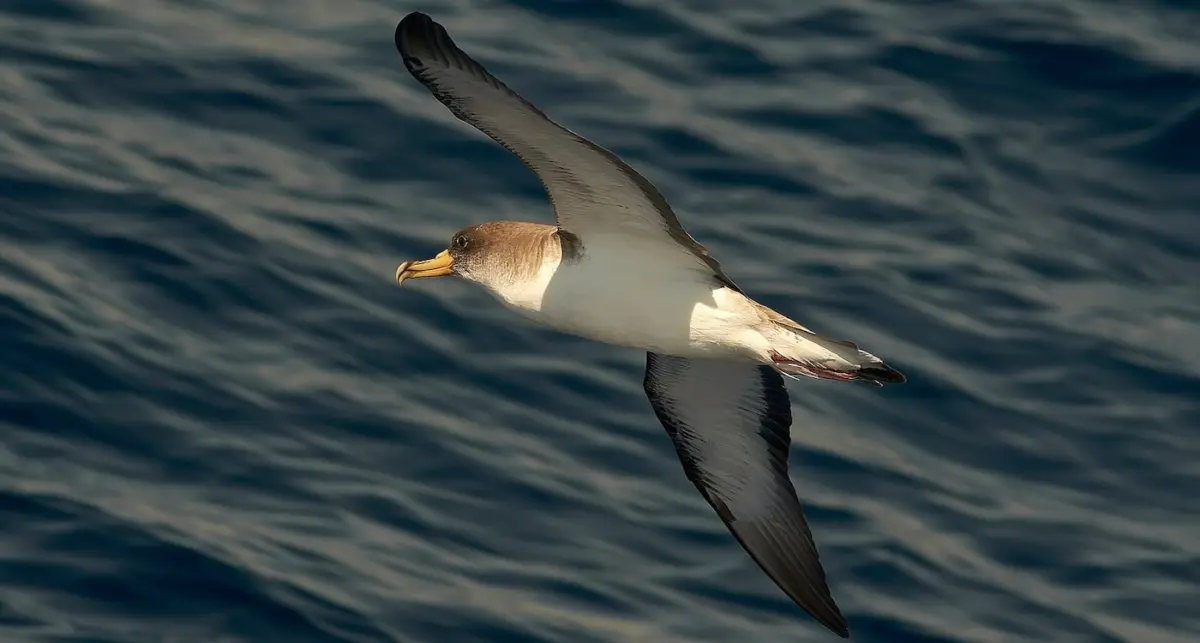
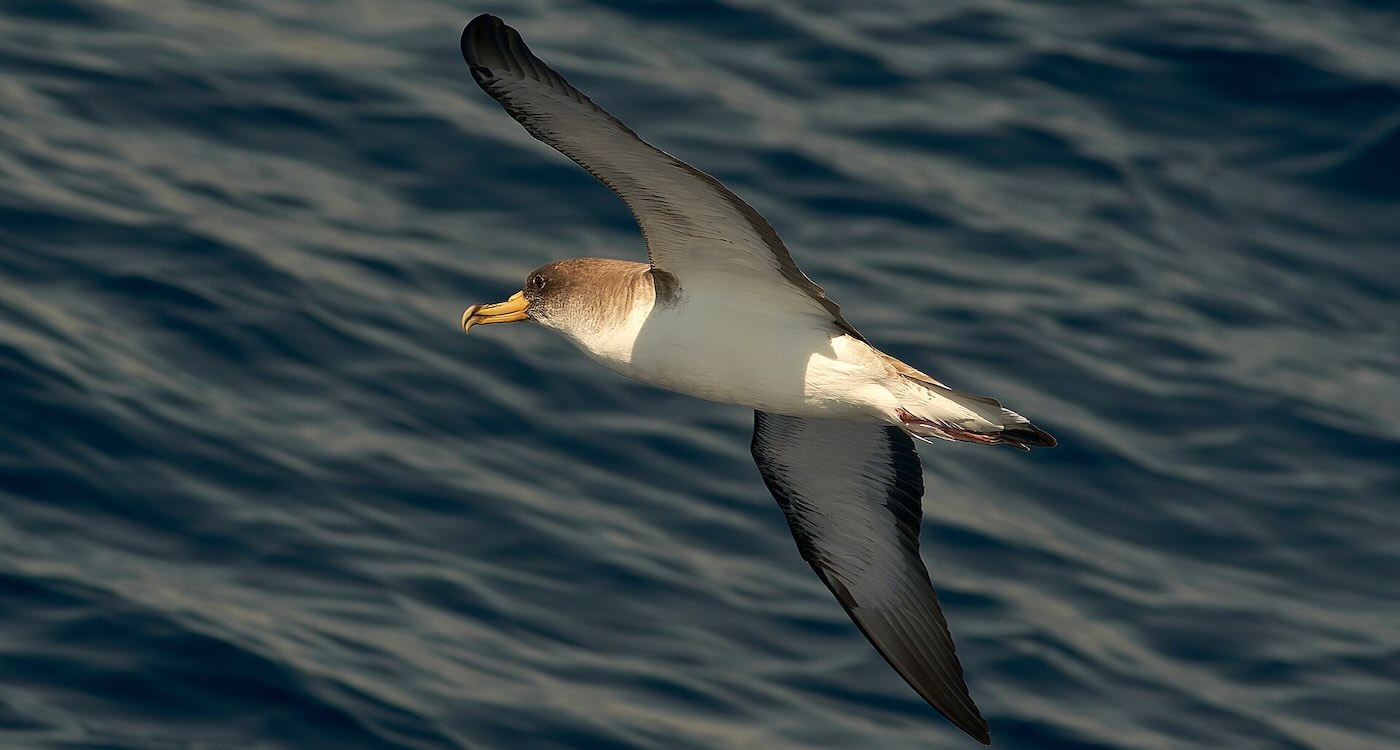
The primary beneficiary of this striking conservation initiative is the Cory’s shearwater, a robust yet vulnerable seabird that relies heavily on the remote islands of Macaronesia for its survival. During late autumn, juvenile Cory’s shearwaters make their inaugural flights from their subterranean and cliffside nests to the open ocean. To evade avian predators such as gulls and predatory skuas, these young birds naturally choose to make their nocturnal departures under the cover of darkness.
However, the rapid expansion of human infrastructure and artificial lighting has introduced a deadly hazard to this ancient migratory ritual. Bright artificial lights from towns, cities, coastal roads, and harbors severely disorient the young shearwaters. Attracted and blinded by the glare, the fledglings frequently crash into buildings, vehicles, and asphalt roads, leaving them stranded and completely unable to take off again. Once grounded, these birds are practically helpless, facing starvation, dehydration, or fatal collisions with cars unless they are rescued and returned to the sea.
This phenomenon is a widespread issue across Macaronesia, affecting islands not only in the Azores but also in Madeira and the Canary Islands. Yet, the Azores archipelago holds a profoundly significant role in the global conservation of the species. The region serves as an absolutely critical habitat, hosting roughly 65% to 75% of the entire world’s breeding population of Cory’s shearwaters. Because the archipelago is such an indispensable stronghold for these birds, local actions carry global ecological consequences.
Recognizing the gravity of this ecological challenge, the Portuguese Society for the Study of Birds, known by its Portuguese acronym SPEA, has forged a vital partnership with the local governing body, the Câmara Municipal do Corvo. Since 2019, this collaboration has formalized the annual week-long autumn blackouts, transforming what began as localized rescue efforts into an organized, community-wide policy of light pollution mitigation.
The operational success of these blackouts relies heavily on the dedication of local residents and dozens of volunteers who patrol the darkened streets each year. Armed with flashlights and cardboard boxes, these volunteers systematically search for disoriented or grounded fledglings. Placing the birds safely inside temporary cardboard enclosures helps calm them down before they are successfully rehabilitated and launched back into the ocean, allowing them to continue their life cycle.
The initiative has enjoyed profound backing from the local community, reflecting a deep cultural respect for the natural environment that defines island life. Local authorities and inhabitants have increasingly recognized the severe ecological impact of light pollution on native wildlife, as well as the long-term benefits of implementing sound energy efficiency policies to safeguard these unique species. According to municipal records and campaign organizers, the municipality has actively turned off public lighting during the most critical periods of the SOS Cory’s Shearwater campaign since 2017.
This grassroots and municipal commitment was further validated by a comprehensive survey conducted by SPEA among the residents of Corvo. Out of 207 inhabitants surveyed, the autumn blackout initiative garnered unanimous support, demonstrating that the community views the protection of their avian neighbors as an essential civic duty and a point of regional pride.
Corvo’s pioneering blackouts do not happen in a vacuum; they form an integral part of broader regional and international environmental frameworks. Specifically, the initiative is a key component of two major collaborative projects: Interreg LuMinAves, which is dedicated to mitigating the detrimental impacts of light pollution on seabirds across the Atlantic islands, and Interreg EElabs, which focuses on promoting the sustainable use of artificial lighting in fragile ecosystems.
Through these cooperative scientific and conservation networks, SPEA and its project partners hope to inspire other towns, municipalities, and island communities throughout the region to adopt similar measures. By demonstrating that temporary, strategic light reduction is both feasible and socially acceptable, Corvo provides a blueprint for balancing human energy needs with wildlife preservation.
The tangible results of these concerted rescue and mitigation campaigns are remarkable. Recent reports, including a detailed photo essay published by The Guardian, highlight that more than 30,000 Cory’s shearwater fledglings have been successfully rescued across the Azores since 2015. On Corvo alone, approximately 6,000 young birds have been saved through the combined efforts of the annual blackouts, municipal cooperation, and dedicated volunteer patrols.
While the five-night blackout on Corvo represents a pinnacle of these efforts, it is part of a broader calendar of conservation actions across the region. Other seabird rescue campaigns promoted by SPEA and BirdLife International run concurrently through early November, mobilizing volunteers and citizens to remain vigilant for seabirds that have fallen ashore in urban areas.
As part of this wider regional push to raise awareness and change lighting habits, SPEA also organized a strategic blackout on Madeira Island. This event aimed to assist more Cory’s shearwaters in reaching the safety of the ocean while simultaneously educating the local population, local businesses, and regional institutions about the dangers of unnecessary outdoor lighting. The campaign encourages stakeholders in Madeira and Porto Santo to critically evaluate their illumination practices for the benefit of juvenile seabirds navigating their first nights under human-lit skies.
With ongoing public engagement, continued scientific monitoring, and the inspiring example set by communities like Corvo, conservationists remain hopeful that the skies and shores of the Azores will remain a safe haven for Cory’s shearwaters for generations to come.