Vintage audio equipment, by contrast, was conceived as an integral component of domestic architecture and furniture design. Mid-century consoles and classic hi-fi setups were built to be seen, featuring rich wood veneers, woven fabric grilles, and understated branding that harmonized with the surrounding upholstery, case goods, and architectural details rather than clashing with them.
Now, a new market entrant aims to upend the modern paradigm of tech concealment. Knit, a newly launched sound company founded by audio industry veteran Joel Sietsema, is seeking to bridge the gap between high-performance home theater acoustics and sophisticated interior design. The brand’s debut offering, the Knit Form Soundbar, challenges the notion that consumers must choose between state-of-the-art acoustic engineering and a living space free of visual clutter.
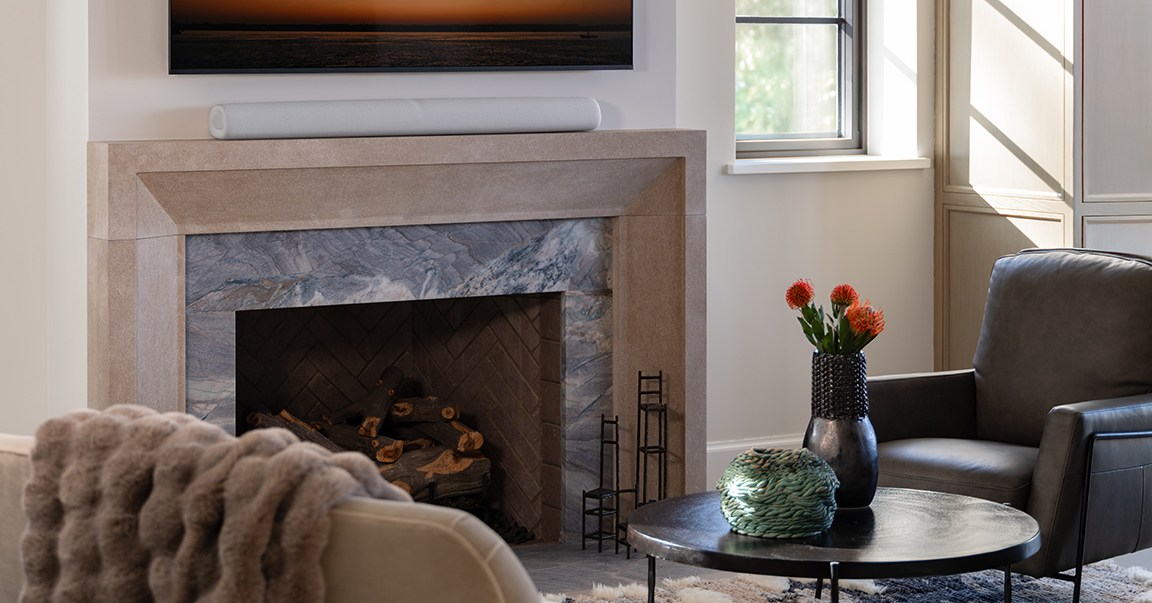
Knit Form Soundbar
“Whether you want your speaker to blend seamlessly into a room or stand out as a design element, we wanted to give people that freedom,” says Sietsema, whose career spans two decades in leadership roles within the consumer audio sector.
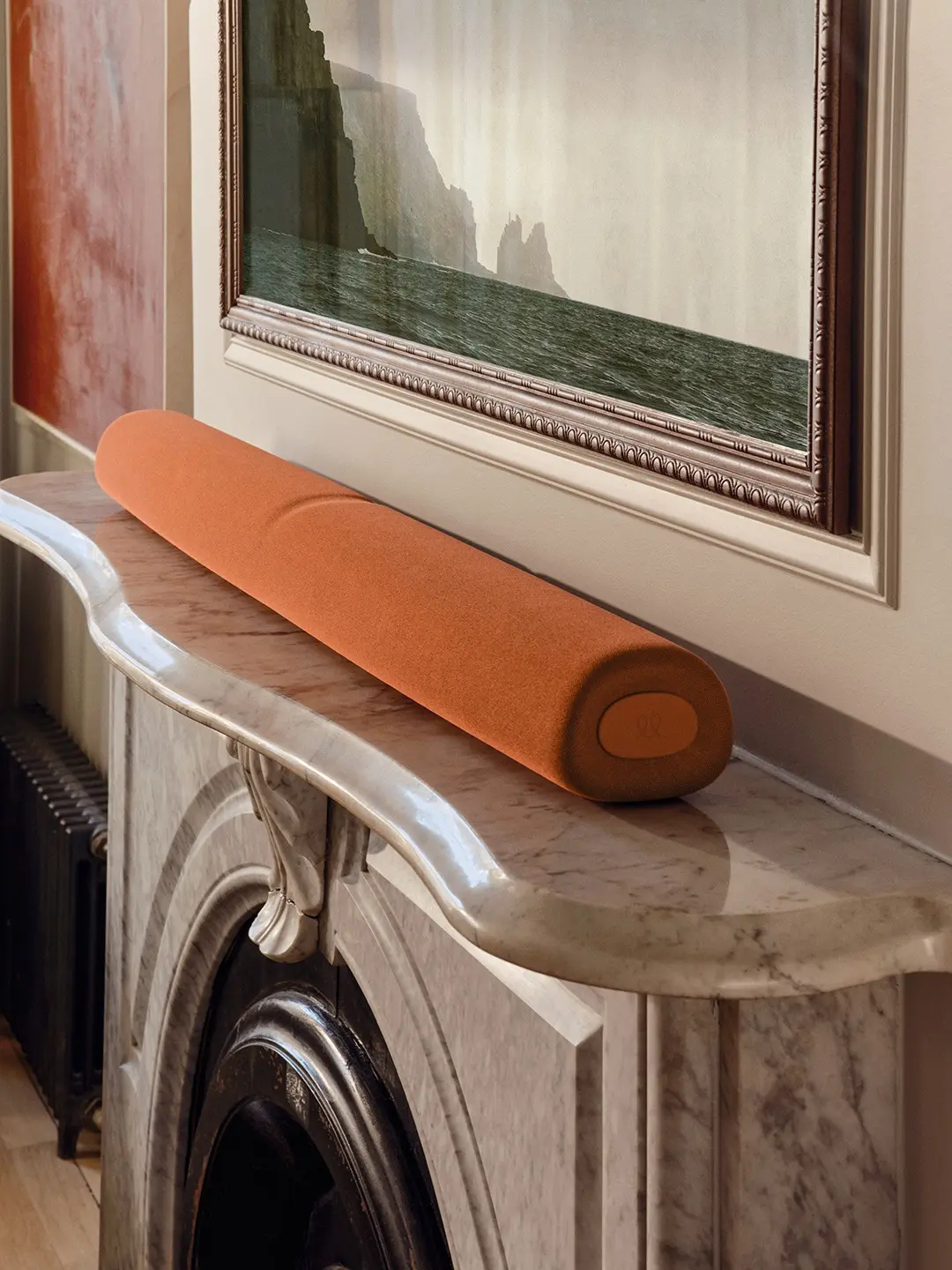
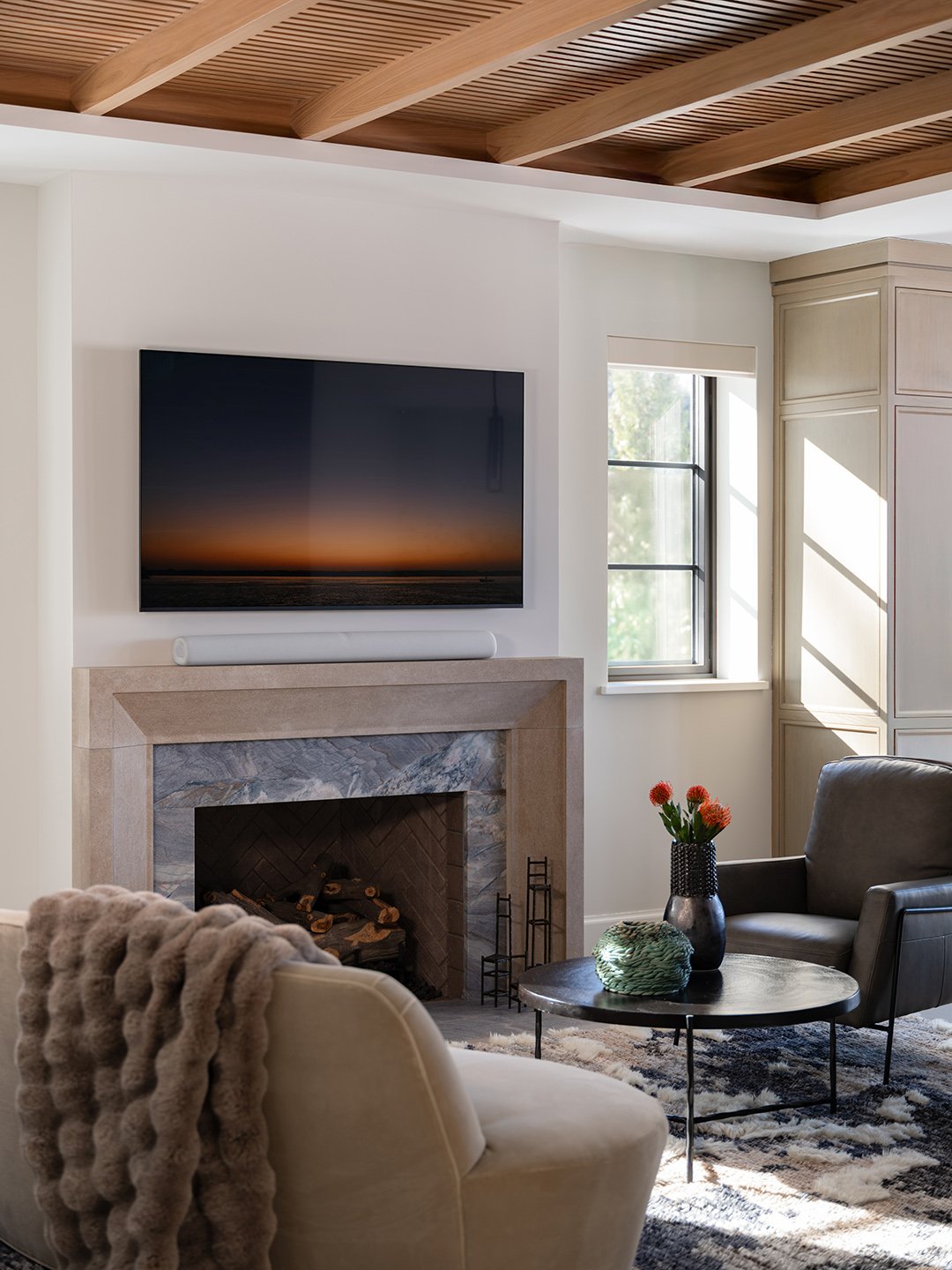
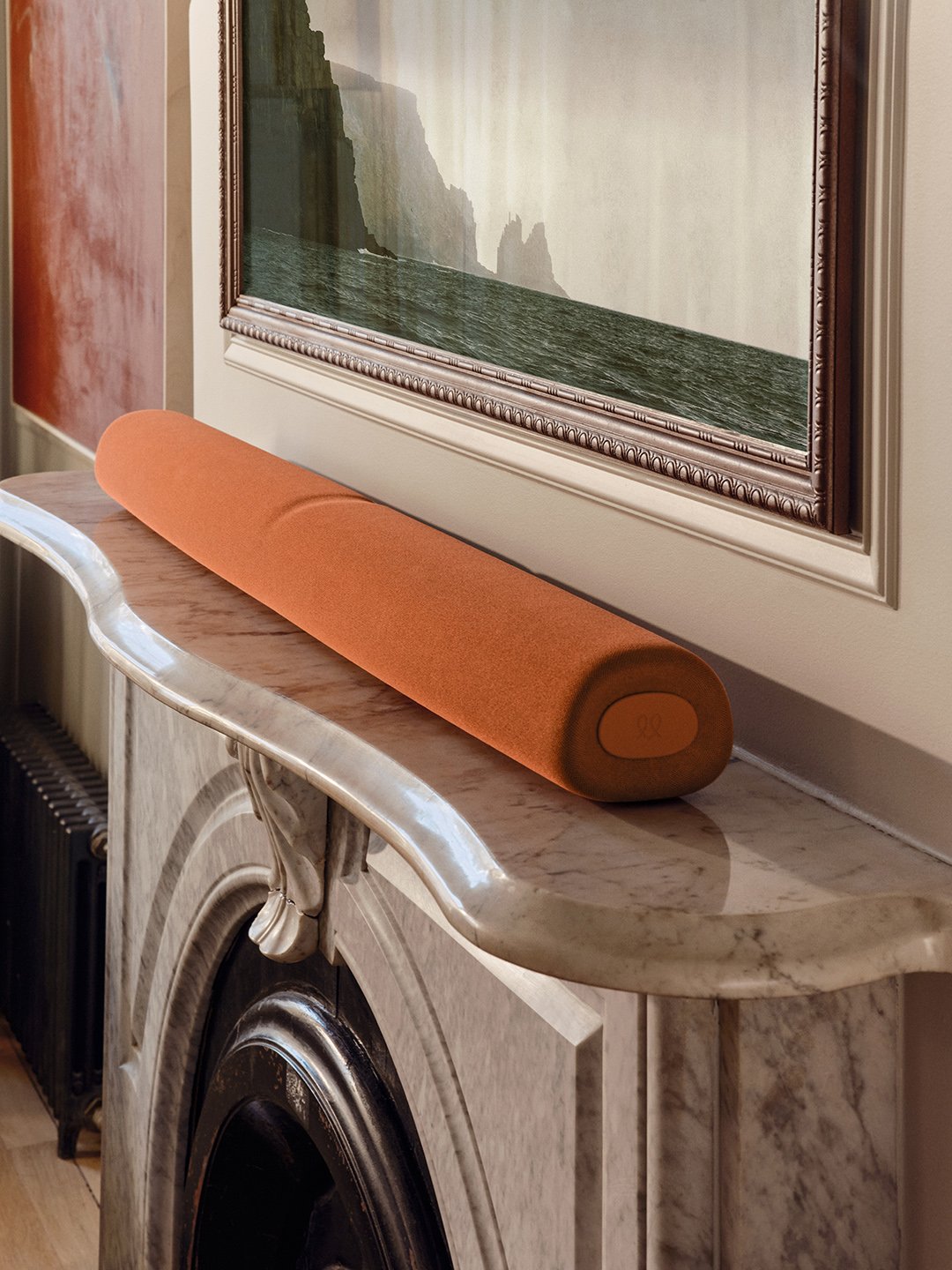
At first glance, the Knit Form Soundbar subverts expectations of what a home theater audio component should look like. Rather than presenting a rigid rectangular prism of brushed aluminum or perforated steel, the device features a sculptural, bolster-pillow-like silhouette wrapped entirely in high-performance textile. The industrial elements are kept rigorously out of sight: controls are minimal, lighting is discreet, and visible branding is strictly limited to the device’s subtle end caps.
Beneath its soft exterior, however, the Knit Form is fully loaded with the advanced features modern consumers expect from a premium soundbar. The unit incorporates spatial audio capabilities through Dolby Atmos, built-in subwoofers for deep low-end response, and modern wireless connectivity including Bluetooth. Furthermore, the company has integrated forward-thinking accessibility features designed to accommodate an aging population, such as robust voice command integration and Auracast technology, which enables direct audio streaming to compatible hearing aids.
Crafting the Acoustic Textile
Developing the exterior of the Knit Form was among the most formidable technical hurdles during the product’s development phase, according to Sietsema. While standard speaker grilles are typically engineered purely for acoustic transparency using stamped metal or basic synthetic meshes, the team at Knit sought a tactile, furniture-grade material that could fundamentally alter the sensory experience of interacting with home electronics.
“We knew we wanted to move away from the hard, industrial materials traditionally associated with speakers and introduce something softer and more tactile,” Sietsema explains. “But the fabric couldn’t just look beautiful; it also needed to perform acoustically, it had to hold deep, rich color, and it had to be durable.”
To achieve this balance of acoustic permeability, tactile warmth, and structural longevity, Knit partnered with a fourth-generation European textile mill. The resulting performance fabric is wrapped tightly around the acoustic chamber, allowing sound waves to disperse cleanly while presenting a rich, textured surface available in five distinct colorways. These range from understated neutrals like Sandstone and Pebble to more saturated, statement-making tones such as Ember, ensuring the device can either recede into a subdued color palette or serve as a deliberate textural accent within a room.
A Designer’s Perspective on Audio Integration
The philosophy behind Knit has already found resonance within the professional interior design community. Famed designer Nate Berkus, who serves as an advisor to the new company, recognized the potential of the Knit Form to transform how designers approach media integration in residential projects long before the brand’s public launch.
“I’ve spent years finding creative ways to hide speakers or work around them, which has always seemed like a missed opportunity to me,” Berkus notes, reflecting on decades of residential design work where electronics routinely posed an aesthetic challenge. “What immediately drew me to Knit was the idea that technology could be something you actually want to look at.”
When considering where the Knit Form belongs in a finished residential interior, Berkus envisions a departure from the traditional floor-standing or corner-tucked subwoofer placements of the past. Instead, he champions a return to prominence, suggesting the soundbar be placed directly in the line of sight as part of a curated vignette.
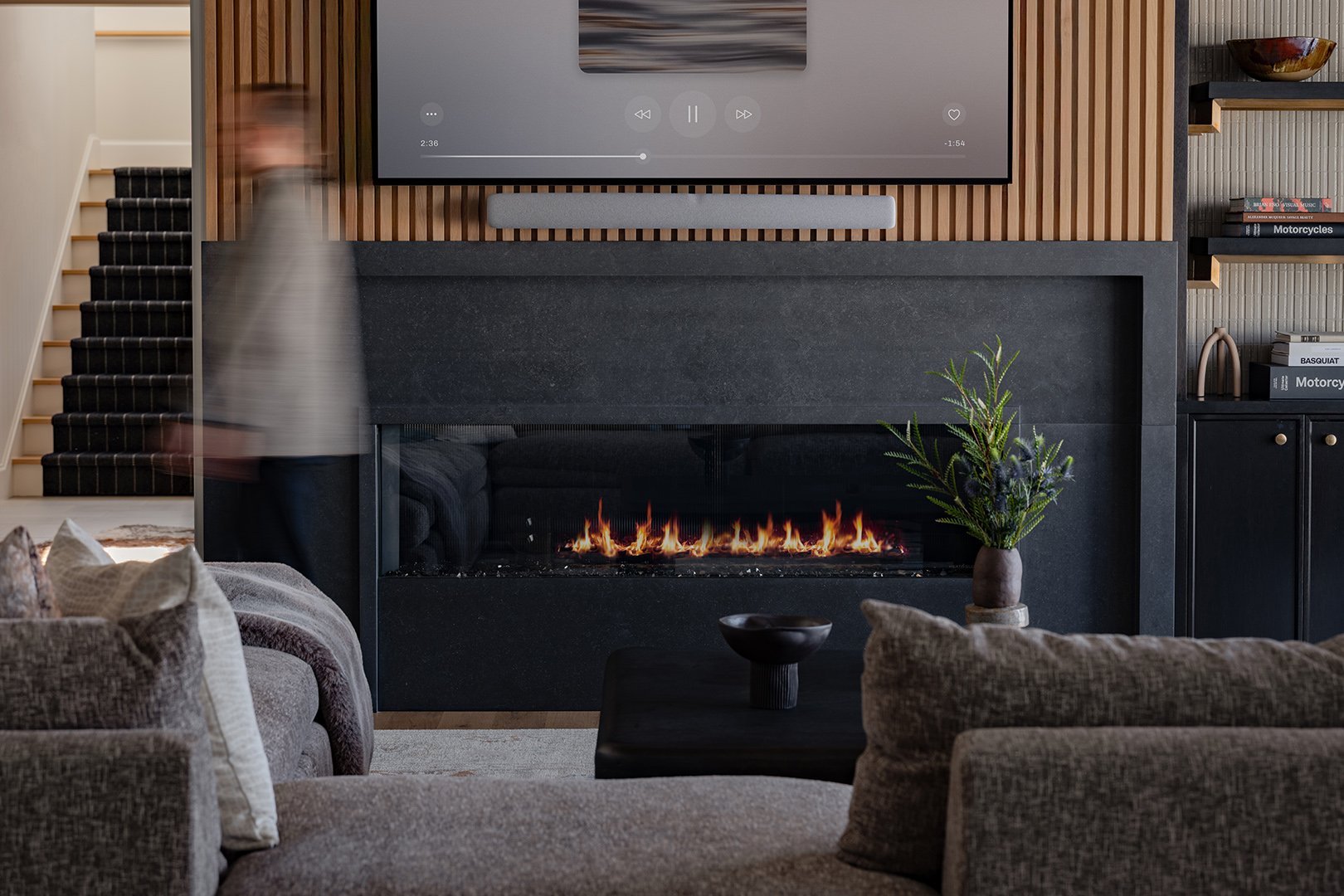
“I love the idea of it sitting on a vintage credenza under your television, surrounded by books, a favorite photograph, or objects you’ve collected over the years,” Berkus says.
By marrying high-end spatial audio technology with soft, tactile materials and furniture-grade aesthetics, Knit is positioning its debut product not as a piece of hidden hardware, but as a legitimate element of home decor—bringing the speaker out of the corner and back into the center of the living space.