The First Few Months
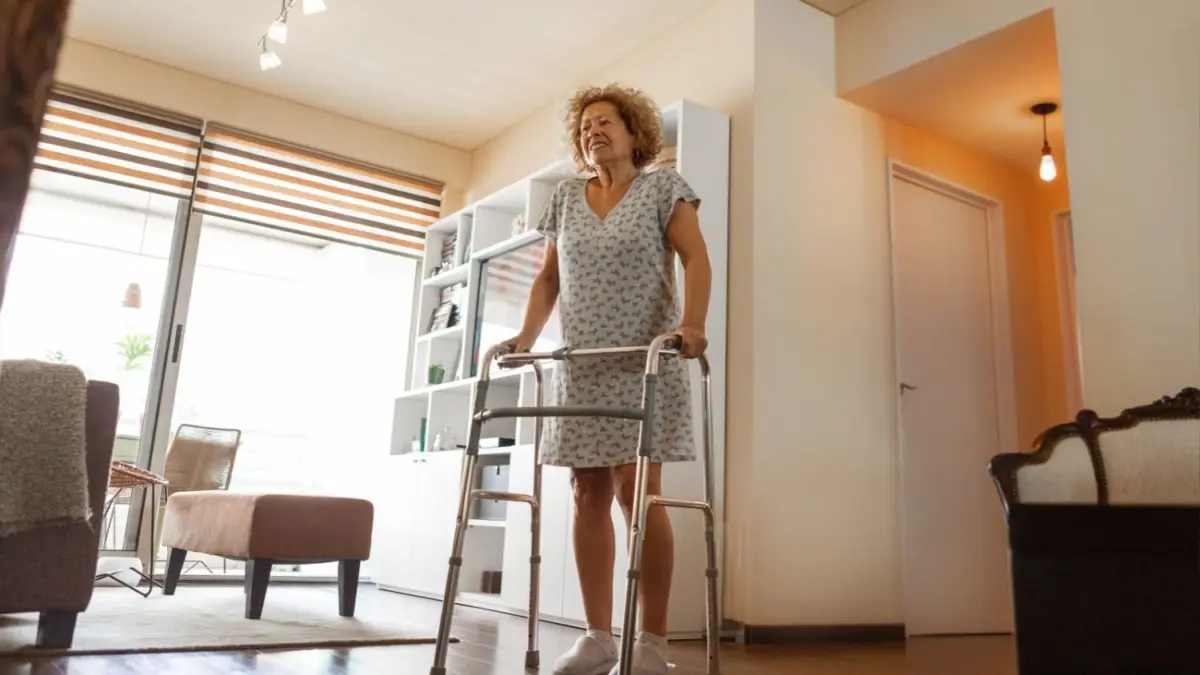
The journey toward regaining an active lifestyle begins remarkably early. Most patients find themselves standing and taking their first assisted steps on the very day of their surgery. Initially, they rely on supportive devices such as a walker or a cane to navigate hospital rooms and hallways. These walking aids play a critical role during the initial phase of recovery by guarding against unexpected falls while the patient’s strength and balance gradually return. Orthopedic surgeons and physical therapists closely monitor this progress, providing personalized guidance on precisely when a walker or cane is no longer necessary.
As the recovery progresses into the opening weeks, regular walking forms a cornerstone of the rehabilitation process. Patients are encouraged to extend their walking distance a little more each week. This consistent movement is not merely about getting from one place to another; it serves as a vital mechanism for restoring natural motion in the newly reconstructed joint while simultaneously building strength in the surrounding muscle groups.
For those who have undergone a knee replacement, a significant portion of the ability to bend and straighten the knee typically returns within the first six weeks. Because stiffness is a common companion during this window, medical professionals stress that prescribed physical therapy exercises are best performed daily throughout these initial six weeks, even when the joint feels resistant or stiff.
Other forms of exercise, such as swimming, can generally be introduced once the surgeon confirms that the surgical incision has completely healed and is safe for water immersion. Most other everyday activities and light exercises make their return around the three-month mark, provided the patient receives formal clearance from their surgical team. Navigating this timeline requires patience, as progress over the first three months is rarely linear. Patients often discover that recovery has its own rhythm, where some weeks feel remarkably fast and full of progress, while others require more rest and patience. Comprehensive insights into these critical early milestones can be found through specialized resources detailing hip replacement recovery and knee replacement recovery week by week.
What Activities Are Realistic?
Once the critical recovery window has passed, a world of physical possibility opens up for most individuals. Many people successfully return to a wide variety of low-impact activities. These pursuits typically include walking, hiking, swimming, cycling, golf, and doubles tennis. The defining characteristic of these activities is that they spare the newly implanted joint from absorbing a harsh, high-impact jolt with every single step or stroke, thereby preserving the structural integrity of the prosthesis over the long term.
Questions often arise about everyday mechanics, such as kneeling. Whether for gardening, housework, or other hobbies, kneeling is generally not thought to cause structural damage to a knee replacement. However, the physical position is frequently uncomfortable during the early months following the operation. Comfort in kneeling tends to improve gradually with regular practice. A common piece of practical advice for patients eager to return to kneeling is to begin on a soft surface, such as a thick cushion or a folded towel, to ease any pressure on the joint.
In contrast, higher-impact activities remain a subject of ongoing discussion and debate among orthopedic surgeons. Pursuits such as running, singles tennis, and pickleball subject the body to sudden stops, starts, and heavy impacts. Currently, there is no definitive medical consensus on whether engaging in high-impact activity significantly shortens the operational lifespan of a joint implant. Consequently, anyone who hopes to return to a higher-impact sport is strongly advised to have a detailed conversation with their surgeon beforehand, discussing the specific demands of the sport in the context of their overall health, bone quality, and surgical outcome.
Staying Active Over the Long Term
Sustaining the benefits of a joint replacement extends far beyond the conclusion of formal physical therapy. The targeted strengthening exercises learned during therapy sessions should ideally be continued long after those structured appointments end. The muscles surrounding a newly replaced hip or knee retain the remarkable capacity to keep gaining strength and stability for a full year or more following the surgical procedure.
To maintain this momentum, physical activity is best increased in a gradual manner. Patients are encouraged to add time or distance to their routines in small, manageable steps while paying close attention to how the joint responds the following day. Experiencing new swelling or persistent discomfort the next morning serves as a clear physiological signal to ease back for a time before attempting to increase activity levels once again.
As a general guideline, aiming for some form of physical activity on most days of the week yields the best long-term results. Even short sessions are valuable, and establishing a regular, predictable routine makes it much easier to sustain healthy habits over the years.
It is also important to recognize how the broader musculoskeletal system adapts during recovery. The opposite hip or knee, as well as the lower back, frequently bear a disproportionate amount of load both in the period leading up to surgery and throughout the rehabilitation process. Any new or unusual aches in the opposite joint or the lower back should be noted and mentioned to the surgeon or physical therapist during follow-up visits.
For those navigating these choices, exploring broader perspectives on the decision-making process can be illuminating, as outlined in discussions examining whether individuals truly "need" a joint replacement and why it is often more of a personal choice than many realize.
Let’s Have a Conversation:
Have you had a hip or knee replacement? Which activity were you most glad to return to? If you are considering a joint replacement, which activity would you most like to get back to?