
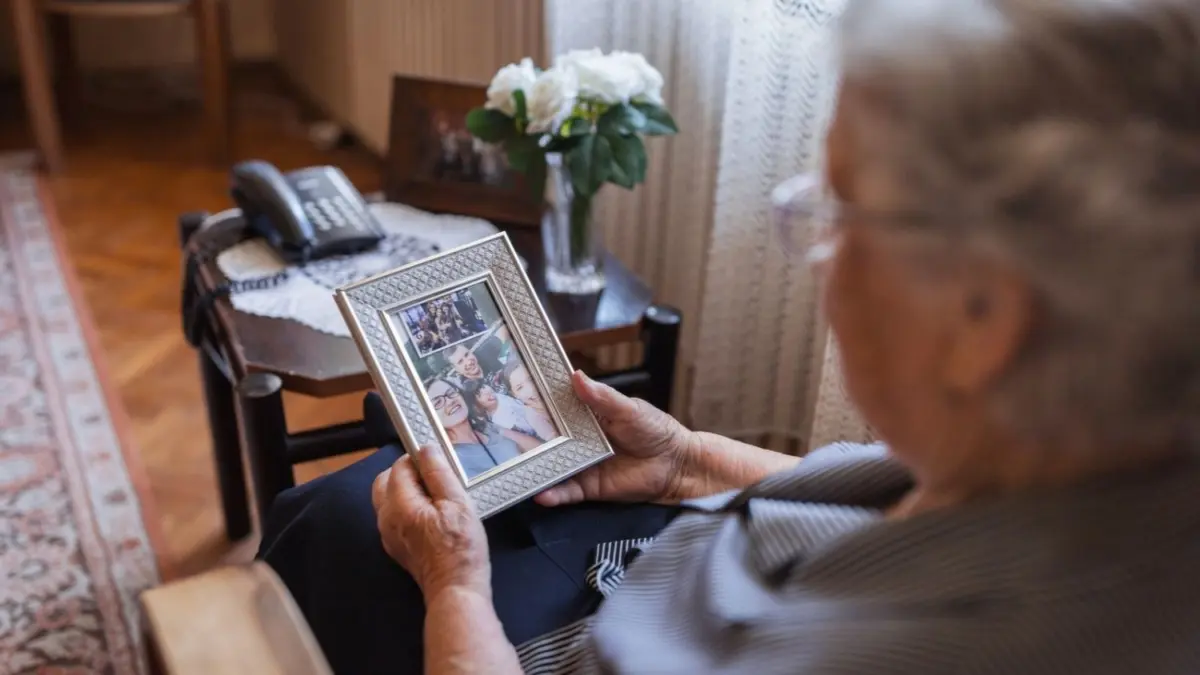
We rarely write these expectations down, yet somewhere during middle age, many people discover just how heavily they were counting on this script. Then, reality sets in, and the actual family dynamic fails to align with the ideal.
For some individuals, the discrepancy is relatively minor, manifesting as busy, loving children scattered across multiple time zones whose demanding careers and personal lives leave little room for frequent visits. For others, the gap is wide and deeply painful—marked by estrangement, struggles with addiction, marriages that distance a son or daughter, or ideological differences that render every conversation cautious and guarded.
Regardless of the scale of this divide, a quiet grief often simmers underneath. It is a sorrow directed not just at the present circumstances, but at the imagined future that failed to materialize. This particular brand of grief can be intensely confusing because nothing tangible or catastrophic has occurred. Everyone is alive, no funeral has been held, and friends may look on with well-meaning incomprehension, wondering why someone should feel sorrow when their children are ostensibly doing fine. Yet, the loss is entirely real: it is the mourning of an expected future and the life one anticipated growing old inside.
When the Picture and the Real Thing Don’t Line Up
During a person’s forties, the imagined future often retains a sense of distant potential. There still feels like ample time for careers to settle, relationships to mend, and geographic divides to close. However, crossing the threshold of sixty shifts how individuals perceive the calendar. Milestones are marked with a heightened awareness of passing time. People begin counting remaining holidays, noticing the rapid growth of their grandchildren, and quietly questioning whether the anticipated visits will happen while they still possess the health and vigor to fully enjoy them.
The transition into retirement can also sharpen this awareness. With a sudden abundance of free time, the physical and emotional space left by the absence of a bustling family life is much harder to fill with daily busyness and professional distractions. The silence in the home can amplify the distance between the life that was lived and the family life that was scripted decades prior.
Navigating this transition frequently begins with acknowledging the loss itself rather than dismissing it. When individuals take the time to articulate the specific elements of the picture they held—whether it is a grandchild learning to bake in the kitchen, an adult daughter calling simply to chat, or a son sitting nearby—they often uncover a deep reservoir of unexpressed longing. These specific hopes and desires are not foolish or demanding; they are natural expressions of familial love that deserve to be recognized and understood rather than brushed aside.
Letting Go with Love, Not Bitterness
Once these expectations are brought to the surface, individuals face a pivotal choice. They can continue the exhausting cycle of measuring their everyday reality against an idealized standard, a practice that frequently breeds resentment toward their children and self-blame. Alternatively, they can begin the gentle, deliberate process of releasing that mental script.
Releasing the imagined family dynamic does not mean letting go of the children themselves. Rather, it means relinquishing the rigid expectations written for them, allowing parents to finally meet and appreciate the actual adults their children have become. This process often involves recognizing that grief and acceptance can coexist, and that an altered family structure does not signify the end of meaningful connection.
As the grip of the imagined picture loosens, space often opens for new forms of engagement. Many older adults find that they can cultivate deep, fulfilling relationships by accepting the dynamic they currently have—such as transforming a once-a-month phone call into an unhurried, warm conversation, rather than letting it be overshadowed by the calls that never came.
Distance, too, no longer entirely precludes closeness. Families separated by miles find innovative ways to maintain bonds, through shared online activities, regular correspondence, or video calls that bridge the geographical divide. Beyond the immediate family, many individuals over the age of sixty discover profound connection by widening their social circles, building chosen families composed of neighbors, church communities, younger individuals seeking mentorship, and peers who share similar life experiences.
At the same time, building a vibrant life independent of family expectations—through continued education, travel, creative projects, or community volunteering—serves not as a mere distraction from grief, but as an affirmation that an individual’s life retains its own inherent meaning and value.
Ultimately, the family imagined in earlier decades is often a beautiful picture painted with the best of intentions. Recognizing the pain of its absence is a natural part of aging, but laying down that specific blueprint can free a person’s hands to embrace the reality that is right in front of them, along with whatever unexpected joys the future may still hold.