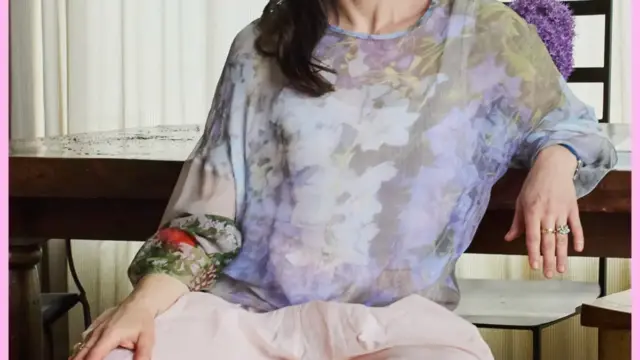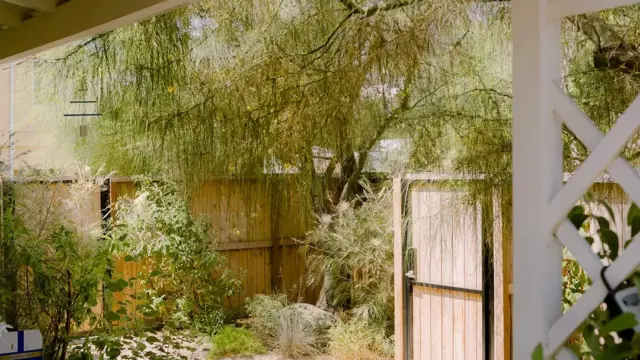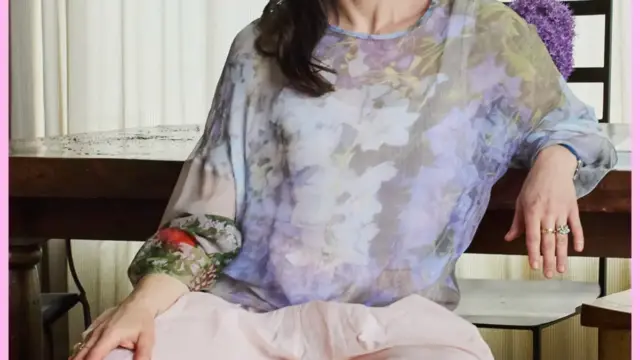
The designer’s recent work is heavily influenced by the sights and experiences of growing up in the Midwest—from flying kites in open fields and building forts in the woods to walking home from elementary school through rolling dunes. These cherished childhood recollections have been translated into cheeky yet sophisticated nods within her latest furniture and home decor offerings.
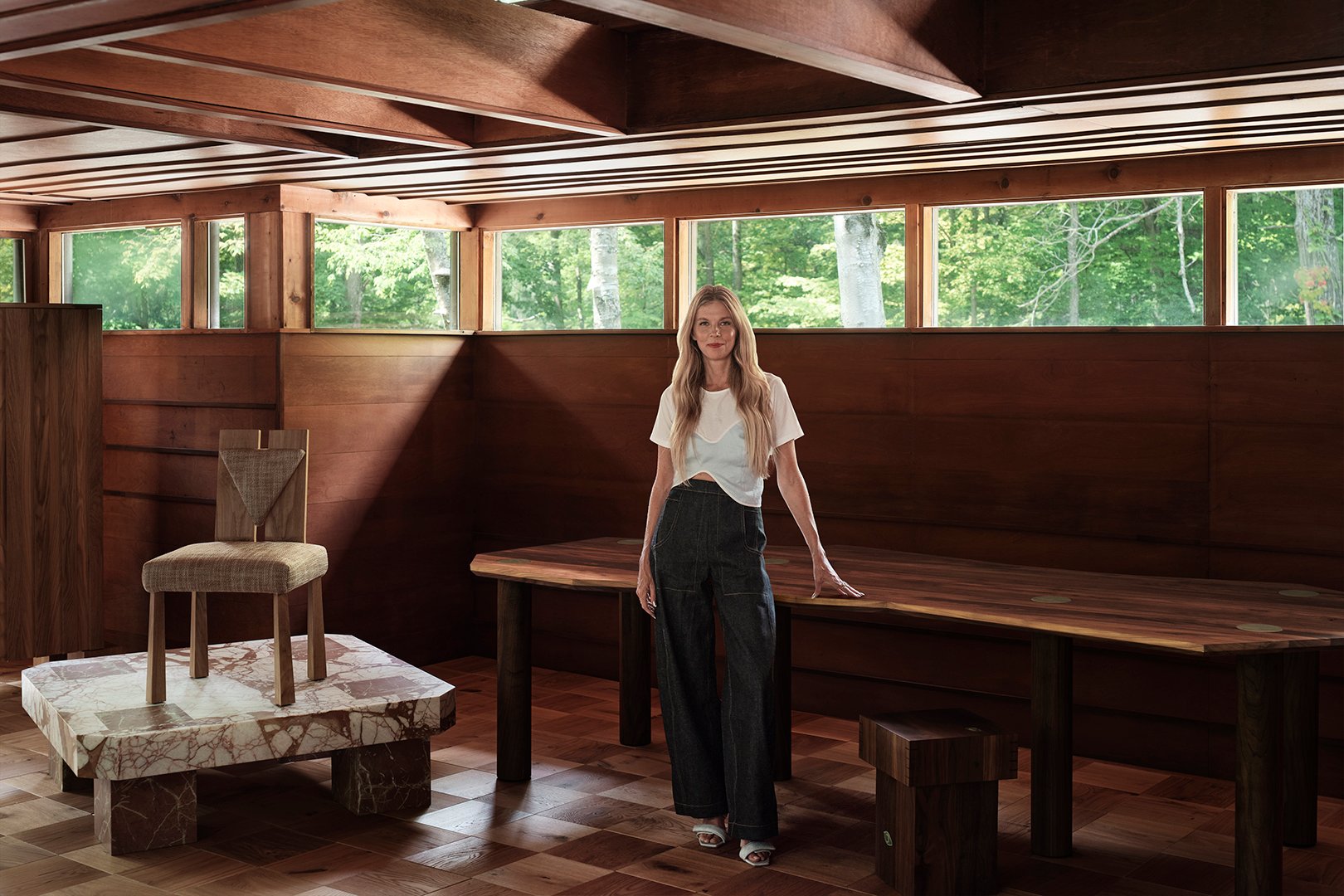
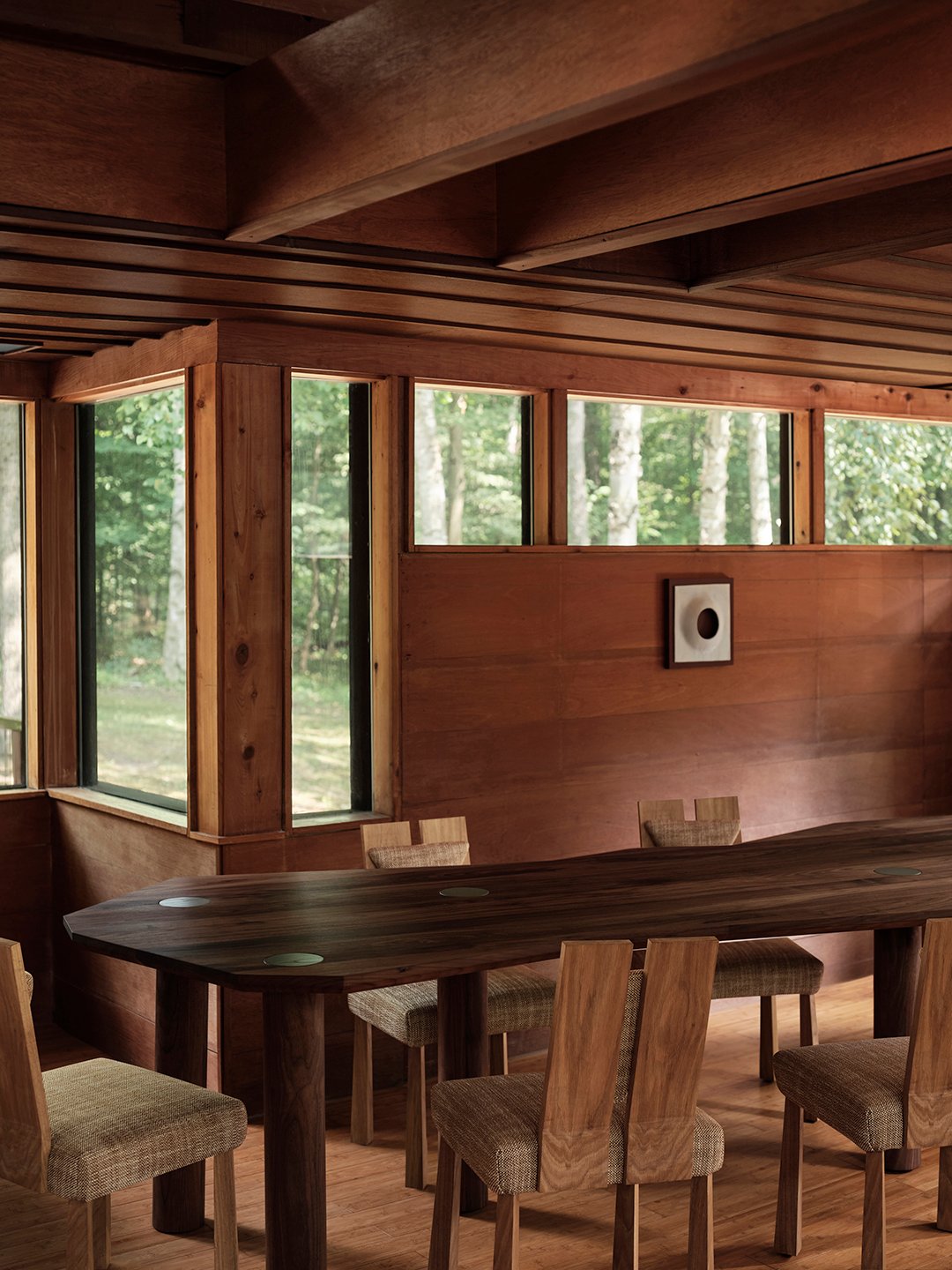
Among the standout pieces in the SSS Atelier fall collection is the Kite Dining Chair, which features a triangular back cushion explicitly referencing the airborne toys of her youth. The Fort Cabinet recalls stacked wood through its slatted, rhythmic facade, while the Bivvy Lounge Chair derives its name from a temporary camp shelter, known as a bivouac. Additionally, the Au Sable dining table captures the organic, rambling shape of a beloved Michigan river, demonstrating how literal landscapes can be abstracted into functional art.
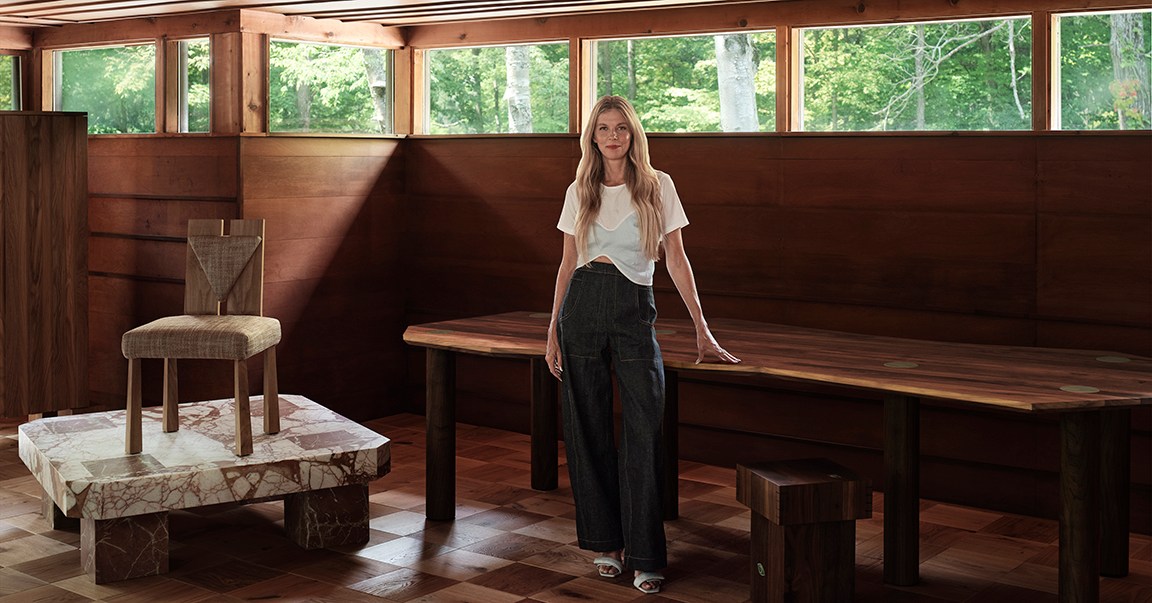
Beyond product design, Sherman Samuel has continued to expand her creative footprint by opening her own gallery space and tackling the extensive renovation of a mid-century residential property. As interior design enthusiasts continually look to her for cues on fresh color palettes, clutter reduction, and strategic home investments, Sherman Samuel recently sat down to discuss the inspirations, challenges, and design philosophies shaping her work this season.
The Most Challenging Design in My New Collection
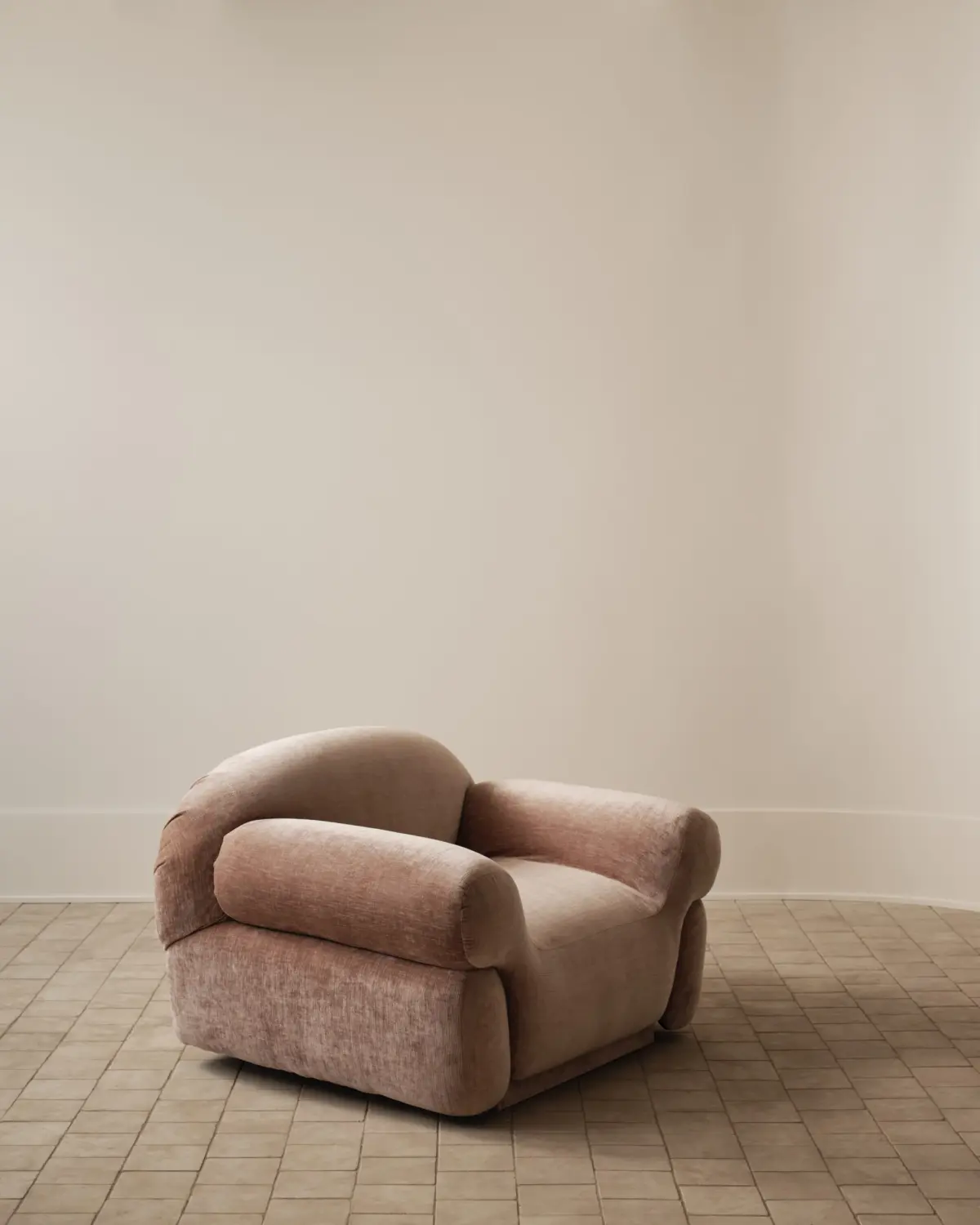
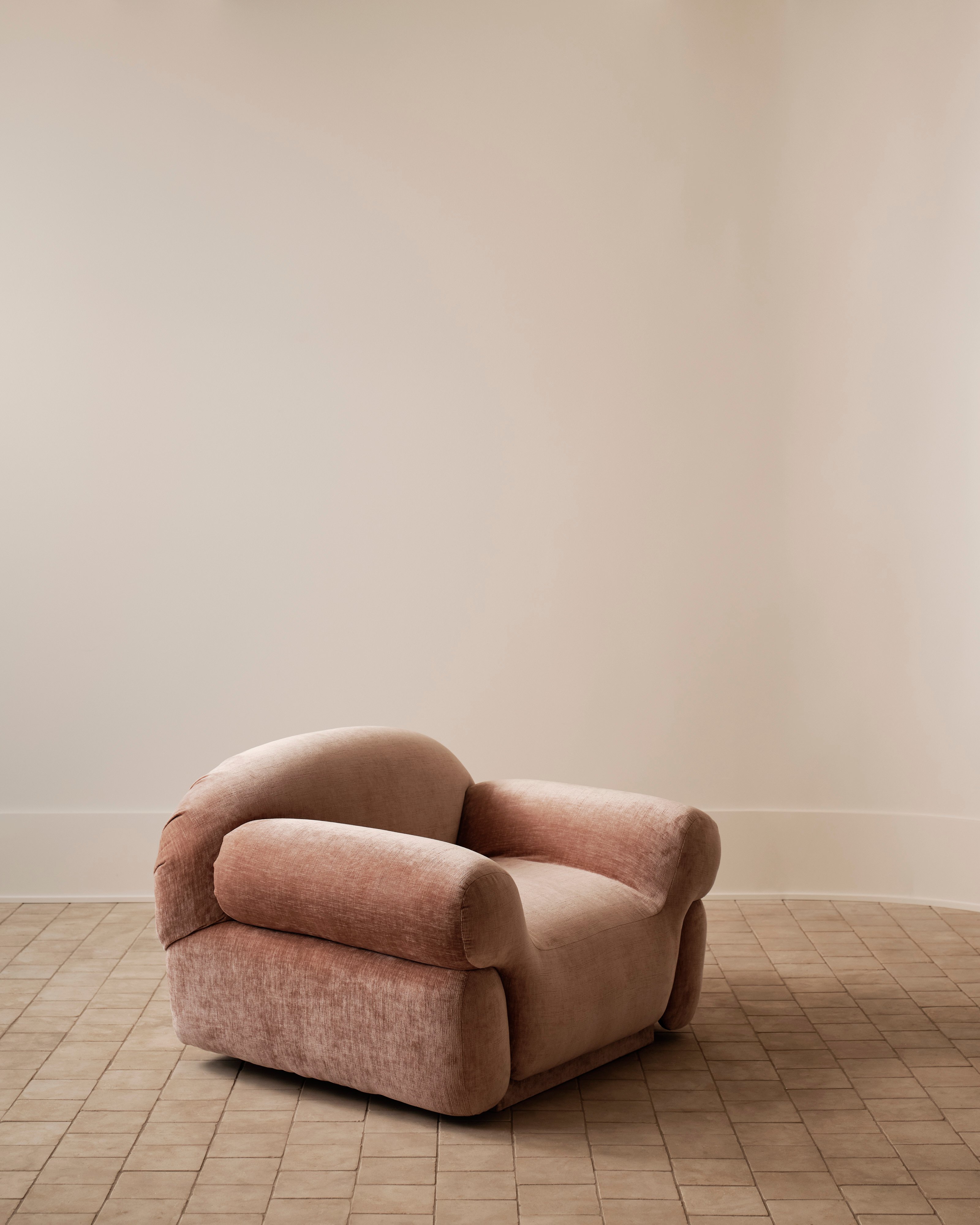
Developing new furniture requires a delicate balance between visual lightness and structural integrity, a hurdle Sherman Samuel encountered directly while bringing the Dune Chair to life.
Describing the development process, the designer noted that the piece stands out as perhaps the most challenging item in the new collection. While it appears deceptively simple at first glance, achieving its precise curves required a rigorous cycle of trial and error during the prototyping stage. The primary objective was to infuse the seating with a soft, sculptural quality that avoided feeling overly designed, prompting her team to refine the silhouette continuously until the final form achieved an effortless appearance.
The Pattern, Color, and Material on My Radar This Fall
As the design world transitions into cooler months, Sherman Samuel is gravitating toward specific aesthetic elements that offer depth, warmth, and a tactile connection to the earth.
For patterns, she remains drawn to botanical motifs, though with a distinct preference for wild or abstracted interpretations rather than sweet or traditional representations. In terms of color, oxblood has emerged as a clear favorite. These deep wine and brown-red tones provide a rich atmosphere without feeling overly precious, pairing naturally with various wood finishes. Materiality-wise, ceramic and clay have taken center stage in her recent work. Incorporating hand-worked clay elements allows her to introduce an organic, artisanal quality into interiors, especially when placed alongside more refined architectural features.
The Piece That Feels the Most Me
When asked which item in her collection best represents her personal design ethos, Sherman Samuel points directly to the Pier Side Table.
The piece encapsulates the core tenets of her signature style: a strong, simple silhouette, honest natural materials, and an unexpected artistic gesture. Specifically, the table features a handcrafted ceramic eye inlay, a personal touch that highlights her affinity for integrating bespoke artistry into functional furniture.
The Makers and Artists Inspiring Me
Rather than drawing inspiration from a single discipline, Sherman Samuel finds herself influenced by contemporary creators who effortlessly traverse the boundaries between art, furniture, and design.
For her inaugural gallery show, she curated works by a select group of visionary makers who are actively establishing their own creative languages. Among those inspiring her current trajectory are Steven Haulenbeek, Misha Kahn, Jay Sae Jung Oh, John Torreano, Thaddeus Wolfe, Chris Schanck, and Krista Mezzadri.
The Childhood Design Moment That Still Hits
Spatial awareness and a respect for architecture often trace back to formative childhood environments, a concept deeply rooted in Sherman Samuel’s early education.
Attending Lake Hills Elementary in the early 1970s left a lasting impression on the designer. Built in the late-mid-century architectural style, the school was low, sprawling, and set directly within acres of wooded dune land. Rather than utilizing conventional classroom corridors, the building was organized into learning pods and communal spaces. This early exposure to architecture that harmonized seamlessly with its natural landscape—where spaces were defined by volume and spatial connection rather than mere decoration—fundamentally shaped her approach to interior design.
The Things I’d Store in the Massive Fort Cabinet
Functionality remains a cornerstone of Sherman Samuel’s design philosophy, particularly when it comes to managing the practical clutter of everyday life without sacrificing aesthetic standards.
The Fort Cabinet was conceived to address this exact challenge, serving as a monolithic storage solution capable of concealing televisions and electronic equipment, home bars, linens, serving pieces, board games, books, and art supplies. Her overarching organizing philosophy centers on giving items a home where they are actually used, moving away from rigid organizational rules in favor of intuitive placement. Above all, she champions the utility of beautiful closed storage, emphasizing the value of large cabinets with doors that allow homeowners to effortlessly tuck away the visual noise of daily living.
The Purchases I’m Excited to Make This Season
When considering personal investments for the home, Sherman Samuel prioritizes acquisitions that introduce unpredictable elements and transform the energy of a room.
Art remains her top priority for seasonal purchases, valued for its unique ability to shift the mood of a space without requiring structural changes. She actively seeks out pieces that introduce creative concepts she could not have designed herself. In addition to collecting independent art, she looks forward to incorporating lighting from her own collaborations, specifically the Calliope linear chandelier designed for Lulu and Georgia.
The Projects on My Punch List
On the architectural front, Sherman Samuel and her family are deeply immersed in the ongoing transformation of their recently acquired mid-century modern home.
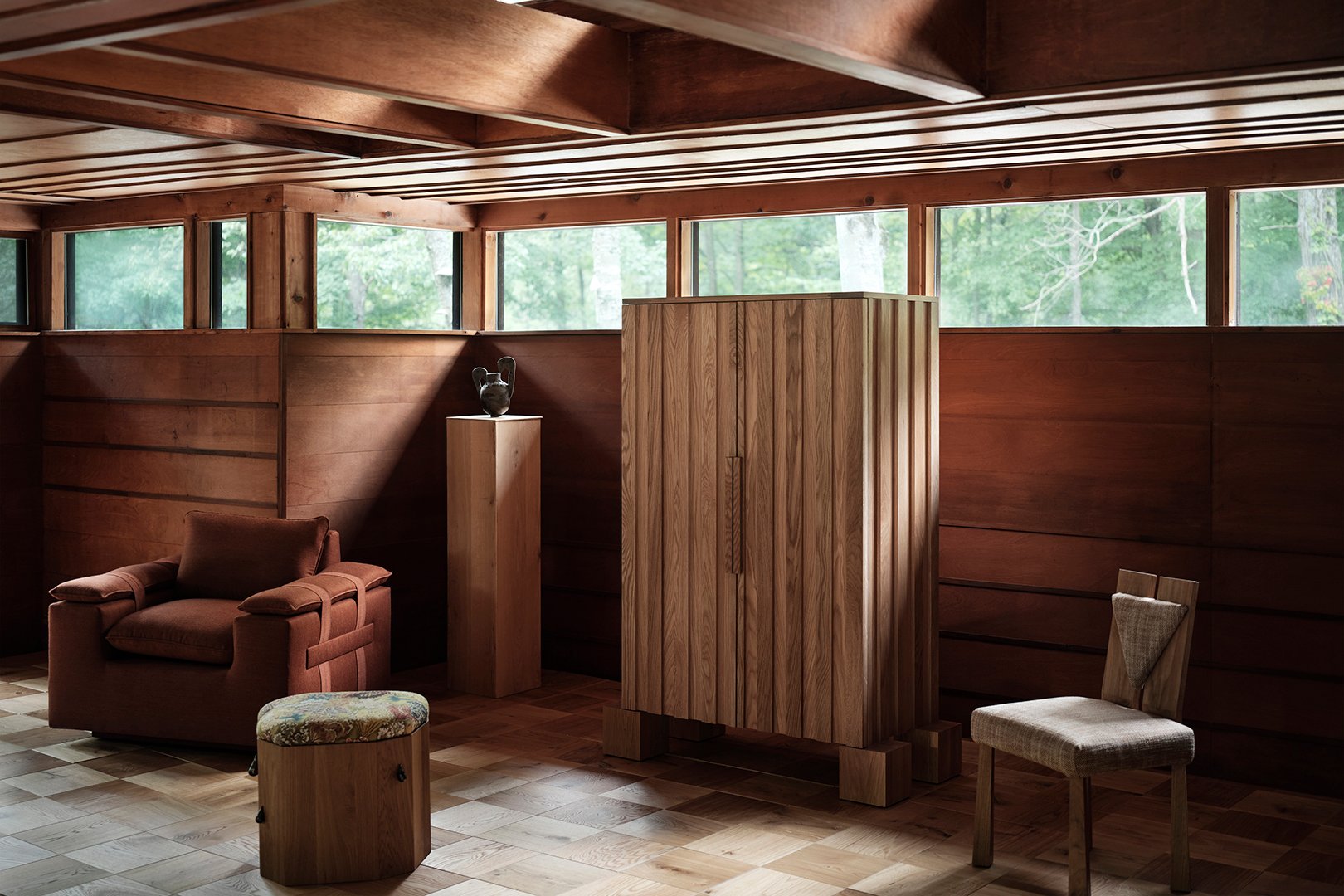
Designed originally by architect James R. Bronkema and unfortunately subjected to heavy renovations in the 1990s, the property is undergoing a careful restoration. The project involves peeling back subsequent decades of alterations to restore the home’s original mid-century roots while adapting its floor plan to suit contemporary family life.
The Design Trend I’m Over These Days
Rather than expressing fatigue with a specific fleeting trend, Sherman Samuel prefers to look at the bigger picture of how rooms are composed. Her primary design aversion is toward spaces where every single element appears to originate from the exact same moment in time. Instead of uniformity, she advocates for rooms built on visual tension and rich layering—placing something old next to something new, pairing refined surfaces with handmade objects, and contrasting unusual artwork with understated, simple furniture to create environments with genuine depth and character.