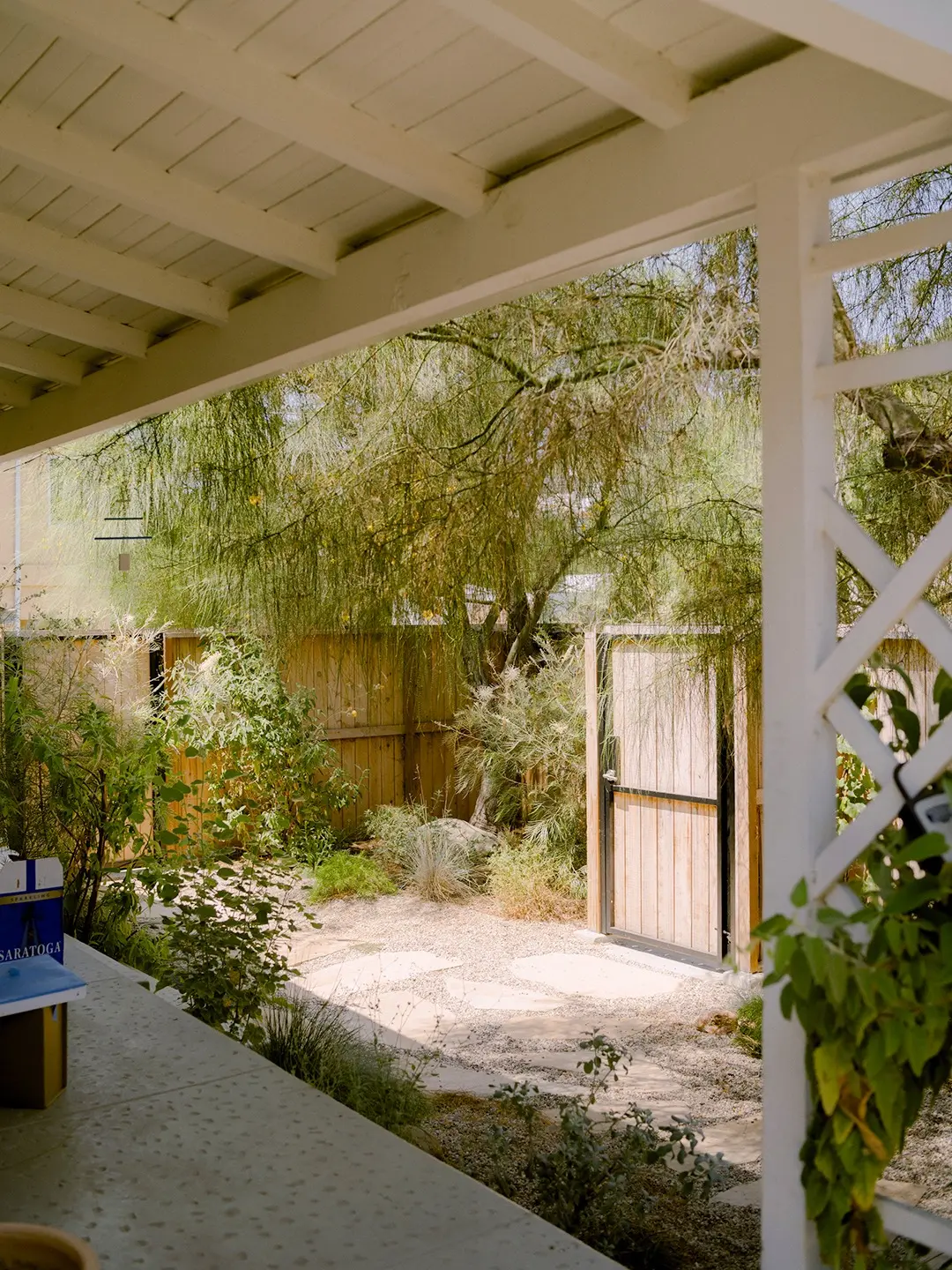
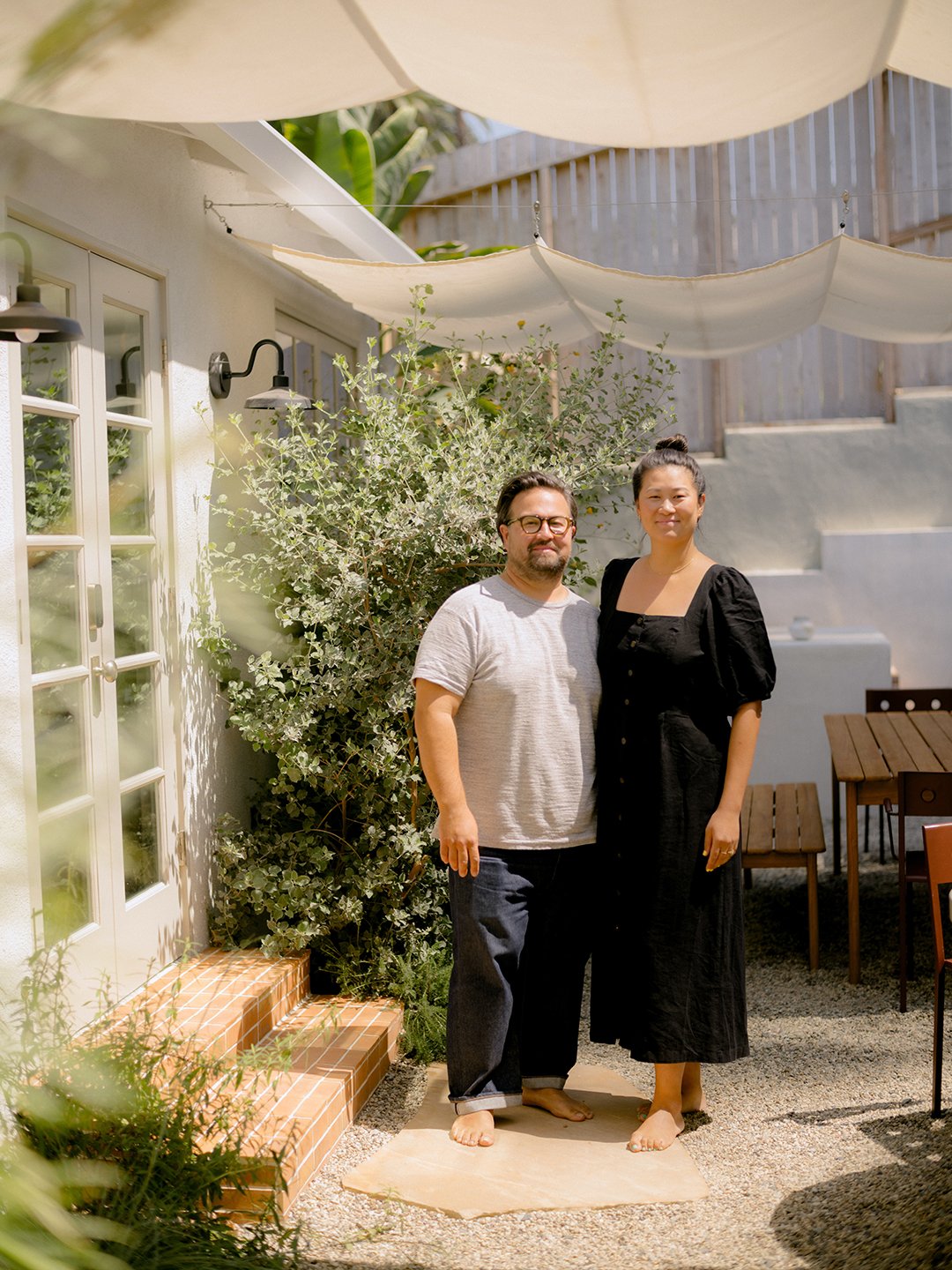
For those in search of the hidden spot, navigating to it requires a bit of insider knowledge. At the bustling corner of Baxter Street and Lake Shore Avenue, visitors must look for a simple strip of cobalt blue painter’s tape affixed to the front gate, bearing a handwritten message that reads, "Loto, come on in." Following the stone pavers past a flourishing orange tree leads around back to an outdoor seating area. Here, patrons can claim a spot along a low stucco bench or wander up high into a terraced garden.
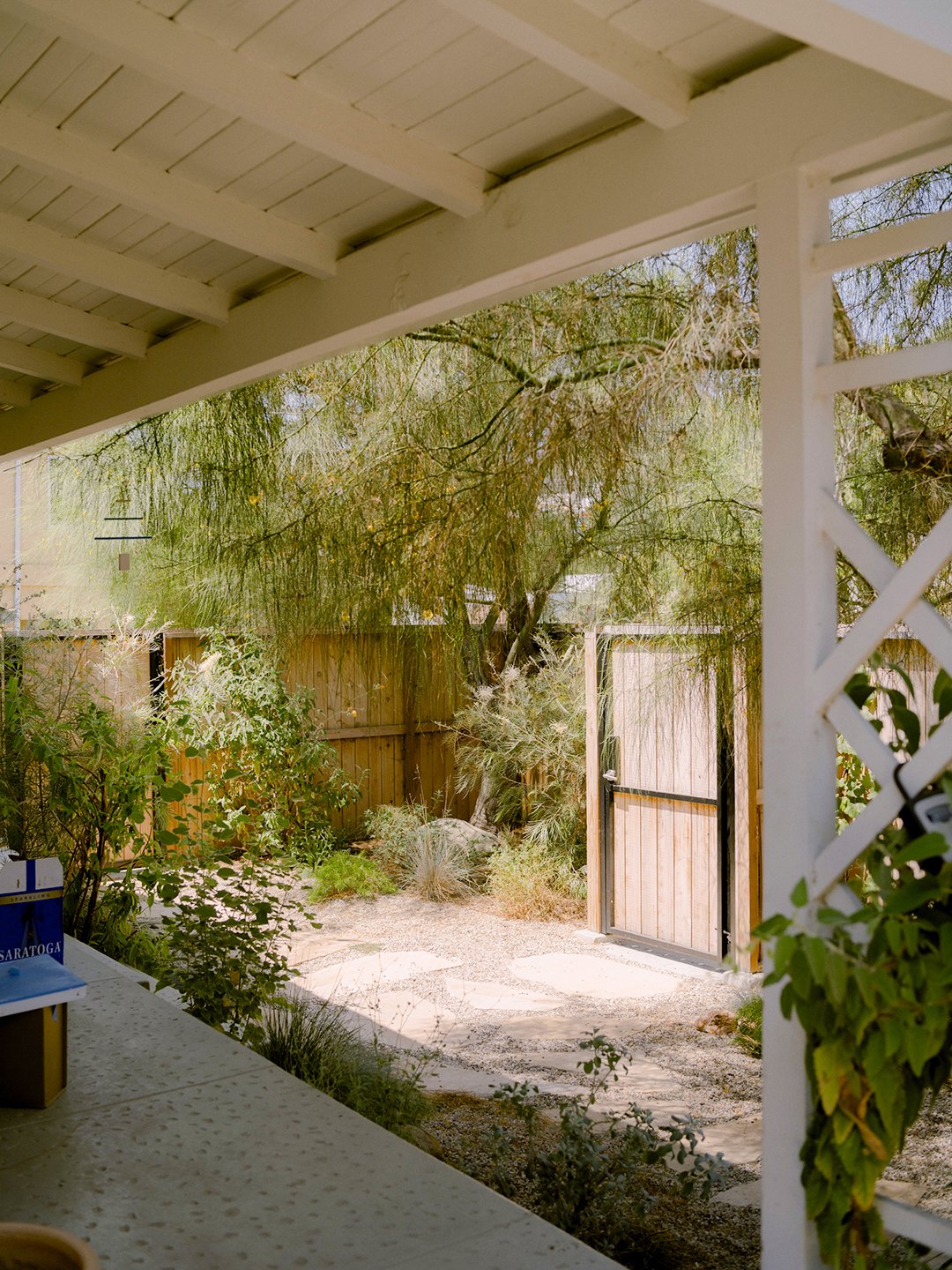
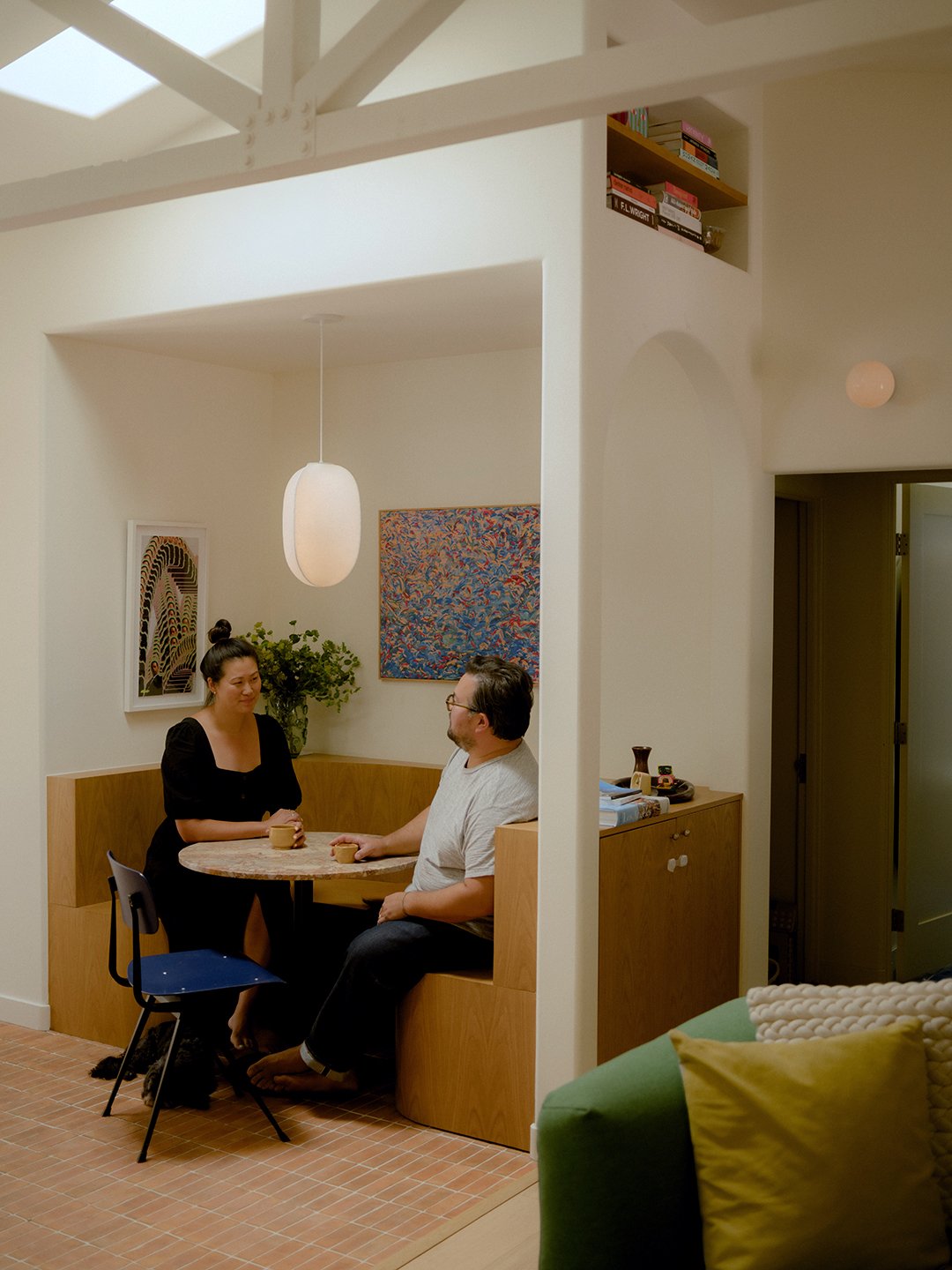
Entering the home itself happens through the rear French doors. Inside, Scharman can be found pulling espresso shots from Altura beans sourced exclusively from the misty highlands of Chiapas, or serving fresh pastries supplied by local bakery Santa Canela. On brisk mornings, guests can slide into a nearby custom wooden banquette and strike up a conversation with the Loto team. "We want people to feel at home and not rushed," Hong explains, capturing the unhurried ethos of the unique establishment.
The feasibility of Loto’s unconventional business model is a direct result of Los Angeles County’s Microenterprise Home Kitchen Operations program, commonly known as MEHKO. Launched to expand economic opportunities for home cooks, the program allows residents in most areas of the county to legally prepare, cook, and sell meals directly from their home kitchens, subject to strict health and safety regulations. Navigating the program required Scharman and Hong to jump through several administrative hoops, including acquiring food handler’s permits and coordinating thorough municipal inspections of both their domestic space and their carefully curated menu.
Yet, transforming a portion of their residence into a commercial cafe was an organic transition. The couple had already entrusted the architectural and design firm Alta Projects with an extensive, thoughtful renovation of the property three years prior, optimizing the layout for hospitality long before the cafe concept took root.
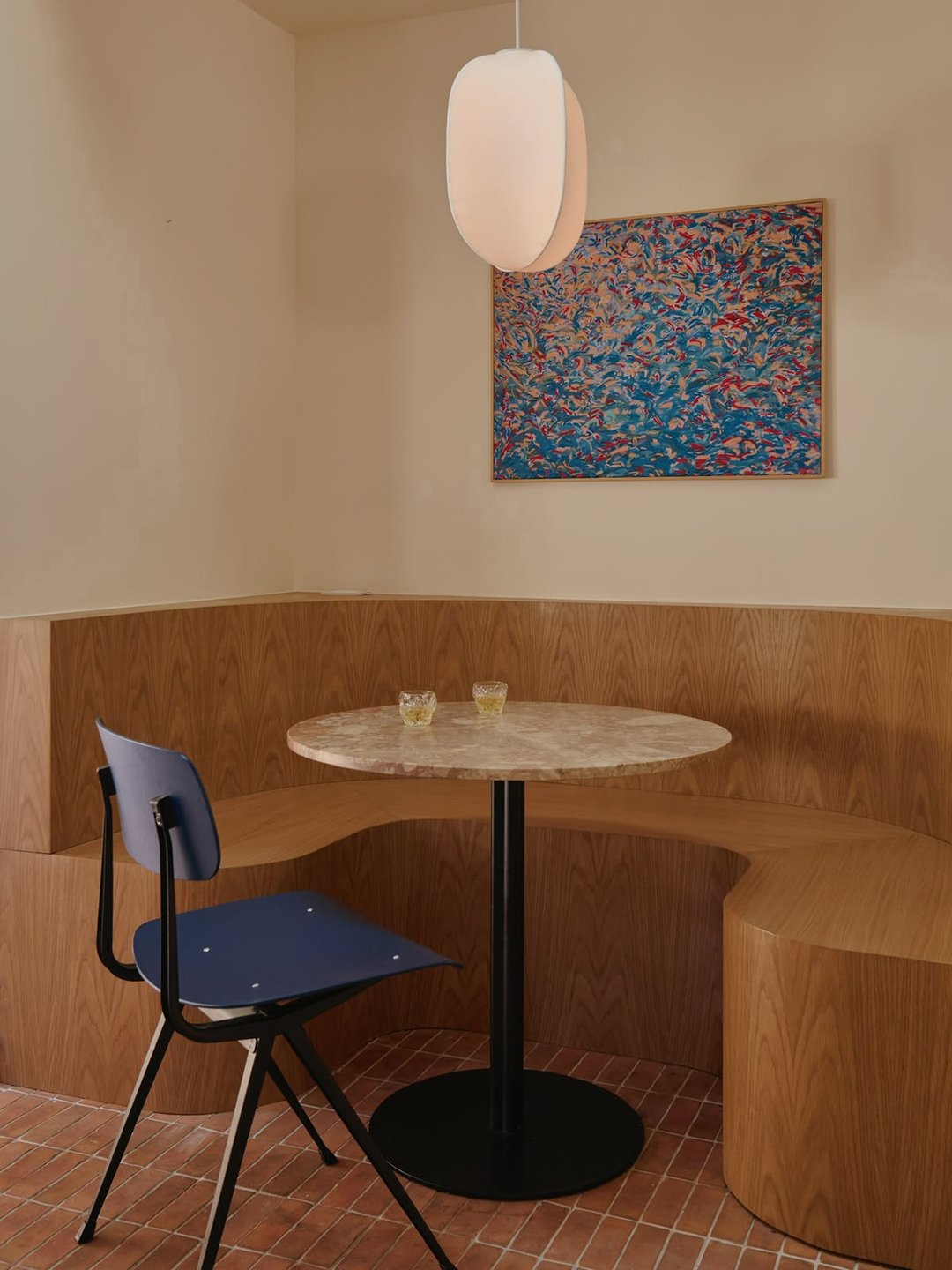
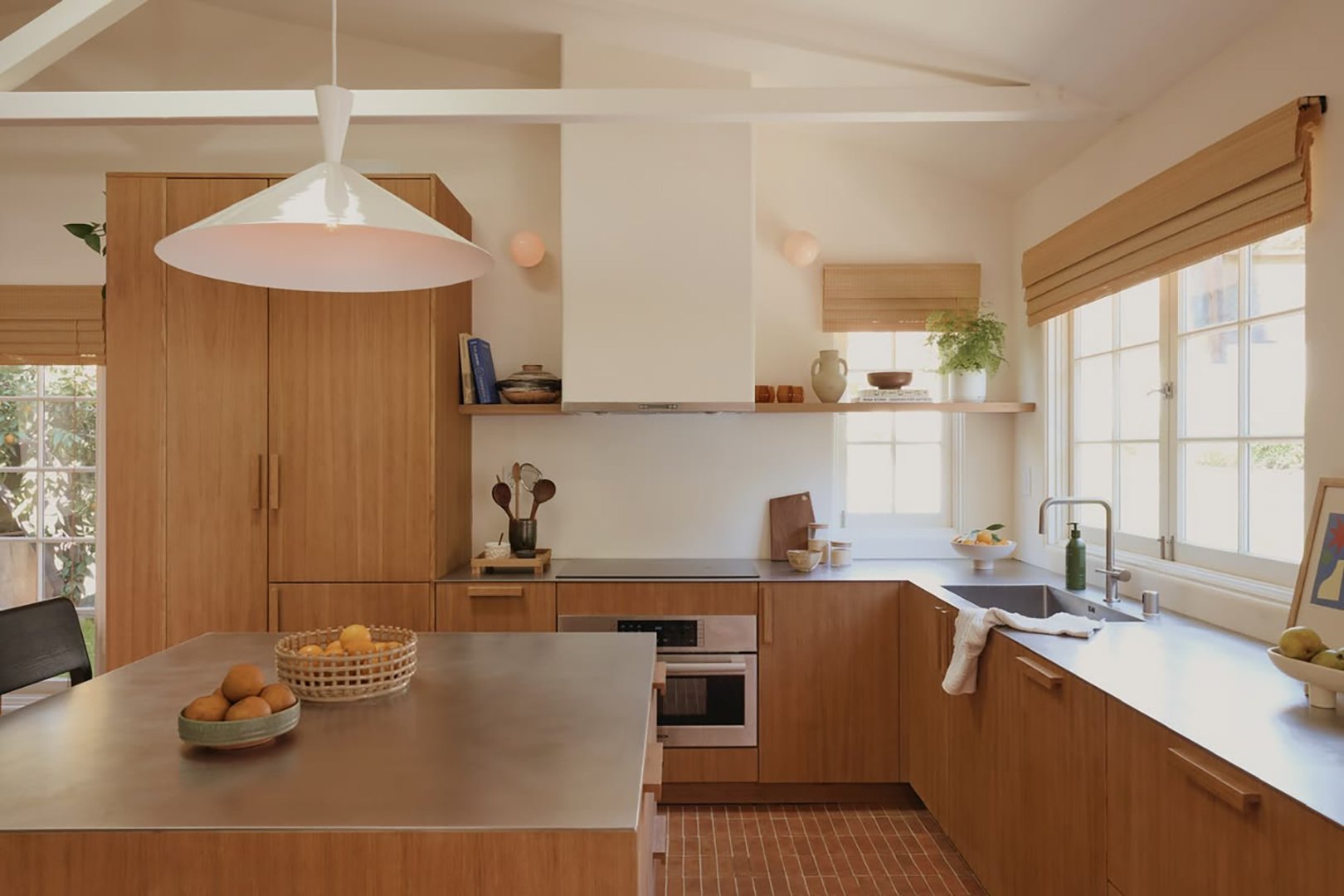
"We barely had to change anything," Scharman says of the eventual conversion. The major upgrades required for the official opening were relatively minimal, involving little more than replacing the front fence with fresh cedar boards and hooking up commercial-grade beverage machinery. Because the couple are avid hosts in their everyday lives, they had already taken functional cues from the restaurant industry during their initial remodel, installing durable stainless steel surfaces in the kitchen and carving out a roomy dining banquette to accommodate gatherings.
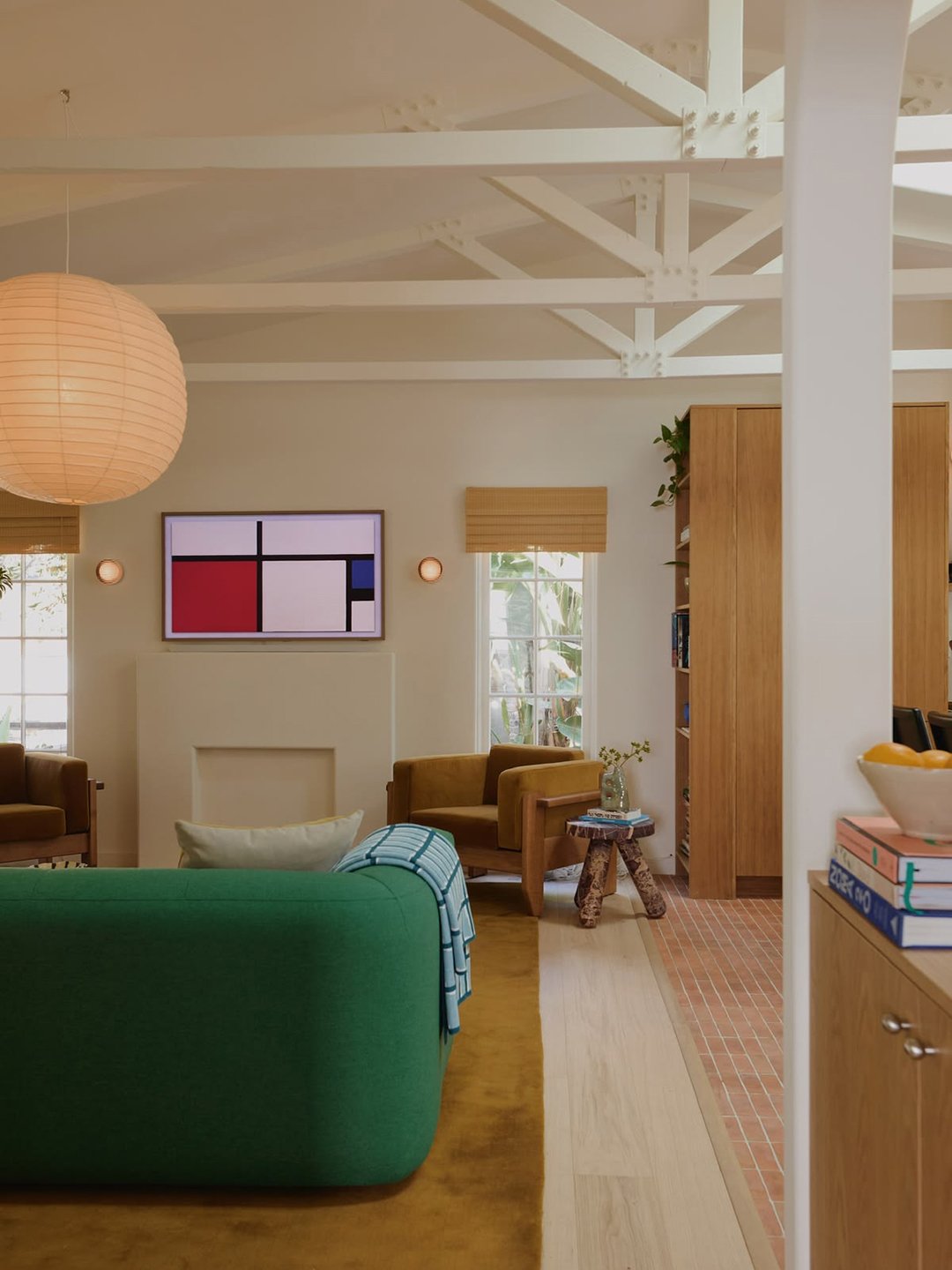
The primary focus during the initial residential renovation was maximizing the home’s modest 1,000-square-foot floor plan. Alta Projects principals Tito Pedraza and Tawni Bannister achieved this by expanding the ceiling height with exposed trusses, seamlessly opening the kitchen to the living room, relocating the main dining area outdoors, and reconfiguring the interior layout to maximize spatial efficiency.
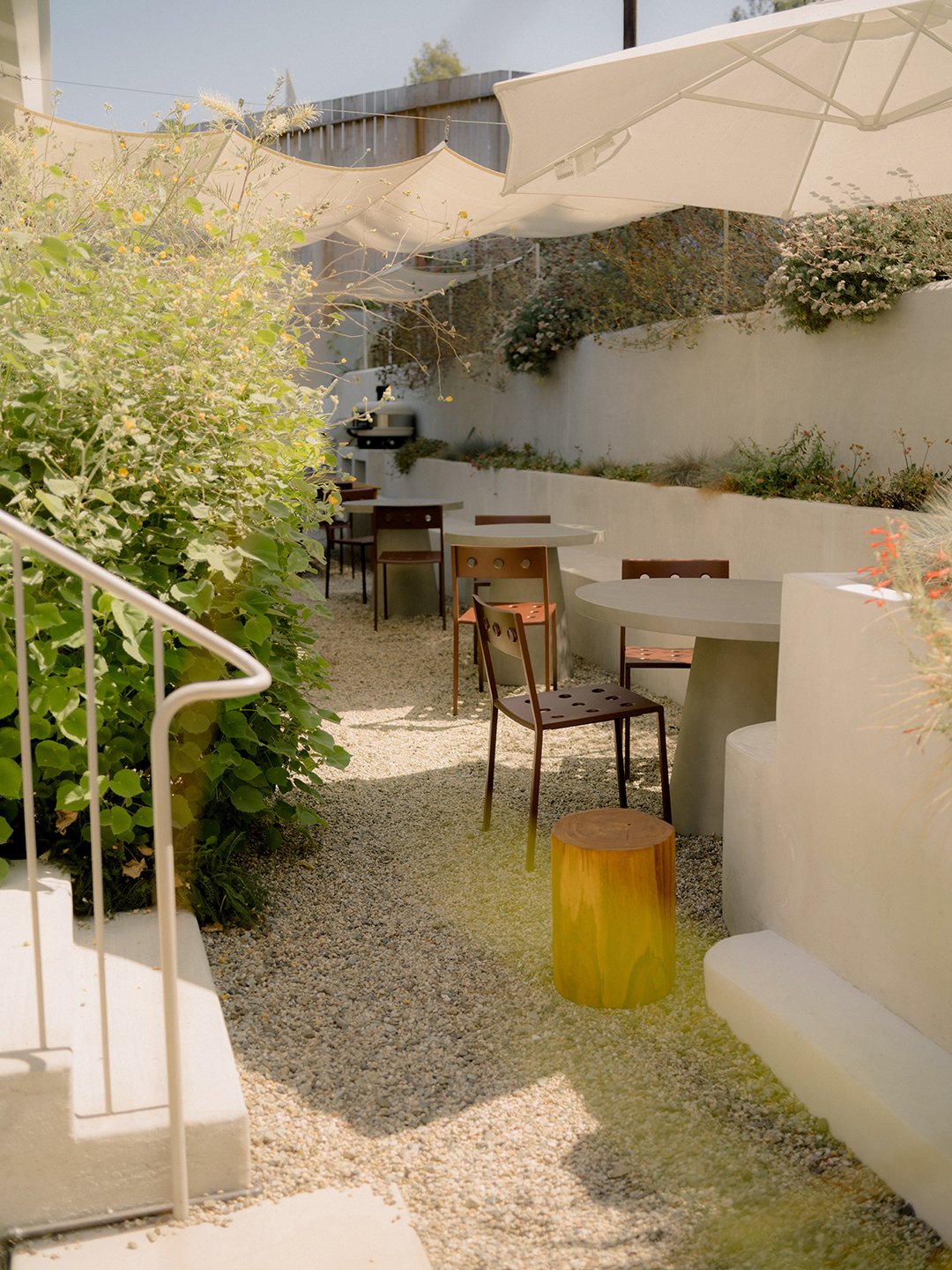
When the designers turned their attention to the steep backyard—described by Pedraza as "a jungle at the time"—they proposed a long, versatile structural bench capable of serving as traditional dining seating or as a casual perch during evening gatherings. At the time, Scharman admits he questioned the necessity of such a substantial piece of furniture. Little did he know it would soon become one of the most sought-after spots in the neighborhood for customers sitting with cortados and laptops.
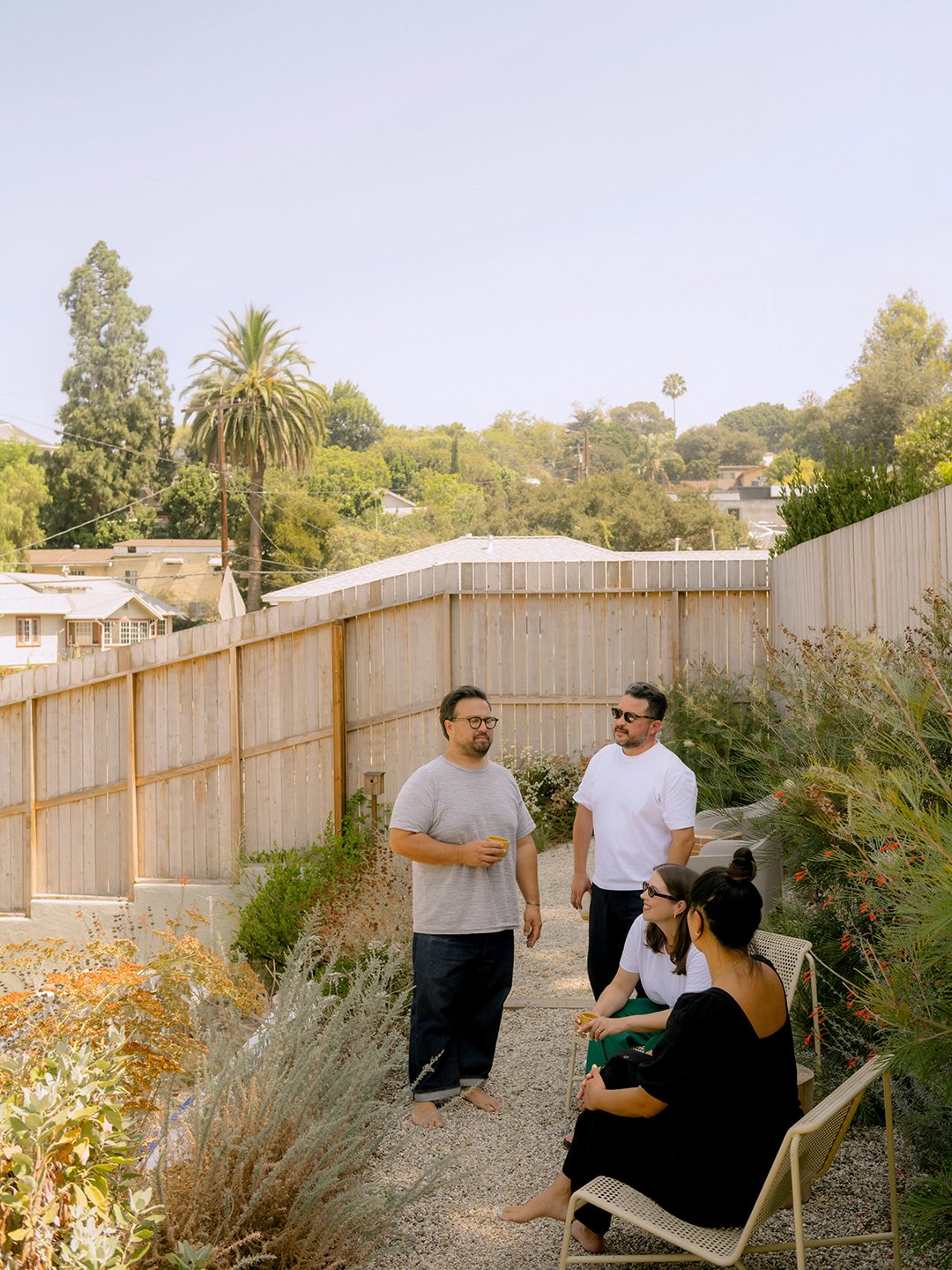
For Scharman, brewing specialty coffee was long maintained as a personal hobby fueled by specialized equipment, and he has spent the last two decades throwing his own ceramic mugs and tableware. However, seeing their newly renovated home with fresh eyes, combined with the regulatory opening provided by MEHKO and the enthusiastic encouragement of his partner, ultimately pushed him to take the professional leap.
Before launching the cafe, Scharman spent a month and a half immersed in intensive preparation in Mexico City. His daily routine involved waking up early to train under his chef friend Lucho Martinez as a working barista at Cafe Tormenta, while spending his afternoons honing his ceramics craft at a local studio. The rigorous crash course proved essential for managing the daily operations of Loto, which welcomes the public Wednesday through Friday amidst the routines of family life. While Scharman handles cold brew preparations and administrative duties late into the evening, Hong ensures the home is reset and ready to receive customers by 8:30 the following morning. "Every night it’s a mad dash to put toys away into bins and organize," she notes.
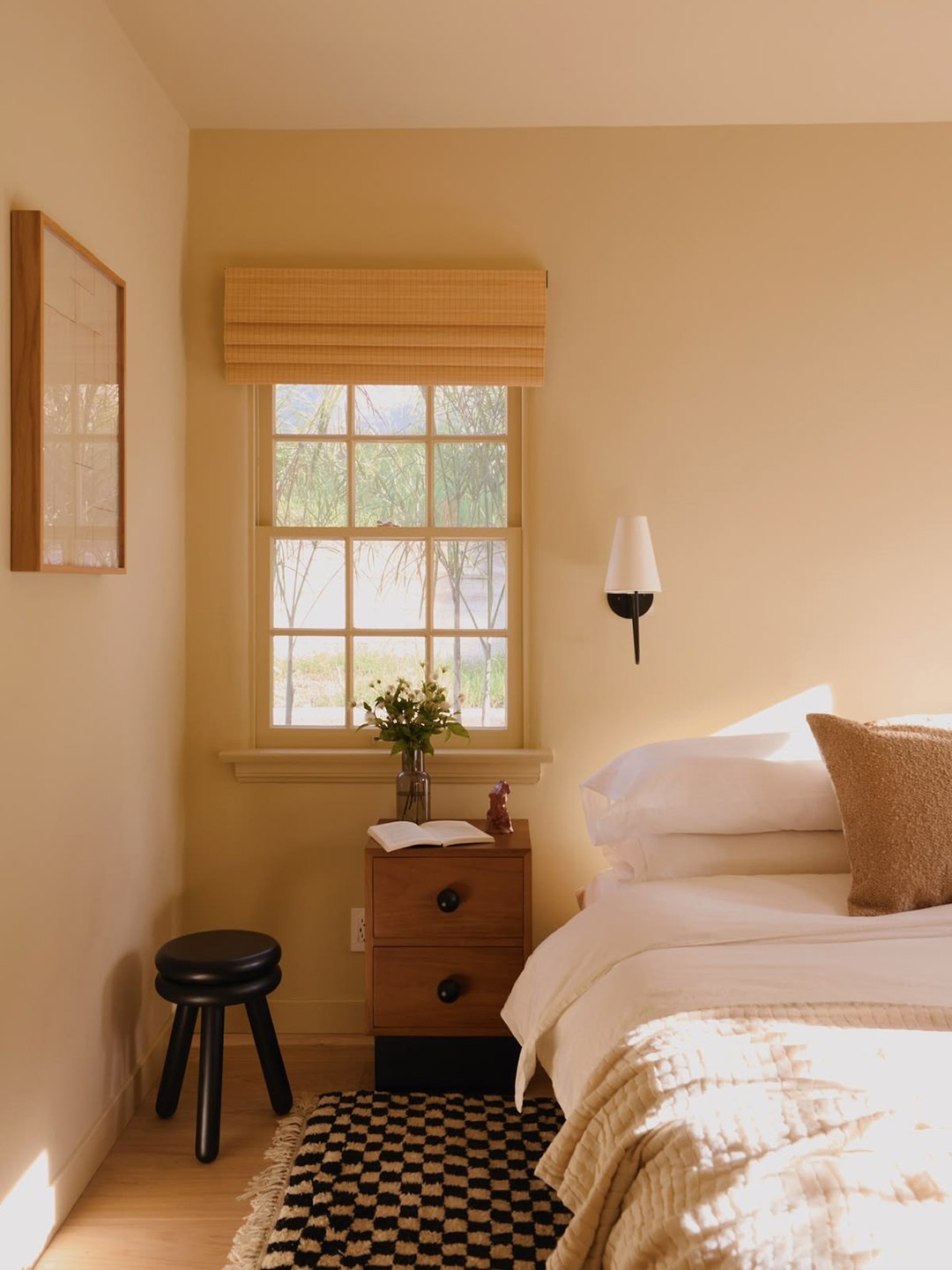
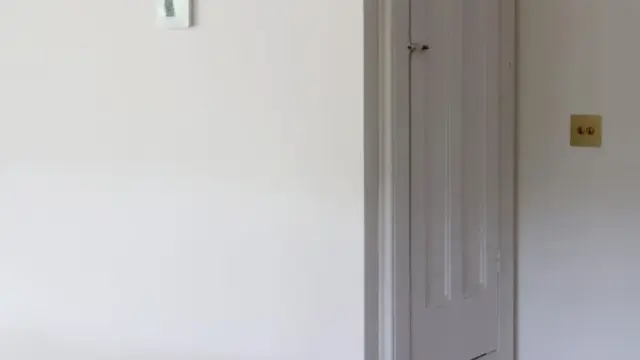
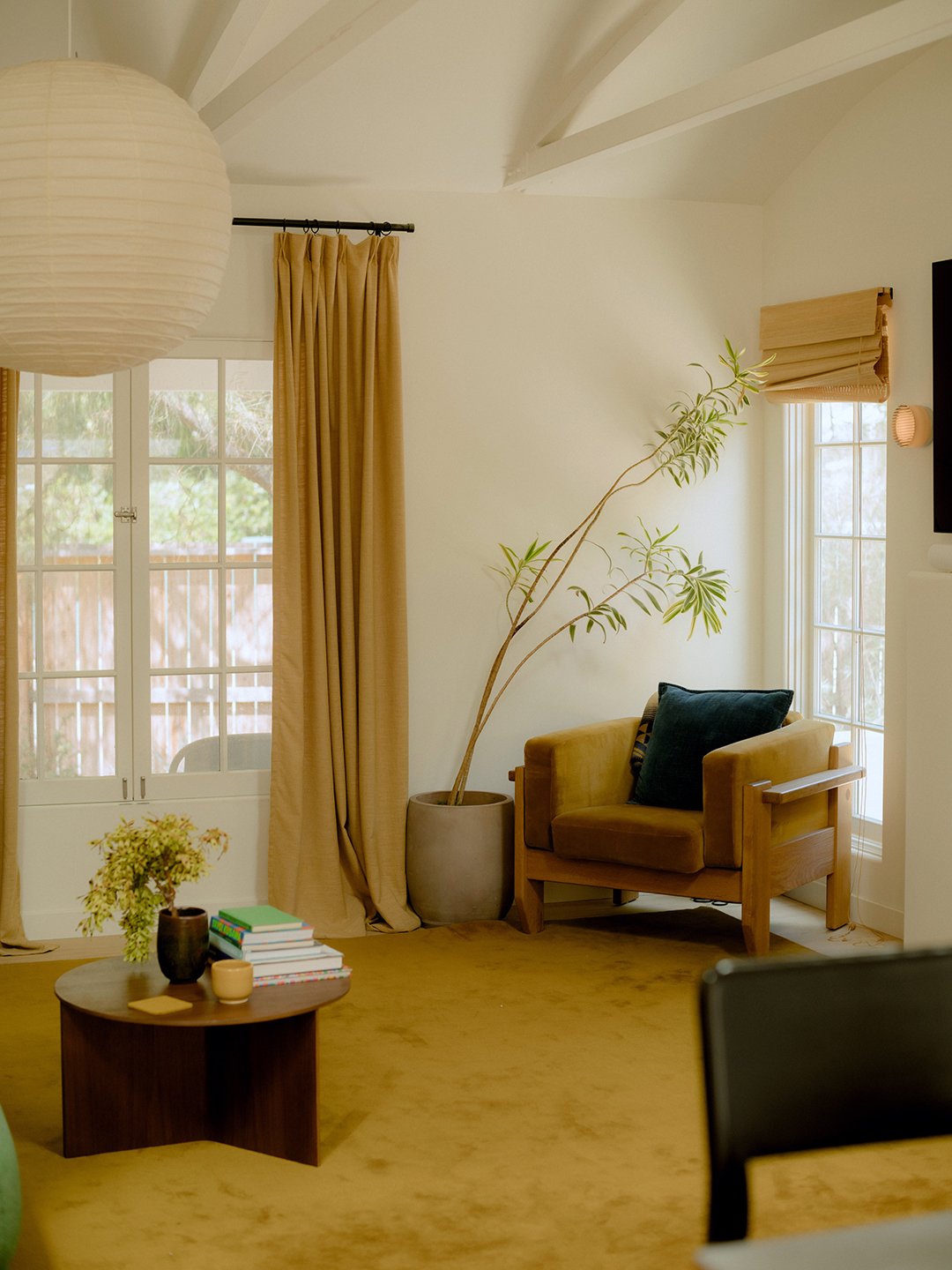
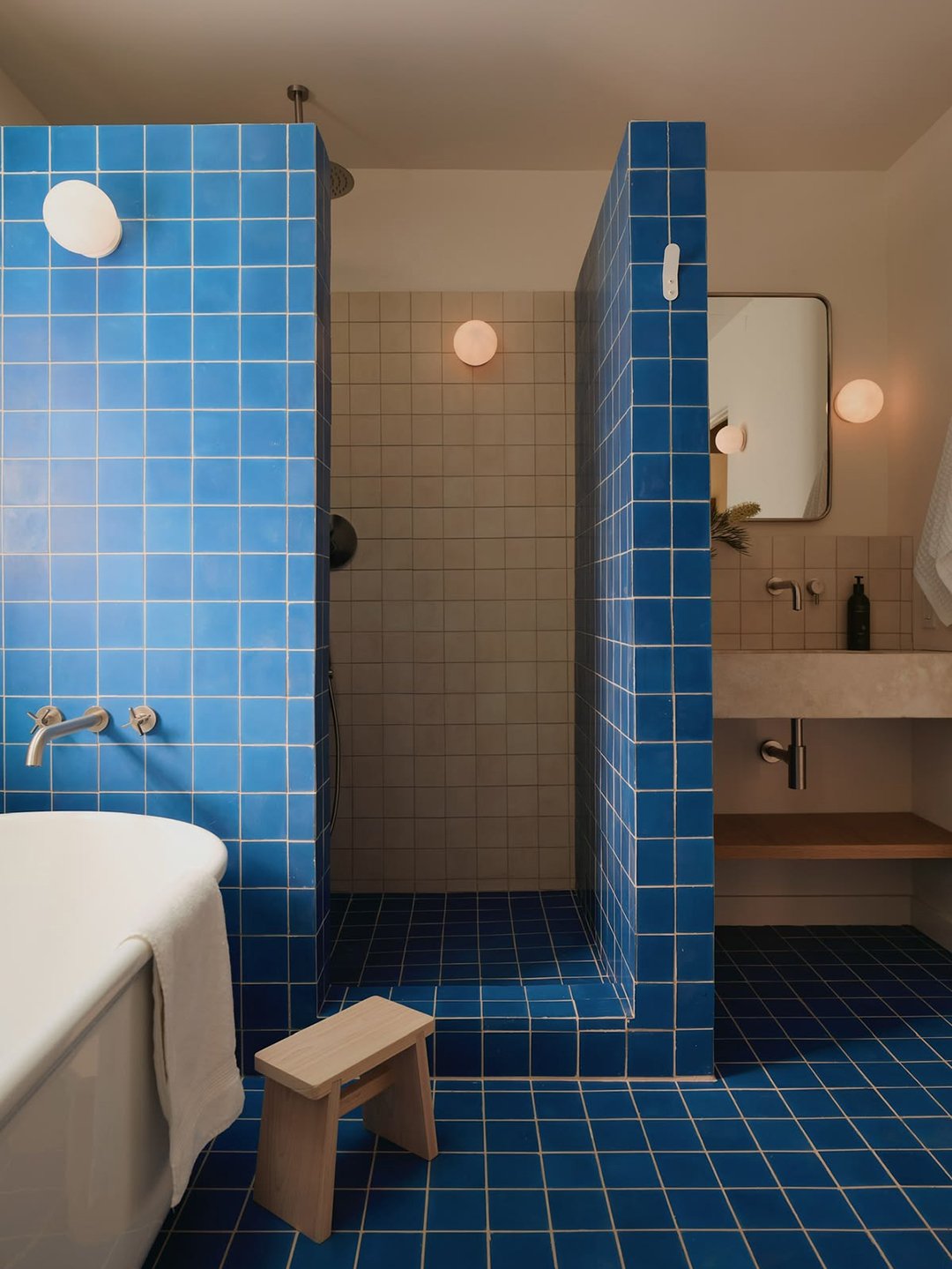
Despite the blurring lines between domestic life and commercial enterprise, the home’s layout maintains clear boundaries. An elegant cord rope politely signals to guests where the public cafe ends and the Scharman family’s private quarters begin, though glimpses of the main living space and primary bathroom remain visible from the kitchen. The interior design elements chosen by Alta Projects—such as ochre-hued Lawson-Fenning armchairs in the seating area and punchy cobalt blue tile in the bathroom—contribute to an aesthetic that feels less like a residential intrusion and more like a refined boutique hotel. Hosting strangers in their personal space is made considerably easier when the surrounding environment is designed with intention and warmth.
As word of Loto continues to spread across Los Angeles, Hong and Scharman are embracing the influx of new faces and the community connections that have blossomed as a result. "It has changed our lives for the better," Hong says. "We’ve met neighbors who live further up the block; our daughters play with other kids on our swing. It feels like a big dinner party every time our doors are open." For Scharman, the micro-cafe helps a sprawling metropolis feel significantly smaller, which explains why patrons frequently linger for hours, treating the Echo Park bungalow as an extension of their own living rooms.