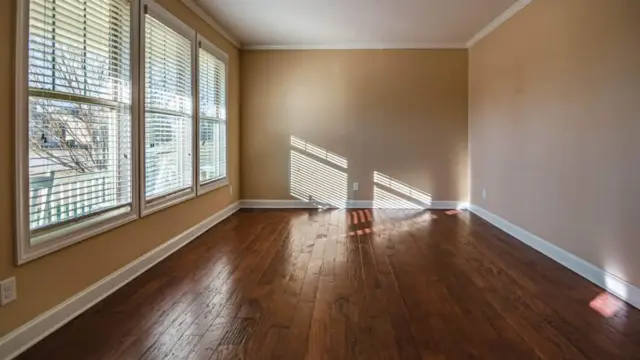
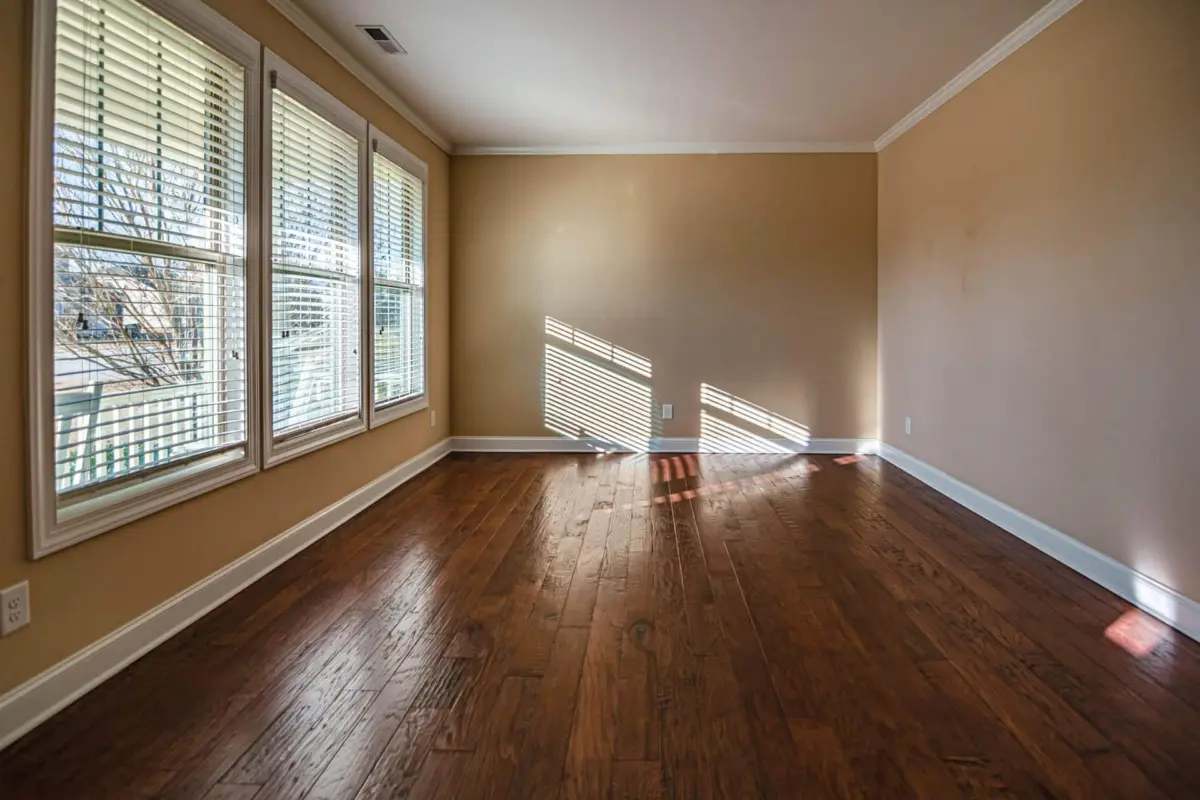
Upon arriving at her destination, Mia settled into a sparsely furnished apartment chosen specifically to facilitate a simple transition. Cramming her minimal belongings among the sparse stock furniture, she spent her first afternoon adjusting to a remarkably pared-down environment. This temporary relocation into a minimalist space has provided unexpected insights into the psychology of clutter and the realities of living with very little—lessons that mirror her previous experiences with domestic over-accumulation, but from a completely fresh perspective.
One of the first daily realities Mia encountered involved the leftover hotel-sized portions of everyday items commonly provided in temporary or furnished rentals. Having already packed her own toiletries and cleaning supplies, these miniature products initially represented redundant extras. In the past, she admits, a deep-seated hoarding mentality would have compelled her to save the tiny containers for some hypothetical future scenario where miniature items might prove useful.
This time, however, she deliberately chose to use them up. Recognizing that these products were often subpar versions of everyday goods, she realized that hoarding them offered no real value to her daily life. By consuming them first and immediately discarding the empty containers, she cleared physical and mental real estate, emerging as a stronger proponent of proactive "use it up" decluttering than ever before.
As a self-described homebody, adapting to an unfamiliar space devoid of her usual comforts proved psychologically challenging. To combat this displacement, Mia employed a strategy of functional decor. Rather than tucking her few cherished possessions away into drawers or closets, she integrated them purposefully into the living space. Her colorful throw blanket was draped casually over the couch instead of being folded away, and her books were propped throughout the apartment rather than stacked on a bedside table.
While such an approach might risk appearing cluttered in a home overstaturated with goods, within a sparse environment, these deliberate placements added essential warmth and personality. By styling the apartment with items that served a practical purpose, these objects performed double duty, imbuing the sterile rental with a homey atmosphere without introducing unnecessary clutter.
The minimalist approach extended directly to the kitchen, highlighted by a very specific utensil gifted by a friend who visited for Mia’s recent birthday: a small wooden spoon. Managing sensory issues that make the sound of clinking silverware deeply unpleasant and nausea-inducing, Mia had initially resorted to saving plastic cutlery from takeout orders during her first days in the apartment to avoid using the supplied metal utensils.
The arrival of the wooden spoon solved this dilemma entirely. Paired with a simple set of chopsticks, the small wooden implement became her sole eating tool, rendering the remainder of the apartment’s utensil drawer completely obsolete. This experience reinforced the philosophy that owning a single item capable of serving its purpose perfectly—especially one that brings genuine joy—vastly outweighs the utility of a drawer packed with mediocre alternatives.
Beyond physical possessions, the relocation drastically restructured Mia’s social calendar and daily routine. While her immediate social circle in the new location is currently sparse compared to the bustling community she left behind, the resulting solitude has proven surprisingly energizing. Navigating the delicate contradiction of deeply adoring her friends while simultaneously thriving on vital alone time, she found that a simplified schedule created profound operational ease.
Mornings now begin with an effortless walk to the gym for regular workouts, while her temporary apartment remains remarkably easy to keep spotless. With fewer domestic and social distractions, she has significantly increased the time spent cooking healthy meals. Furthermore, having acquired a business a few months prior, she found herself ahead on professional obligations, affording her the mental space and spare time necessary to resume writing and blogging. Although she intends to reintroduce social activities and hobbies—such as hosting game nights with friends back home and returning to fight training now that her energy levels have rebounded—the period of intense solitude has yielded undeniable productivity and rejuvenation.
Yet, the experiment also underscored how rapidly clutter can accumulate, even in a temporary setting. Barely three weeks into her stay, the subtle threat of accumulating possessions has already materialized. Birthday gifts brought into the apartment, while deeply appreciated, quickly consume square footage, leaving her working alongside items as unexpected as a trampoline. Similarly, despite arriving with almost nothing, her kitchen cabinets quickly filled with plastic containers saved for food storage.
Reflecting the broader consumer culture where the natural flow of items into a home is virtually constant, Mia observed that without an intentional counterflow of items leaving the space, accumulation is inevitable. This realization prompted her to quickly reinstate regular decluttering practices, utilizing passive maintenance techniques to stay ahead of the curve before disorder takes root.
As for the core question driving the entire enterprise—whether the relocation is actually helping her health—the preliminary results are cautiously positive. The improvement marks the first genuine sign of progress she has observed in her physical well-being in years. At the same time, the reality remains complex, driven by the profound realization that her primary home is the suspected source of her chronic symptoms. Confronting that reality is a challenge she intends to address utilizing the newfound mental clarity afforded by her minimalist surroundings.
With plans to continue her routine and prepare for upcoming community initiatives like the holiday decluttering challenge, Mia continues her temporary experiment, weighing the difficult truths revealed by stepping away from her established life.