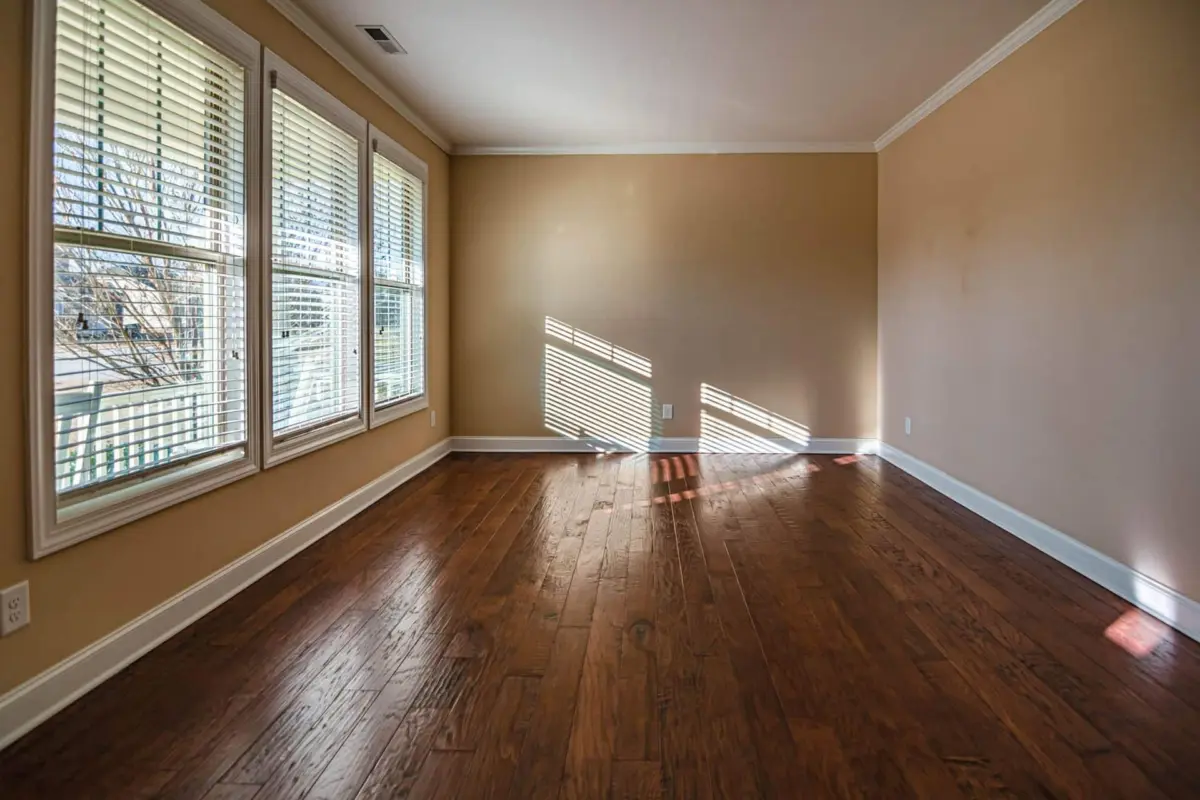
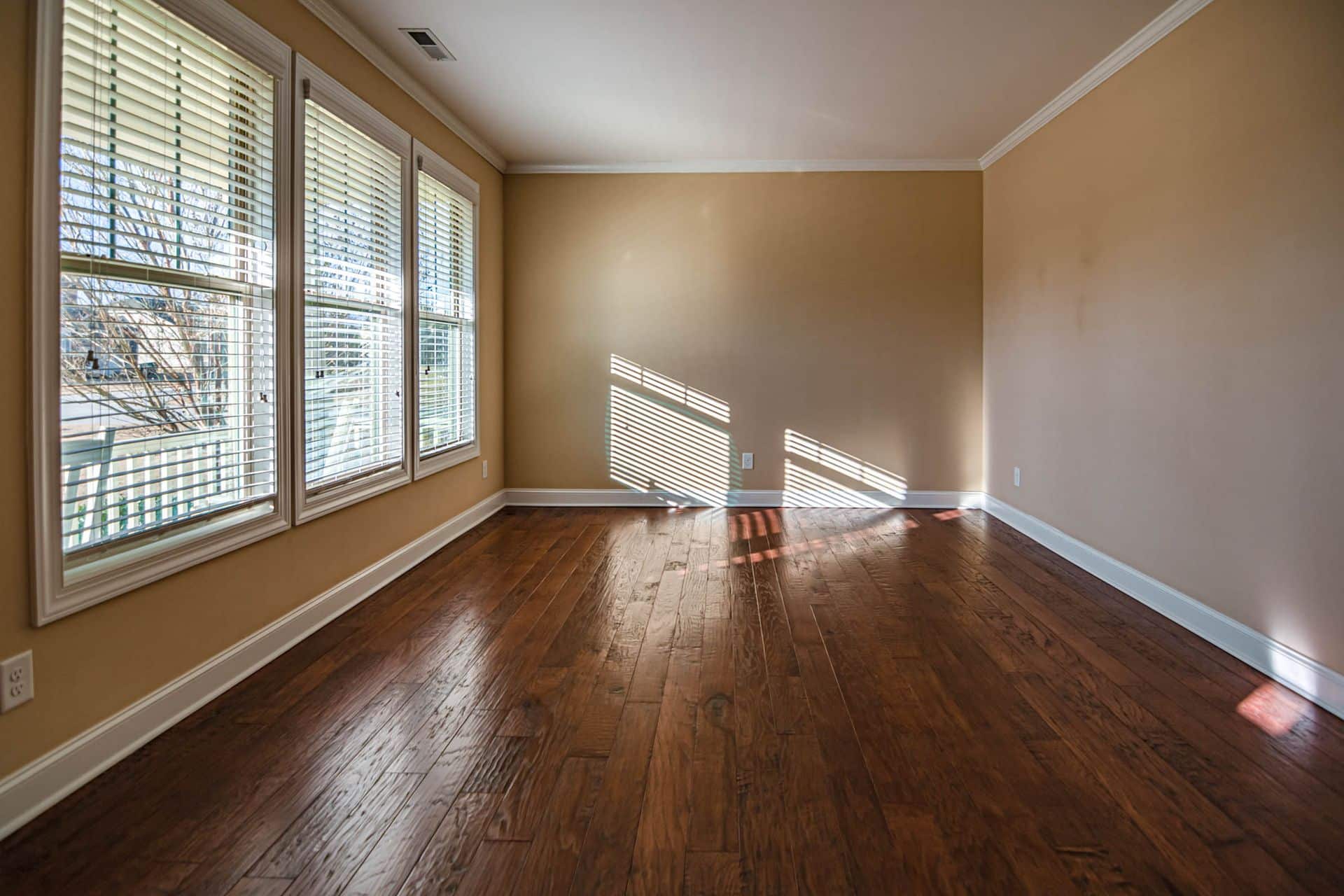
Upon arrival, Mia settled into a sparsely furnished apartment designed for a simple, low-friction transition. Surrounded by minimal stock furniture and her own belongings scaled down to fit into a tiny fraction of that space, she began a period of deep reflection. Living in a spare environment offered immediate lessons in the psychology of clutter and minimalism, mirroring insights she had previously gathered from the opposite end of the spectrum—living surrounded by excess.
The initial weeks away from home brought several distinct realizations about material possessions, daily habits, and the psychological impact of physical space.
1. Use It Up
Among the realities of renting a furnished apartment is the provision of hotel-sized portions of everyday items. Having brought her own toiletries and cleaning supplies, Mia viewed these complimentary items as redundant extras. In the past, she admits, a hoarding mentality would have dictated saving those miniature products for an ambiguous future moment when tiny items might conceivably be needed.
This time, however, she adopted a different strategy: she simply used them up. Recognizing that these products were often subpar versions of everyday necessities, she realized that hoarding them offered no real enrichment. Saving them would only prolong the presence of items she had no enthusiasm to use. By consuming them first and discarding the empty containers, she successfully removed physical and mental clutter from her immediate surroundings. This experience cemented her conviction in the philosophy of "use it up" decluttering, turning a minor convenience into a lasting principle for managing household supplies.
2. Functional Decor
As a self-described homebody, adapting to an unfamiliar space without her familiar comforts presented a psychological challenge. To bridge the gap, she strategically displayed the few personal mementos she had brought along, draping a colorful throw blanket over the couch rather than folding it away and propping her books throughout the apartment instead of stacking them on a bedside table.
Any item that possessed a pleasant, homey aesthetic earned a visible spot in the room rather than being relegated to a drawer. While such an approach might risk looking cluttered in a heavily furnished home, amidst a minimalist backdrop, it served to warm up the otherwise sterile environment. Styling with functional items allowed everyday objects to perform a double duty, providing emotional comfort and aesthetic warmth without generating useless clutter.
3. The Spoon
A tangible example of intentional object selection arrived around her birthday, when a visiting friend presented her with a small wooden spoon. Managing sensory issues that cause a severe aversion to the sound of clinking silverware—a sensation that frequently triggers nausea—Mia had initially resorted to saving plastic cutlery from takeout orders during her first days in the apartment to avoid using the metal utensils provided by the rental.
The gift of the wooden spoon offered an immediate solution. Perfectly sized and rich with sentimental value, the utensil brings her a sense of connection to her friend every time she uses it. Because she now relies exclusively on this spoon and a pair of chopsticks for her meals, the remainder of the apartment’s utensil drawer has become obsolete. The experience reinforced the idea that owning a single item that serves its purpose flawlessly—particularly one that sparks joy—is far more valuable than maintaining a drawer full of mediocre alternatives.
4. Alone Time
One of the most noticeable shifts during the relocation has been the dramatic reduction in her social calendar. While she has a few acquaintances nearby, her local network is sparse compared to the vibrant community she left behind. Initially, this lack of social engagement felt like a drawback, given her deep affection for her friends. Yet, it quickly proved to be a powerful source of energy.
Thriving on solitude while simultaneously craving the company of loved ones represents a familiar human contradiction. Yet, with her schedule cleared and her living space requiring minimal maintenance, daily life simplified significantly. Mornings now begin with an effortless walk to the gym for workouts. Her apartment remains consistently spotless, and she finds herself dedicating substantially more time to preparing healthy meals.
Furthermore, having acquired a business a few months prior—a venture that temporarily quieted her public presence—she has finally found the spare time and mental space necessary to write and reflect. While she intends to gradually reintroduce social activities and hobbies, such as game nights with old friends and a return to fight training now that her energy levels have rebounded, the extended period of isolation has proven remarkably productive and revitalizing.
5. Clutter Comes Fast
Despite the minimalist environment, the underlying mechanics of consumer culture quickly made their presence felt. After just three weeks in the temporary home, the subtle threat of accumulating clutter began to materialize. Following her birthday, new gifts brought into the apartment instantly took up physical space—a reality underscored by the presence of a trampoline sitting beside her as she types.
Having arrived with almost nothing, she quickly noticed her kitchen cabinets filling up with saved plastic containers designated for food storage. This observation highlighted a broader structural truth about domestic life: the natural flow of items within a household, particularly in contemporary American culture, is consistently inward. Without a deliberate, countervailing flow of items leaving the home, possessions inevitably accumulate indefinitely.
To combat this, she quickly reinstated her regular decluttering practices, relying on passive maintenance techniques that proved remarkably effective when applied early. Confronting the accumulation before it spirals out of control demonstrated the tangible benefits of proactive space management.
Assessing the Experiment
For those following the trajectory of her experiment, the results thus far have been encouraging. The relocation has yielded the first genuine, measurable improvements in her health that she has experienced in years—a welcome development, albeit accompanied by the complex reality that the source of improvement requires living away from her permanent home. Navigating that reality is a challenge she intends to address utilizing the newfound mental space her current lifestyle provides.
As she continues to settle in, future plans include a return to regular writing and the upcoming organization of a community Holiday Decluttering Challenge, ensuring that her temporary experiment continues to inform her broader work in minimalism.