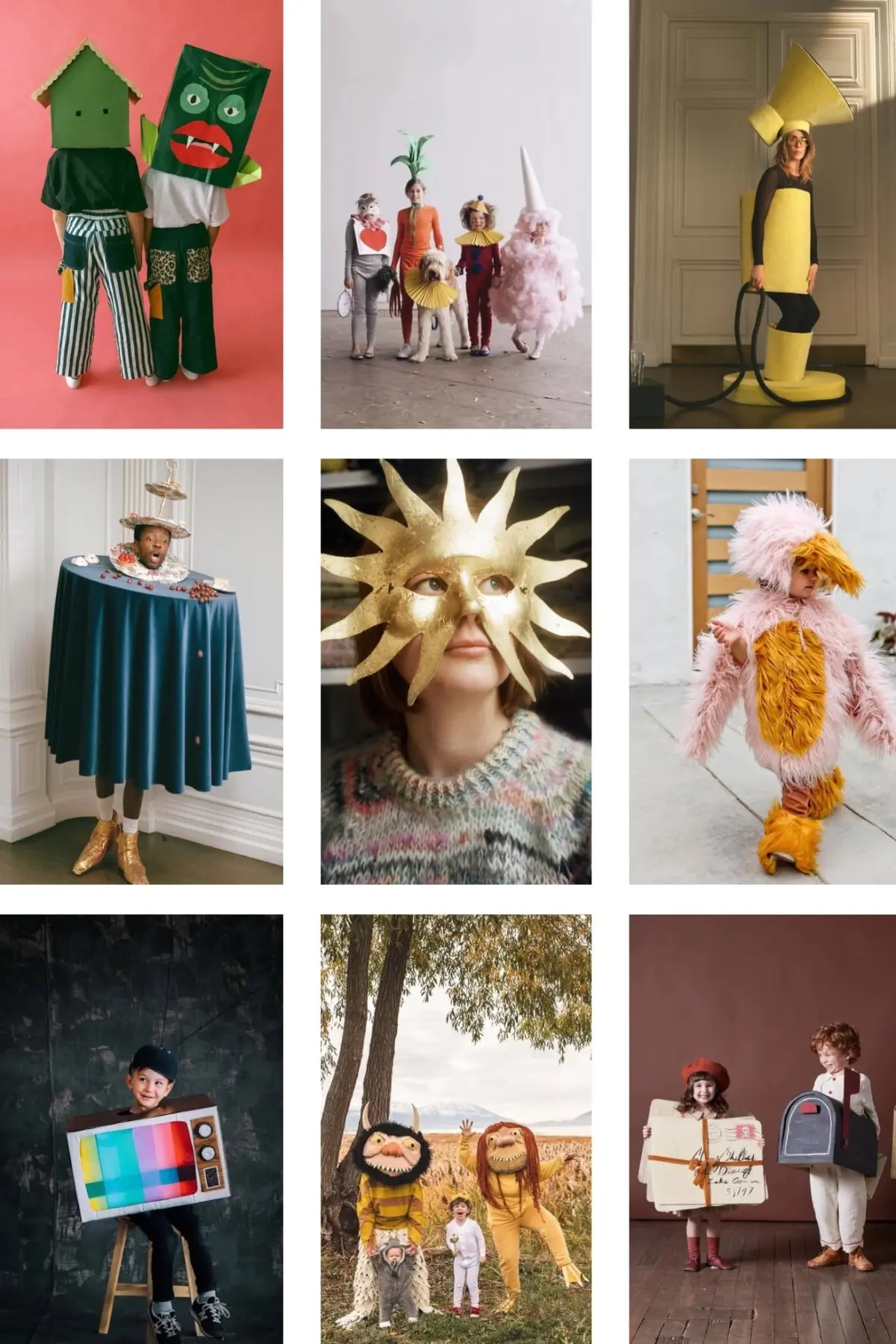

The appeal of DIY Halloween costumes lies heavily in their nostalgic charm and the creative freedom they afford participants. For many adults, the process of conceptualizing and constructing a get-up provides a welcome artistic outlet. While a significant portion of the newly spotlighted concepts focuses on adult wearers, equal attention has been given to younger children and infants, acknowledging that the October holiday is fundamentally a celebration centered around the youngest members of the family. From minimalist accessories to complex, structural masterworks crafted from everyday materials, this year’s creative landscape offers something for every skill level.
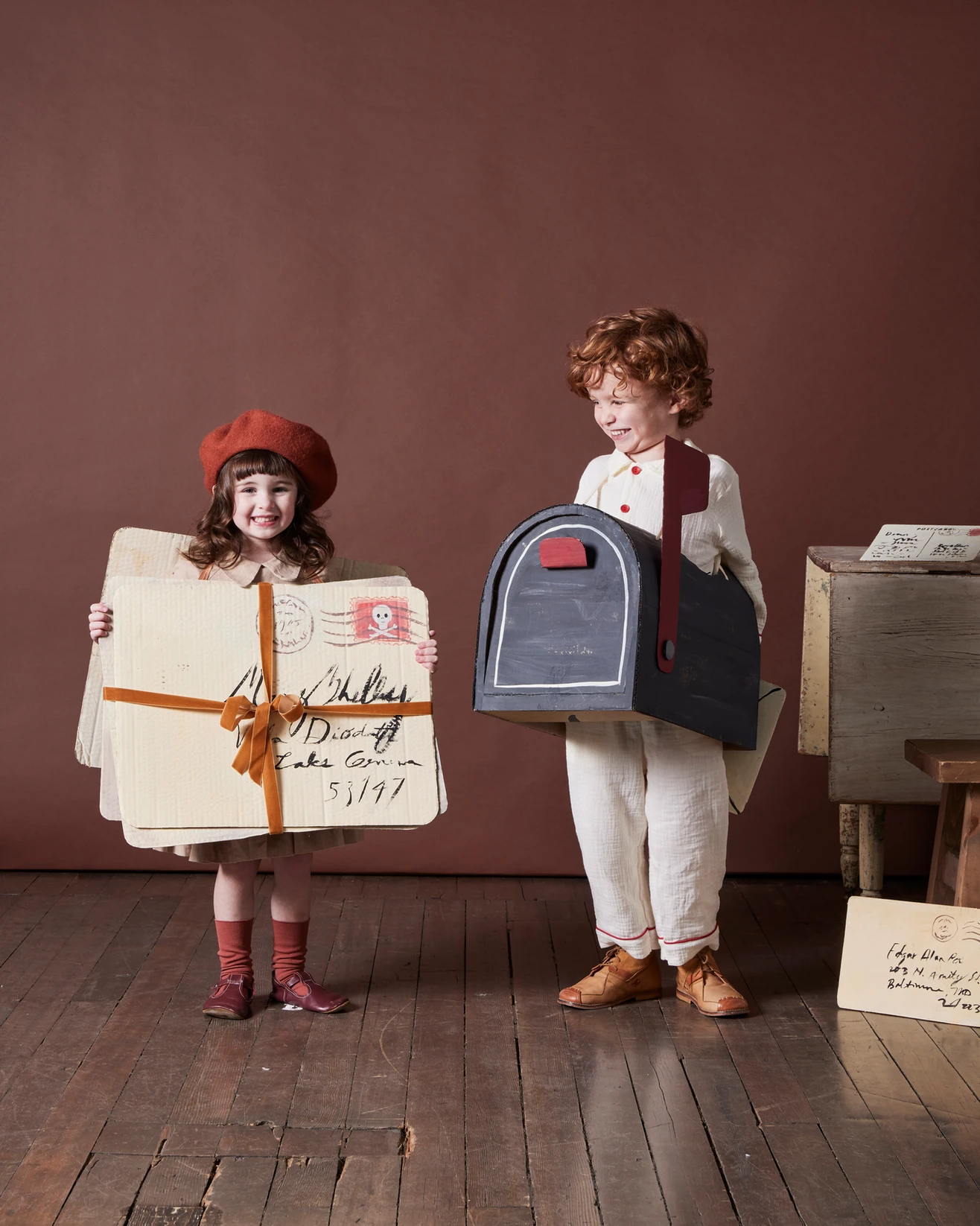
Among the standout concepts capturing attention this season are whimsical children’s designs that balance simplicity with clever execution. Prominent creative platforms, such as Hello Wonderful, have introduced charming homemade ideas, ranging from minimalist character concepts to intricate, fluffy cotton candy costumes that bring texture and playfulness to trick-or-treating. Similarly, classic concepts reimagined through inventive crafting techniques continue to resonate with families looking for cohesive group or sibling outfits. Designers like Merrilee Liddiard have popularized clever pairings, such as coordinated mailbox and letter ensembles, offering an engaging narrative approach to group dressing.

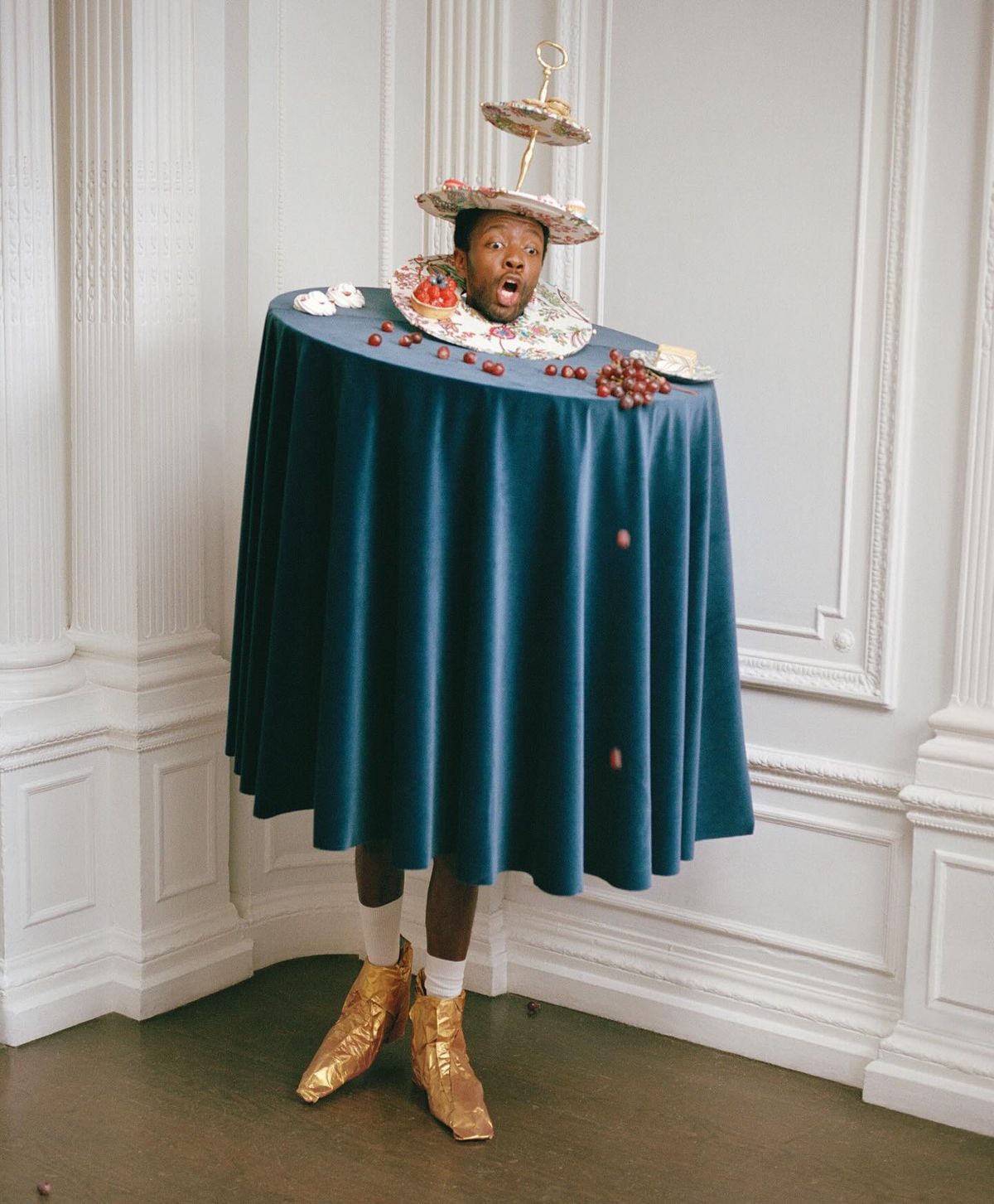
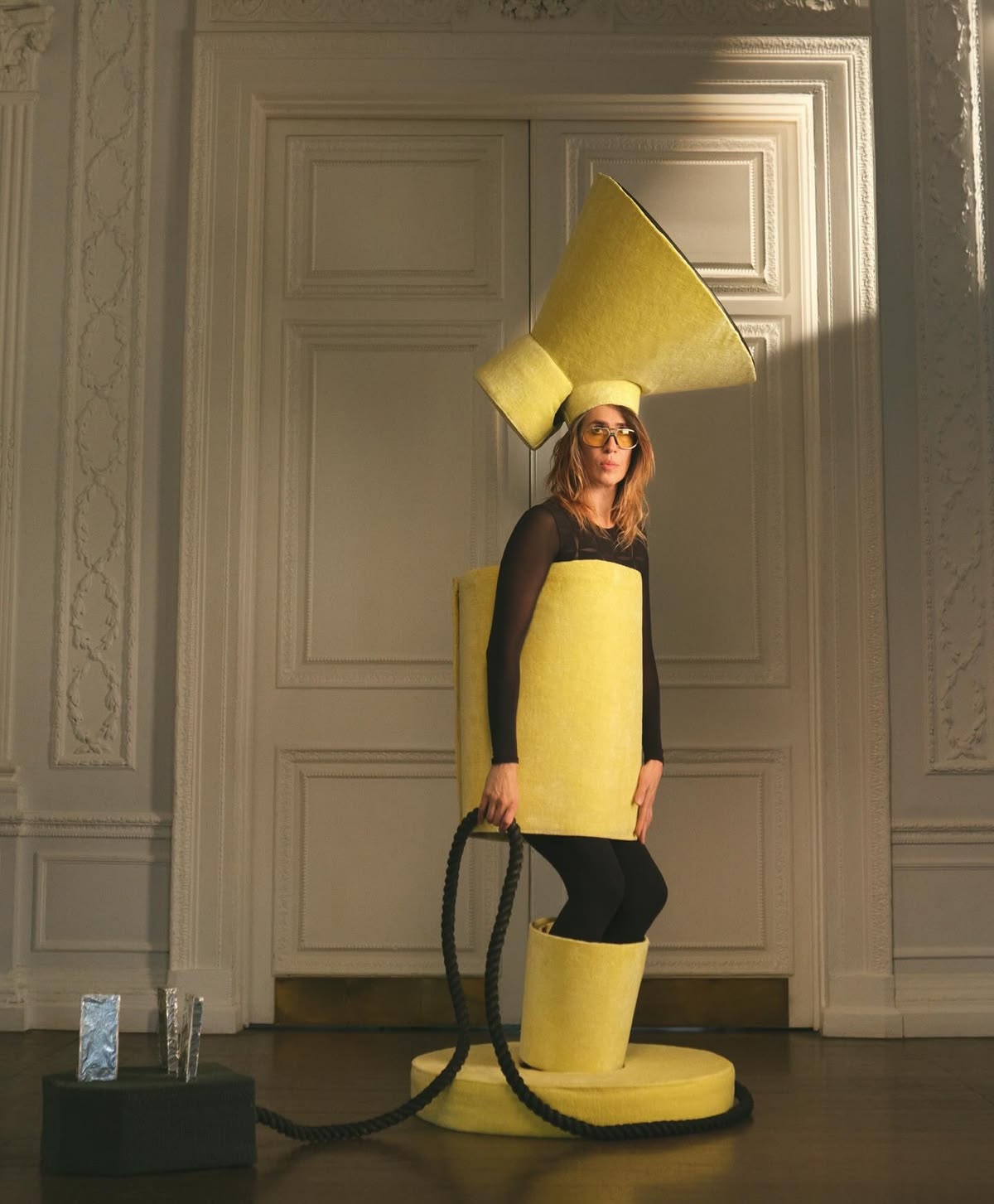
Cardboard and recycled materials remain a cornerstone of budget-friendly costume engineering, proving that high-impact visual design does not require an expensive trip to a specialty store. Notable examples include wearable retro television sets featured by Oh Happy Day, which transform simple shipping boxes into nostalgic pop-culture artifacts with just a few additional craft supplies. Other creators have looked to unexpected sources, such as home decor publications and sustainable fashion patterns. A recent editorial feature by The World of Interiors inspired several architectural and interior-themed costumes, including a striking table lamp design modeled by Alice Inggs and a vintage table costume inspired by the 1980s book Jane Asher’s Fancy Dress, originally modeled by Omari Douglas. These avant-garde fashion statements demonstrate how interior design aesthetics can successfully cross over into wearable art.
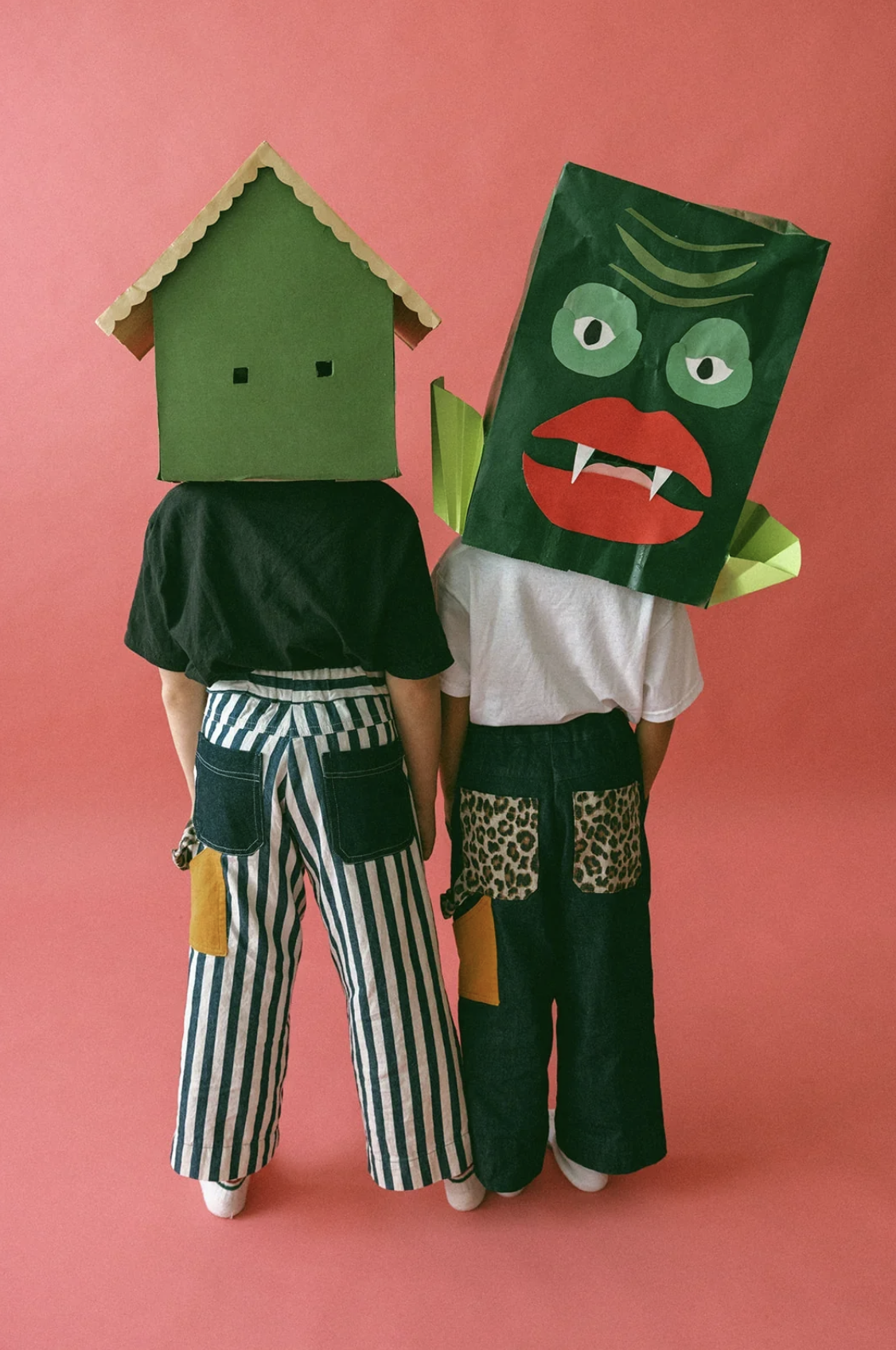
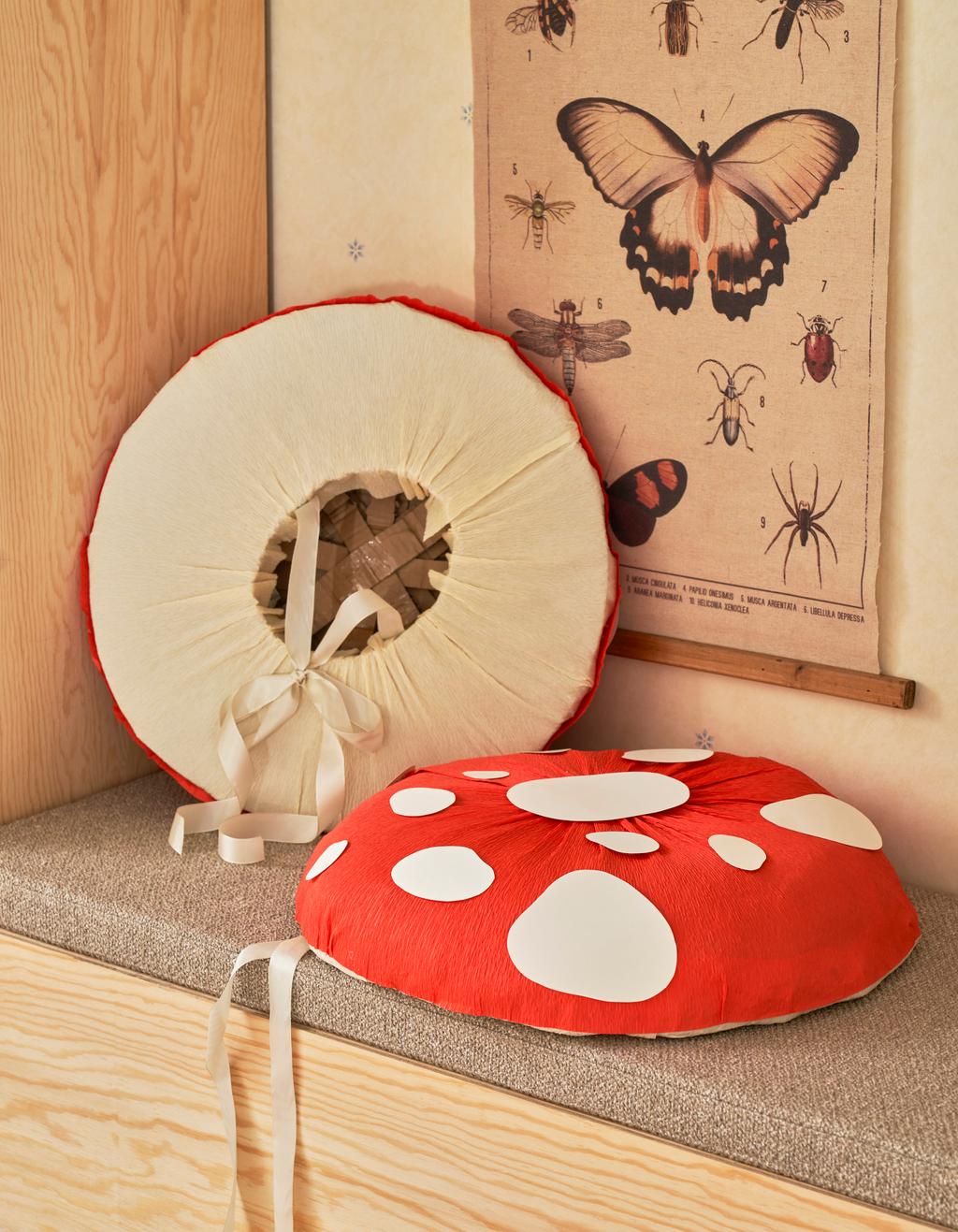
Cardboard and paper have also proven invaluable for sculptural costume elements, such as the recycled cardboard mushroom hats showcased by Sostrene Grene, and elaborate paper crane costumes popularized by The House that Lars Built. For families seeking immersive storytelling themes, elaborate group interpretations of literary classics, such as family-wide adaptations of Maurice Sendak’s Where the Wild Things Are, offer a breathtaking display of dedication and artisanal craftsmanship. Meanwhile, simpler constructions like wearable cardboard cars, originally built for themed birthday parties, easily double as high-end transportive costumes for young children.
Parents and last-minute crafters are also finding inspiration in low-stress, high-impact accessories that require minimal construction time. Delicate handmade options, such as gold leaf sunshine masks by detokay, provide an elegant and effortless solution for partygoers who want a festive look without undertaking a full-body project. Infant and toddler costumes similarly emphasize comfort and charm, featuring designs like plush baby mice, soft-collared clowns adorned with handmade pom-poms, and cozy lunar-themed outfits that can be easily modified for various age groups.
The broader maker community continues to serve as an endless well of inspiration for holiday attire. Longtime DIY advocates, including Kelly from Studio DIY, regularly publish expansive libraries of clever, brightly colored concepts that encourage makers to push the boundaries of conventional costume design. Collaborative efforts between creators and publications—such as the whimsical paper bird costume developed for Curbly—underscore the collaborative and resourceful spirit that defines the modern DIY movement.
Whether participants are opting for intricate, multi-layered wearable sculptures like a vintage carousel costume from The Merrythought, a playful sardine can ensemble from Oh Happy Day, or iconic pop-culture figures like a Grand Budapest Hotel couples costume from Sugar & Cloth, the underlying message remains consistent. The tradition of creating one’s own Halloween attire continues to foster a deep sense of personal accomplishment, community sharing, and timeless holiday fun. Additional resources and alternative costume roundups remain widely available across independent lifestyle blogs and creator portfolios for those seeking further direction ahead of the October festivities.