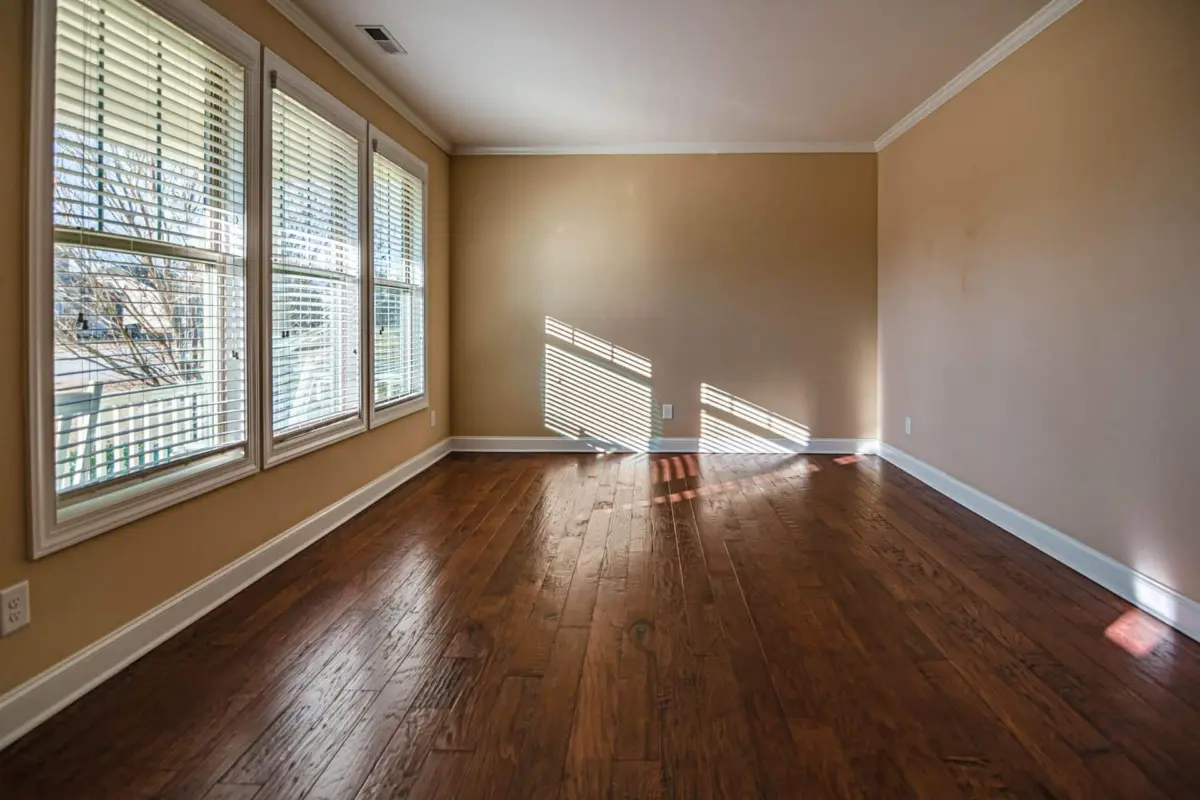
Upon arrival, Mia settled into a sparsely furnished apartment chosen for a simple transition, blending her minimal belongings with the stock furniture. Living in a spare environment has offered fresh perspective on the psychology of clutter and minimalism, echoing lessons she previously gathered from navigating overstuffed spaces. Three weeks into her temporary stay, the experiment has yielded surprising clarity, touching on everything from consumer habits and domestic decor to the subtle creep of household clutter.
1. Use It Up
Part of the standard furnished-apartment experience involves encountering hotel-sized portions of everyday items. Although Mia brought her own toiletries and cleaning supplies, the rental units came stocked with minor extras. In the past, she admits, a hoarding mentality might have taken over—the urge to save tiny, suboptimal items for a hypothetical future moment when miniature products might be needed.
This time, however, she adopted a radically different approach: she simply used them up. Recognizing that these items represented the lowest tier of quality and would never genuinely enrich her life, she resolved to consume them immediately. By using them up first, tossing the empty containers, and moving on, she successfully reduced the physical and mental real estate occupied by unnecessary objects. The experience has made her a stronger proponent of proactive decluttering than ever before.
2. Functional Decor
As a self-described homebody, adapting to unfamiliar surroundings and living away from her established possessions proved to be a psychological adjustment. To combat the sterility of the temporary space, Mia displayed the few personal items she brought along, such as draping a colorful throw blanket over the couch instead of folding it away out of sight.
Books were propped on surfaces throughout the apartment rather than stacked on a bedside table, and any memento with a cozy aesthetic found a home in plain view. While such a strategy might easily cross the line into visual clutter in a heavily furnished home, working with only a handful of items allowed the space to feel remarkably warm. Styling with functional items enables them to serve a dual purpose, making an unfamiliar environment feel like home without generating useless mess.
3. The Spoon Dilemma
An unexpected birthday gift from a visiting friend highlighted another aspect of sensory-friendly living. Dealing with sensory sensitivities, Mia harbors a strong aversion to the sound and feel of clinking silverware, an experience that routinely triggers nausea. On her first day in the apartment, she resorted to saving plastic cutlery from takeout meals to avoid using the metal utensils provided by the landlord.
The problem was elegantly solved when a friend gifted her a small wooden spoon during a birthday visit. Now, the wooden spoon and a pair of chopsticks constitute her entire functional kitchen utensil inventory, leaving the rest of the drawer completely unused. The situation underscored a broader minimalist philosophy: having a single item that serves its purpose perfectly, particularly one that brings genuine joy, is far superior to maintaining a drawer full of mediocre alternatives.
4. Navigating Alone Time and Productivity
One of the most drastic shifts in Mia’s temporary lifestyle is the dramatic reduction of her social calendar. While she has a few acquaintances nearby, her social life bears little resemblance to the bustling network she left behind. Although initially a disappointment given her deep affection for her friends, the solitude has proven profoundly energizing.
Balancing a natural desire to be surrounded by loved ones with a personal need for quiet reflection represents a classic human contradiction. Yet, with a freed-up schedule and a low-maintenance living space, daily life has transformed into a streamlined routine. She wakes up and walks to the gym for effortless workouts, maintains a spotless apartment, and dedicates significantly more time to cooking healthy meals.
The quiet environment has also allowed her to catch up significantly on professional obligations, particularly following her acquisition of a business a few months prior. With restored spare time and mental bandwidth, she has finally found the capacity to resume writing. Although she intends to reintegrate social activities—such as hosting game nights with friends back home and picking up fight training now that her energy has returned—the period of prolonged solitude has provided an unexpected boost to her overall productivity.
5. The Rapid Accumulation of Clutter
Despite arriving with almost nothing, Mia noted that the threat of clutter emerged remarkably fast. Within three weeks of her arrival, birthday gifts began taking up physical space, leaving items like a small trampoline positioned nearby while she types. A kitchen cabinet quickly filled with plastic food storage containers saved from meals.
The observation highlights a broader systemic reality regarding the natural flow of household items, particularly within the United States, where goods constantly stream into the home. Without a deliberate, ongoing effort to establish a flow back out, belongings inevitably pile up indefinitely. Consequently, she has resumed her regular passive decluttering strategies to stay ahead of the accumulation.
Assessing the Results of the Health Experiment
Regarding the central question of the relocation experiment, the results so far have been encouraging. The change of environment is actively helping, marking the first genuine improvement in her health that she has witnessed in years.
At the same time, the realization carries complicated implications, given that her primary life and permanent residence remain elsewhere. Navigating those complex conclusions is a challenge she plans to tackle utilizing the mental space gained during her time away. Meanwhile, preparations continue for upcoming community initiatives, including the scheduled Holiday Decluttering Challenge.