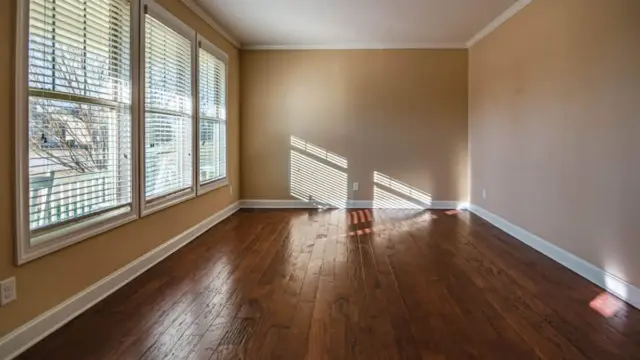
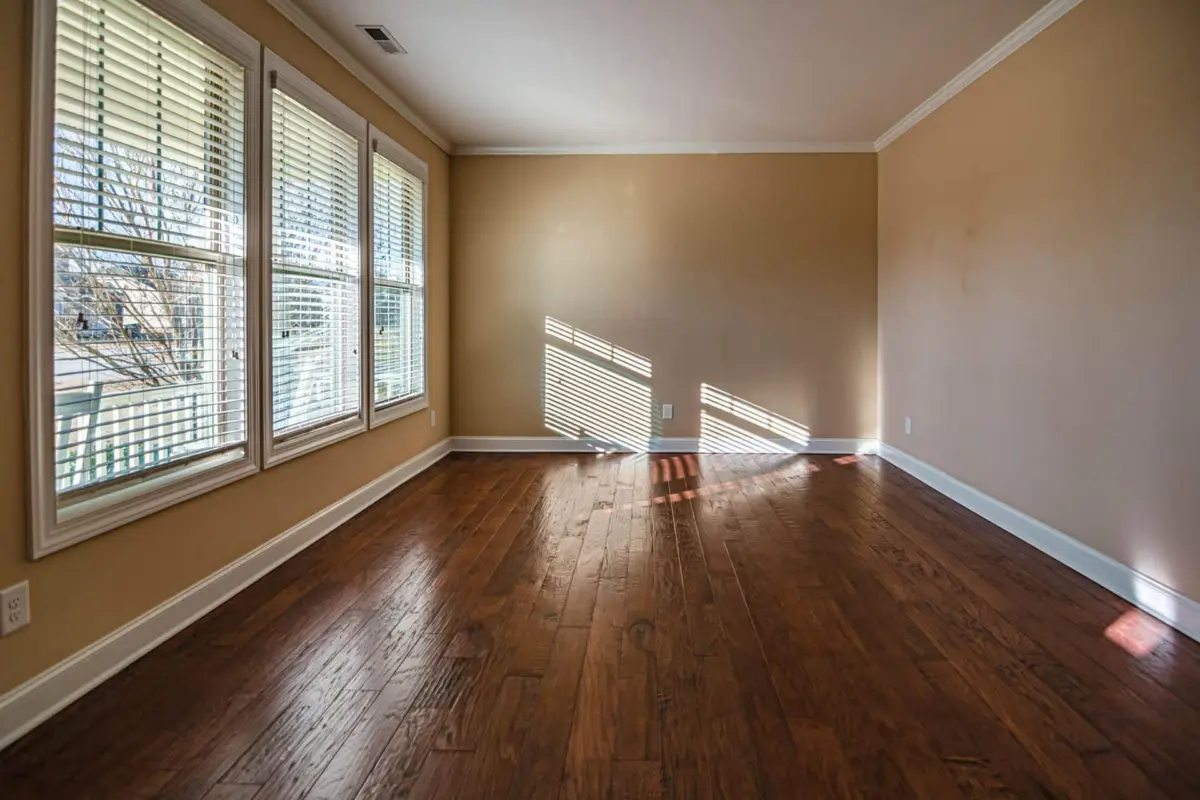
Upon arrival at her temporary residence—a sparsely furnished apartment rented to ensure a simple transition—she settled her belongings among the minimal stock furniture. Living in a spare space has since offered her a fresh perspective on clutter and minimalism, echoing lessons she previously learned from navigating the opposite environment of a cluttered home.
The primary realization came in the form of everyday consumables. Part of the furnished apartment experience typically involves leaving behind hotel-sized portions of everyday items. Because she had already brought her own toiletries and cleaning supplies, these hotel-sized provisions were entirely extra. In the past, she admitted, she would have fallen victim to a hoarding mentality, saving tiny containers for some hypothetical future moment of need. This time, however, she deliberately chose to use them up. Recognizing that these products were often the lowest quality versions available and would never truly enrich her life, she utilized them first, discarded the empty containers, and liberated valuable real estate in both her physical space and her mental focus. This experience has left her a much firmer proponent of deliberate consumption and purposeful decluttering than ever before.
As a self-described homebody, adapting to life away from her familiar surroundings and belongings presented a unique psychological hurdle. To combat this, she utilized a strategy of functional decor. Rather than folding away her belongings or tucking them into drawers, she integrated her few personal mementos directly into the environment. She draped her colorful throw blanket over the couch and propped her books throughout the apartment instead of stacking them away on a bedside table. While such an approach might easily veer into clutter for someone with an abundance of possessions, limiting it to a few cherished items successfully injected warmth and familiarity into the stark rental space, allowing everyday objects to serve a double purpose without adding useless mess.
Personal comfort also forced a re-evaluation of basic tools, most notably evidenced by a recent birthday gift from a visiting friend: a small wooden spoon. Managing sensory issues that make the clinking sound of traditional silverware intensely nauseating, Mia had resorted to saving plastic cutlery from takeout meals during her first days in the apartment to avoid using the metal utensils provided by the landlord. The introduction of the wooden spoon, which she now uses exclusively alongside a pair of chopsticks, rendered the remainder of the apartment’s utensil drawer entirely obsolete. The experience reinforced the principle that owning a single item perfectly suited to its purpose—especially one carrying sentimental value—brings far more utility and joy than maintaining a drawer full of mediocre alternatives.
Beyond physical surroundings, the relocation dramatically altered Mia’s social landscape. Her current social calendar is remarkably sparse compared to her bustling life back home. While she deeply loves her friends and views the distance with some melancholy, the shift has proven profoundly energizing. Balancing the human contradiction of craving constant community with a biological need for solitude, she found that a freed-up schedule and a low-maintenance living space dramatically simplified her daily routine.
With virtually no domestic friction, her mornings now consist of an effortless walk to the gym for workouts, followed by a spotless apartment and significantly more time dedicated to preparing healthy meals. Furthermore, having recently acquired a business, she found herself sufficiently ahead on professional responsibilities to regain the mental space necessary for creative writing. While she intends to eventually reintroduce social activities—such as hosting game nights with friends from back home and picking up fight training now that her energy has returned—she noted that intentional solitude has driven significant personal productivity.
Yet, the experiment also highlighted how quickly accumulation occurs even in the most disciplined environments. Just three weeks into her stay, the subtle threat of clutter has begun to materialize. Following her birthday, new gifts—including a small trampoline sitting beside her desk—have rapidly claimed floor space. Similarly, a kitchen cabinet quickly filled with plastic food storage containers saved over a short period. Observing how naturally items flow into a home within the modern American lifestyle, she emphasized the necessity of creating an intentional flow back out to prevent permanent accumulation. Consequently, she has recommitted to her established passive decluttering strategies to stay ahead of the curve.
As for the core question of whether the experiment achieved its medical objective, the initial results are promising. Mia reports that the relocation is indeed helping her health—marking the first genuine improvement she has observed in years. At the same time, the realization presents a complicated reality, as it confirms that her primary residence remains tied to her physical distress. It is a complex problem that she now has the mental space to address. For now, she plans to maintain her temporary routine, continue preparing for upcoming community projects like a holiday decluttering challenge, and evaluate her next long-term steps.