A few weeks ago, writer and business owner Mia packed her compact Prius with daily essentials, work equipment, and a small selection of personal belongings, embarking on a nineteen-hour drive that would temporarily relocate her life. The cross-country move was not born out of a desire for a vacation or a change of scenery, but rather as a diagnostic experiment. Suspecting that her long-term, pervasive health issues might be tied directly to her primary residence, she decided to live elsewhere for three months to test her hypothesis before committing to any permanent or drastic lifestyle changes.
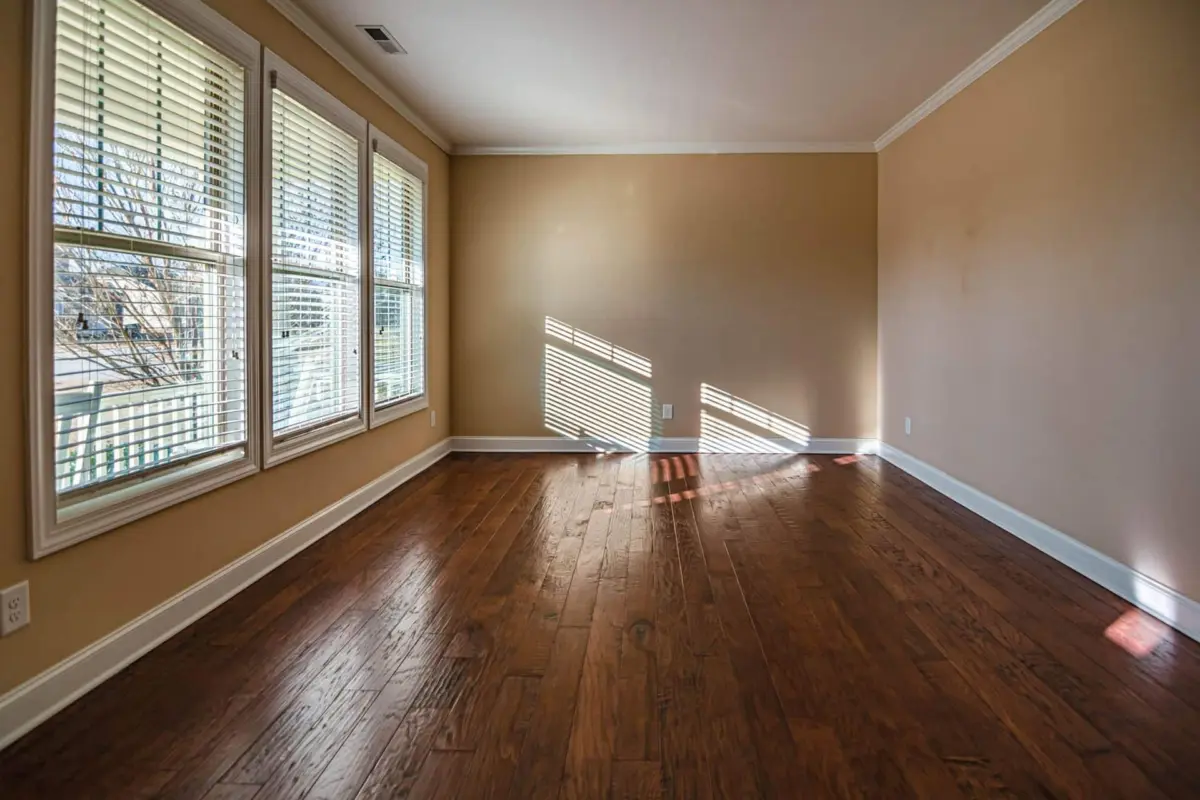
Arriving at her destination, she settled into a sparsely furnished rental apartment designed to make her transition as simple as possible. Integrating her minimal belongings into the stock furniture of the temporary space, Mia found herself inadvertently participating in a masterclass on clutter, consumption, and the psychology of living with very little—an experience that has yielded profound insights into her daily habits and overall well-being.
1. Use It Up
Part of the standard furnished-apartment experience involves inheriting hotel-sized portions of everyday products. Although Mia had brought her own toiletries and cleaning supplies from home, these complimentary items sat in the bathroom and kitchen as redundant extras.
In the past, she admits, her mindset had leaned heavily toward hoarding—a reflexive urge to save tiny, inconsequential items for some hypothetical future scenario where a miniature bottle of shampoo or a travel-sized soap might suddenly become essential. However, faced with a temporary living arrangement and a desire for simplicity, she decided on a different approach: she simply used them up.
Recognizing that these products were often the lowest quality versions of everyday items, she realized that saving them would do nothing to enrich her life. She had no genuine enthusiasm for using them later. By deliberately consuming them first and immediately discarding the empty containers, she cleared physical and mental real estate. The experience transformed her perspective on minor possessions, cementing a philosophy of "use it up decluttering" that she now champions more strongly than ever.
2. Functional Decor
As a self-described homebody, adapting to an unfamiliar space far away from her permanent residence and personal belongings proved to be a psychological challenge. To combat the sterility of the bare-bones apartment, she utilized the few personal mementos she had brought along, refusing to tuck them away out of sight. Instead of folding her colorful throw blanket and putting it away in a closet, she draped it over the couch. Instead of stacking her books tightly on a bedside table, she propped them up openly throughout the rooms.
Anything that looked inherently homey and comfortable was given a visible spot in the apartment. While individuals accustomed to accumulating vast amounts of possessions might view this strategy as a recipe for visual clutter, the scarcity of items worked to her advantage. By displaying only a curated selection of meaningful belongings, she managed to warm up the stark rental space without introducing useless clutter.
Styling an interior with functional, everyday items allows those objects to serve a dual purpose, making an unfamiliar environment feel like home without contributing to the permanent accumulation of excess.
3. This Spoon
The delicate balance of her minimalist routine was highlighted last week when a friend visited to celebrate her birthday and presented her with a small wooden spoon.
Dealing with sensory issues that make the sound of clinking metal silverware a trigger for nausea, Mia had resorted to saving plastic cutlery from takeout orders during her first days in the apartment to avoid using the metal utensils provided by the landlord. The gifted wooden spoon offered an immediate solution. Perfectly sized and deeply personal, the item serves as a constant reminder of her friend whenever she prepares a meal.
Having adopted the wooden spoon alongside a simple pair of chopsticks as her exclusive eating utensils, the remainder of the apartment’s silverware drawer became entirely redundant. The experience underscored a broader minimalist principle: owning a single item that serves its purpose perfectly—especially one that brings genuine joy—is far superior to maintaining a drawer full of mediocre alternatives that go largely unused.
4. Alone Time
Another notable feature of her temporary relocation is the dramatic contraction of her social calendar. While she has a few acquaintances living nearby, her local network is a fraction of what it is back home.
Initially, the relative isolation felt like a drawback, given her deep affection for her friends. Yet, the quiet has proven to be remarkably energizing. Recognizing her tendency to thrive in solitude despite her conscious desire to remain constantly surrounded by loved ones, she acknowledges this internal contradiction as a fundamental part of the human experience.
With her social schedule cleared and her living space requiring minimal maintenance, daily life has assumed a striking ease. She wakes up every morning and walks to a nearby gym to complete her workouts effortlessly. Her temporary apartment remains impeccably clean, and she finds herself dedicating significantly more time to cooking nutritious, healthy meals.
Furthermore, she has made substantial headway on her professional responsibilities. Having acquired a business a few months prior—explaining her previous quiet period—she suddenly finds herself with the spare time and mental space required to write and reflect. While she plans to reintroduce social activities and hobbies into her routine as she settles in further, including game nights with friends back home and picking up fight training now that her energy levels have rebounded, the forced solitude has proven vital to her productivity.
5. Clutter Comes Fast
Despite the intentional minimalism of her current lifestyle, just three weeks into the experiment, Mia can already sense the subtle, creeping threat of accumulation.
Her recent birthday brought new gifts into the apartment, items that genuinely bring her happiness but nevertheless demand physical space. At the time of writing, a small trampoline sits directly beside her as she types. Similarly, despite driving to the location with virtually nothing, a single kitchen cabinet has already filled with plastic containers saved for food storage.
This rapid influx highlights a broader cultural reality regarding domestic spaces, particularly in the United States, where the natural momentum of consumer goods is directed firmly inward. Without conscious effort and a counter-flow of items leaving the home, possessions inevitably pile up. To combat this phenomenon, she has returned to her established decluttering practices, utilizing passive maintenance strategies to keep the accumulation at bay before it becomes an overwhelming problem.
Assessing the Results
For those following her relocation experiment, the initial results offer a promising development. The significant improvement in her health marks the first genuine progress she has seen in years.
At the same time, the realization that her primary residence may be the root cause of her chronic health issues presents a complex personal challenge. Confronting the implications of these findings will require the very mental space and clarity she has cultivated during her time away. For now, the experiment continues as she balances her professional obligations, health recovery, and the ongoing challenge of maintaining a clutter-free life.