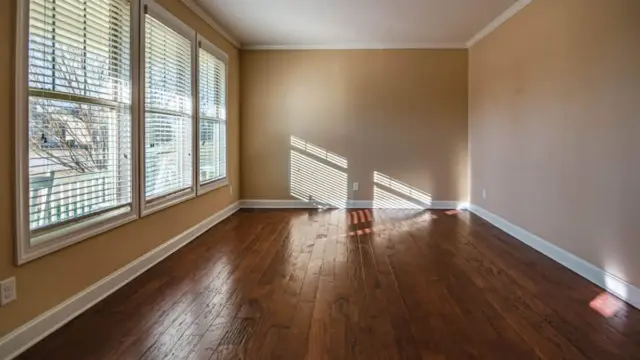

Upon arriving at her destination, she settled into a bare-bonedly furnished apartment designed to make the temporary transition as simple as possible. Spending an afternoon distributing her minimal personal belongings among the sparse stock furniture provided an unexpected lesson in spatial awareness. Living in a spare, uncluttered space quickly offered fresh perspectives on modern consumer habits, mirroring some of the realizations she had previously encountered while navigating cluttered environments.
1. Use It Up
One of the defining characteristics of staying in a furnished corporate-style apartment is the abundance of hotel-sized complimentary toiletries and everyday utility items left behind for guests. Because Mia had already packed her preferred personal hygiene and cleaning products, these miniature provisions represented pure surplus.
Under normal circumstances, such items might trigger a hoarding mentality—the reflexive urge to stash away tiny conveniences for some hypothetical future scenario where miniature packaging might prove useful. However, faced with a temporary living arrangement, she decided on a different approach: using them up immediately.
Because these items represented the lowest tier of everyday consumer goods, saving them offered no genuine enrichment. Retaining them meant allowing subpar products to occupy physical real estate and mental bandwidth. By consuming them first and immediately discarding the empty containers, she cleared both physical and psychological clutter, reinforcing a minimalist philosophy centered on active consumption rather than passive accumulation.
2. Functional Decor
As a self-described homebody, adapting to an unfamiliar living space while separated from her familiar possessions proved to be a psychological challenge. To bridge the gap between an austere rental and a welcoming home, she integrated the few personal mementos she had brought along directly into the apartment’s daily utility. Instead of folding away her colorful throw blanket, she draped it casually over the couch. Rather than stacking her books neatly out of sight on a bedside table, she propped them across various surfaces throughout the living area.
Any item possessing even a modest degree of warmth or visual comfort earned a visible spot rather than being relegated to a drawer. In a crowded environment, such styling might easily tip into visual clutter. However, when working with a strictly limited inventory of personal belongings, allowing items to remain visible serves to humanize an otherwise sterile room. This approach demonstrates how everyday objects can serve a dual purpose, fulfilling practical needs while simultaneously warming a living space without introducing unnecessary material burden.
3. The Spoon
Personal milestones and friendships often manifest in unexpected ways, particularly within minimalist frameworks. Around the time of her recent birthday, a visiting friend gifted her a small wooden spoon, an object that would quickly become central to her daily routine.
Dealing with sensory issues that make the sharp clinking sound of traditional metal silverware particularly grating and productive of nausea, Mia had initially resorted to saving plastic cutlery from takeout meals during her first days in the apartment to avoid using the provided metal utensils. The arrival of the wooden spoon completely resolved this daily friction.
Now, utilizing this single wooden spoon alongside a pair of chopsticks, the apartment’s entire standard cutlery drawer has effectively been rendered obsolete. The experience underscored a broader minimalist principle: owning a single item that performs its intended function perfectly—while also generating positive emotional associations—proves far more valuable than maintaining an entire drawer filled with redundant or unappealing alternatives.
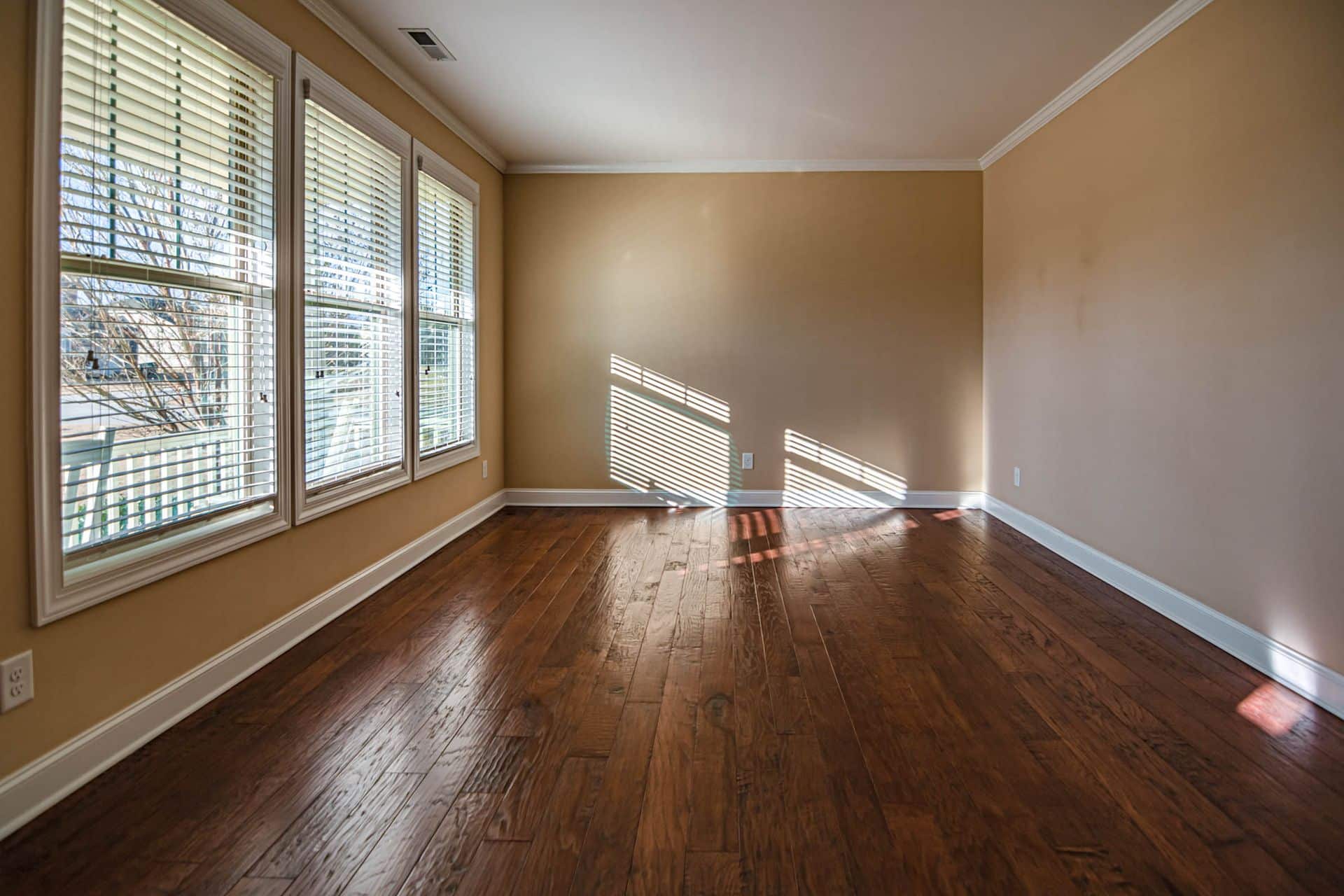
4. Alone Time
The most striking shift during the relocation has been the dramatic contraction of her social calendar. While she has a few acquaintances living nearby, her daily interactions bear little resemblance to the active social life she maintains back home.
While initially presenting as a drawback due to her deep appreciation for her friends, this enforced solitude has yielded a surprisingly high level of personal energy. Navigating the human contradiction of thriving on solitude while simultaneously desiring constant closeness with loved ones, she found that a cleared schedule coupled with an easily manageable living space created an unexpected sense of ease.
Mornings now begin with an effortless walk to a nearby gym for physical workouts. The apartment remains remarkably spotless, freeing up significant time for preparing wholesome meals. Furthermore, having recently acquired a business—a development that kept her occupied and quiet online for months—she has finally accumulated the necessary spare time and mental bandwidth to resume public writing.
While plans are already in place to reintroduce social activities and structured training once fully settled, the period of extended solitude has proven profoundly productive and revitalizing.
5. Clutter Comes Fast
Despite starting with nearly zero possessions, the modern domestic environment revealed its inherent tendency to accumulate goods within a matter of weeks. Having spent only three weeks in the temporary residence, the subtle encroachment of material accumulation was already palpable.
Birthday celebrations brought new gifts into the space—including items as prominent as a small indoor trampoline stationed right beside her desk—while daily life naturally generated auxiliary items, such as a growing collection of saved plastic food storage containers accumulated in the kitchen cabinets. This rapid influx highlights a fundamental structural reality of contemporary consumer society, particularly within the United States: the natural economic and domestic flow of goods is consistently directed inward toward the home.
Without a deliberate, counteracting outflow strategy, physical items inevitably pile up indefinitely. Recognizing this pattern prompted an immediate return to structured decluttering habits, utilizing passive maintenance techniques to prevent accumulation from outpacing available space.
So… Did It Help?
Evaluating the core premise of the relocation experiment yields genuinely encouraging news. The physical symptoms that prompted the cross-country move have shown measurable improvement, marking the first substantial health progress experienced in years.
At the same time, the reality of the situation remains inherently complex, as the underlying medical puzzle is tied directly to the permanent residence left behind. Navigating that challenge will require the renewed mental space and clarity afforded by the current experiment.
For now, the temporary relocation continues as planned, with preparations underway for upcoming seasonal community projects, including the annual holiday decluttering challenge, as life and writing gradually resume from a distance.