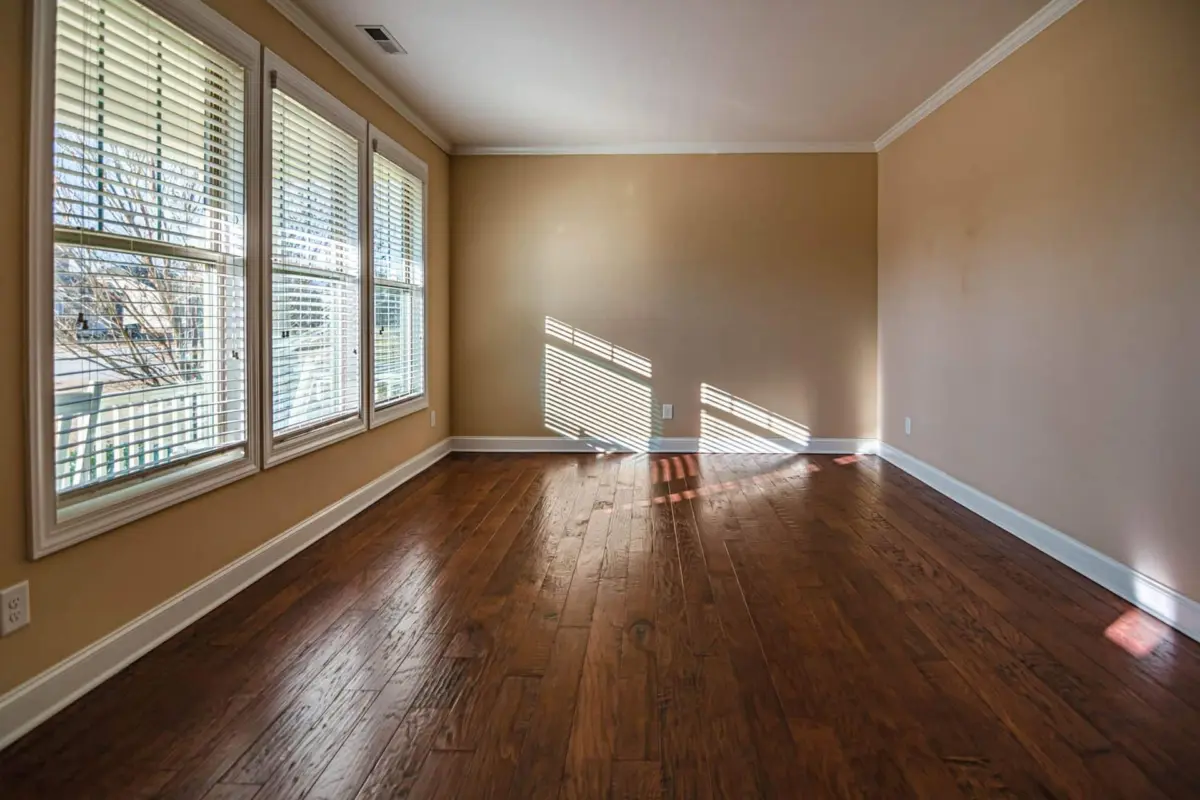
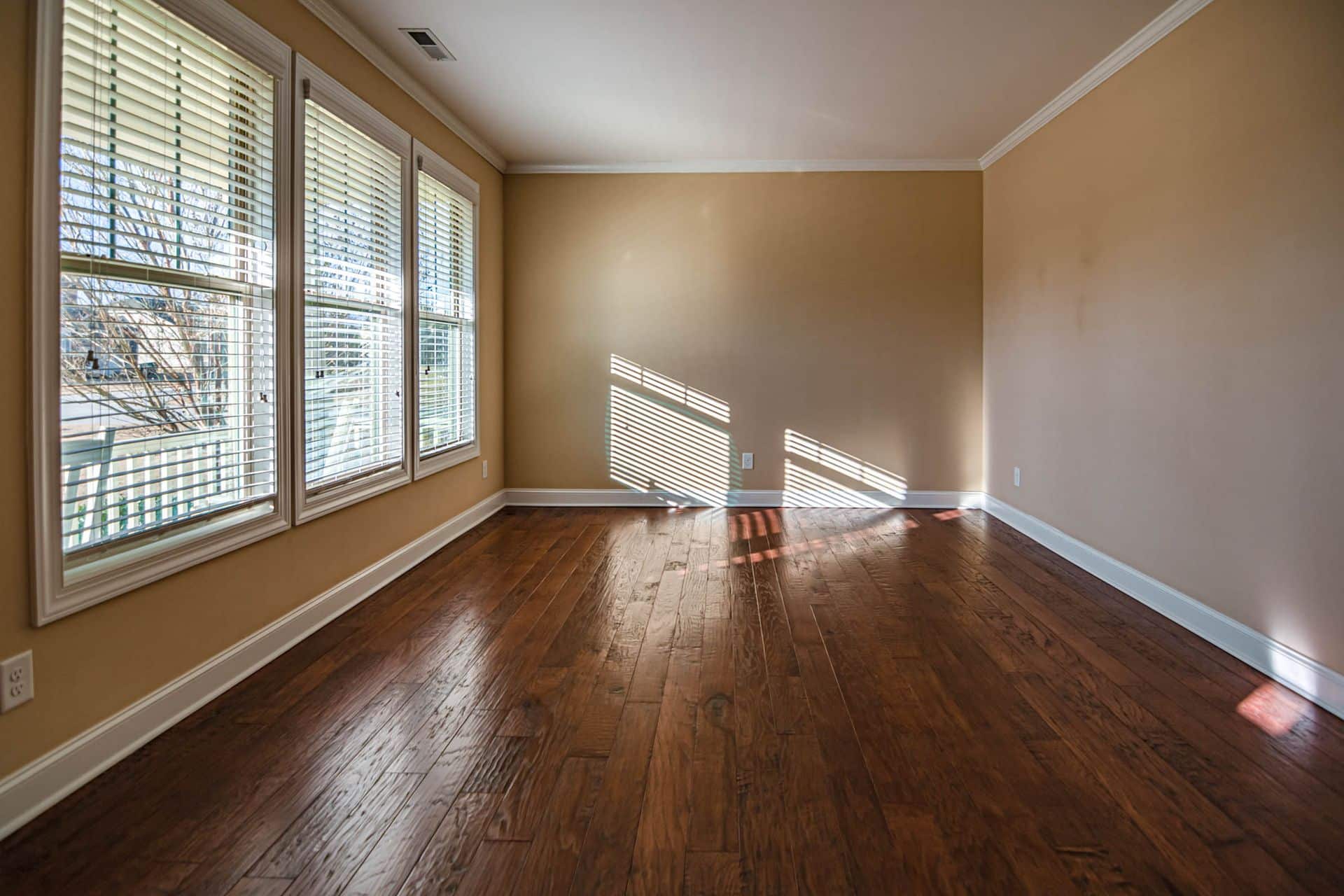
Upon arriving at her destination, she settled into a sparsely furnished apartment designed for a simple, low-impact transition. Surrounded by minimal stock furniture, she spent her first afternoon organizing her belongings into a tiny fraction of the space. Living in such a stripped-down environment quickly offered unexpected insights into the psychological weight of clutter, contrasting sharply with her previous experiences living in fully furnished, highly accumulated spaces.
The move prompted a deep dive into the practical realities of minimalism, revealing several profound lessons about daily habits, material consumption, and personal well-being.
1. Use It Up
Part of the standard furnished apartment experience involves inheriting hotel-sized portions of everyday items, such as miniature toiletries and basic cleaning supplies. Because she had already packed her own preferred supplies, these provided items were entirely redundant. In the past, Mia admits, she might have fallen into a hoarding mentality, saving the tiny containers for some hypothetical future scenario where miniature products might prove useful.
This time, however, she adopted a radically different approach: she simply used them up. Recognizing that these items were often subpar versions of everyday essentials, she realized that saving them would do nothing to enrich her life. By consuming them first and immediately discarding the empty containers, she freed up valuable physical real estate in her temporary home and mental space in her daily routine. The experience turned her into a staunch proponent of "use it up" decluttering, a philosophy emphasizing the deliberate consumption of existing resources rather than storing them indefinitely.
2. Functional Decor
As a self-described homebody, adapting to life away from her permanent house and familiar belongings posed a significant psychological challenge. To combat the sterility of the bare-bones rental, she integrated the few personal items she had brought along directly into her living quarters, rather than hiding them away in drawers or closets.
Instead of folding her colorful throw blanket and storing it out of sight, she draped it across the couch. Instead of stacking her books neatly on a bedside table, she propped them up throughout the apartment wherever they caught the eye. Any item that offered a touch of warmth and hominess was given a visible home. While such an approach might easily cross into visual clutter in a home heavily packed with possessions, with only a small number of mementos, the strategy successfully softened the environment, proving that styling with functional items allows them to serve a dual purpose without adding useless clutter.
3. This Spoon
The importance of intentional possessions was further highlighted by a birthday gift from a visiting friend: a small wooden spoon.
Dealing with sensory issues that make the clinking sound of traditional metal silverware genuinely nauseating, Mia had resorted to saving plastic cutlery from takeout meals during her first days in the apartment to avoid using the rental’s metal utensils. The gift of a perfectly sized wooden spoon provided an immediate, practical solution. Because she now relies exclusively on this wooden spoon and a pair of chopsticks for her meals, the rest of the apartment’s utensil drawer has been rendered entirely obsolete. The experience reinforced a core minimalist principle: having a single item that serves its purpose perfectly, and brings genuine joy in the process, is vastly superior to maintaining a drawer full of mediocre alternatives.
4. Alone Time
Another major shift in the temporary living arrangement involved the dramatic reduction of her social calendar. While she has a few friends living nearby, her current social life bears little resemblance to the bustling community she left behind.
Though initially feeling like a drawback given her deep affection for her friends, the relative isolation has proven remarkably energizing. Acknowledging the human contradiction of thriving on alone time while simultaneously yearning for the constant company of loved ones, she found that a freed-up schedule combined with an easy-to-maintain living space made daily life remarkably frictionless.
Without the usual friction of household chores, she found herself effortlessly waking up each morning to walk to the gym for workouts, keeping her apartment impeccably spotless, and dedicating significantly more time to cooking healthy meals. Furthermore, having bought a business a few months prior, she found herself ahead on professional work, finally granting her the spare time and mental space required to resume writing. Although she intends to reintroduce social activities and hobbies—such as game nights with old friends and returning to fight training now that her energy has returned—the period of extended solitude has proven profoundly productive.
5. Clutter Comes Fast
Despite the intentional minimalism of the experiment, just three weeks into her stay, the subtle and persistent threat of incoming clutter began to manifest.
Following her birthday, new gifts entered the apartment—bringing happiness, but immediately demanding physical space, exemplified by a trampoline currently positioned next to her as she types. Having driven to the location with almost nothing, her kitchen cabinets rapidly filled with plastic containers saved for food storage.
This rapid accumulation highlighted a fundamental truth about modern domestic life: the natural flow of items, particularly in the United States, is strictly unidirectional into the home. Without a deliberate, opposing flow guiding items back out, possessions inevitably pile up indefinitely. To combat this, she quickly re-engaged her regular decluttering practices, utilizing passive techniques that proved remarkably effective when implemented before clutter could spiral out of control.
Evaluating the Experiment
Reflecting on the overarching question of whether the relocation experiment has achieved its goal, the early results are promising. The temporary move has yielded the first genuine, sustained improvement in her health that she has experienced in years.
At the same time, the realization brings a complex set of emotions, given that the underlying solution requires her to live away from her permanent home. For now, she plans to use her newly cleared mental space to process these developments. As she settles further into her routine, she continues to prepare for upcoming community initiatives, including a planned holiday decluttering challenge for her readers.