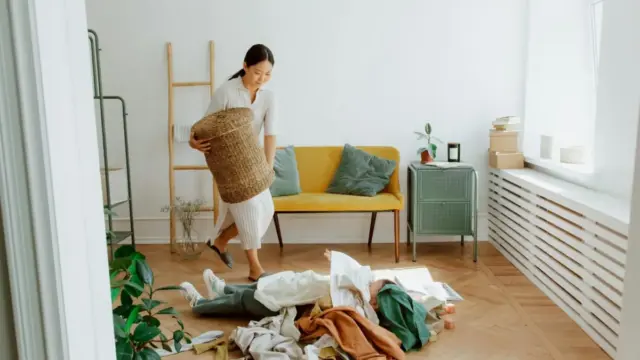
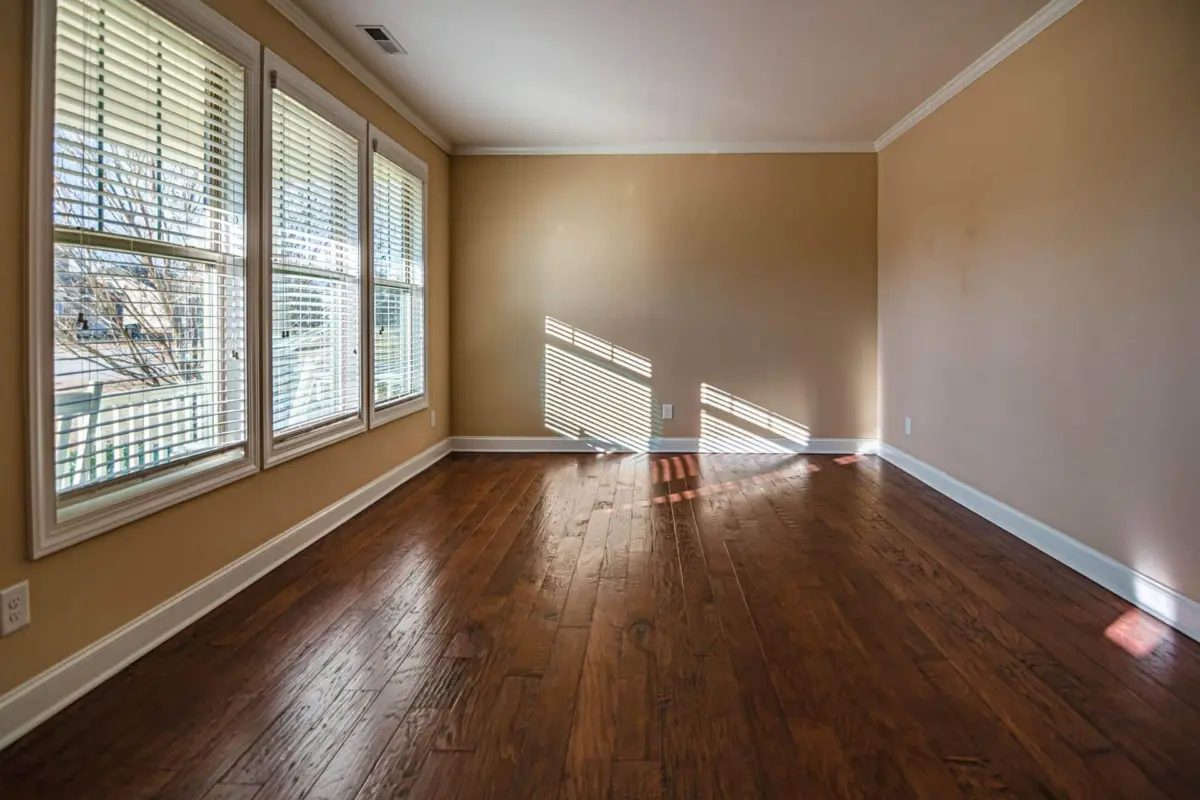
Upon arriving at her destination, Mia settled into a sparsely furnished rental apartment designed to facilitate a seamless transition. With only a modest stock of minimal furniture provided by the landlord, she integrated her meager belongings into the space. Living in such a stripped-down environment has inadvertently transformed into an unexpected masterclass in minimalism and the psychological weight of physical clutter, echoing lessons she previously explored while studying the impacts of over-accumulated living spaces.
1. The Psychology of Using It Up
One of the defining realities of occupying a temporarily furnished rental is the presence of hotel-sized complimentary provisions and basic everyday items left behind by previous occupants. Having traveled with her own toiletries and cleaning supplies, Mia initially viewed these residual items as superfluous extras. In the past, she admits, a lingering hoarding mentality might have prompted her to stash away the tiny, travel-sized containers for a vague, unspecified future moment of need.
This time, however, she chose a radically different approach: she simply used them up. Recognizing that these were often the least desirable versions of everyday commodities, she reasoned that holding onto them would add zero enrichment to her daily life. By consuming the products immediately, discarding the empty containers, and refusing to let them occupy valuable real estate in her apartment—or her mental bandwidth—she experienced firsthand the liberating psychological benefits of intentional consumption. This immersive experience has left her a more ardent proponent of intentional depletion strategies than ever before.
2. Redefining Functional Decor
As a self-described homebody, adapting to unfamiliar surroundings far away from her personal belongings proved to be a psychological challenge. To bridge the gap between a sterile rental and a comforting sanctuary, Mia integrated the few personal artifacts she had brought along directly into her daily routine, rather than hiding them away in drawers or suitcases. She draped a brightly colored throw blanket across the back of the couch instead of folding it neatly out of sight, and propped her favorite books casually throughout the living space rather than stacking them neatly on a bedside table.
While displaying everyday items in an apartment filled with excessive belongings can quickly translate into visual chaos, a minimalist framework allows functional objects to serve a dual purpose. By keeping meaningful mementos visible, she successfully warmed up the austere environment without introducing useless clutter. Styling a living space with items that serve an active, practical purpose bridges the gap between aesthetic comfort and minimalist restraint.
3. The Power of Intentional Utility
The delicate balance of living with fewer possessions was brought into sharp focus following a visit from a close friend who traveled to celebrate Mia’s birthday. Among the gifts she received was a small wooden spoon, an item that would soon take on outsized importance in her daily routine.
Dealing with chronic sensory issues, Mia experiences a strong aversion to the sharp clinking sound of traditional metal silverware, a physical reaction that frequently induces nausea. During her first days in the unfamiliar apartment, she had resorted to saving plastic cutlery from takeout orders to avoid using the metal utensils supplied by the kitchen. The arrival of the wooden spoon provided an immediate, elegant solution.
Now, she relies almost exclusively on that single wooden spoon and a pair of chopsticks, rendering the remainder of the kitchen utensil drawer entirely obsolete. The experience reinforced a core minimalist philosophy: possessing a single item that serves its purpose flawlessly—particularly one that brings genuine joy—infinitely outperforms maintaining an entire drawer filled with subpar alternatives that go largely unused.
4. The Energizing Paradox of Solitude
Beyond physical possessions, Mia’s relocation prompted a drastic downscaling of her social calendar. While she has a few acquaintances living nearby, her current local network bears little resemblance to the bustling community she left behind. Although the sudden drop in social engagement initially felt disheartening given her deep affection for her friends, the shift has yielded a surprisingly energizing routine.
Thriving on solitude while simultaneously craving deep connection with loved ones is a common human contradiction, but the structural freedom has fundamentally transformed her daily life. With her schedule cleared and a simplified living environment that requires minimal upkeep, her day-to-day existence has become remarkably frictionless. Morning gym workouts require no mental negotiation, her temporary apartment remains effortlessly spotless, and she has found significantly more time to prepare wholesome, nourishing meals.
The extra breathing room has also had a profound impact on her professional life. Having acquired a business a few months prior, she had previously found herself overwhelmed and quiet on public platforms. The newfound mental space has allowed her to catch up entirely on professional obligations while finally carving out the clarity needed to document her thoughts. Looking ahead, she plans to reintroduce structured social activities—such as game nights with old friends and a return to physical training now that her energy levels have rebounded—while retaining a deep appreciation for the productivity and restoration found in intentional alone time.
5. The Relentless Flow of Modern Clutter
Despite the deliberate minimalism of her temporary setup, Mia noted the rapid onset of environmental clutter within just three weeks of arrival. The accumulation of birthday gifts, while deeply appreciated, immediately began absorbing physical space, symbolized by a trampoline positioned directly beside her as she writes. Similarly, a kitchen cabinet quickly filled with plastic food storage containers saved from daily routines.
This rapid accumulation highlights a broader systemic reality: the natural, frictionless flow of consumer goods within modern society is strictly directed into the home. Without a conscious, continuous effort to establish a reciprocal flow of items back out into the world, possessions inevitably multiply and congest living spaces. To combat this tide, she has leaned back into passive decluttering strategies, utilizing low-effort organizational habits designed to intercept clutter before it can take root.
Assessing the Results of the Experiment
When evaluating the overarching purpose of her relocation, the results have been encouraging. The temporary move has yielded the first genuine, measurable improvements in her health that she has observed in years. While the positive medical outcome provides long-awaited relief, it introduces a complex personal reality, confirming that her primary home environment likely contributed to her chronic symptoms. With her health trending upward and a newly uncluttered mental landscape, she now has the capacity to address the complicated logistical and personal questions that lie ahead.