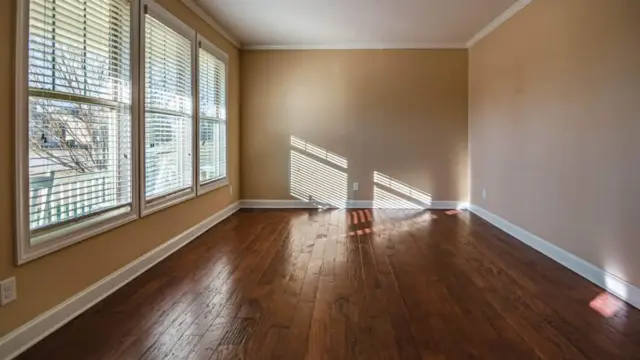

Renting a sparsely furnished apartment designed for the simplest possible transition, Mia spent her first afternoon integrating her minimal belongings into the bare-bones stock furniture provided by the landlord. Living in such a stripped-back, temporary environment has unexpectedly provided profound insights into the psychology of clutter, minimalism, and intentional living.
The primary catalyst for the move remains her health, and early signs offer a glimmer of hope. For the first time in years, Mia reports a noticeable improvement in her well-being—a development that is as encouraging as it is complicated, considering her primary home still sits miles away. Yet, navigating this temporary lifestyle has yielded immediate, practical lessons on how physical spaces dictate mental clarity.
Use It Up
Part of the standard furnished apartment experience involves inheriting hotel-sized portions of everyday conveniences. Having brought her own toiletries and cleaning supplies from home, Mia initially viewed these complimentary hotel-style provisions as redundant extras.
Reflecting on past habits, she acknowledged a tendency toward a hoarding mentality—the instinctive urge to preserve miniature items for hypothetical future emergencies. This time, however, she adopted a radically different approach: she simply used them up.
Recognizing that these products were often subpar versions of daily essentials, she realized that saving them added zero value to her daily life. By consuming them first and immediately discarding the empty containers, she cleared physical real estate in her temporary home and psychological real estate in her mind. The experience has turned her into an even stronger advocate for intentional "use-it-up" decluttering strategies.
Functional Decor
As a self-described homebody, adjusting to an unfamiliar space devoid of her personal belongings proved to be a psychological challenge. To combat the sterility of the rental, she consciously displayed the few personal items she had brought along, draping her brightly colored throw blanket over the couch rather than folding it away out of sight.
Instead of stacking her books neatly out of reach on a bedside table, she propped them casually throughout the apartment. Anything carrying a hint of warmth and familiarity was given a prominent spot in view rather than being relegated to a drawer.
While accumulating too many items in this manner might easily tip into visual clutter, curation of a select few mementos successfully imbued the space with warmth. Styling living areas with genuinely functional items allows them to serve a dual purpose, making an unfamiliar environment feel like home without generating useless waste.
The Value of One Perfect Item
The balance of her temporary kitchenware was dictated by both practicality and personal necessity. Celebrating her birthday recently, a visiting friend gifted her a small wooden spoon that has since become the cornerstone of her minimalist kitchen.
Dealing with sensory issues that make the clinking sound of traditional metal silverware genuinely nauseating—often inducing physical nausea—Mia had initially resorted to saving plastic cutlery from takeout meals during her first days in the apartment. The addition of the perfectly sized wooden spoon offered an immediate remedy.
Now relying exclusively on that single wooden spoon and a pair of chopsticks, the rest of the apartment’s provided utensil drawer remains completely untouched. The experience underscored a broader philosophy: possessing a single item that serves its purpose flawlessly brings infinitely more value than maintaining a drawer full of uninspired alternatives, especially when it carries sentimental joy.
The Energizing Power of Solitude
Beyond physical belongings, Mia’s social calendar underwent an involuntary yet impactful contraction. While she maintains a few local acquaintances, her current circle is a far cry from the bustling community she left behind.
Though she deeply cherishes her friends, the dramatic reduction in social obligations has proved surprisingly energizing. Admitting to a very human contradiction—thriving in solitude despite a natural urge to constantly surround herself with loved ones—she noted how drastically simplified her daily routine has become.
With her schedule wide open and a minimalist living space that requires minimal maintenance, daily logistics have smoothed out entirely. Morning gym workouts happen effortlessly, her temporary apartment remains perpetually spotless, and cooking wholesome, nutritious meals has become a daily centerpiece rather than a chore.
Furthermore, having acquired a business a few months prior, the quiet period has allowed her to catch up significantly on professional obligations. This newfound mental space finally afforded her the bandwidth to sit down and pen her reflections for her readers. While she plans to reintegrate regular social activities—such as game nights with old friends and returning to fight training now that her energy levels have rebounded—the period of intense solitude has proven undeniably productive.
The Rapid Accumulation of Clutter
Despite the minimalist foundation of her temporary setup, the experiment highlighted just how quickly possessions can accumulate. Having resided in the apartment for merely three weeks, she could already sense the creeping threat of household clutter.
Celebrating her birthday during the trip meant welcoming new gifts into the space—items that brought genuine happiness but immediately demanded physical room. Even typing this update required sharing the space with a small trampoline sitting directly beside her.
Arriving with almost nothing, her kitchen cabinets quickly filled with plastic food storage containers saved from daily meals. The natural economic and cultural flow of domestic life, particularly within the United States, inherently pushes items into the home. Without establishing an equally deliberate flow of items back out, belongings inevitably pile up indefinitely.
To combat this, she quickly re-engaged her established passive decluttering practices, utilizing targeted techniques designed to intercept clutter before it becomes an overwhelming burden.
Looking Ahead
As the three-month experiment continues, the preliminary health improvements provide a powerful incentive to evaluate her long-term living arrangements. While the realization that her primary residence may be the source of her chronic health issues introduces complex challenges, the mental clarity gained during her time away provides a solid foundation to address them.
For now, the focus remains on observing her health progress, managing the everyday rhythms of her business, and preparing for upcoming community events, including the planned Holiday Decluttering Challenge. As she settles deeper into her temporary surroundings, the experiment stands as a testament to the profound impact that physical environment, intentional consumption, and unburdened space can have on daily life.