A few weeks ago, writer and business owner Mia packed her compact Prius with daily essentials, work equipment, and a few personal items before embarking on a nineteen-hour drive to a temporary home. The relocation was not driven by wanderlust, but by a pressing health mystery. Suspecting that her permanent residence might be the root cause of persistent, pervasive health issues she has battled for years, Mia launched a high-stakes personal experiment: relocate for three months to see if her symptoms improve before committing to any permanent, major life changes.
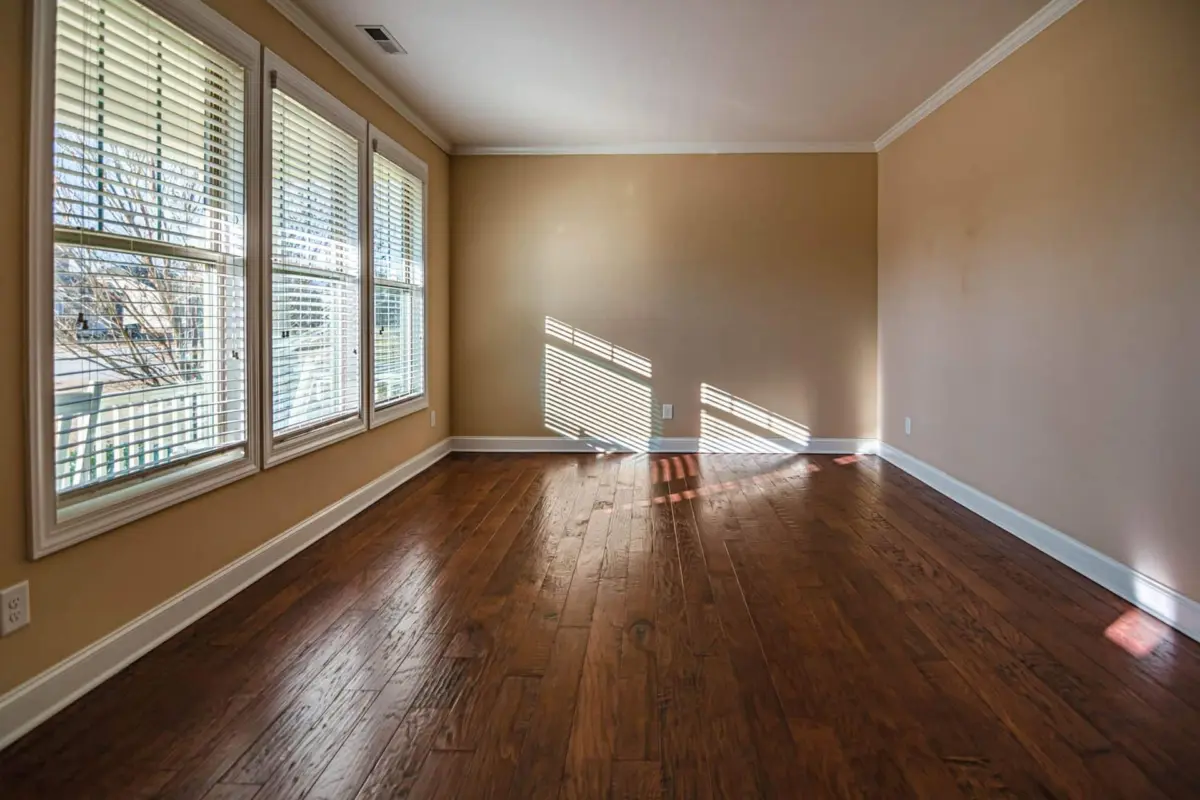
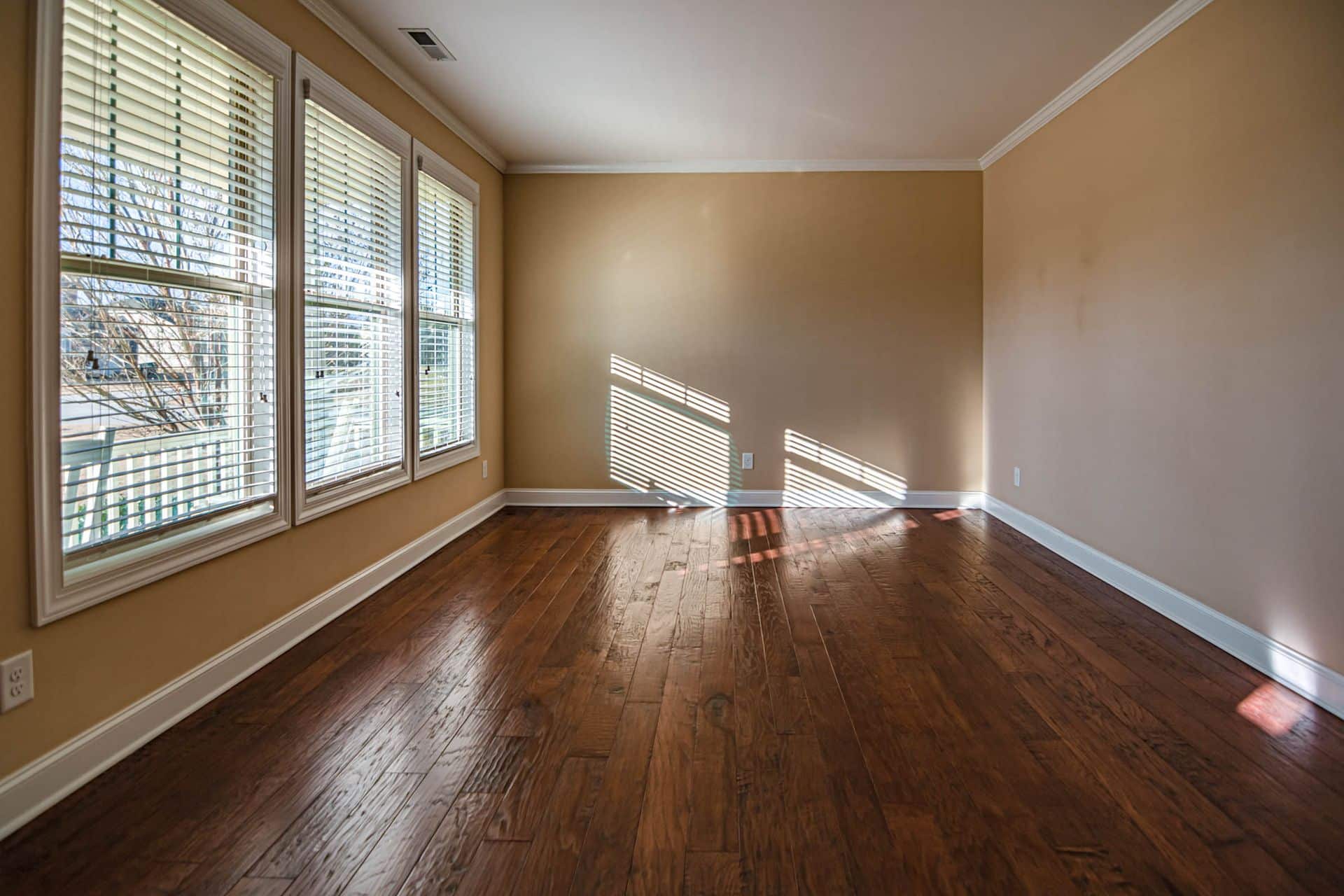
Renting a sparsely furnished apartment designed for the simplest possible transition, she spent her first afternoon distributing her minimal belongings among the sparse stock furniture. Living in a spare environment has unexpectedly offered a masterclass in the psychology of clutter and minimalism—lessons that mirror her previous observations about living in overstuffed spaces, but viewed through an entirely different lens.
1. Use It Up
Part of the standard furnished apartment experience involves inheriting hotel-sized portions of everyday items. Having brought her own toiletries and cleaning supplies from home, Mia viewed these complimentary provisions as mere surplus. In the past, she admits, she might have fallen into a hoarding mentality—saving tiny, low-quality items for some vague future scenario where miniature toiletries might prove useful.
This time, however, she adopted a radically different approach: she simply used them up. Recognizing them as suboptimal versions of everyday goods, she realized that saving them would do nothing to enrich her quality of life. She had no enthusiasm for using them later, so she prioritized them, discarded the empty containers immediately, and freed up valuable physical and mental real estate. The experience has made her a stronger proponent of "use it up" decluttering than ever before, proving that consuming existing inventory beats storing it indefinitely.
2. Functional Decor
As a self-described homebody, adjusting to life away from her familiar surroundings and belongings proved to be a psychological challenge. To combat the sterility of the temporary space, she adopted a strategy of displaying the few personal mementos she brought along. Instead of neatly folding away her colorful throw blanket into a closet, she draped it casually over the couch. Instead of stacking her books out of sight on a bedside table, she propped them purposefully throughout the apartment.
Any item that carried a homey, comforting aesthetic earned a visible spot rather than being relegated to a drawer. While such a strategy can easily devolve into visual clutter in an overstuffed home, working with a strictly limited inventory allowed these personal items to make the space feel genuinely warm. By styling with functional items, she discovered they could serve a dual purpose: making a temporary space feel like home without generating useless clutter.
3. This Spoon
The delicate balance between minimalism and personal comfort was highlighted further when a friend visited for her birthday, bringing a small wooden spoon as a gift. Mia suffers from sensory issues that make the sharp clinking of traditional metal silverware genuinely nauseating—so much so that she had saved plastic cutlery from takeout orders during her first few days in the apartment to avoid using the provided metal utensils.
Now, she relies exclusively on her new wooden spoon and a pair of chopsticks, rendering the rest of the apartment’s utensil drawer entirely obsolete. The experience reinforced a core minimalist philosophy: it is far better to own a single item that serves its purpose perfectly—with bonus points if it brings genuine joy—than to maintain a drawer full of mediocre alternatives that fail to meet one’s needs.
4. Alone Time and Productivity
One of the most noticeable shifts in Mia’s temporary lifestyle is the dramatic reduction in her social calendar. While she has a few acquaintances nearby, her local network is a fraction of what it is back home. While missing her friends initially felt like a drawback, the solitude has proven remarkably energizing. Although she acknowledges the human contradiction of deeply loving her loved ones while simultaneously thriving on necessary alone time, the lifestyle shift has yielded unexpected dividends.
With a freed-up schedule and an easy-to-maintain living space, daily life has streamlined significantly. Morning gym workouts require no extra effort, her temporary apartment remains effortlessly spotless, and she has found significantly more time to cook nourishing meals. Furthermore, having recently purchased a business—a development that kept her quiet online for months—she has finally secured the spare time and mental bandwidth to resume writing.
While she plans to gradually reintroduce social activities and hobbies into her routine now that she is settled—such as organizing game nights with her friends back home and picking up fight training now that her energy has returned—she acknowledges that deliberate solitude has been deeply productive.
5. The Speed of Clutter
Despite her minimalist intentions, Mia noted that clutter can accumulate with surprising speed. Within just three weeks of arrival, the subtle threat of an expanding footprint became apparent. Following her recent birthday, new gifts brought into the apartment—including a trampoline positioned nearby while she types—quickly claimed physical space.
Even arriving with almost nothing, she quickly found her kitchen cabinets filling up with plastic containers saved for food storage. She observes that the natural economic flow of items, particularly within the United States, is persistently into the home. Without a conscious, counterbalancing flow leading back out, possessions inevitably pile up over time.
To combat this, she has resumed her regular passive decluttering practices, utilizing established techniques that have proven highly effective. Getting ahead of the accumulation curve, she notes, makes a visible difference in maintaining a peaceful environment.
Assessing the Experiment
For those following her relocation experiment, the results thus far have been encouraging. The health improvements she has experienced represent the first genuine progress she has seen in years, offering a promising sign that her suspicions regarding her permanent residence were correct.
At the same time, the realization brings a complex set of logistical realities, given that her primary home remains where it is. It is a significant challenge, but one she plans to tackle utilizing the renewed mental clarity and space she has cultivated during her time away.
As she settles into her temporary routine, she intends to keep up with her writing and preparations for upcoming community events, such as the scheduled Holiday Decluttering Challenge, as she continues to evaluate her health and living situation.