In an unexpected convergence of health investigation and lifestyle restructuring, author and business owner Mia has relocated nearly 1,900 miles from her permanent residence to test a growing suspicion about her environment. Facing years of persistent, unexplained health issues that resisted conventional solutions, she packed her compact Prius with essentials, work equipment, and a handful of personal items to embark on a three-month geographical and physiological experiment.
The primary hypothesis driving the move was stark: her home environment might be the root cause of her pervasive health struggles. Before committing to permanent life changes, such as selling property or completely uprooting her established life, she decided to rent a sparsely furnished apartment in a new location to test whether a change of scenery would yield any physiological improvements.
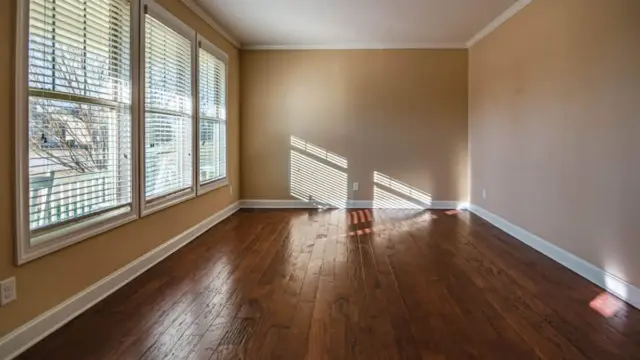
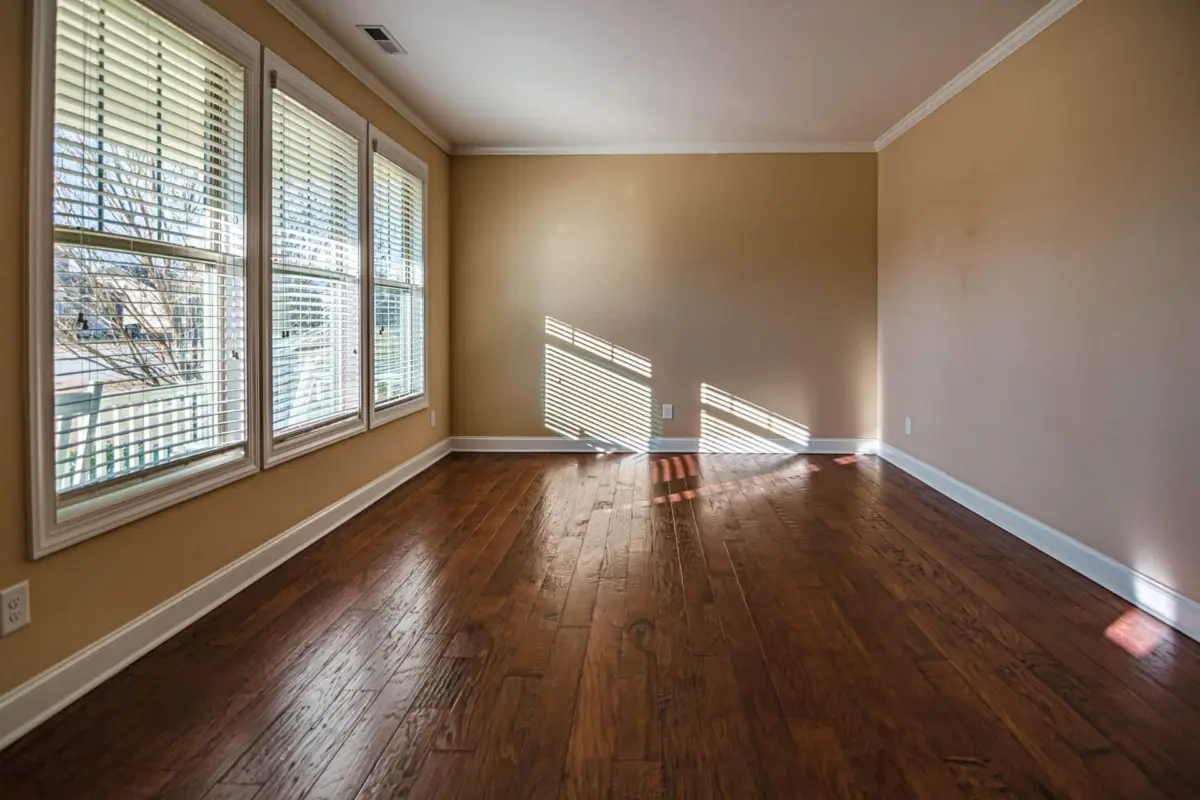
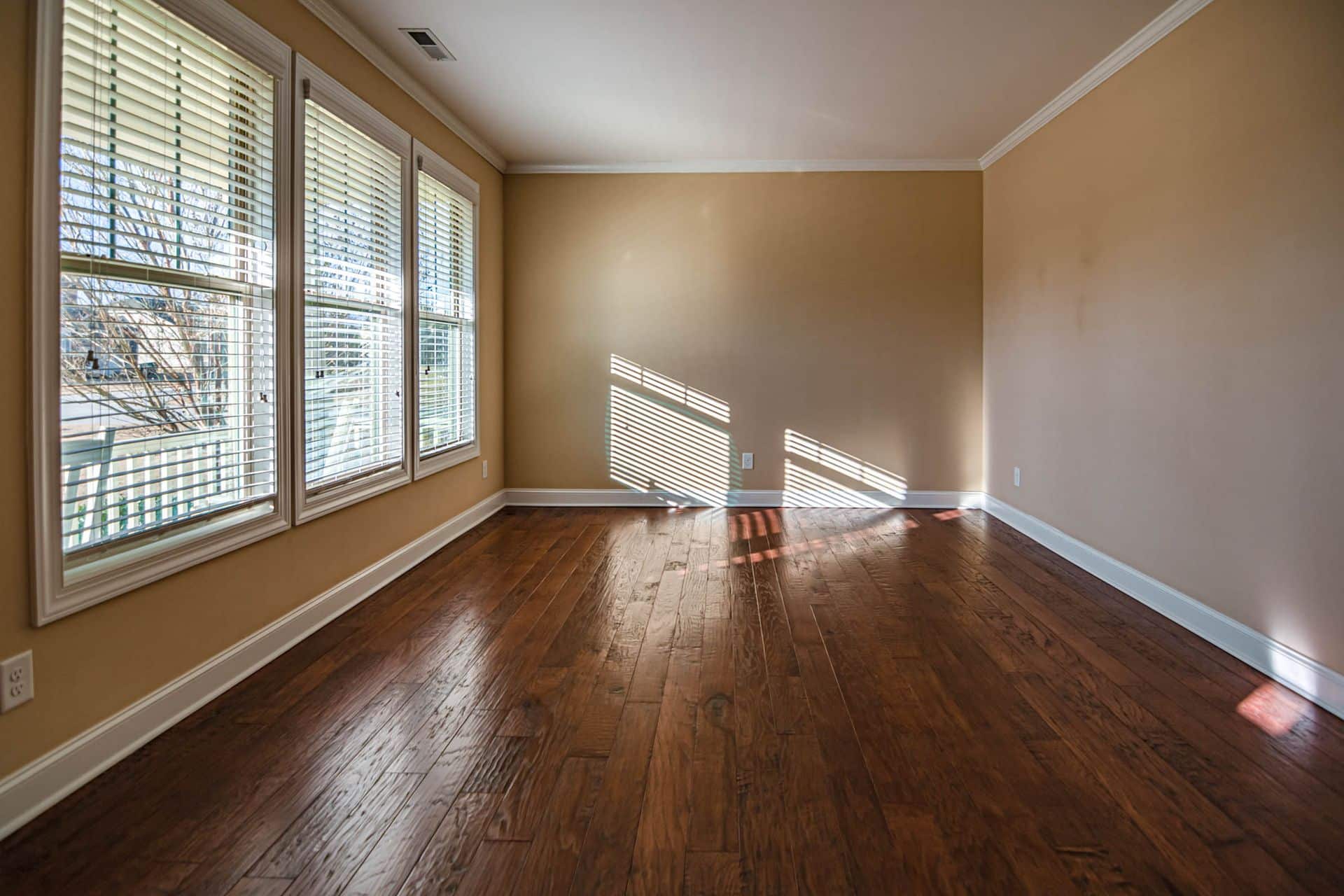
Driving nineteen hours to her temporary destination, she arrived at a bare-bones rental unit designed to make the transition as simple as possible. Settling her minimal belongings into the stock furniture provided by the landlord, she inadvertently stepped into a real-world case study on clutter, spatial psychology, and minimalism—a topic she frequently explores through her writing.
1. Use It Up
Part of the standard furnished apartment experience involves inheriting hotel-sized portions of everyday items left behind by previous occupants or provided by management. Having packed her own toiletries and cleaning supplies, Mia initially viewed these residual hotel-sized items as redundant extras.
Reflecting on past habits, she noted that she would typically default to a hoarding mentality, saving tiny, subpar items for some hypothetical future scenario where miniature toiletries might prove useful. However, facing a blank slate in her temporary home, she adopted a different philosophy: she simply used them up.
Because these items represented the lowest tier of everyday consumer goods, saving them offered no genuine enrichment to her daily life. By consuming them first and immediately discarding the empty containers, she cleared physical and mental real estate. The experience transformed her perspective, making her a more fervent proponent of "use-it-up decluttering" than she had been prior to the experiment.
2. Functional Decor
As a self-described homebody, adapting to an unfamiliar space filled with unfamiliar objects presented a psychological hurdle. To combat the sterile nature of temporary housing, she integrated the few personal mementos she had brought with her into the daily utility of the apartment.
Instead of folding her colorful throw blanket away out of sight, she draped it casually over the couch. Rather than stacking her books neatly on a bedside table, she propped them up across various surfaces throughout the rooms. Any item that carried a homey, comforting aesthetic earned a visible spot rather than being relegated to a drawer.
While such a design choice might risk looking cluttered in a fully furnished, artifact-laden home, the sparseness of the rental allowed these few items to anchor the space. Styling with functional, beloved objects enabled them to serve a dual purpose, warming the environment without accumulating dead weight or useless visual clutter.
3. This Spoon
The psychology of daily objects was further tested by personal accommodations necessitated by sensory sensitivities. Having recently celebrated her birthday, she received a visit from a close friend who gifted her a small wooden spoon.
Mia suffers from sensory issues that cause a strong aversion to the clinking sound of metal silverware against ceramic dishes, a reaction that frequently induces nausea. To bypass the metal utensils provided by the apartment complex, she had initially resorted to saving plastic cutlery from takeout orders during her first days in the city.
The arrival of the wooden spoon offered an immediate solution. Perfectly sized and deeply personal, the item evokes the memory of her friend every time it is used. Operating almost exclusively with this single spoon and a pair of chopsticks, she found that the remainder of the apartment’s utensil drawer became entirely obsolete. The experience reinforced the principle that a single item serving its purpose perfectly—while bringing emotional joy—outperforms a drawer full of unused redundancies.
4. Alone Time
Beyond the physical layout of her temporary quarters, the relocation drastically altered her social landscape. Her local social calendar was temporarily reduced to a fraction of its former size, leaving her with only a handful of nearby acquaintances compared to the robust community she left behind.
While initially appearing as a drawback given her deep affection for her friends, the solitude proved remarkably energizing. Balancing a natural inclination toward community with a personal threshold for restorative alone time, she discovered that a quiet schedule yielded unexpected dividends.
With household chores reduced to a minimum and social obligations temporarily paused, daily routines streamlined effortlessly. Morning gym visits became seamless, her apartment remained consistently spotless, and she found significantly more time to prepare wholesome meals. Furthermore, having purchased a business a few months prior, the resulting mental space allowed her to get ahead on professional obligations and resume her writing.
While she intends to reintroduce social activities, game nights, and physical training into her routine as her settlement in the area solidifies, the period of enforced solitude proved vital for productivity and rest.
5. Clutter Comes Fast
Despite the intentional minimalism of the temporary relocation, the experiment highlighted how rapidly physical objects accumulate within modern living spaces. Three weeks into her stay, the subtle threat of accumulating possessions had already begun to manifest.
Following her birthday, newly acquired gifts brought psychological joy but immediately claimed physical territory, with items like a small trampoline occupying floor space in her living area. Similarly, a kitchen cabinet quickly filled with plastic food storage containers saved over the course of a few weeks.
The observation underscored a broader cultural dynamic: the natural flow of consumer goods within contemporary households is almost exclusively inward. Without deliberate, sustained efforts to filter objects back out of the living environment, accumulation is inevitable. To combat this, she began re-implementing passive decluttering strategies, aiming to intercept the accumulation of goods before it became an unmanageable burden.
Results of the Experiment
As the three-month relocation experiment progresses, the preliminary results have provided a mix of relief and logistical complexity. For the first time in years, Mia has observed tangible improvements in her chronic health issues, suggesting a strong correlation between her original home environment and her physical symptoms.
While the health benefits represent a major breakthrough, the reality of living away from her permanent residence introduces new complications that require long-term consideration. For now, the newfound mental clarity afforded by the experiment provides the bandwidth needed to evaluate those decisions.
As she continues her time away, plans remain in motion for upcoming community projects, including a planned holiday decluttering challenge for her readers, signaling a return to her regular advocacy work even as her personal health journey continues.