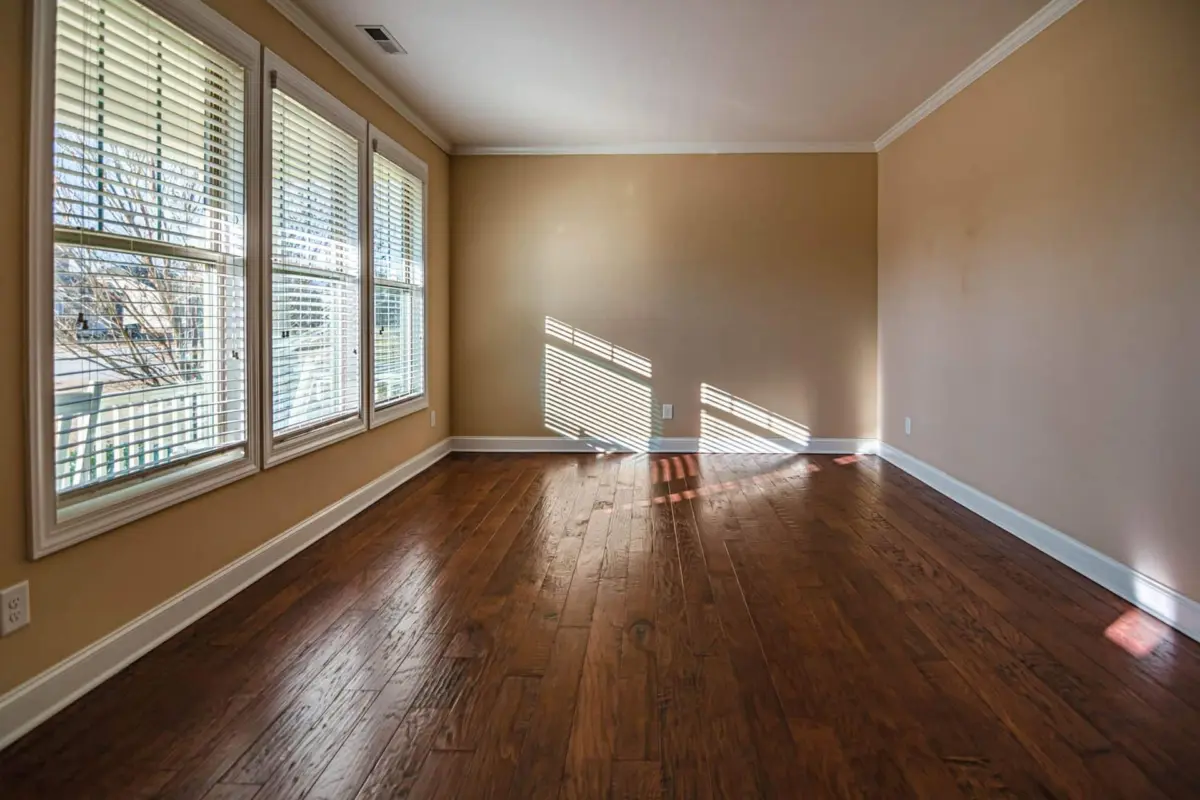
Now three weeks into a three-month stay in a starkly furnished apartment, the experiment is yielding promising results, alongside unexpected insights into minimalism, daily habits, and the creeping nature of household clutter.
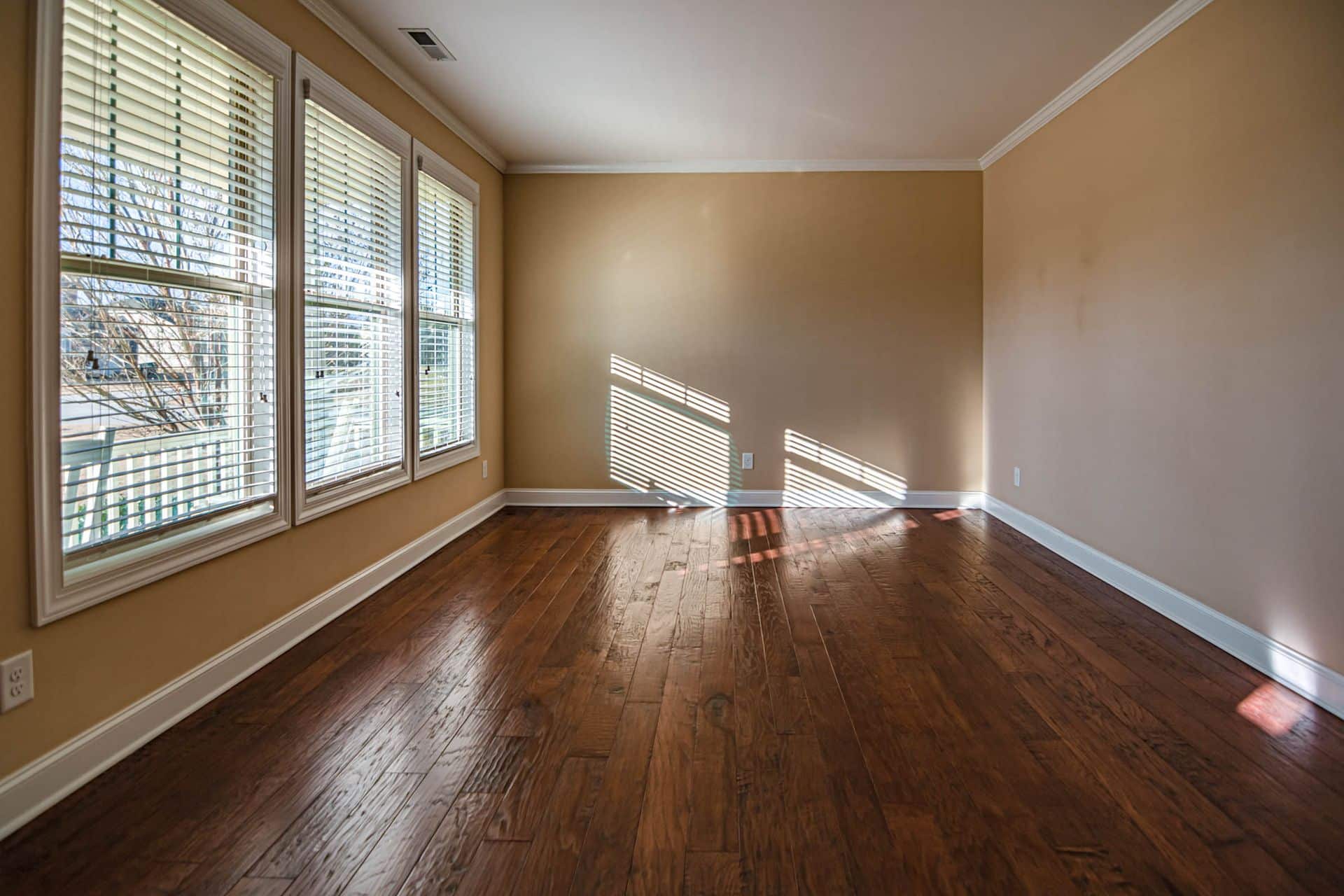
The journey began with a minimalist packing strategy. Fitting daily essentials, work equipment, and a few personal items into a compact Prius, Mia drove nearly a day across the country to her new temporary base. Renting a sparely furnished apartment allowed for a seamless transition, requiring minimal effort to settle her belongings into the stock furniture provided by the landlord.
Living in a stripped-back environment has brought fresh perspective to her understanding of physical space and clutter, reinforcing lessons learned from her previous experiences with overstuffed living quarters. Reflecting on the initial weeks of the relocation, she outlines several key realizations regarding consumer habits, interior styling, personal items, and the mental benefits of solitude.
1. Use It Up
Among the minor adjustments of living in a temporary, furnished rental is the presence of hotel-sized portions of everyday essentials left behind for tenants. Rather than packing these away or tossing them out, Mia faced a familiar impulse: the hoarding mentality that encourages saving tiny, subpar items for a hypothetical future moment of need.
This time, however, she chose a different approach. Recognizing that the items were often the lowest quality versions of everyday products and would do little to enrich her daily routine, she made a deliberate choice to use them up completely. By working through the small bottles of toiletries and cleaning supplies first, she quickly disposed of the empty containers.
The exercise demonstrated the psychological and physical benefits of reducing excess inventory. Eliminating low-quality duplicates meant fewer items taking up valuable real estate in her living space and clearing mental bandwidth in the process. The experience reinforced a growing commitment to intentional consumption and the systematic elimination of minor household stockpiles.
2. Functional Decor
As a self-described homebody, adapting to an unfamiliar living environment presented a psychological hurdle. Being away from her permanent house and familiar possessions required conscious effort to make the sparse apartment feel habitable. Rather than hiding her few personal items away in drawers, she chose to integrate them into the living space.
A colorful throw blanket was draped casually across the couch instead of being folded away out of sight, and personal books were propped up on surfaces throughout the apartment rather than stacked on a bedside table. By allowing everyday mementos and functional belongings to double as decor, she managed to warm up the minimalist interior without introducing useless trinkets or unnecessary clutter.
The approach highlighted a balance between personalization and minimalism. Styling a home with functional items allows them to serve a dual purpose, adding a welcoming atmosphere to a living space without accumulating superficial possessions.
3. This Spoon
Personal items often carry emotional weight that transcends their practical utility, a dynamic underscored by a recent birthday gift from a visiting friend. Navigating sensory sensitivities, Mia experiences severe discomfort and nausea from the sound of clinking silverware. During her first days in the apartment, she relied on plastic takeout cutlery to avoid using the metal utensils supplied with the rental.
The dynamic shifted when a friend gifted her a small wooden spoon. Perfectly sized and pleasant to use, the utensil immediately eliminated the need for commercial plastic cutlery while serving as a daily reminder of her friend. Because she now relies exclusively on this spoon and a pair of chopsticks, the remainder of the apartment’s utensil drawer has effectively become obsolete.
The experience offered a clear lesson in quality over quantity. Having a single item that serves its purpose flawlessly—while bringing genuine joy to the user—proves far more valuable than a drawer filled with redundant or unappealing alternatives.
4. Alone Time
Another major shift during the relocation has been the sudden contraction of her social calendar. While she maintains close ties with a few acquaintances nearby, her social life is a fraction of what it is back home. Although initially disappointing given her strong attachment to friends and family, the solitude has proven remarkably energizing.
Living alone touches on a human contradiction: thriving in isolation while simultaneously craving the constant company of loved ones. Freed from heavy social obligations and managing an easily maintained living space, her daily routine has streamlined considerably.
Morning gym visits have become effortless, the apartment remains consistently clean, and she has found significantly more time to prepare healthy meals. Furthermore, having acquired a business a few months prior, the quiet schedule has provided the necessary mental space and time to catch up on work tasks and resume blogging.
While she plans to gradually reintroduce social activities and hobbies into her routine—including game nights with friends back home and returning to fight training now that her energy levels have rebounded—the period of extended solitude has proven deeply productive.
5. Clutter Comes Fast
Despite the intentional simplicity of her temporary setup, the experiment revealed how quickly possessions accumulate in modern daily life. Just three weeks into the stay, the threat of incoming clutter has already made its presence felt.
Following her birthday, new gifts brought into the apartment added cheer but immediately claimed physical space, leaving items like a small trampoline occupying room in her living area. Similarly, a kitchen cabinet quickly filled with plastic food storage containers saved from meals over the course of a few weeks.
The rapid accumulation illustrates the natural, one-way flow of consumer goods into households, particularly within the United States. Without an intentional, active effort to cycle items back out of the home, possessions inevitably pile up over time. To counter this trend, Mia has resumed passive decluttering practices, utilizing established techniques to stay ahead of the accumulation before it becomes unmanageable.
So… did it help?
For those following the experiment, the results offer a mix of relief and ongoing complexity. Relocating to a new environment has indeed begun to alleviate her chronic health issues, marking the first substantial improvement she has seen in years.
At the same time, the realization that her permanent home environment may be the source of her long-term illness presents a complicated reality to navigate. Armed with the mental space afforded by her quiet temporary routine, she plans to address the underlying issue in the months ahead.
As she continues her three-month experiment, preparations are already underway for upcoming community initiatives, including the scheduled Holiday Decluttering Challenge for her readers and followers.