
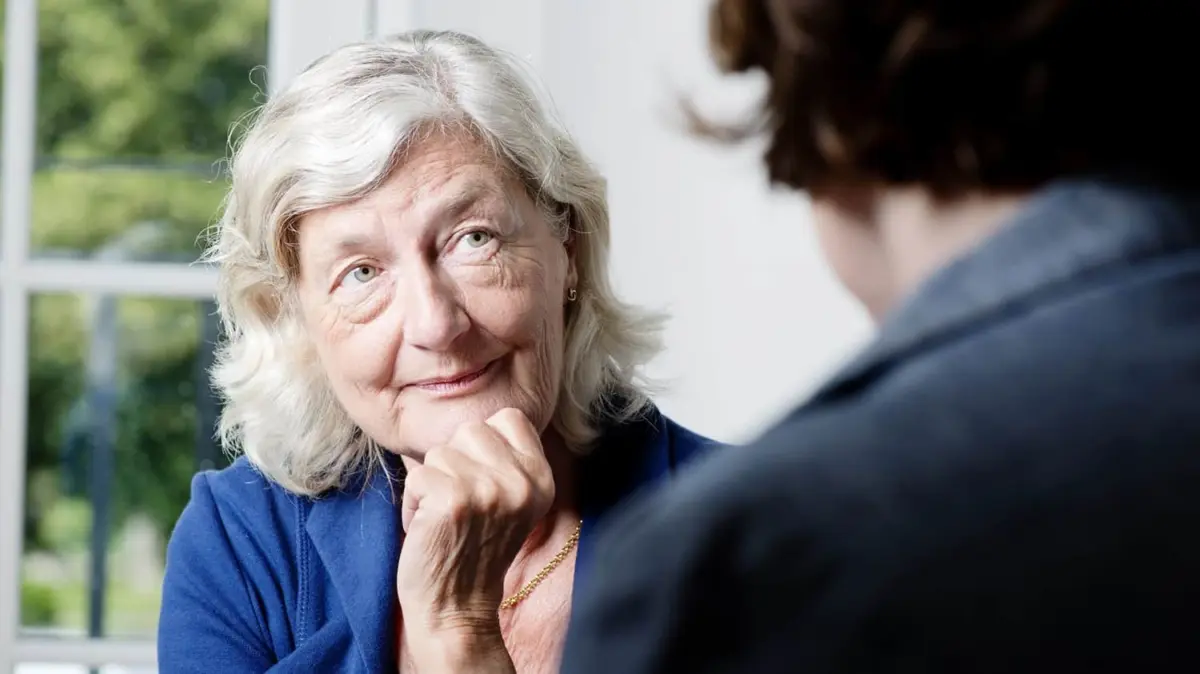
The process of stepping away from regular mental health support prompts a broader reflection on how we navigate our inner lives, when we need professional guidance, and how we recognize when we are finally ready to walk the path alone.
Therapy’s Not for Everyone
Looking back, there was a time when I used to be genuinely surprised when close friends or acquaintances would admit that they had never stepped foot in a therapist’s office. More than that, some had come to the firm conclusion, without ever having tried it, that talk therapy was simply not for them.
At the time, my internal reaction was one of bewilderment. How, I wondered, could anyone make sense of this giant, unscripted blob of feeling and experience that we call human life without the aid of a trained professional?
While my core belief largely remains unchanged—that most people could benefit from engaging in therapy at some point in their complex lives—my perspective has softened considerably, and judgment has long since fallen away. I have come to realize that some individuals genuinely do not need to analyze themselves endlessly. As a friend and I like to quip with a mixture of humor and truth, "Their mothers loved them."
This is simply another way of saying that certain people possess a baseline of emotional security and self-understanding that allows them to weather life’s inevitable storms entirely on their own. When adversity strikes, they may consult with trusted family members or friends. Or perhaps they turn to entirely different forms of support and grounding, such as mindfulness practices, creative outlets like acting classes, or physical exercise—all three of which I have explored myself.
Therapy as a Well
I readily admit that I am not one of those self-contained individuals. For years, professional guidance has been an invaluable anchor. However, the time eventually arrived to cut the apron strings with this particular therapist. This decision had nothing whatsoever to do with the quality of the service provided. On the contrary, she was remarkably insightful, consistently arriving at our sessions with a fresh, illuminating take on old, stubborn problems.
As an added bonus, she was also French. This cultural nuance meant that during moments when I was not fully absorbing her wise advice, I found myself admiring her effortless accessories and silently resolving that I really needed to incorporate more scarves into my own wardrobe.
My basic philosophy regarding therapy is that it operates much like a deep well. There are distinct seasons in your life when you will need to crank that bucket of water up to the surface fairly regularly just to sustain yourself and take a deep drink. Conversely, there are other phases when the waters run calmer, and just a single sip can last you a long time.
Why, then, did I choose to leave? Over the past year, I realized that I had made substantial progress on a wide array of fronts, both personal and professional. Because of this growth, I felt a growing sense of trust in my own resilience. I believed I was finally equipped to utilize some of the vital insights I had gleaned from her over the years—combined with the alternative coping tools mentioned earlier—to manage my life independently for the foreseeable future.
Choosing to step away does not mean I have magically arrived at some final destination of total enlightenment. There was a time in my younger years when I used to imagine that adulthood featured a magical, sunlit clearing where you could skip through puddles of rainwater and never see another cloud on the horizon ever again.
Spoiler alert: that destination does not exist. More importantly, the true purpose of therapy is never about reaching a final arrival point. Instead, it is about accepting the humbling reality that the journey of self-discovery is truly forever.
Saying Good-Bye Is Good for You
The most telling sign that I had made the correct decision manifested almost immediately after I informed my therapist of my impending departure. That very night, I had a vivid dream that I was running late for a flight, but remarkably, I didn’t mind. It marked the very first dream in my entire life involving travel where I did not feel completely lost, panicked, and consumed by anxiety. My subconscious mind, it seemed, was quietly validating the choice.
Yet, validation does not completely erase the sadness that inevitably comes with the bargain. I have always harbored a deep aversion to good-byes. To put it mildly, I am the kind of person who wells up emotionally the moment I hear the opening notes of "Puff the Magic Dragon," simply because the song conjures such raw, lingering feelings of loss.
In all honesty, a significant part of me initially wanted to take the easy way out—to simply send my therapist a brief text message and call it quits from a distance, thereby avoiding all the messy drama and emotional pain of a formal separation.
Naturally, she was having none of it. True to form, like any exceptional therapist, she understood instinctively that human beings cannot successfully run away from difficult feelings. She recognized the necessity of sitting with the discomfort, acknowledging the genuine sadness of letting someone close go, and offering mutual wishes of goodwill for the future.
Bonne chance, as she might say. As I close this chapter and step forward into a new phase of self-reliance, the journey continues, grounded in the tools I have gathered along the way.