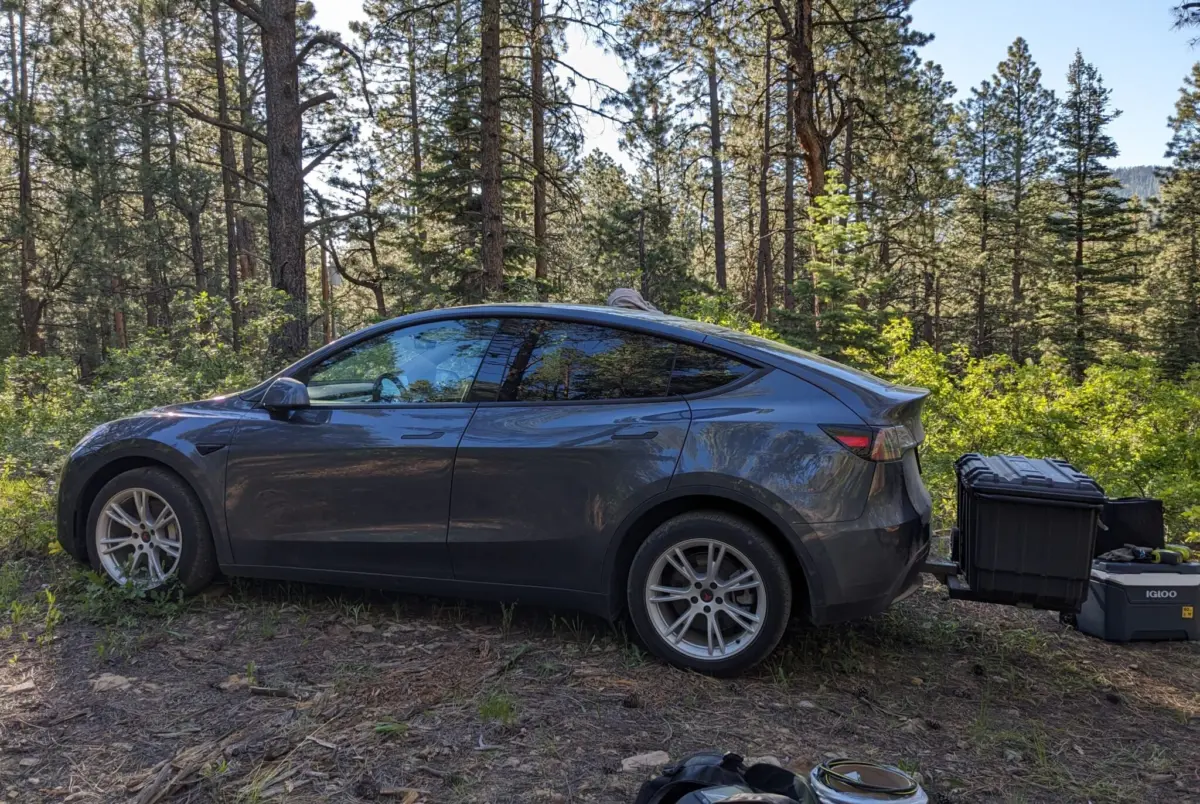
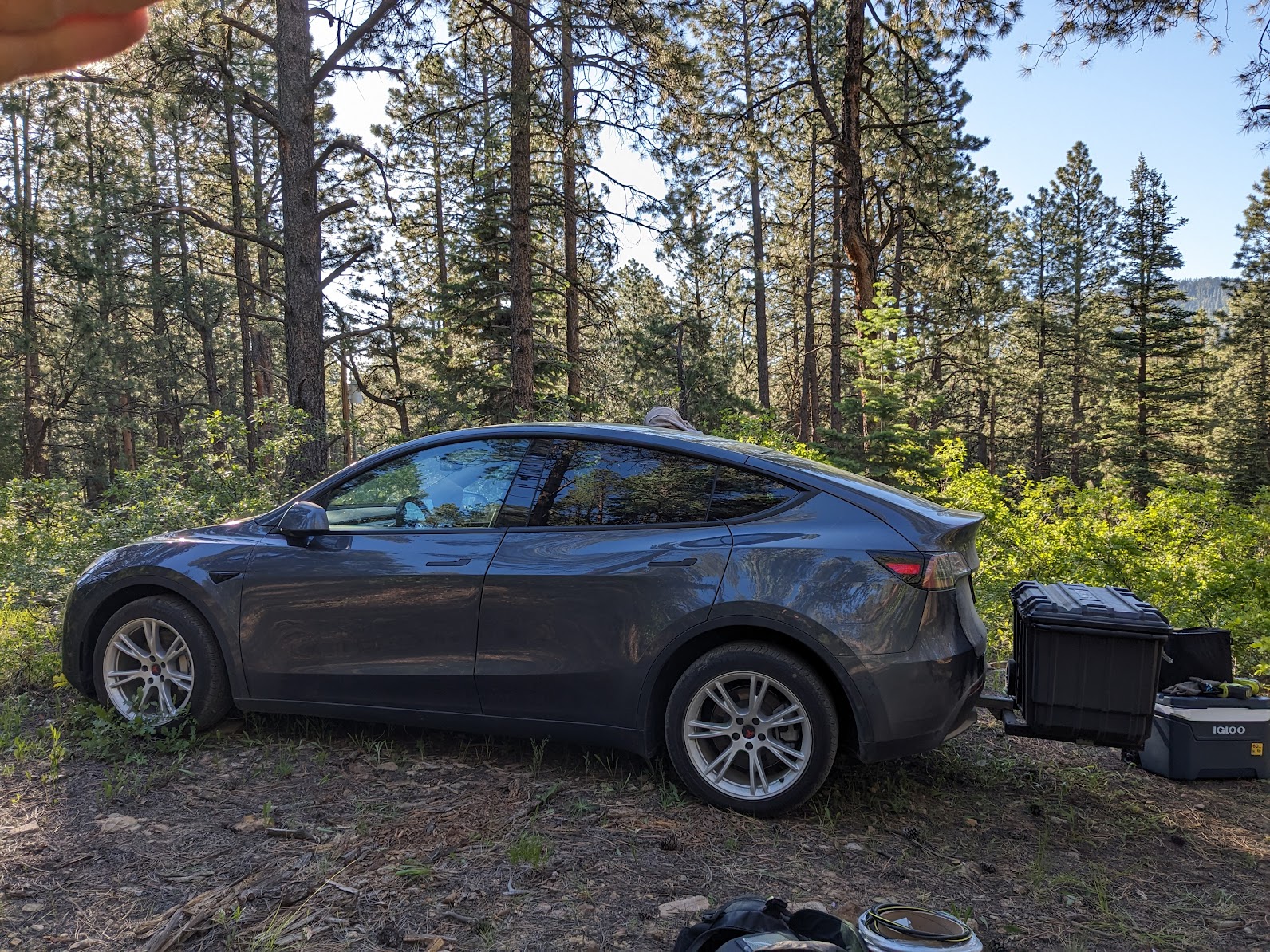
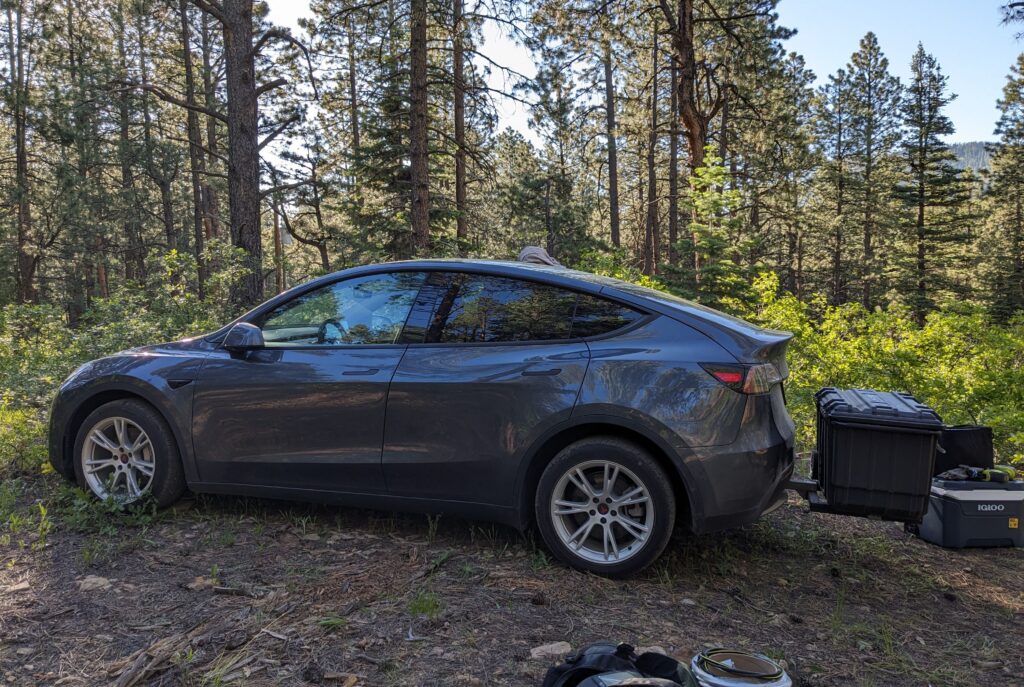
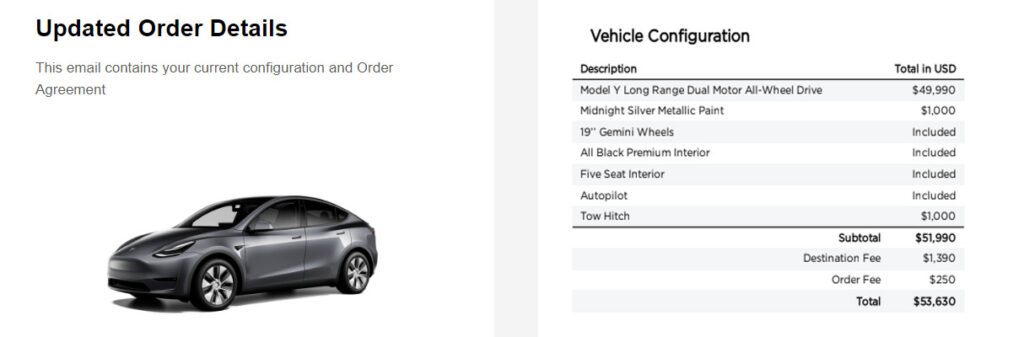
The net cost of the vehicle, factoring in applicable taxes and federal tax credits, comes to approximately $52,000. For a writer who built his reputation on maximizing savings and avoiding unnecessary consumer debt, the price tag represents a staggering leap from his previous vehicle. The car it replaces is a classic Honda minivan that he purchased off Craigslist twelve years ago for just $4,500. That trusty vehicle, affectionately dubbed "Vanna," served him dutifully until recently, logging countless miles across American mountains and deserts while helping transport materials for neighborhood home renovation projects.
The author acknowledges the immediate wave of self-mockery and public skepticism that accompanies such a purchase. As someone widely known for arguing that most people use personal vehicles far too often and frequently buy cars they cannot afford, buying a high-end electric crossover feels like an apparent contradiction. Yet, he maintains that his core philosophy of healthy self-mockery and frugality remains intact. That very philosophy allowed him to achieve early retirement nearly two decades ago, funding the freedom and flexibility he enjoys today. It is also the exact mindset that enabled him to procrastinate on buying an expensive luxury car for four years, resisting continuous encouragement from friends and online followers to treat himself.
Reflecting on the psychological barriers common among lifelong savers, he points to a guiding maxim: "What got you here won’t get you where you’re going." This principle illustrates the subtle trap of over-optimization, where individuals who have successfully amassed substantial wealth continue to operate under a scarcity mindset. A recent trip to a standard grocery store brought this realization into sharp relief. Faced with paying $6.99 for a loaf of specialty bread—nearly double his usual bulk-store price—he experienced an immediate mental tug-of-war, cycling through boycotts and alternative options before reminding himself of a fundamental truth. Awakening in the future to realize he had saved an extra $2.49 would not make him a happier person.
Sharing this experience with a wealthy peer revealed a shared struggle. Despite having a net worth several times larger, his friend experienced the exact same internal resistance when considering minor splurges, such as taking an airport rideshare instead of a slower public bus. Both men realized that their ingrained habits of extreme efficiency had crossed the line into being overly cheap with themselves, prompting a reevaluation of how to enjoy their life savings while still alive.
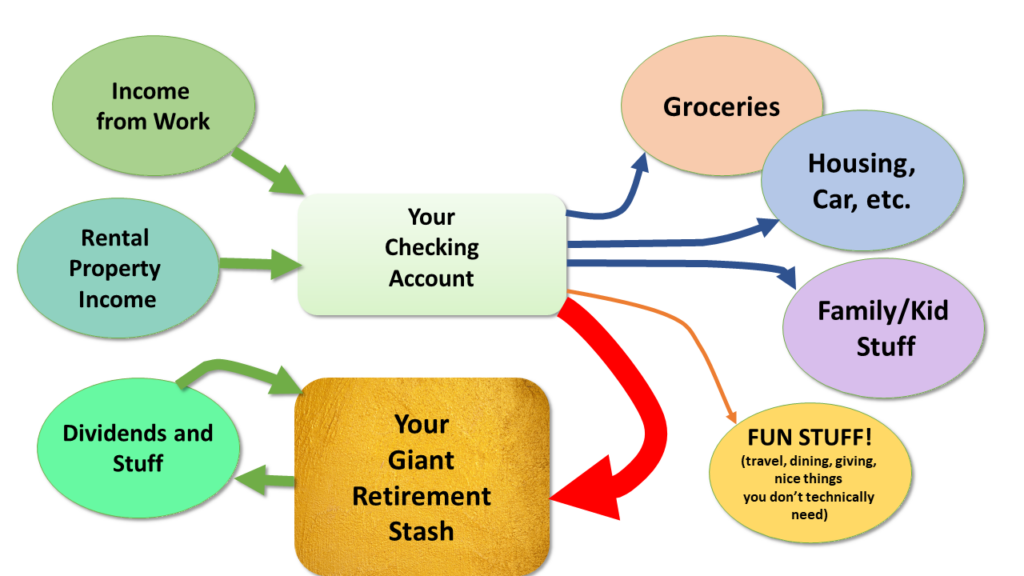
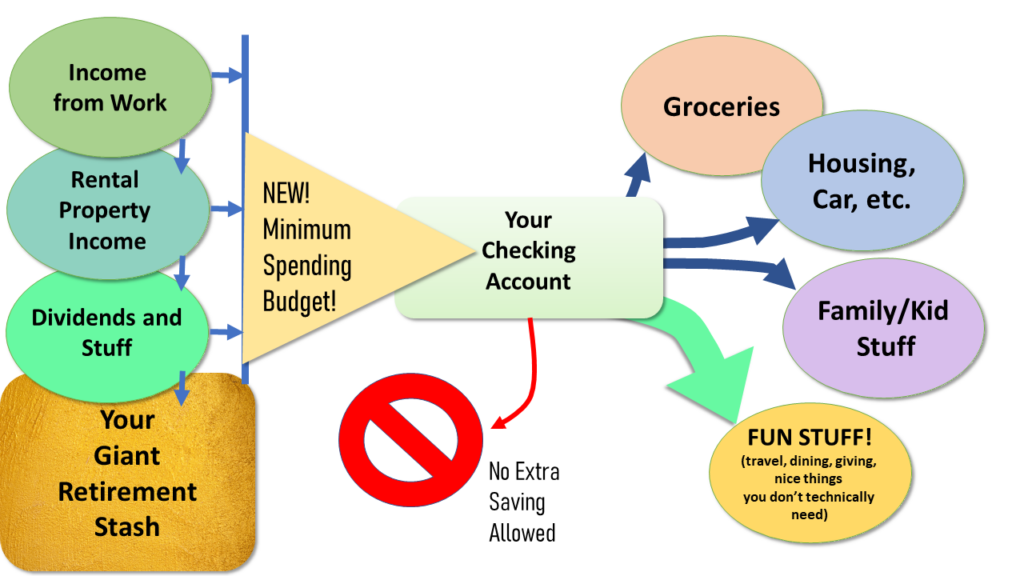
To address this psychological hurdle, the blogger outlines three conceptual approaches designed to help disciplined savers loosen their financial grip. The first principle involves establishing a realistic minimum spending budget. For instance, an individual who has accumulated a portfolio worth two million dollars and lives on a mortgage-free property might comfortably spend between $60,000 and $80,000 per year according to the traditional four percent retirement rule. Yet, many such individuals stubbornly continue to restrict their spending to $40,000 or less out of sheer habit, funneling surplus income straight back into an already massive investment pile while keeping their discretionary fun budget completely starved.
The second principle suggests creating a dedicated money-wasting account. Breaking lifelong frugality habits is difficult, and spending hard-earned capital on perceived frivolities often triggers guilt. However, spending money often feels entirely different when it is treated like corporate funds on a business trip, where the bill is handled anonymously. By intentionally earmarking a specific pool of funds for guilt-free enjoyment, savers can trick their brains into letting go of unnecessary stinginess.
The third principle emphasizes the value of a splurge accountability buddy. Frugal individuals frequently cluster together and share identical optimization habits. By forming peer groups that actively question over-frugality, call out unnecessary cheapness, and explicitly encourage healthy splurges, individuals can reduce their stress around spending money on quality goods, memorable trips, and modern conveniences.
This shift in perspective coincides with recent lifestyle changes, including becoming a co-owner of a fixer-upper vacation rental compound in Salida, Colorado. The project reignited his passion for long-distance travel, mountain biking, social gatherings, and hands-on carpentry projects. Realizing that his lack of a reliable, long-range vehicle was causing subtle, chronic stress—culminating in a final, aromatic transmission failure on a mountain pass—he decided it was time to let go of his aging transportation and embrace a modern electric alternative.
Financially, the transition to the Tesla Model Y is projected to increase his annual transportation expenses by roughly $10,000 compared to the old van. Given that his spending deficit previously sat well below his investment returns, he views this as a reasonable step toward enhancing his everyday experiences, camping trips, and road adventures.
While some critics inevitably argue that affluent individuals should direct such funds toward charitable causes or philanthropy rather than luxury goods, the author notes that he has previously donated more than $500,000 to various charitable causes since launching his blog. He cautions that an extreme scarcity mindset can cause internal friction even when giving generously, leading to counterproductive cycles of guilt over ordinary personal expenses like a dinner date.

Ultimately, the purchase represents a calculated middle ground between responsible stewardship of life savings and allowing oneself to enjoy the fruits of decades of disciplined work. After safely disposing of his old vehicle through an online car salvage service called Peddle—receiving a cash payout that he promptly spent on celebratory dinners out—he is ready to embrace the future. With the double-flip of an autopilot stalk, the era of wheezing, gear-shifting gasoline engines is officially behind him.