However, early consumer robotics required a surprising amount of human intervention for devices ostensibly designed to automate labor. Users found themselves constantly rescuing the machines over elevated thresholds, untangling them from stray power cords, or retrieving them after a rogue sock sent their navigation systems into complete disarray. Over the years, newer iterations entered the market, yet many offered mere variations of the same frustrating experience.
When the Matic robot vacuum and mop arrived on the scene, capturing attention with a distinctively boxy, rover-like design that evokes serious comparisons to Pixar’s WALL-E and earning a Domino Good Design Award, it presented a compelling alternative. Utilizing an advanced camera-based navigation system rather than traditional blind bumping, the machine promised a more intelligent approach to automated floor care. After putting the device through three months of rigorous testing in a real-world home environment, the results highlight both the profound advancements in domestic robotics and the trade-offs that still come with cutting-edge home technology.
Setting It Up Is Almost Suspiciously Easy
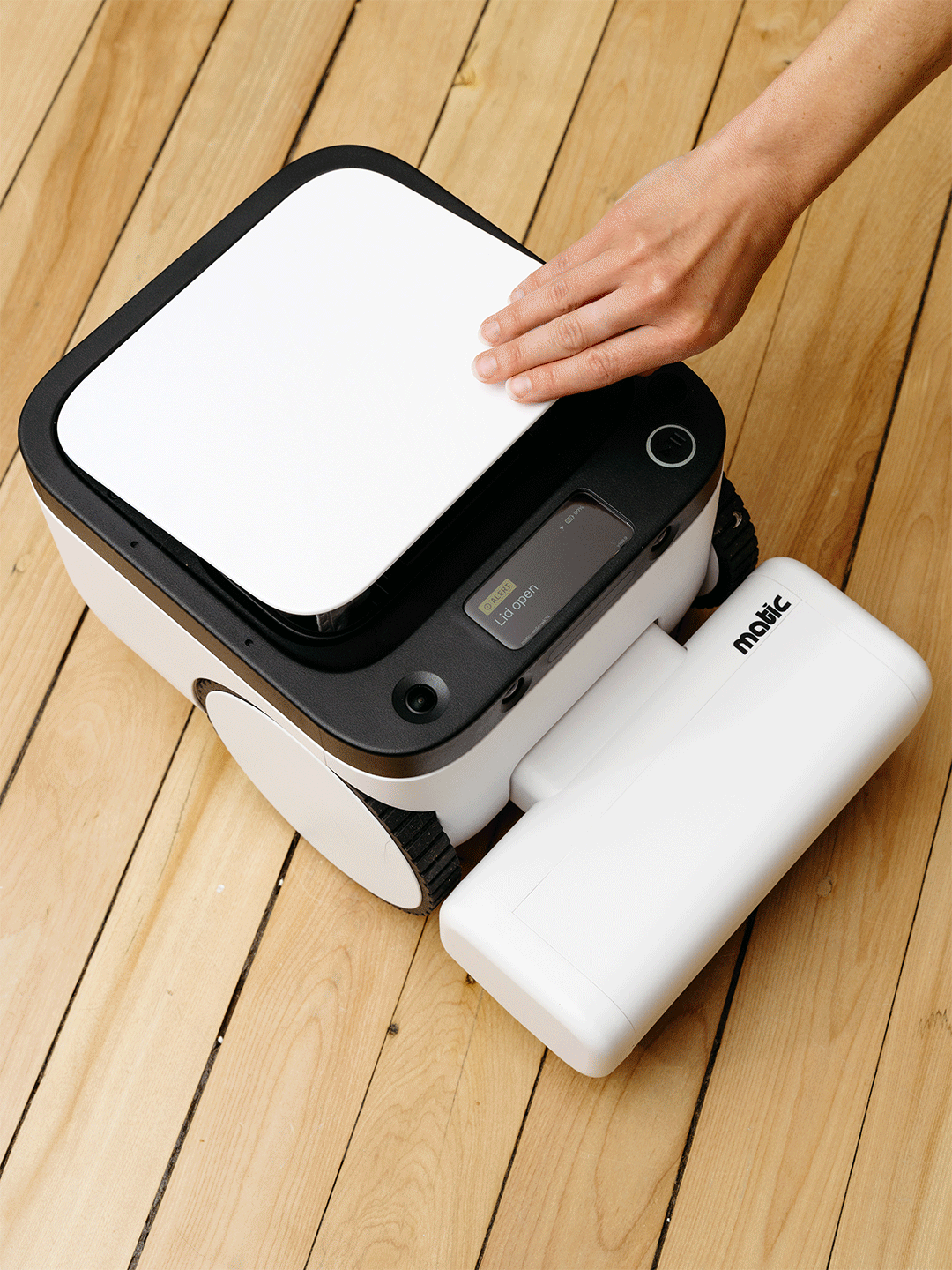
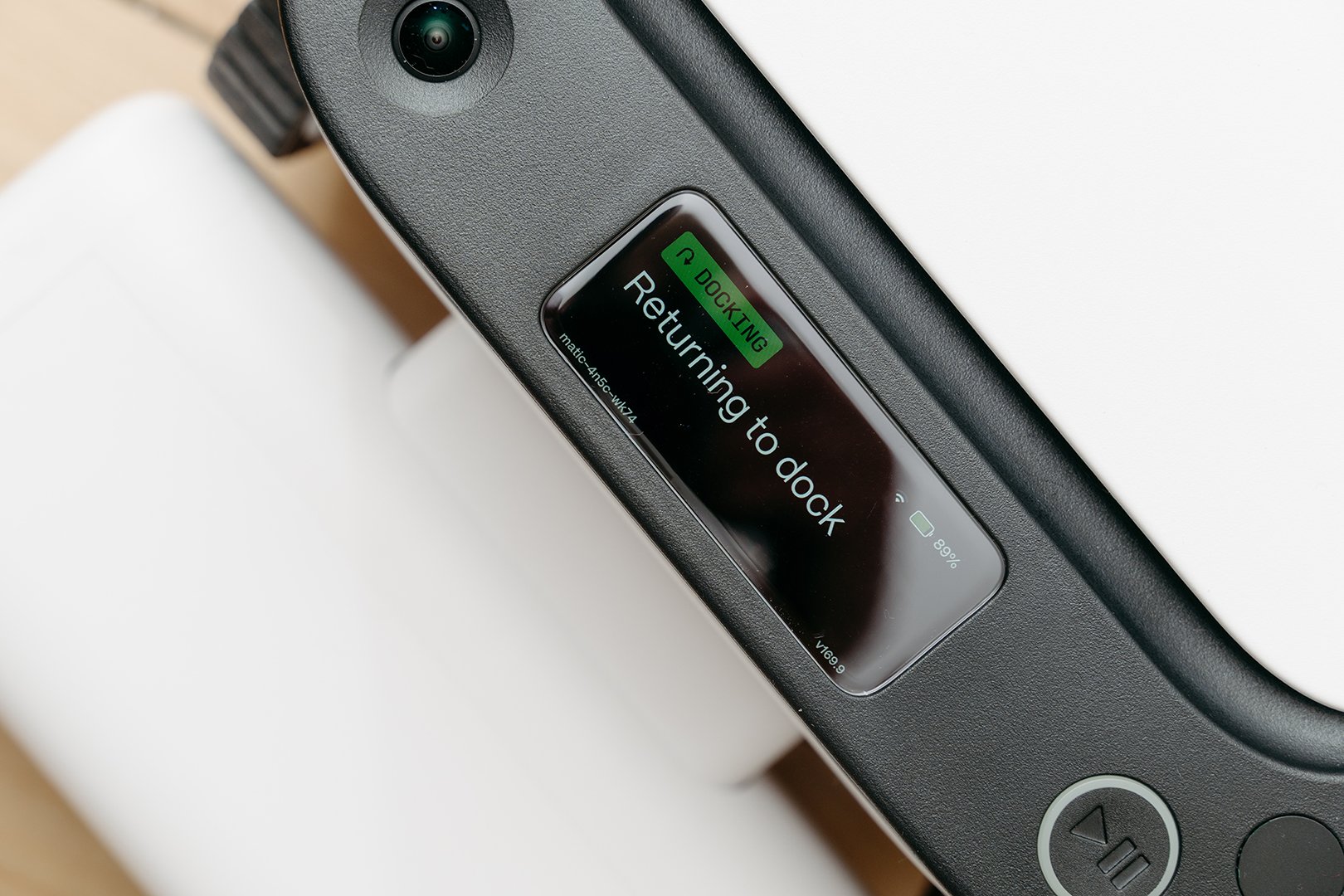
Visually, Matic breaks away from the ubiquitous low-profile disc design that has dominated the robot vacuum market for decades. Standing taller with prominent wheels and equipped with five operational cameras, it resembles a miniature planetary rover. This hardware configuration serves a direct functional purpose: instead of navigating by repeatedly colliding with furniture and walls until it maps a path, the device constructs a comprehensive three-dimensional map of the home. More importantly, its vision system can instantly distinguish between various household elements, such as carpets, hardwood floors, electrical cords, footwear, and pet toys.
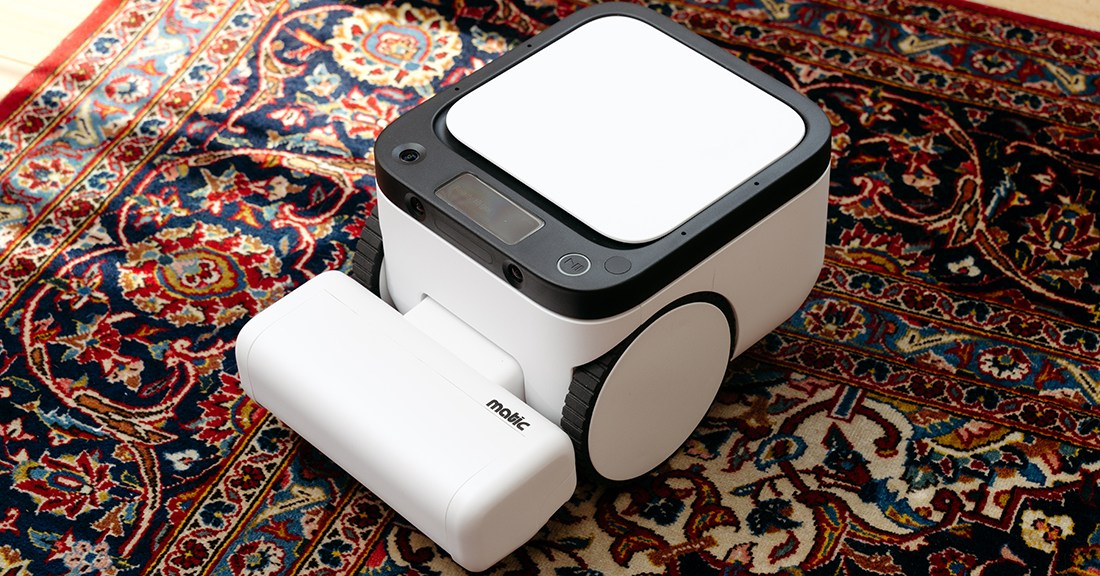
The initial setup process is remarkably painless. After connecting the unit to a home wireless network and downloading the companion mobile application, the robot embarks on an exploratory run to map the living space. Once the mapping phase is complete, users can label individual rooms within the app, establish custom cleaning schedules for specific days, or dispatch the unit directly to targeted locations on demand.
A major operational advantage over older generations of robot vacuums is the drastic reduction in required pre-cleaning. Users no longer need to spend minutes walking through their living spaces to pick up every stray charging cable, fallen sock, or cat toy before initiating a cleaning cycle. Furthermore, the inclusion of taller, more robust wheels allows the machine to transition smoothly across varying floor heights, room thresholds, and area rugs without turning everyday architecture into an impassable obstacle course.
The hardware also intelligently differentiates between soft rugs and hard flooring, seamlessly shifting modes between vacuuming and active mopping on the fly. During mopping operations, an integrated mechanical wringer actively extracts dirty water from the cleaning roller as it moves, preventing the machine from simply dragging the same grimy fluid across the kitchen or hallway tiles.
A Pointed Approach to Spot Cleaning
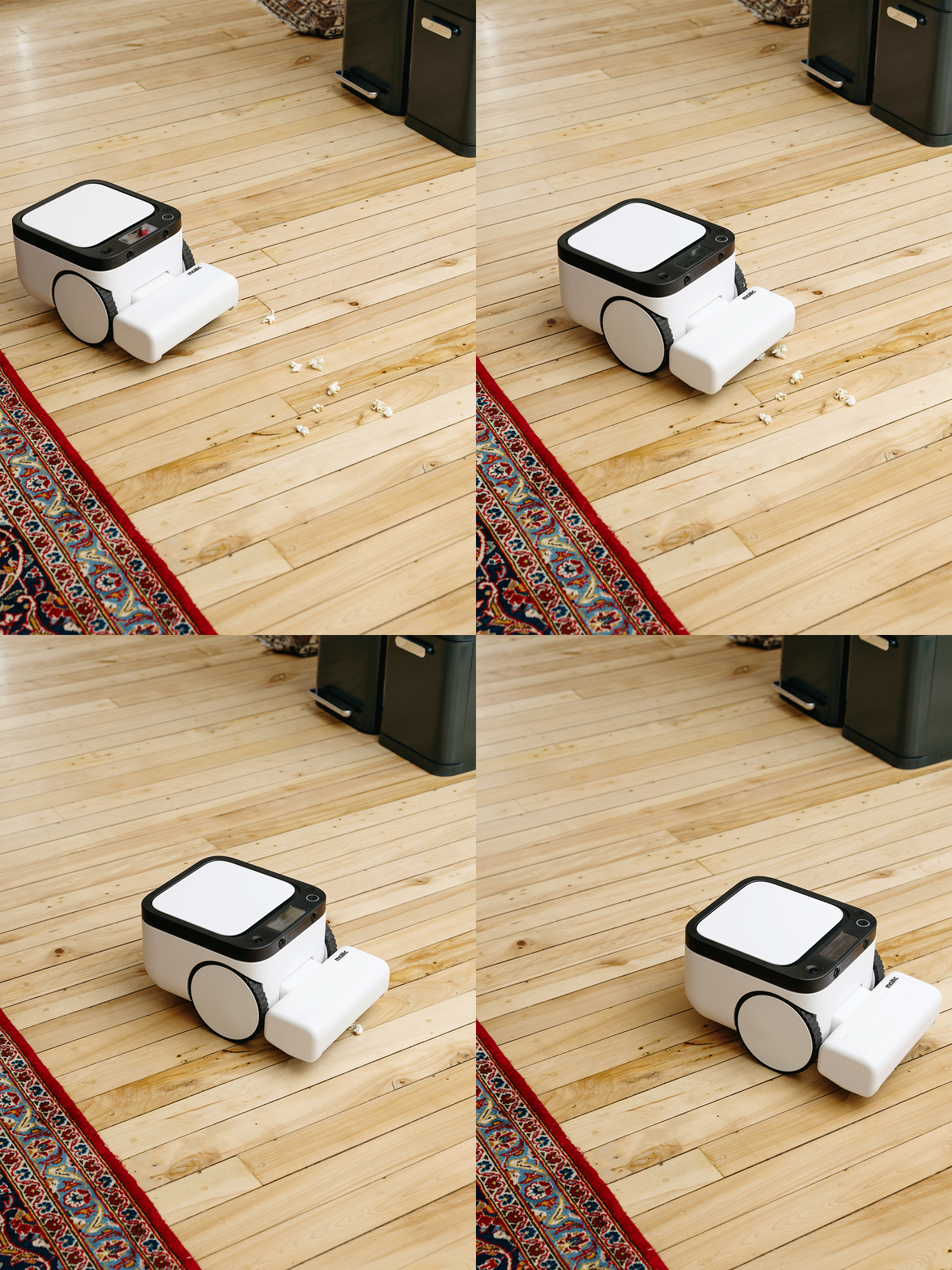
While scheduled whole-home cleaning is a standard expectation for modern robotic cleaners, domestic life often demands targeted interventions. Whether dealing with spilled coffee grounds around a kitchen island or tracked-in dirt near an entryway before guests arrive, whole-house cycles are often inefficient. While Matic features a spot-cleaning designation within its mobile application, its voice-activated Cues feature introduces a considerably more advanced method of interaction.
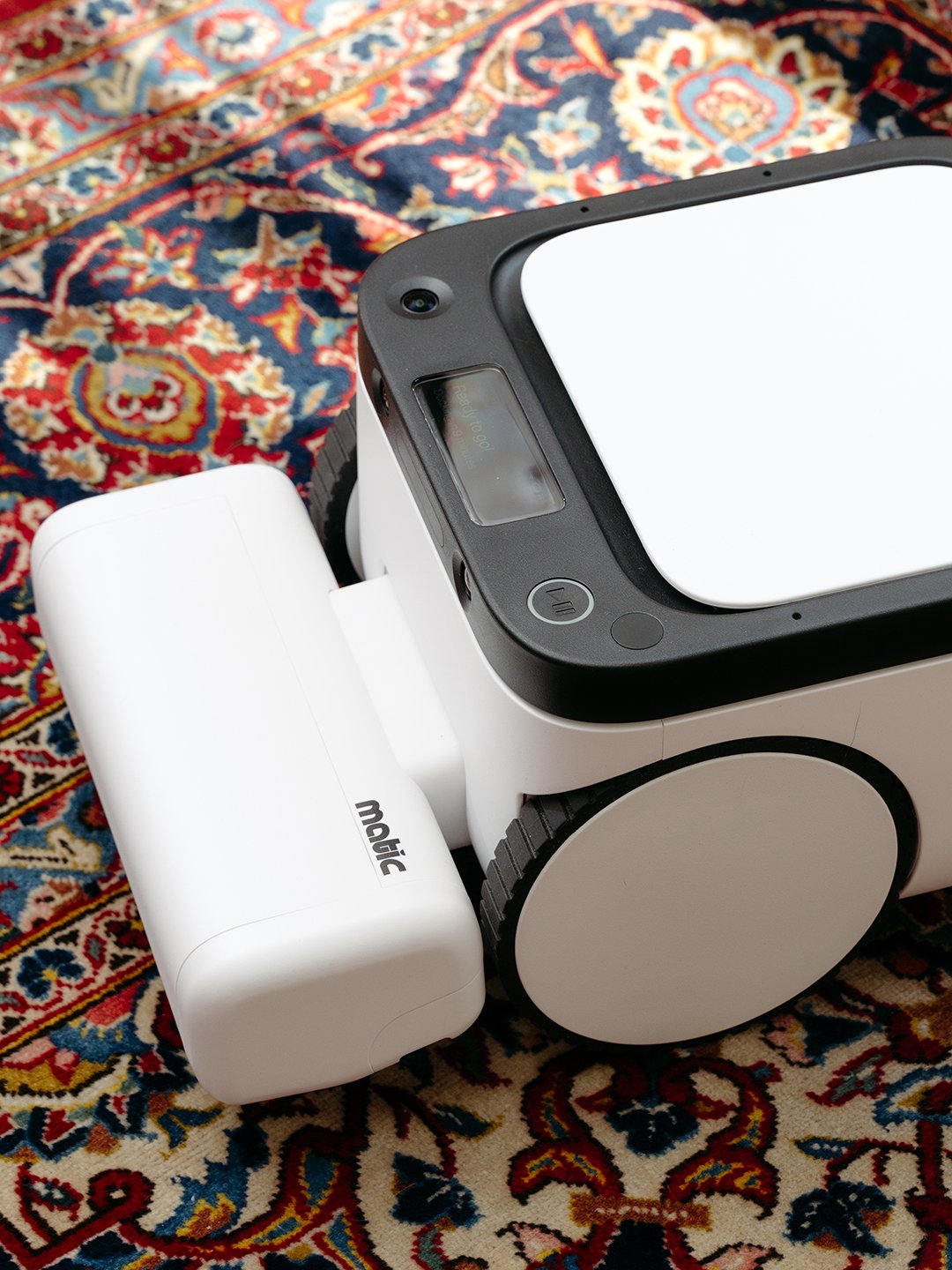
By simply stating the wake phrase "Hey Matic," users can issue verbal commands to direct the machine toward specific messes. In more dynamic scenarios, the robot can even be instructed to follow the user directly to the offending debris, allowing them to point out the exact location that requires attention.
This voice-driven functionality removes the smartphone from the immediate equation, eliminating the need to unlock a device, navigate application menus, select the correct room map, and manually initiate a spot-cleaning cycle over a localized spill. While commanding a robotic rover to trail behind a homeowner like a digital pet might initially feel slightly surreal, the practical convenience of hands-free, immediate mess remediation proves remarkably effective in everyday practice.
Moving More Like a Person Than a Machine
The initial novelty of watching an automated appliance clean a floor typically fades quickly for most consumers, but Matic’s physical movement patterns retain a distinct quality. There is a fluidity and precision to its navigation that feels fundamentally different from older automated sweepers. Rather than driving directly into a chair leg, stopping, reversing, and recalculating through trial and error, the system visually identifies obstacles well in advance and adjusts its trajectory smoothly. Its optical sensors are capable of recognizing small objects measuring as little as half an inch, including thin cords and loose fabrics.
Instead of carving out massive, monotonous back-and-forth passes across an entire room, the device cleans methodically in localized zones. It tackles interior spaces, room perimeters, and recessed architectural details like baseboards and toe-kicks sequentially, adapting its mechanical approach depending on the specific flooring material beneath it.
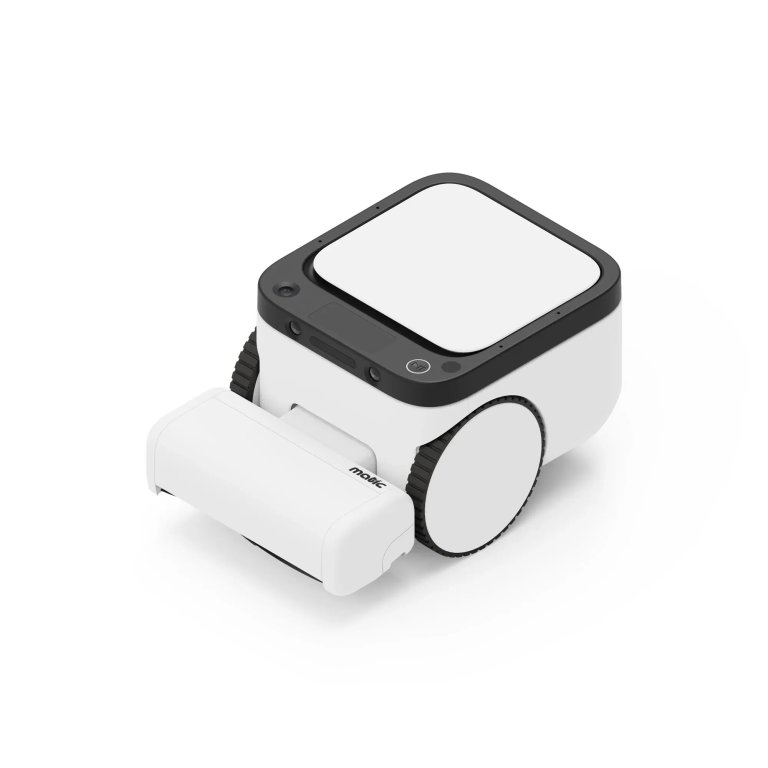
Naturally, this taller, boxy architecture introduces certain design trade-offs. Unlike exceptionally slim disc vacuums that can slide entirely underneath low-slung furniture, Matic’s main body cannot clear every low gap. However, the engineering team addressed this limitation by designing the front cleaning head to stand only about three inches high while extending forward from the taller body. This configuration allows the active cleaning components to reach beneath low overhangs even when the main chassis cannot fit underneath, offering a practical compromise for superior navigation and cleaning reach.
The internal hardware incorporates several thoughtful maintenance features. A bristle-free brush roll is engineered to prevent long human hairs and pet fur from tightly winding around the mechanism, a frequent headache in households shared with shedding animals and long-haired residents. Additionally, the cleaning head accesses from the top panel, sparing users the annoyance of flipping the entire heavy robot upside down to perform routine maintenance. A dedicated side brush manages edges and corners, while the flat front profile enables the primary suction path to press closer against walls than is possible with traditional circular designs.
For air quality, the system utilizes a sealed HEPA-12 filtration bag system. Rather than exhausting captured fine dust, pollen, and pet dander back into the ambient air of the room, outgoing airflow passes through the enclosed bag. Replacing the bag simultaneously refreshes the filter media. The system provides automated notifications when the dust bag reaches capacity, when the onboard water reservoir requires replenishment, or when other standard maintenance tasks are due.
Transforming the Perception of Automated Mopping
Among its operational capabilities, the active mopping system represents one of the strongest selling points for users who typically dread manual floor washing. While many people find routine vacuuming relatively manageable, manual mopping is frequently postponed indefinitely.
By executing vacuuming and mopping passes simultaneously while actively separating clean water from extracted grime via the built-in wringer, the machine handles a labor-intensive chore that many homeowners prefer to avoid entirely. For busy households, this functionality transitions the appliance from a luxury gadget into a practical tool that eliminates a significant household task from the weekly to-do list.
Privacy Considerations and On-Device Processing
Inviting a camera-equipped robotic device capable of voice recognition into private living quarters naturally raises valid privacy concerns. Many consumers express initial hesitation regarding systems that monitor home interiors through continuous visual feeds.
To address these concerns, Matic processes maps, camera data feeds, and historical cleaning logs locally on the device itself by default, rather than transmitting raw visual data to external cloud servers. Furthermore, the wake phrase detection operates locally on the hardware, and once a voice command is recognized, the request is processed anonymously without persistent cloud storage. This level of local processing provides a higher degree of data security than is typically found in many standard smart home appliances.
Assessing Noise Levels and Real-World Value
While manufacturer specifications claim a quiet 50-to-55-decibel operating volume suitable for background environments during work calls, naps, or nighttime cleaning, practical experience suggests a more measured reality. While the noise level is considerably softer and less grating than a traditional upright vacuum cleaner, it remains an active mechanical vacuum. Running the machine directly alongside a bed while attempting to sleep may prove disruptive, though it functions comfortably in the background during daytime work hours, particularly when wearing headphones.
Priced at $1,495, Matic represents a significant financial investment. Whether the expenditure is justified depends heavily on an individual’s lifestyle and need to outsource domestic labor. For remote workers who happen to find domestic tasks like vacuuming soothing, the financial outlay may exceed the value of the time saved.
However, for dual-income households with long commutes, demanding careers, children, or extremely limited free time, automated floor care transforms from a luxury novelty into a genuine household utility. The ability to schedule comprehensive cleaning cycles while away from the residence ensures that coming home leaves one less chore waiting at the end of a long day.
Nearly a decade after the introduction of early consumer robot vacuums, the fundamental consumer desire remains unchanged: immaculate floors with minimal human effort. While earlier generations frequently required human rescue missions from tangled cords and misplaced socks, advanced navigation and intelligent design are bringing modern automated maintenance closer to that ideal than ever before.