It is a journey that spans nearly a decade, born out of unexpected midlife turbulence, a modest redundancy payout, and a profound realization about the true cost of chasing the traditional property ladder.
How It All Began
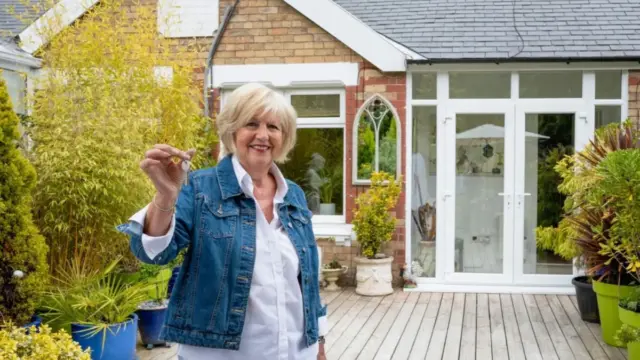
In their late fifties, the couple was living what many would consider an idyllic life in a picturesque village in the south of England. Yet beneath the surface of the postcard-worthy scenery lay the grinding exhaustion of a busy professional life. She worked as a social worker, navigating the heavy emotional toll of a demanding public-sector career, while her husband, Jeff, ran his own small business in the building industry.
Like countless middle-aged couples before them, they found themselves questioning the trajectory of their daily routine. Was this relentless pursuit of work, financial pressure, and material accumulation—symbolized by a long-desired new conservatory—truly what they wanted from the remainder of their lives? Or were they simply compounding their stress with more debt and more worry?
The seeds of their escape had actually been planted a decade earlier, following a turbulent period in both of their personal lives. Each had emerged from messy, painful divorces after 25 years of marriage, having been left by their former partners for other people. For her, the split from her headteacher husband had been particularly traumatic, carrying severe financial consequences that forced her to restart her life from scratch at the age of 45.
It was during this era of rebuilding that Jeff received a modest £12,000 redundancy payment from a previous job. Faced with a choice of how to deploy the unexpected windfall, they weighed the sensible, conventional option of paying down their mortgage against the reckless, burning desire to chase a long-held dream: owning a holiday home in the sun. Mindful of the psychological studies suggesting that one of the most common deathbed regrets is failing to pursue one’s dreams, they chose adventure over financial prudence.
Where Can You Buy a Property for £12,000?
The immediate logistical hurdle to their impulsive ambition was obvious: where on earth could someone purchase habitable real estate for just £12,000?
Traditional European retirement havens like France and Italy were immediately ruled out, their property markets wildly out of reach for a modest redundancy check. The solution came from an unexpected source when Jeff’s father suggested looking eastward toward Bulgaria. The Balkan nation had recently joined the European Union, and property prices remained remarkably depressed compared to Western Europe. Believing that values would soon catch up to neighboring Romania, the couple decided to investigate.
Armed with a suitcase stuffed with cash—reflecting the cash-heavy, informal nature of rural property transactions in the region at the time—they made their exploratory journey into the unknown. Neither had ever visited the country before, a fact that the author now admits was profoundly reckless. It was a classic impulsive move born of midlife displacement, but one that would ultimately alter the course of their lives.
The Property Surpassed Our Wildest Dreams
What they found upon arrival in the Bulgarian countryside exceeded even their most optimistic expectations. Eschewing the complex and idiosyncratic legal details of their eventual purchase, they secured a large, detached village home accompanied by an expansive array of traditional outbuildings. The plot included a barn, a chicken coop, a wash house, a smoke house, and even a historic donkey shed.
Unsurprisingly, the sprawling property required extensive renovation. However, the task did not intimidate them. Armed with Jeff’s extensive professional background in the building trade, the couple felt fully equipped to tackle the monumental repair work themselves.
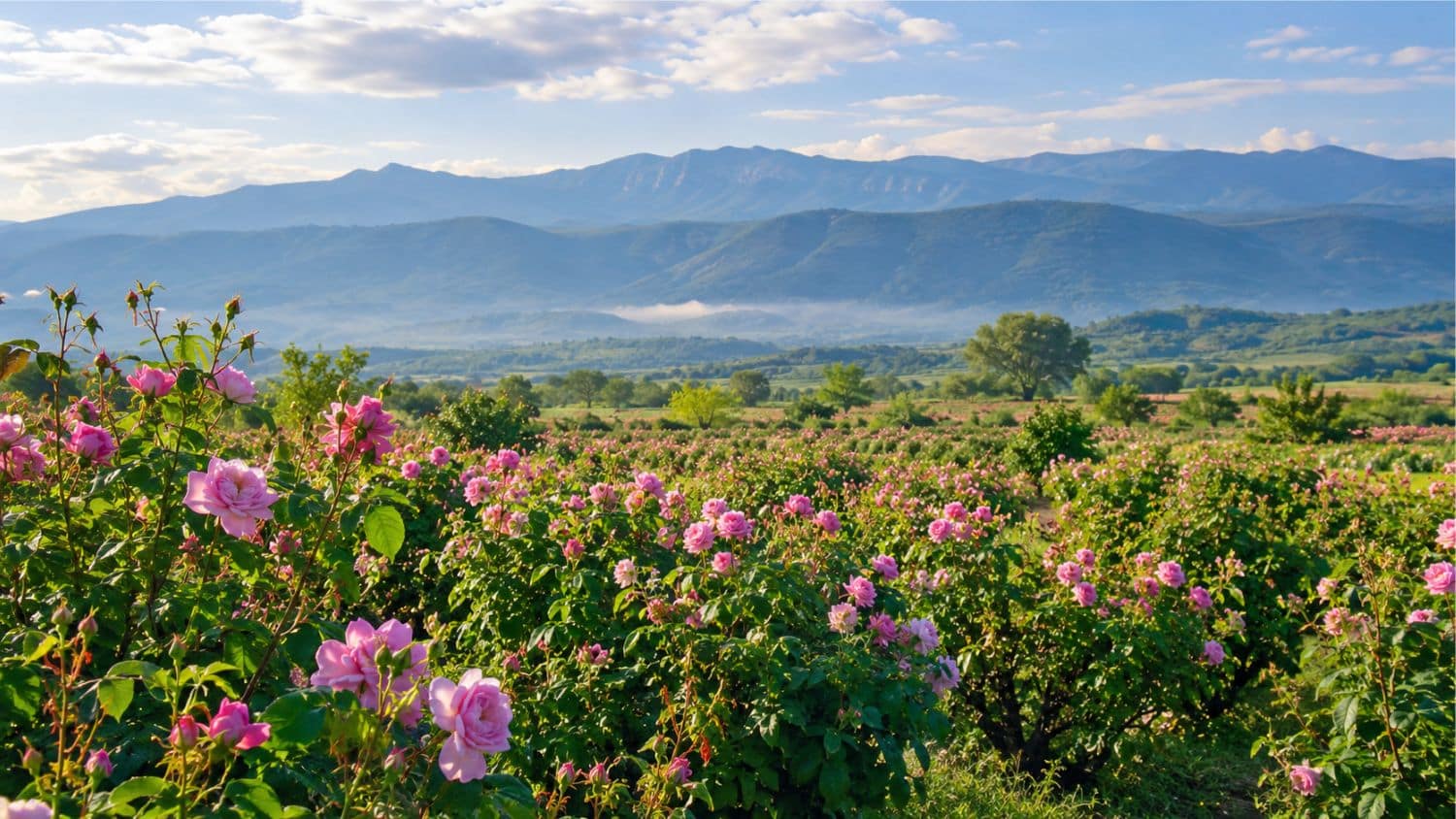
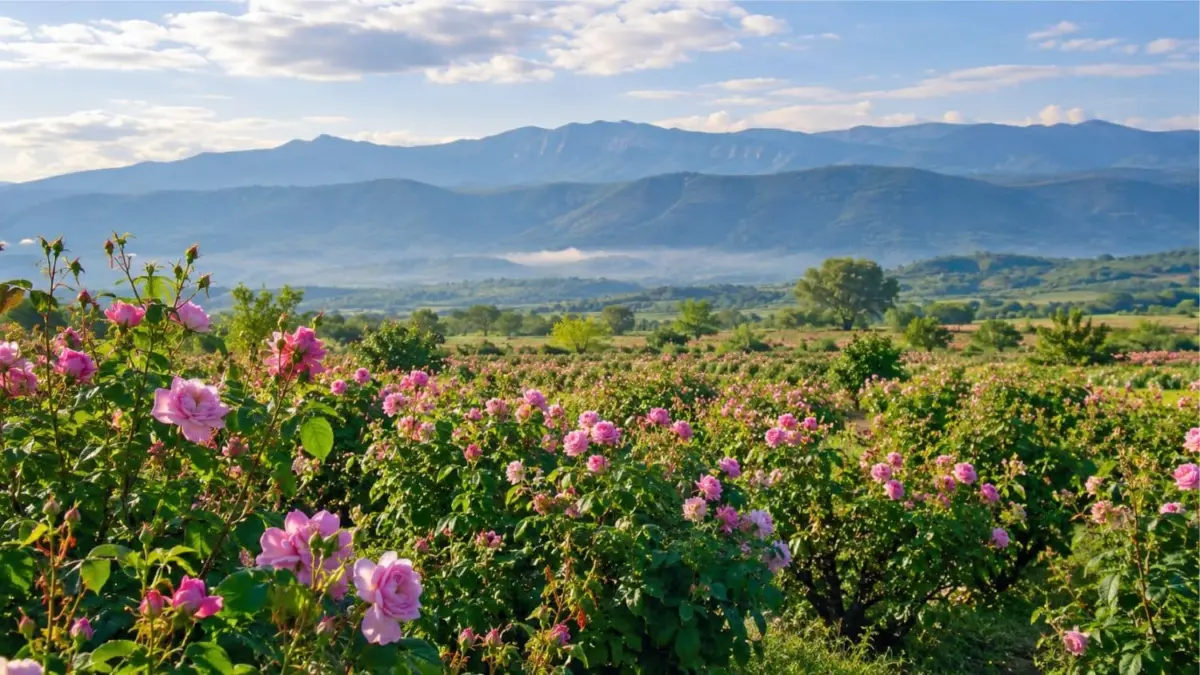
Looking back, while the author strongly advises against purchasing real estate in an unfamiliar foreign country sight-unseen, the gamble paid off spectacularly. They never looked back. For the next nine years, the rhythm of their lives incorporated a biannual pilgrimage to Bulgaria: two weeks every year split evenly between hard labor on the house and peaceful holiday relaxation. Over time, they developed a deep affection for Bulgarian village life, learning to cherish the stark contrast between its quiet simplicity and the mounting pressures of their existence back in England.
Why Did We Leave England?
That nine-year routine of seasonal visits might have continued indefinitely had circumstances in the United Kingdom not deteriorated sharply. As they approached the decade mark of owning their Bulgarian home, the cumulative strain of life in England reached an unsustainable tipping point.
The author was wrestling with severe health complications. Decades of working within social services had already taken a heavy toll, but matters came to a head when she was forced off work due to dangerously high blood pressure. Compounding her physical vulnerabilities was a severe visual impairment. When her employer implemented sweeping updates to the workplace computer system, the specialized accessibility software she relied upon to perform her duties was rendered completely inoperable. Her ability to work was severely compromised, and her professional future dissolved into uncertainty.
At the same time, Jeff’s independent construction business was running into severe financial headwinds. The economic climate in the UK was tightening, and the margin for error in small trades was shrinking rapidly.
The definitive turning point arrived on a quiet afternoon while she sat alone in her back garden. A radio was playing a posthumous interview with veteran British politician Tony Benn, who was speaking about the nature of historical slavery. When an interviewer posed the question of whether slavery still existed in the modern world, Benn offered a blunt, paradigm-shifting response:
"If you have a mortgage, then you are a slave to that mortgage."
For the author, the statement struck home with visceral force. She had spent the vast majority of her working life locked in a grinding struggle simply to keep a roof over her head—a fundamental stability that her first husband had never prioritized, leaving her functionally homeless at 45 and forcing her to spend the next ten years rebuilding from the ashes.
Sitting there in the English garden, surrounded by the mounting pressures of ill health, failing job accommodations, and business debt, she confronted a piercing, clarifying question: What was the point of it all?
She already owned a debt-free home in the sun. The infrastructure for a completely different life was already waiting for them abroad. Within months, the decision was made to abandon the treadmill of modern British life and complete their permanent transition to the Bulgarian countryside.
As the couple settles into this next chapter, sharing the realities of their transition and the rich cultural tapestry of their adopted home, the story invites reflection on the price of comfort, the definitions of freedom, and the courage required to walk away from everything you know to find peace.