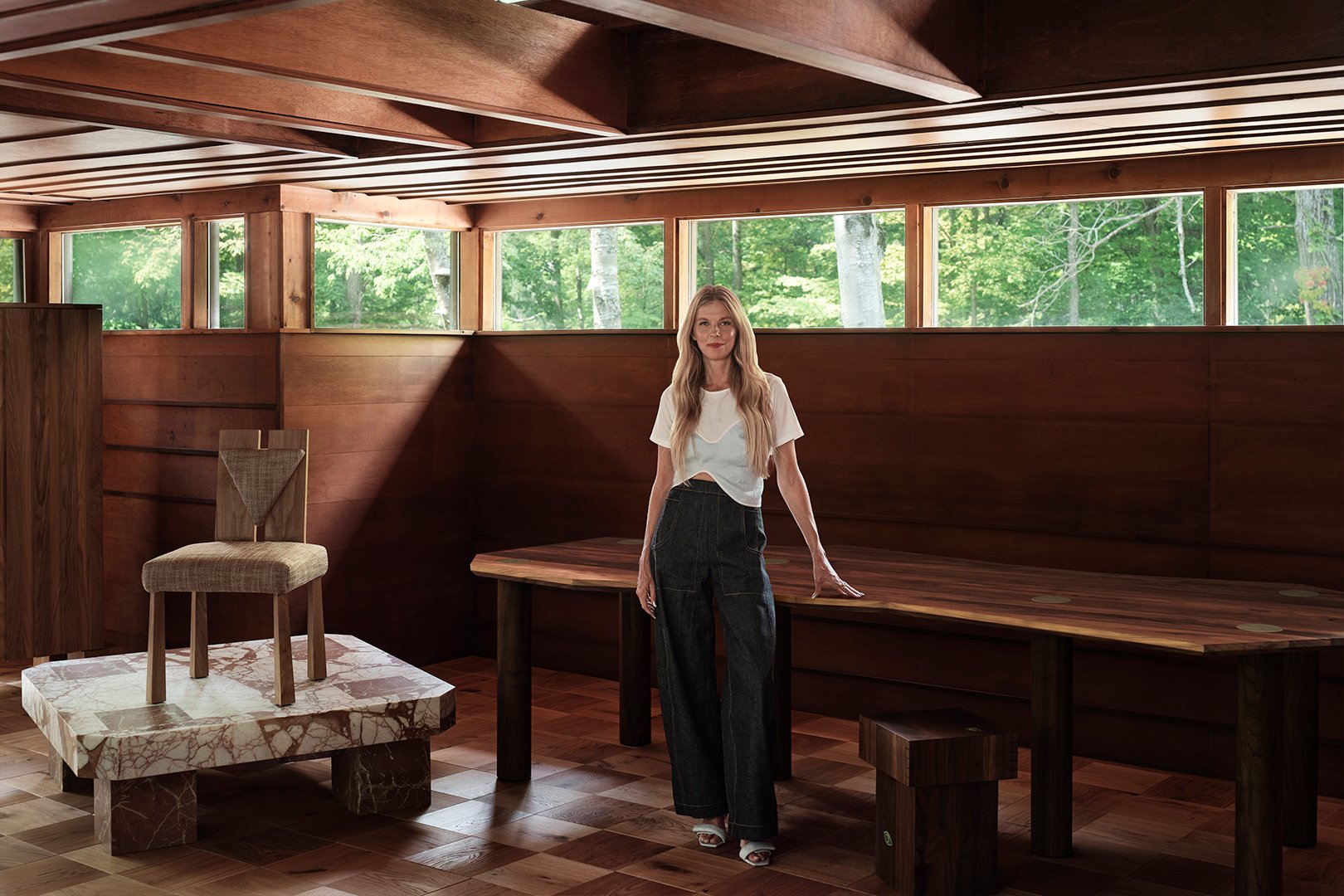
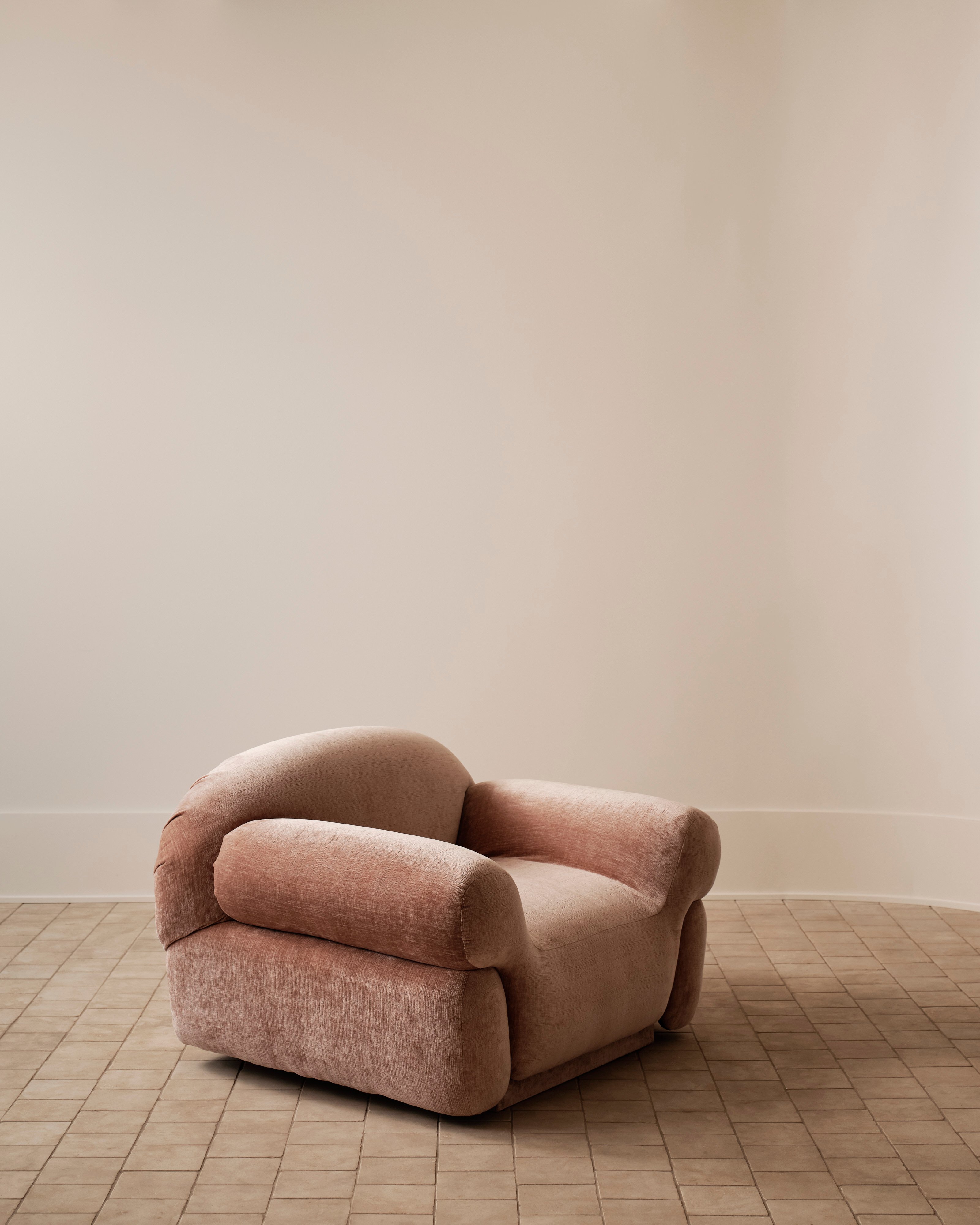
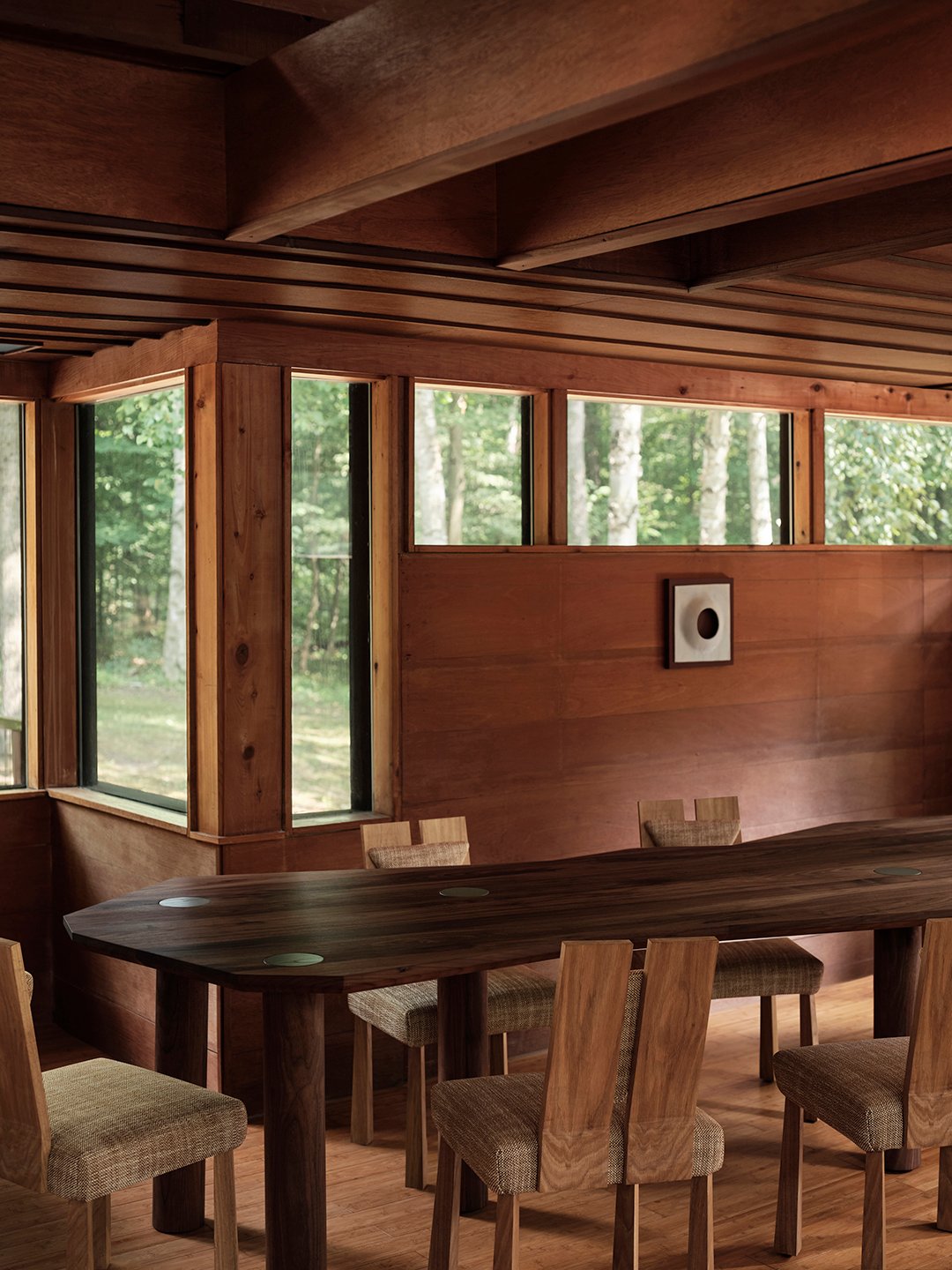
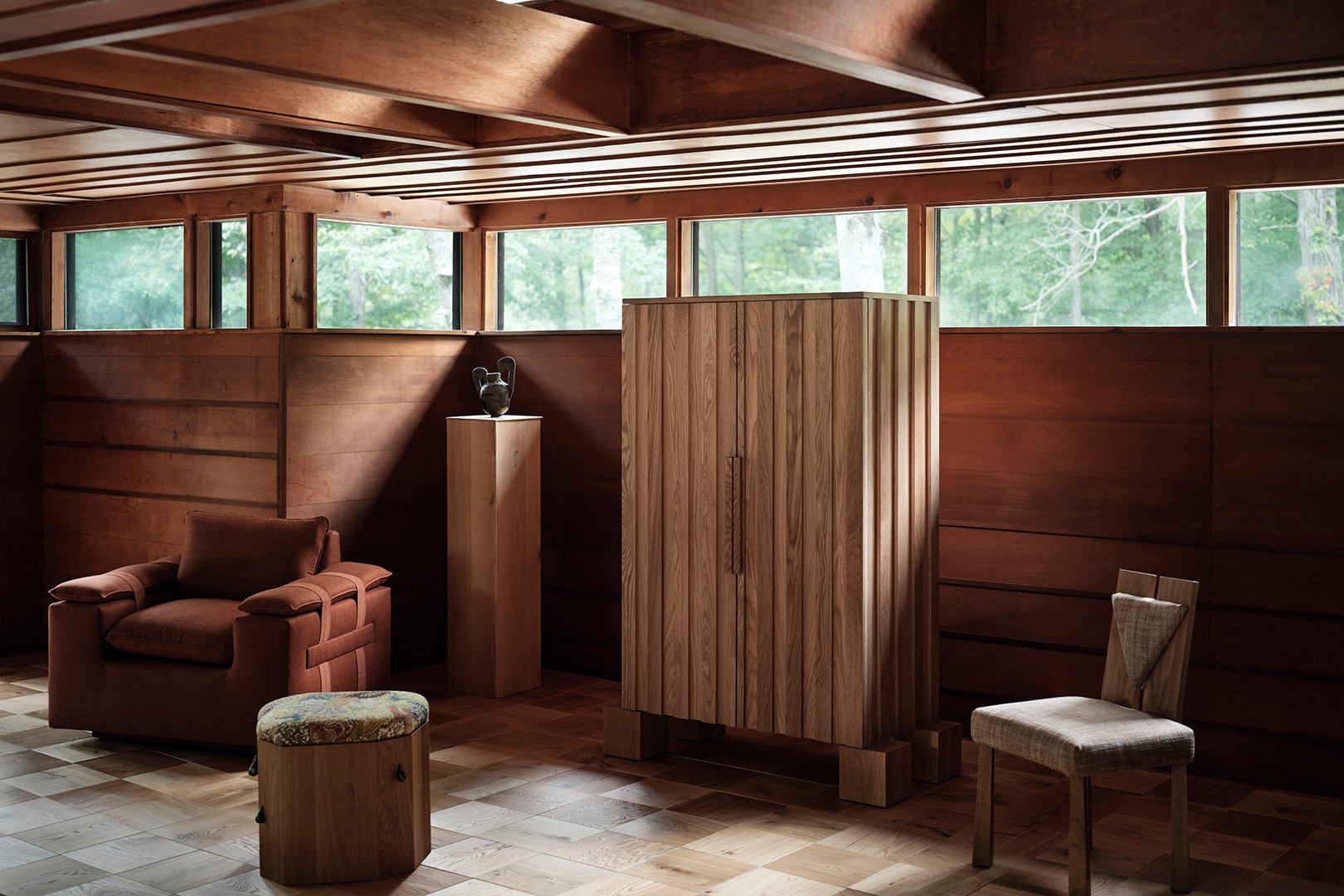
This deeply personal trip down memory lane forms the foundation of her new SSS Atelier fall collection. Rather than relying on generic seasonal tropes, the pieces are adorned with cheeky, clever nods to the distinctive Midwestern landscape that shaped her early aesthetic sensibilities. Among the standouts is the Kite Chair, a seating option that directly references the classic childhood pastime with its sharply defined triangular back cushion. Nearby in the collection stands the Fort Cabinet, which loosely recalls the tactile visual of stacked wood through its slatted, rhythmic facade. Meanwhile, the Bivvy lounge chair takes its name from a bivouac, evoking a temporary camp shelter in the wild, while the rambling, organic shape of the Au Sable dining table traces the winding path of its namesake Michigan river.
This robust furniture line is just one facet of what has been a remarkably busy period for the designer. Alongside launching these new pieces, Samuel has been expanding her creative footprint by opening her own physical gallery and diving headfirst into the meticulous renovation of a mid-century modern home. As design enthusiasts continually look to her for cues on fresh color palettes, clutter-elimination strategies, and high-impact home investments, Samuel’s expert perspective remains one of the most sought-after voices in contemporary interior design.
The Most Challenging Design in My New Collection
While the collection flowed naturally from a place of deep personal nostalgia, translating those memories into functional, high-end furniture was no small feat. According to the designer, the process required extensive trial, error, and refinement during the prototyping phase.
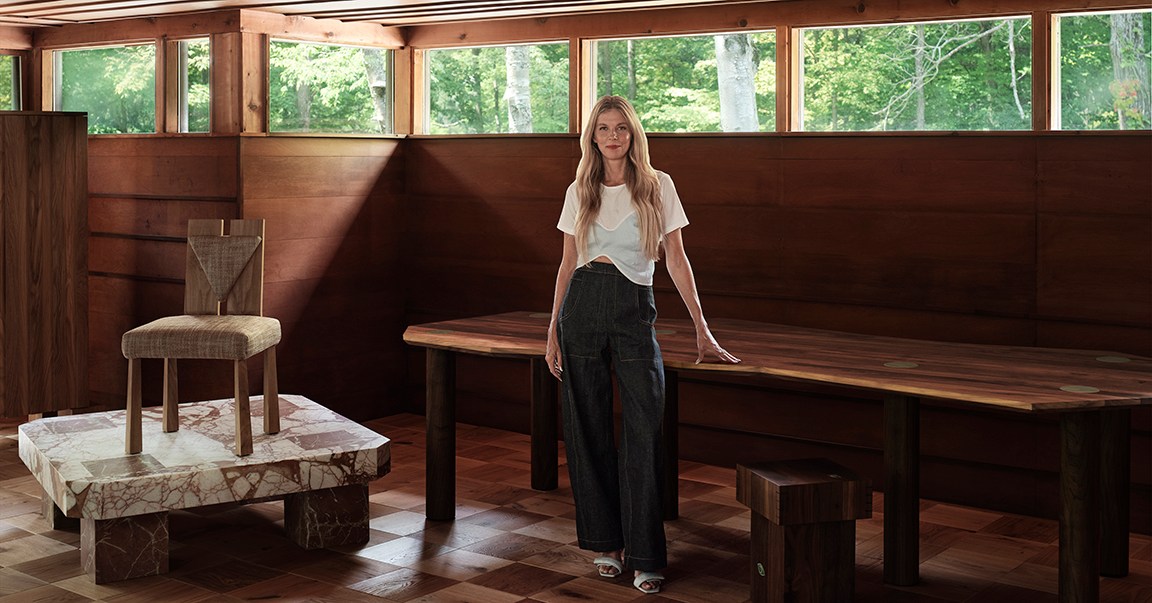
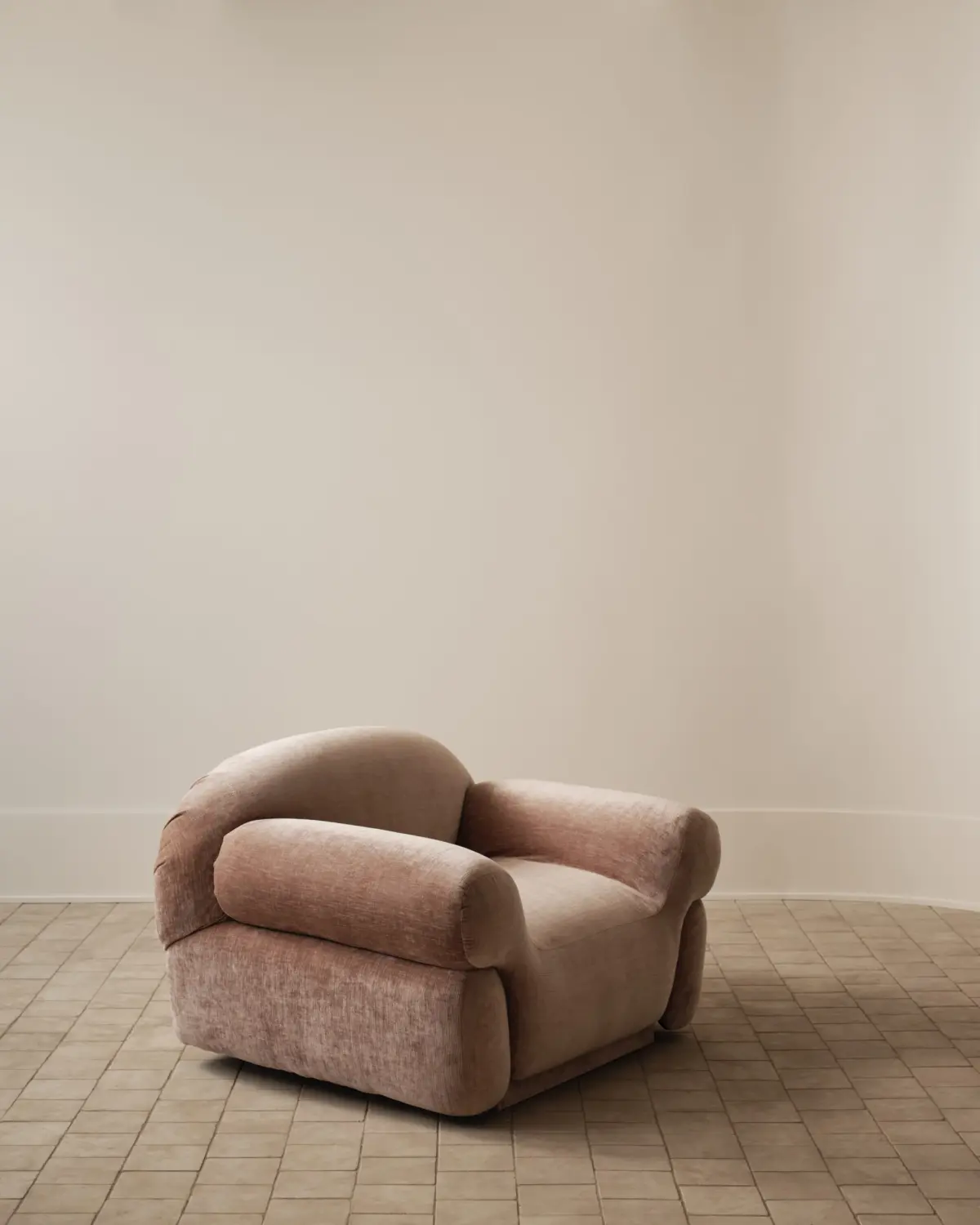
The Dune Chair proved to be the most challenging piece to bring to life. At first glance, the furniture item appears deceptively simple, but achieving its precise, fluid curves demanded meticulous attention to detail. Samuel wanted the piece to possess a soft, sculptural quality without ever tipping over into feeling overly designed or precious. Consequently, her team kept refining the silhouette until the final form felt entirely effortless.
The Pattern, Color, and Material on My Radar This Fall
As the seasons shift, Samuel’s creative radar is locked onto specific visual elements that she believes will define the contemporary design landscape.
When it comes to pattern, she remains strongly drawn to botanical motifs, though with a distinct twist. Rather than leaning into designs that feel overly sweet or traditional, she favors botanical patterns that feel wild, untamed, and abstracted.
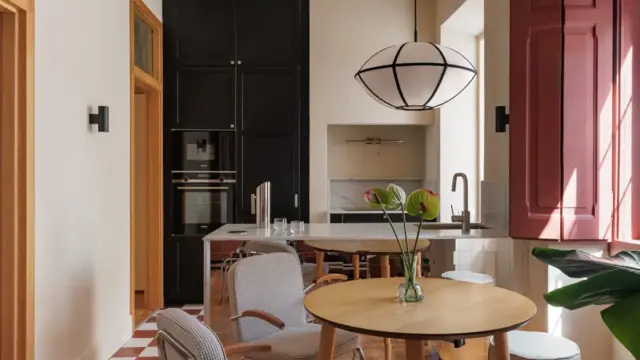
On the color front, oxblood is currently leading the charge in her palette. Samuel embraces these deep wine and brown-red tones for the immediate richness and warmth they bring to a space, noting that they feel substantial without ever becoming overly precious, and pair particularly well with natural wood grains.
Materiality-wise, ceramic is taking center stage. Having spent significant time working directly with clay lately, Samuel loves introducing that raw, hand-worked quality into interiors, especially when a ceramic element is placed in direct juxtaposition with something much more refined and polished.
The Piece That Feels the Most Me
For a designer with a sprawling portfolio of products, identifying a single signature piece can be difficult, but Samuel points directly to the Pier Side Table as the ultimate expression of her personal design ethos.
The table encapsulates the core elements she is continually drawn to: a strong, clean, and simple silhouette, honest natural materials, and an unexpected artistic gesture. In this case, that artistic touch comes in the form of handmade ceramic eye inlays crafted by Samuel herself.
The Makers and Artists Inspiring Me
Samuel’s current creative inspirations stretch far beyond traditional interior design boundaries. Instead, she finds herself drawn to contemporary makers and artists who successfully forge their own unique language across disparate disciplines.
In assembling the roster of talent for her gallery’s inaugural show, she looked to boundary-pushing creators who challenge conventional categorizations. The roster of inspiring minds includes Steven Haulenbeek, Misha Kahn, Jay Sae Jung Oh, John Torreano, Thaddeus Wolfe, Chris Schanck, and Krista Mezzadri.
The Childhood Design Moment That Still Hits
Samuel’s foundational appreciation for architecture and spatial design traces directly back to her formative years attending Lake Hills Elementary. Built in the early 1970s, the school embodied a very specific late-mid-century architectural vernacular.
The building was low and sprawling, organized into flexible learning pods and communal spaces rather than conventional, rigid classroom corridors. Set directly into acres of wooded dune land, the campus left a permanent impression on the young student. That early, immersive experience of seeing architecture seamlessly integrated with the natural landscape—where spaces were defined through volume and spatial connection rather than superficial decoration—continues to influence her work today.
The Things I’d Store in the Massive Fort Cabinet
When asked about the practical realities of outfitting a home with large-scale storage, Samuel embraces a philosophy centered on maximum utility hidden behind beautiful exteriors.
The massive Fort Cabinet, in her view, is designed to hold virtually everything. She is perpetually drawn to furniture pieces that effectively mask the chaotic realities of daily living while remaining stunning aesthetic objects in their own right. A monolithic cabinet of this scale can effortlessly conceal a television alongside all accompanying electronics, a home bar, extra linens, serving pieces, board games, books, or art supplies.
Her overarching organizing philosophy is disarmingly simple: give everyday items a designated home right where you actually use them. Samuel has abandoned the strict adherence to where items are traditionally "supposed" to go, opting instead to evaluate where her household naturally reaches for things. Above all, she champions the power of beautiful closed storage, preferring a large cabinet with solid doors where the clutter can simply be tucked away out of sight.
The Purchases I’m Excited to Make This Season
When looking to invest in her own living spaces, Samuel always prioritizes art. She notes that art possesses a unique ability to completely transform the mood and dynamic of a room without requiring any other physical changes to the space. She actively seeks out pieces that introduce creative concepts she could not have dreamed up herself, making those acquisitions the ones she is most eager to live with day-to-day.
Beyond fine art, she is also looking forward to incorporating functional pieces from her own collaborations into her personal environment, specifically highlighting the Calliope linear chandelier from her latest collection for Lulu and Georgia.
The Projects on My Punch List
On the residential front, Samuel and her family are deeply immersed in a major architectural undertaking. About a year ago, they purchased a mid-century modern home designed by James R. Bronkema.
Because the property underwent a significant renovation back in the 1990s, Samuel is currently working on peeling back those intervening layers. The goal of the ongoing project is to bring the structure much closer to its authentic mid-century roots while thoughtfully updating it to remain relevant to the practical needs of modern family life.
The Design Trend I’m Over These Days
Rather than harboring a strong aversion to any single, passing micro-trend, Samuel’s primary design fatigue lies in uniformity. She is increasingly eager to move away from interiors where every single item feels as though it was purchased at the exact same moment from the exact same source.
Instead, she advocates for rooms built on visual tension and rich layering: pairing an antique piece next to something entirely modern, placing something highly refined right alongside a raw, handmade object, or positioning a strange, challenging work of art next to a remarkably simple piece of furniture.