
For many residents, however, the prospect of tackling a comprehensive yard overhaul can feel daunting. Approaching a landscape refresh in manageable stages remains a popular strategy for preventing burnout, particularly for homeowners who manage their garden maintenance independently. This measured approach—breaking down large tasks into smaller, achievable blips of work over a couple of afternoons—allows individuals to enjoy the physical labor of connecting with nature without becoming overwhelmed by ambitious landscaping projects.

To streamline the seasonal transition, partnering with major home improvement retailers has become a common approach for securing necessary supplies efficiently. Utilizing online ordering platforms with in-store pickup options enables gardeners to acquire essentials ranging from heavy-duty planting tools to outdoor leisure accessories, such as patio umbrellas, with minimal friction. Retailers like Lowe’s provide accessible inventories that cater to both seasoned horticulturists and beginner gardeners looking to restore order to their outdoor spaces.
Planting and Replanting
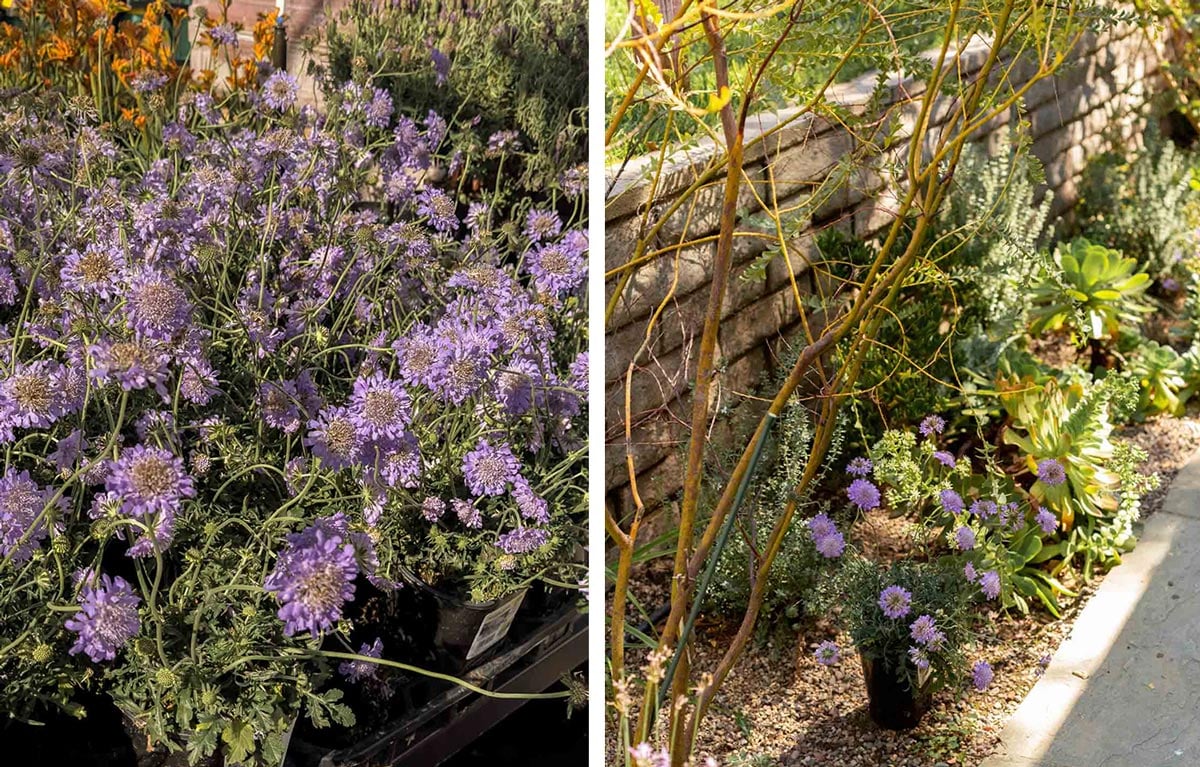
Seasonal transitions inevitably reveal the casualties of winter weather, making the replacement of dead or struggling foliage a primary priority for any backyard refresh. Filling in vacant garden beds typically involves selecting resilient varieties capable of withstanding fluctuating seasonal conditions. Gardeners frequently turn to dependable perennials, ornamental grasses, and aromatic additions like society garlic to restore vibrancy to depleted soil beds at a modest cost.
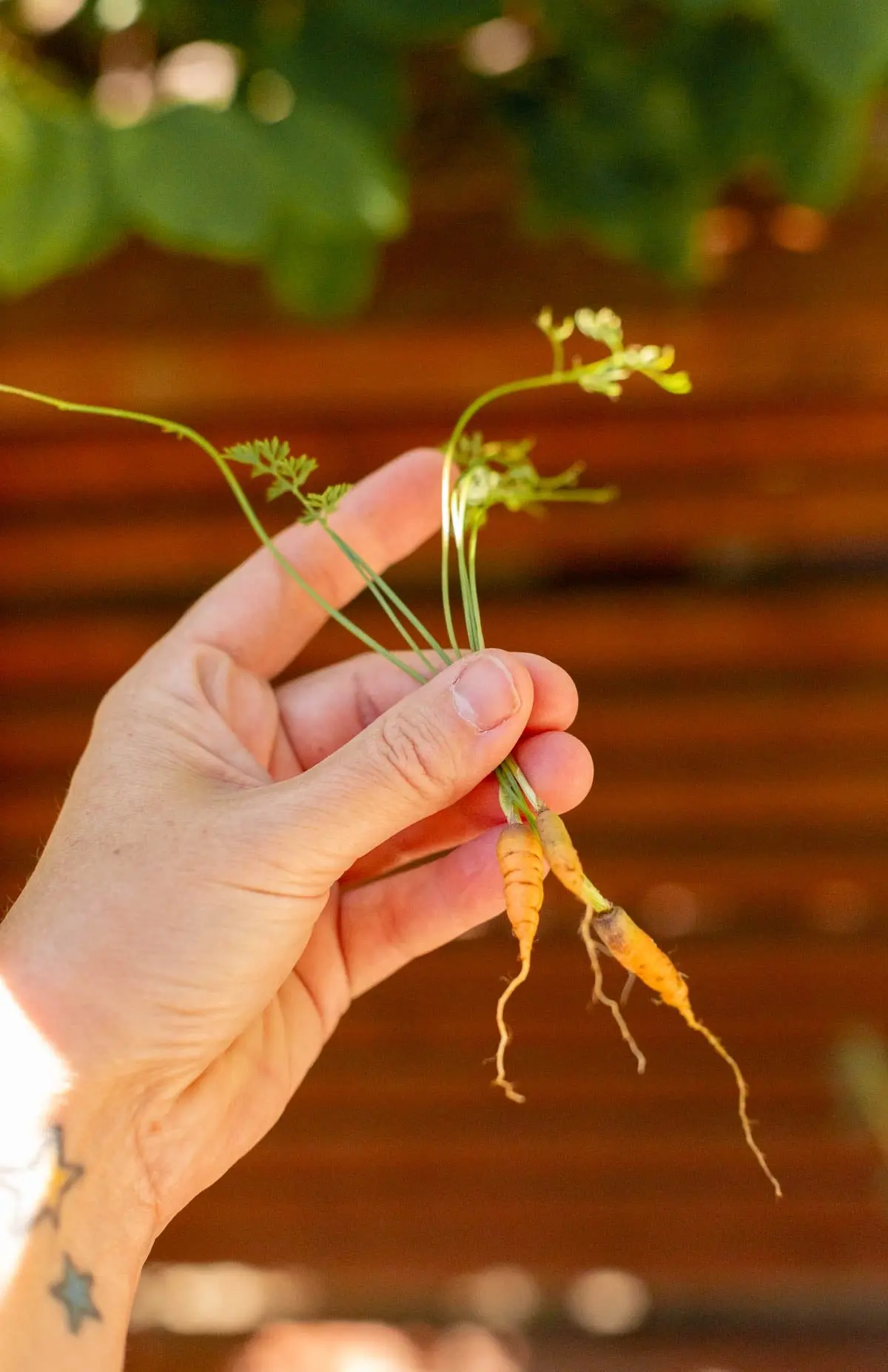
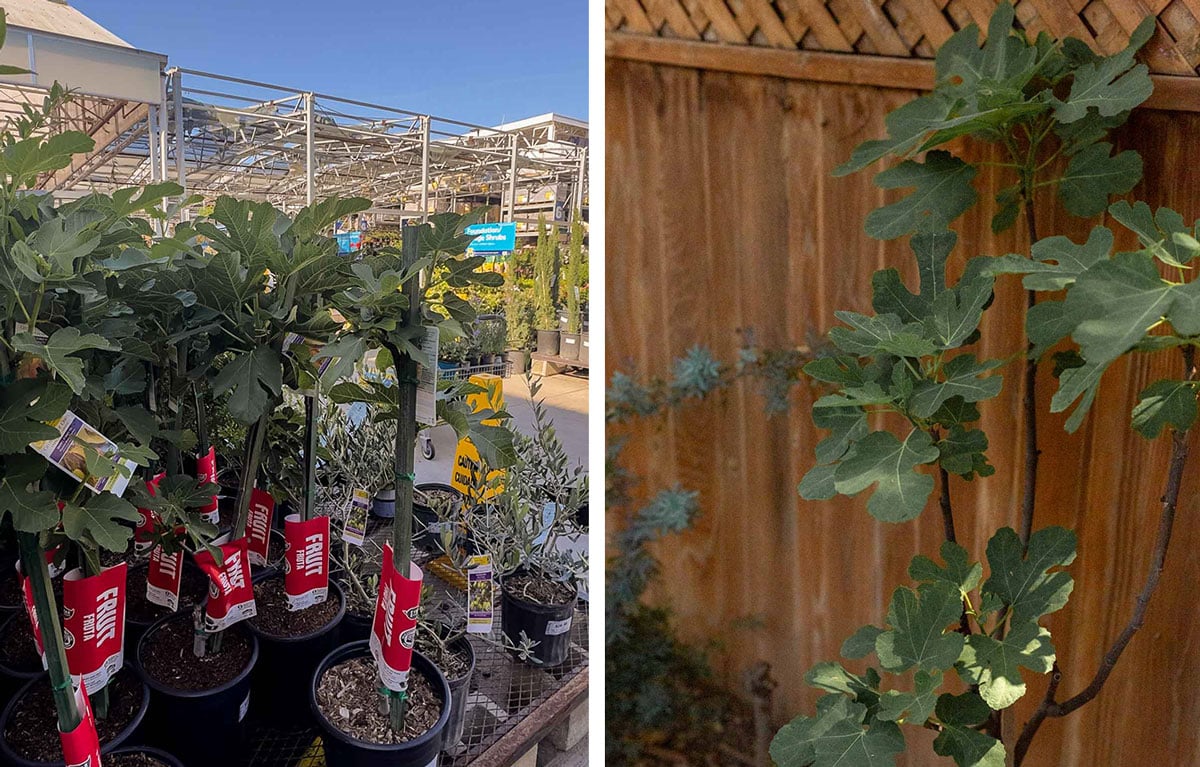
Beyond basic bed maintenance, spring often inspires spontaneous additions to home landscapes. Expanding beyond traditional flower beds, many gardeners take advantage of local nursery selections to introduce fruit-bearing flora, such as potted fig trees, which thrive in warm climates and offer rich foliage alongside future harvests. Similarly, cultivating vegetables from seed—ranging from root crops like carrots to climbing varieties—provides a rewarding, if patient, exercise in homegrown agriculture, even if initial yields are modest in scale.
Successful planting relies on a streamlined collection of reliable tools rather than an excess of specialized gadgets. Essential implements typically include a compact garden trowel for delicate placement, a sturdy digging shovel for larger specimens requiring substantial holes, and durable gloves to protect hands during extended soil work. Maintaining these core tools ensures that routine planting tasks remain efficient and uncomplicated.
Replanting and Managing Volunteer Growth
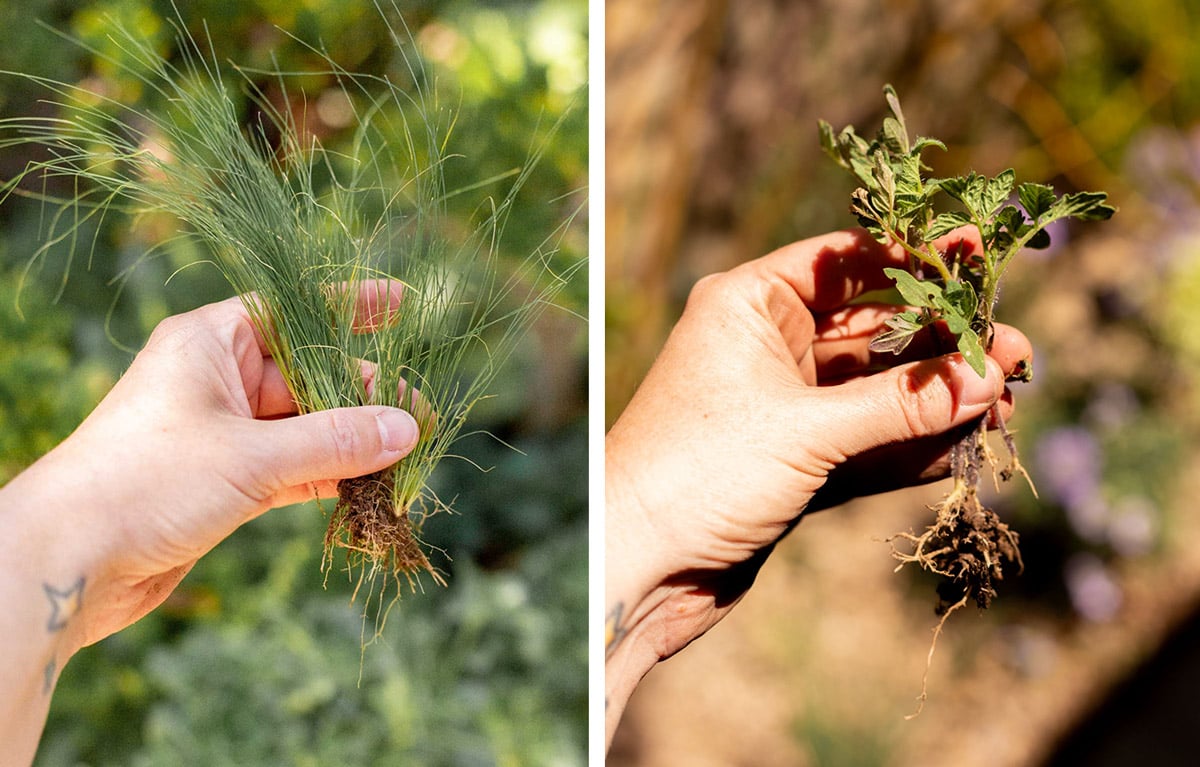
As established plants outgrow their initial containers or garden pockets, shifting attention toward repotting and managing volunteer growth becomes essential. Volunteer plants—specimens that sprout naturally without deliberate cultivation, often originating from wind-borne seeds, wildlife activity, or leftover produce—frequently emerge during the spring months.
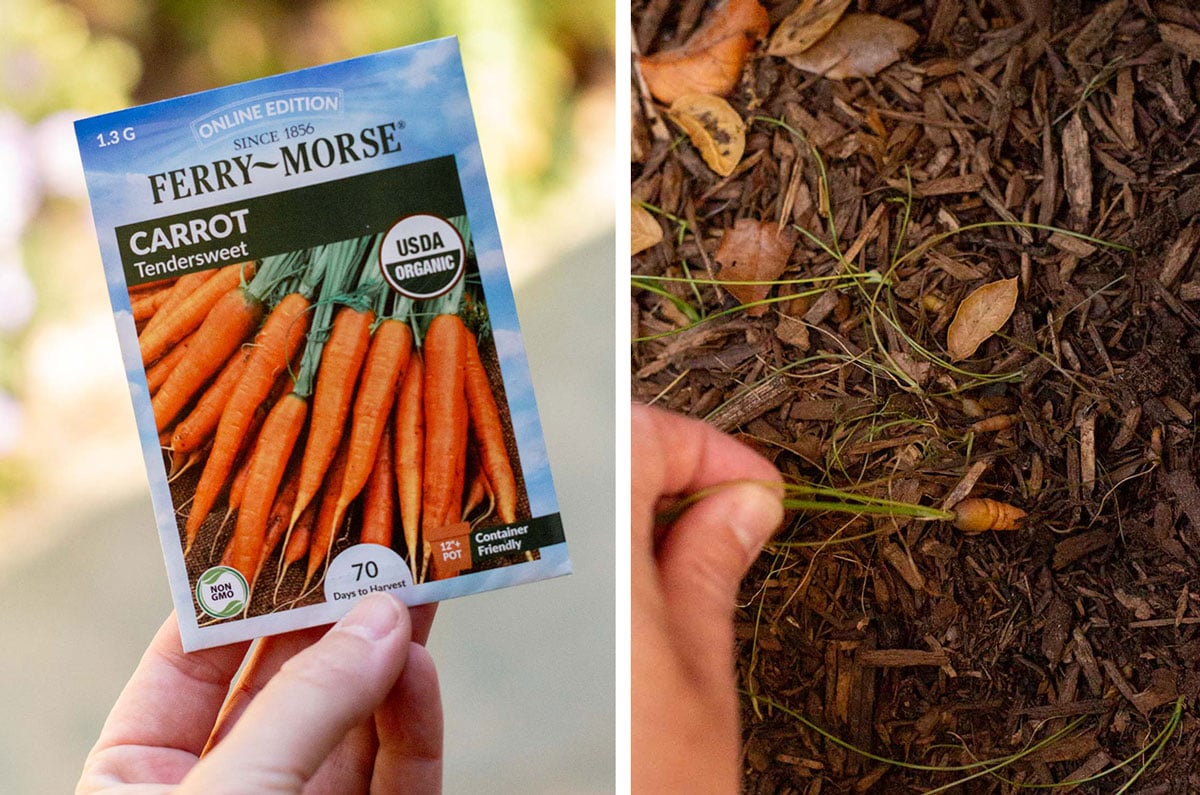
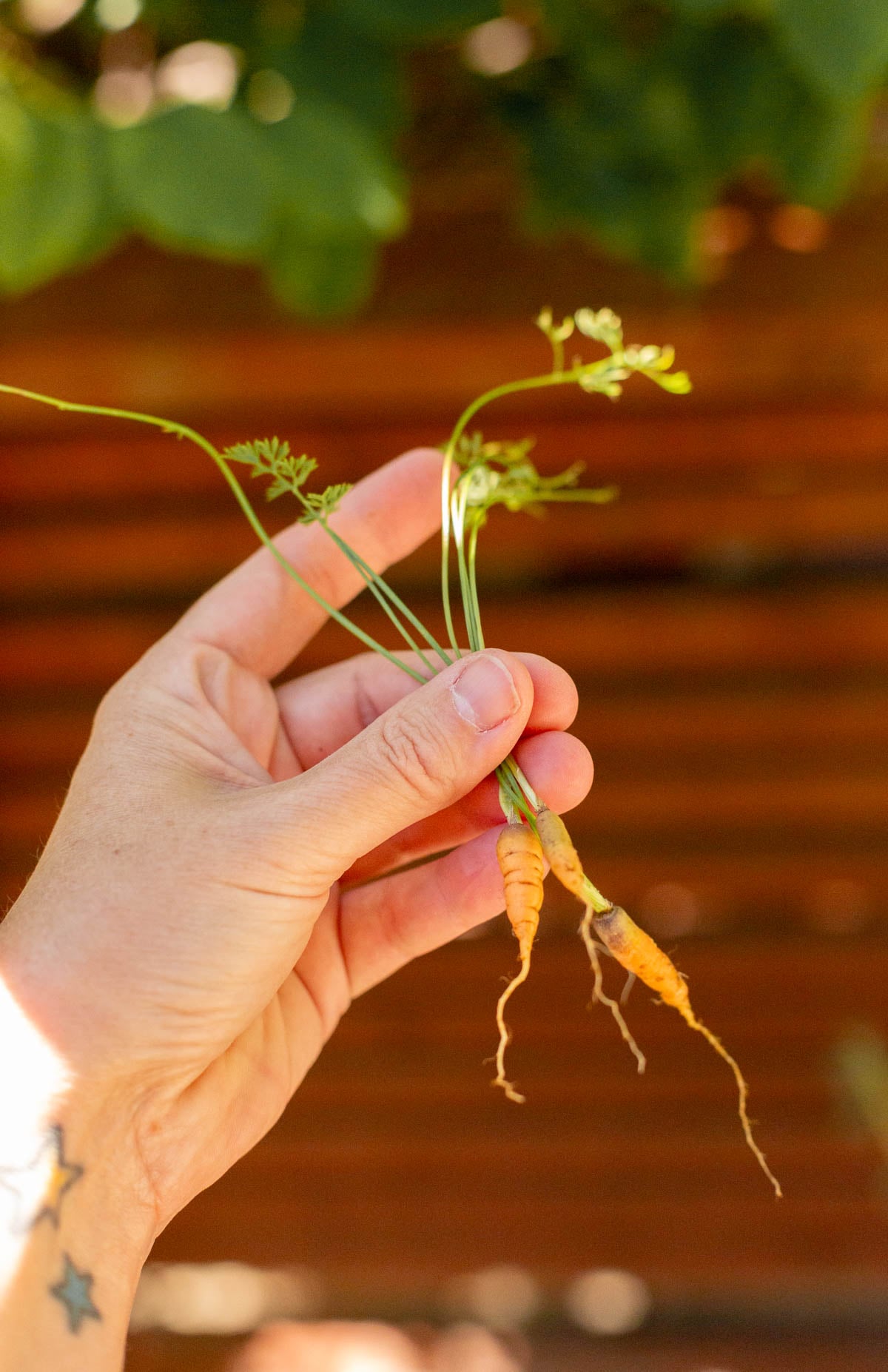
Managing these unexpected arrivals requires local awareness, as certain fast-spreading varieties can quickly overwhelm garden beds if left unchecked. For instance, specific ornamental grasses common to the California landscape can exhibit invasive tendencies, prompting gardeners to relocate them swiftly to designated containment areas or remove them entirely to prevent overcrowding. Meanwhile, accidental sprouts from seasonal produce, often aided by domestic animals interacting with low-hanging vines, offer opportunities to experiment with free plant propagation.
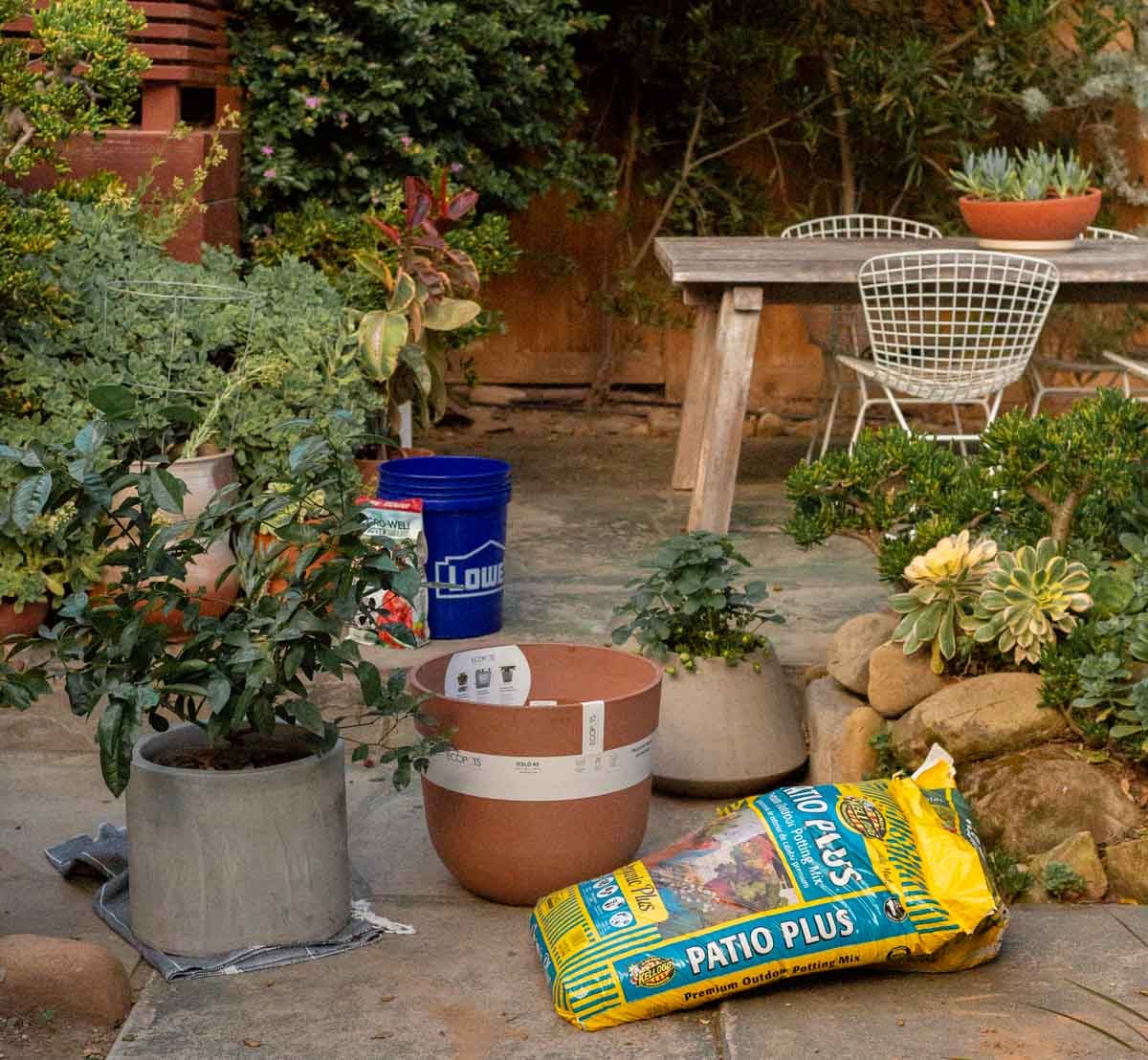
Upgrading container environments for rapidly developing specimens is another crucial seasonal task. Citrus trees and other thriving potted plants frequently outgrow their initial enclosures, necessitating transitions into larger vessels. Selecting containers manufactured from durable, UV-resistant, and recyclable materials helps ensure longevity while keeping the overall weight manageable once heavy garden soil and root systems are added.
Pruning and Propagating
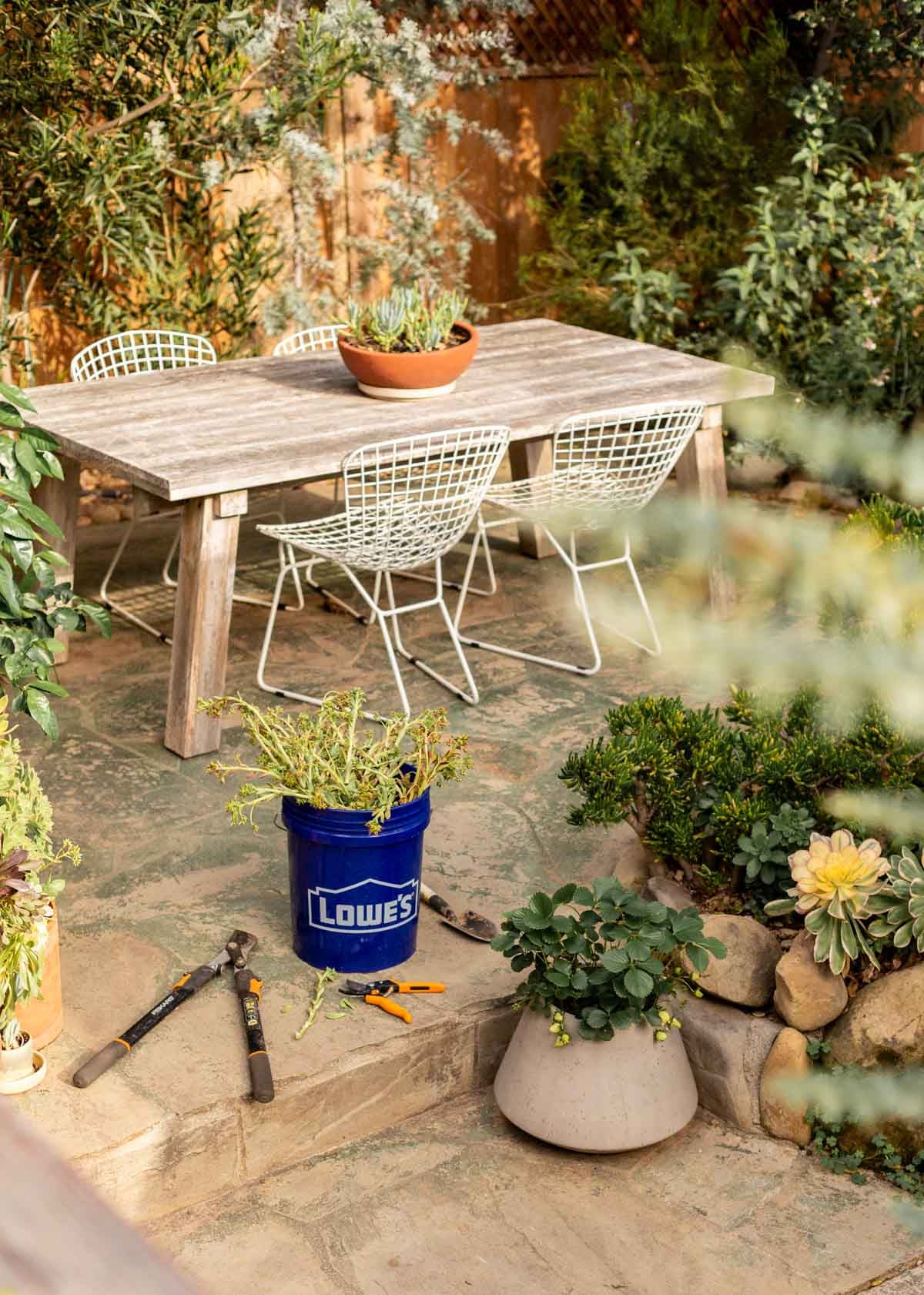
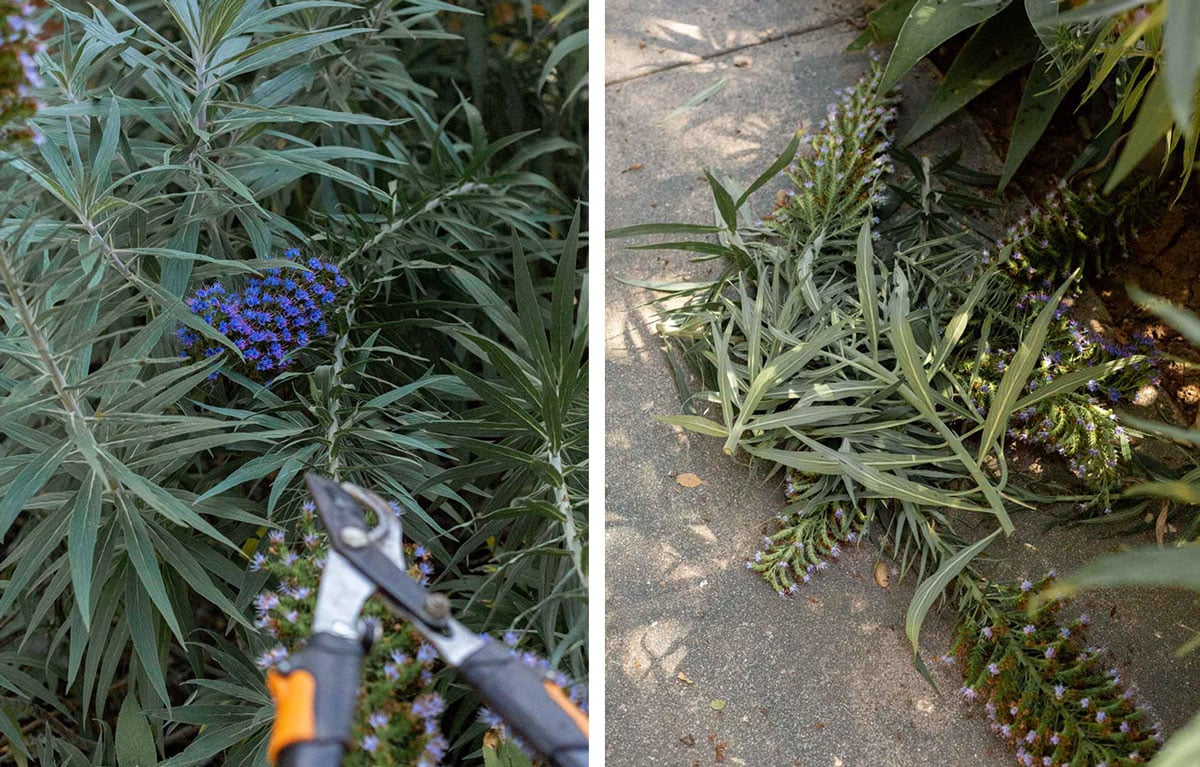
The arrival of spring serves as a standard marker for pruning back overgrown trees, shrubs, and large ornamental bushes. Rapidly expanding perennial shrubs often require significant reduction to maintain balanced proportions and encourage healthy seasonal development. Executing these cuts with sharp, well-maintained hand pruners and loppers ensures clean edges that promote rapid healing and vigorous new growth.
In tandem with pruning, plant propagation represents a sustainable method for expanding a garden without incurring additional costs. Succulents, in particular, lend themselves exceptionally well to propagation, exhibiting high success rates when cuttings are taken close to the root system and transferred to fresh soil. Gardeners frequently harvest these clippings when established plants become top-heavy or produce excessive flowering stalks, redirecting the plant’s energy toward structural development while multiplying greenery across different areas of the yard.
Supporting Plants and Enhancing Vertical Space
Providing adequate physical support for climbing and heavy-yielding plants is a fundamental aspect of backyard maintenance. While basic staking offers a utilitarian method to prevent wind and rain damage, incorporating structural elements like trellises introduces both functional utility and aesthetic appeal.

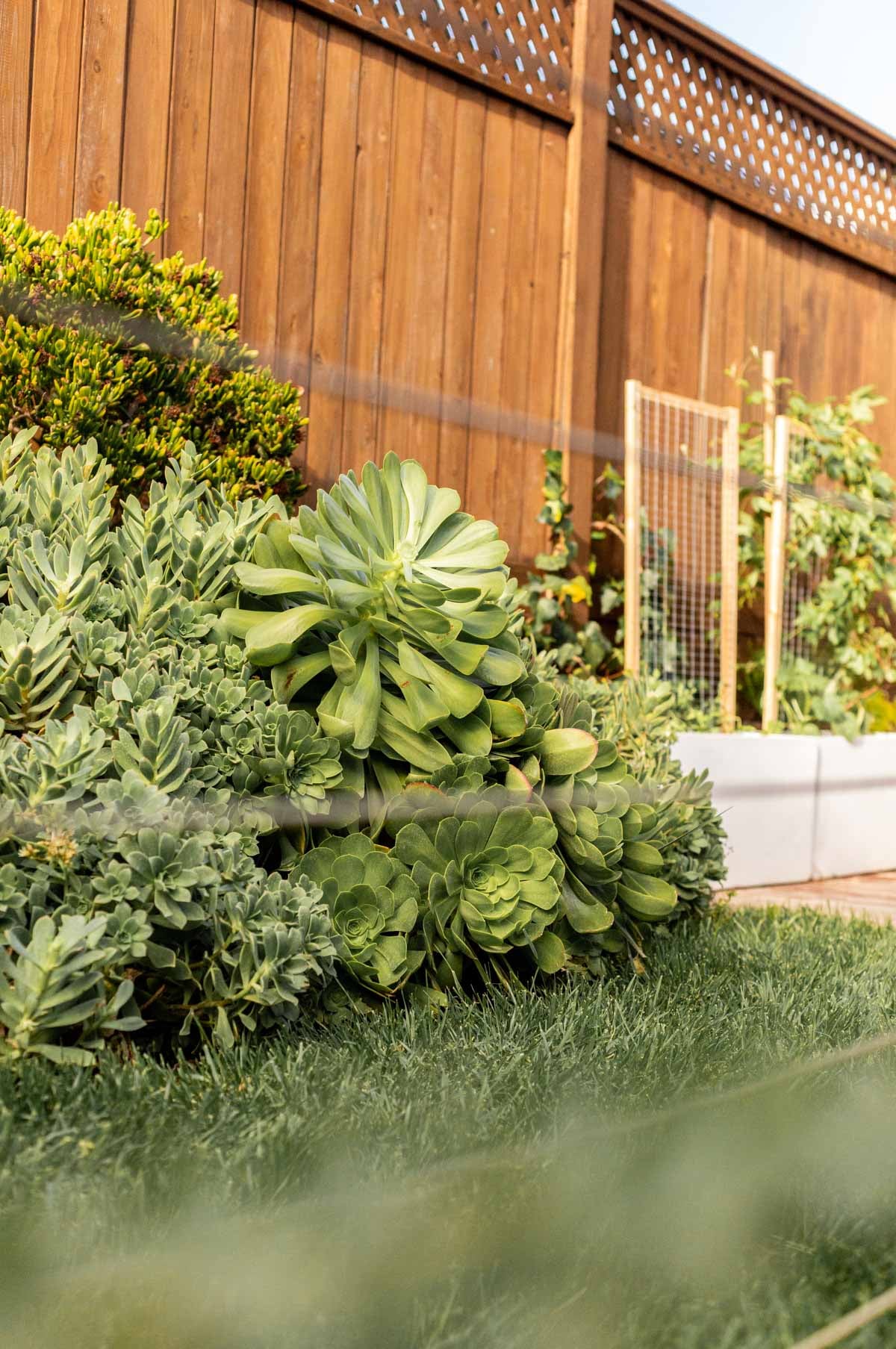
Minimalist trellises serve as effective supports for vining crops such as snap peas and passionfruit, while simultaneously offering practical solutions for concealing weathered fencing or other minor structural imperfections when budget constraints preclude major renovations. Beyond visual screening, vertical gardening structures improve air circulation and maximize sun exposure, contributing to overall plant health and reducing susceptibility to pests and common garden diseases.

Through a combination of selective planting, careful pruning, strategic container management, and the integration of vertical supports, a neglected backyard can be systematically restored into a functional and vibrant outdoor retreat. By utilizing accessible retail resources for seasonal supplies and maintaining a measured, stage-by-stage workflow, homeowners can achieve a sustainable landscape refresh without sacrificing the enjoyment of hands-on gardening.