

While mainstream news outlets frequently fixate on national personal debt crises, economic downturns, and widespread health epidemics, a counter-narrative suggests an entirely different societal affliction: overindulgence and extreme physical and mental ease. Modern life in developed nations has engineered nearly every form of hardship out of daily existence. Yet, rather than fostering profound satisfaction, this unprecedented level of comfort appears to be quietly eroding human resilience, mental health, and overall well-being.

Understanding The Comfort Crisis
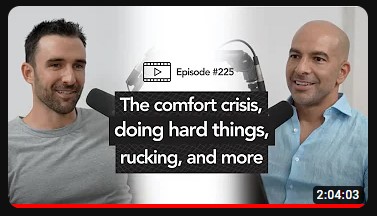
Michael Easter, a former writer for Men’s Health and someone who overcame a severe personal and generational battle with alcohol addiction, brings a unique perspective to the intersection of hardship and human behavior. His book weaves a dual narrative, alternating between the grueling reality of an extreme caribou hunting expedition in the remote wilderness of Alaska and the scientific, psychological, and cultural research that explains why human beings struggle so profoundly in modern environments.
Rather than serving as a standard self-help guide, the book functions as an exploration of evolutionary biology. Humans evolved in environments defined by scarcity, physical exertion, and environmental unpredictability. Today, however, society operates in climate-controlled, highly sanitized boxes, relying on vehicles for transportation, processed foods for sustenance, and digital distractions to fill every moment of silence.

This mismatch between biological wiring and modern existence manifests in subtle and pervasive ways. Psychological studies highlighted in the book reveal a troubling human tendency: the brain continuously scans the environment for threats. When genuine survival threats disappear from daily life, people do not simply feel safer and more content. Instead, the human threshold for what constitutes a problem shifts downward.
This phenomenon explains why individuals living in safe, affluent suburban neighborhoods can find themselves consumed by trivial grievances, such as neighborhood aesthetic disputes or minor community infractions. As societal problems shrink, people manufacture new ones, creating an insatiable appetite for artificial conflict. Politicians and media outlets readily exploit this psychological vulnerability, engineering wedge issues that foster endless cultural bickering over matters that would otherwise go completely unnoticed.
The Paradox of Resilience and Nature Deficit
Conversely, individuals embedded in genuinely challenging or harsh environments often display remarkable resilience. Interviews with residents in active conflict zones or first-generation immigrants who adapted to rigorous early conditions frequently reveal lower baseline levels of complaining and a higher capacity for endurance. Immigrants moving to developed nations often perceive the local economy as remarkably prosperous and manageable, which can translate into high financial discipline and wealth accumulation. However, subsequent generations, born into absolute comfort, frequently lose this edge, drifting toward complacency and overspending.
Beyond behavioral psychology, The Comfort Crisis explores the biological necessity of nature. Human physiology responds powerfully to natural stimuli—a phenomenon demonstrated by research showing that even placing a single plant in a hospital room measurably accelerates patient recovery. Prolonged immersion in a natural environment offers profound restorative effects that urban cubicles and vehicle commutes actively counteract.

Human biology also maintains a complex relationship with physical exertion. Statistics show that when given a choice between stairs and an escalator, only two percent of people opt for the stairs. This deep-seated aversion to physical effort exacts an enormous toll on public health. Regular physical movement, particularly when paired with demanding tasks and natural surroundings, serves as a powerful deterrent against a wide array of chronic physical and mental ailments. Yet, modern populations continue to default to sedentary routines, seeking medicalized solutions for health issues that stem fundamentally from a lack of basic physical engagement.
Real-World Application in the Mountains of Colorado
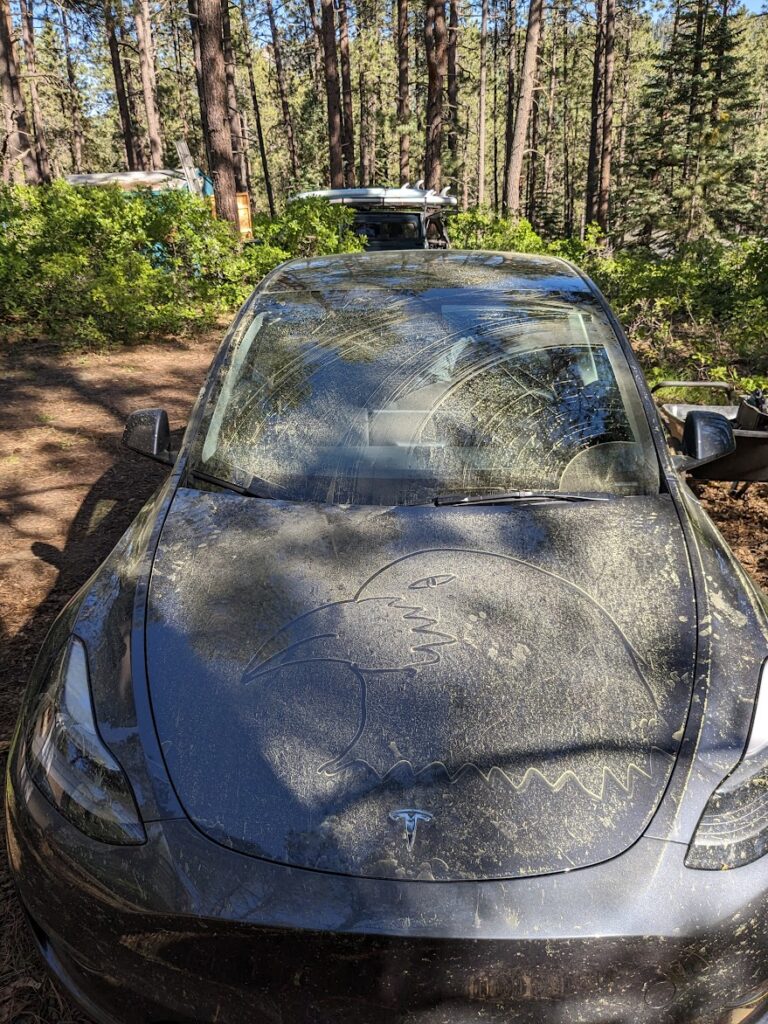
The theoretical insights of Easter’s work found immediate application during a solo trip to the mountains of Southwestern Colorado. The journey involved shifting daily existence into a compact electric vehicle—serving as both transport and lodging—while tackling demanding physical labor on two distinct construction projects: renovating a property in Salida and building a small cabin in the high desert outside of Durango.

True to the book’s thesis, the trip immediately introduced a series of minor frustrations. A torrential rainstorm, a moving violation resulting in a traffic fine and license points, and a flying pebble that instantly cracked a brand-new windshield combined to throw off a traveler accustomed to absolute domestic stability. In the context of a comfortable modern life, these trivial inconveniences initially induced disproportionate stress.
However, as the days progressed in the harsh, sun-scorched, and pollen-heavy environment of the Durango mountains, a psychological shift occurred. The grueling physical labor, lack of indoor plumbing, careful water conservation, and sleeping alone in a vehicle transformed the experience. Rather than inducing depression, the continuous exposure to physical challenge fostered a rising sense of capability and resilience.

A remote paddleboarding excursion on Lemon Reservoir further underscored these principles. Venturing onto the water against a stiff wind and whitecap waves without modern conveniences or communication devices initially presented a daunting prospect. Yet, pushing past the initial discomfort and exploring steep, wildflower-covered meadows yielded a profound sense of freedom and memorable serenity. Drifting back across the deep, cold water while lying flat on a board offered a stark reminder of the mental clarity that comes from stripping away material possessions and trivial worries.
This period of physical exertion also restored a natural relationship with hunger and consumption. Sustained physical output paired with a sparse food supply reset the body’s baseline, transforming a simple celebratory meal of a large burrito at a local restaurant into an intensely satisfying experience—demonstrating that constant dietary abundance dulls the capacity to appreciate basic sustenance.
Reevaluating Spending and Comfort
The lessons of The Comfort Crisis intersect directly with ongoing discussions within the financial independence community regarding spending habits and lifestyle inflation. While critics frequently argue that those focused on early retirement are overly frugal and need to loosen their grip on finances, the pursuit of absolute comfort carries its own hidden dangers.
Spending money on genuine adventures, personal growth, generosity, and meaningful experiences enriches life. However, consumer culture relentlessly markets products designed merely to make existence softer, easier, and increasingly isolated from physical and mental challenges.

The core takeaway for modern living is not to reject financial security or comfort entirely, but to intentionally preserve elements of difficulty. Upgrading tools to accomplish meaningful work remains far more valuable than upgrading chairs simply to sit in idleness. By recognizing the hidden costs of modern ease and deliberately choosing purposeful hardship, individuals can reclaim their physical health, mental resilience, and a deeper appreciation for life.