
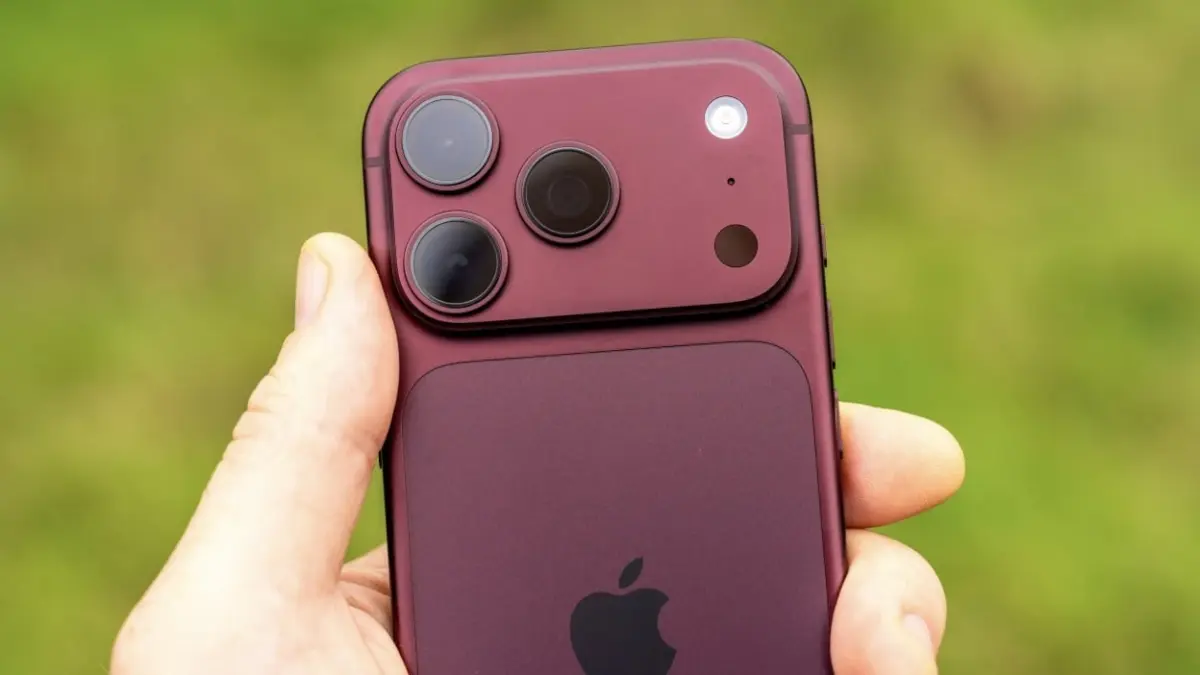
While these early issues are by no means a reason for consumers to immediately return their newly purchased hardware or abandon plans to upgrade, the rollout has been far from drama-free. Early adopters and technology observers have documented a handful of prominent issues affecting the iPhone 18 Pro and iPhone 18 Pro Max. As the devices settle into the hands of millions of users worldwide, these reported hardware and software complications are casting a shadow over what was otherwise anticipated to be a routine, polished launch cycle for Apple’s premier product line.
iPhone 18 Pros Were Randomly Rebooting
The initial wave of complaints following the launch centered around unexpected and random reboots affecting the iPhone 18 Pro models. Users quickly took to online forums to report that after an unsuccessful Face ID authentication attempt, their devices would freeze completely before spontaneously rebooting a short time later. Interestingly, this glitch was not isolated to Apple’s smartphones; the company’s newly released Apple Watch Series 12 and Apple Watch Ultra 4 models exhibited strikingly similar reboot behavior during the same timeframe.
While undoubtedly frustrating for users attempting to navigate their freshly unboxed devices, it quickly became evident that the phenomenon was an isolated software bug within iOS 27 and watchOS 27. Apple moved swiftly to remediate the situation, issuing rapid patches via iOS 27.0.1 and watchOS 27.0.1. Official release notes for these updates directly targeted the reboot anomaly, successfully resolving the stability concerns for the vast majority of affected iPhone and Apple Watch owners shortly after launch.
iPhone 18 Pro Max Might Not Be Able to Dial 911
While Apple characterized the iOS 27.0.1 update primarily as a patch for the Face ID reboot glitch, major telecommunications providers warned of a far more serious underlying issue. Major U.S. carrier AT&T distributed urgent safety alerts to iPhone 18 Pro Max owners, strongly advising them to apply the latest software update immediately. The carrier warned that some devices could experience total interruptions in text, call, and data services, potentially leaving users unable to complete emergency calls to 911.
The advisory sent to customers emphasized the urgency of the situation, instructing users to navigate directly to their device settings and install iOS 27.0.1 without delay. Significantly, users of the standard iPhone 18 Pro did not receive similar alerts, leading industry analysts to speculate that the vulnerability was tied specifically to hardware differences in the Pro Max model. Unlike the rest of the lineup, the iPhone 18 Pro Max features a Qualcomm modem rather than Apple’s proprietary C2 modem, a distinction that appeared to contribute to severe service drops forcing devices into emergency SOS mode.

Compounding the problem, industry reports indicated that the software update served primarily as a preventive measure rather than a total fix for devices that had already lost functionality. According to statements and technical briefings, a small subset of iPhone 18 Pro Max devices on the AT&T network suffered total cellular failure, requiring affected users to seek hardware replacements directly through Apple or their cellular provider alongside carrier settings updates deployed to fortify network stability.
Some iPhone 18 Pros Have a Cracking or Popping Noise
Beyond software and cellular instability, a segment of iPhone 18 Pro and Pro Max buyers have reported unusual acoustic anomalies emanating from the built-in device speakers. Users described intermittent cracking, popping, or buzzing sounds originating from the upper earpiece speaker assembly, with some comparing the audio artifact to the sharp click of pulling an auxiliary cable out of a physical headphone jack.
Discussions on community platforms like Reddit highlighted varying manifestations of the problem, with some users experiencing light buzzing only when playing audio at maximum volume, while others noted distinct crackling sounds specifically during phone calls utilizing mono speaker output. Frustratingly for those affected, applying the iOS 27.0.1 update did not resolve the audio glitch for every user.
At the same time, the issue appears inconsistent across the global user base. Many owners and technology reviewers, including reporters at major outlets like Mashable, reported experiencing no such speaker abnormalities on their review units. Interestingly, some users noted that similar audio popping surfaced on older iPhone 16 Pro Max models following their update to iOS 27, suggesting a potential software-driven interaction with audio drivers rather than a universal hardware defect.
Some iPhone 18 Pros Are Already Losing Their Color
Adding to the list of early hardware grievances, a number of users have observed premature wear and discoloration on the exterior finish of their new devices. Complaints have primarily focused on the area immediately surrounding the sophisticated camera lens array on burgundy and black variants of the iPhone 18 Pro and iPhone 18 Pro Max.
The exact prevalence of the cosmetic wear remains unclear, with conflicting accounts emerging from early buyers. While some users found that the discoloration was superficial and could be easily cleared away with a cotton swab, others maintained that the actual anodized or colored finish of the metal housing had genuinely worn down or faded prematurely. As Apple monitors these early reports across its supply chain and support networks, consumer attention remains fixed on how the company will address these varied hardware and software challenges moving forward.