However, experts and practitioners argue that this perspective is fundamentally flawed. Creative skills are just as learnable as any other complex domain an individual might wish to master. Understanding how to bridge the gap between perceived natural talent and attainable proficiency begins by breaking down the anatomy of creative execution into its core components.
Any creative endeavor—whether it involves painting, writing, music composition, or graphic design—fundamentally relies on two distinct elements: technical proficiency and ideational capability.
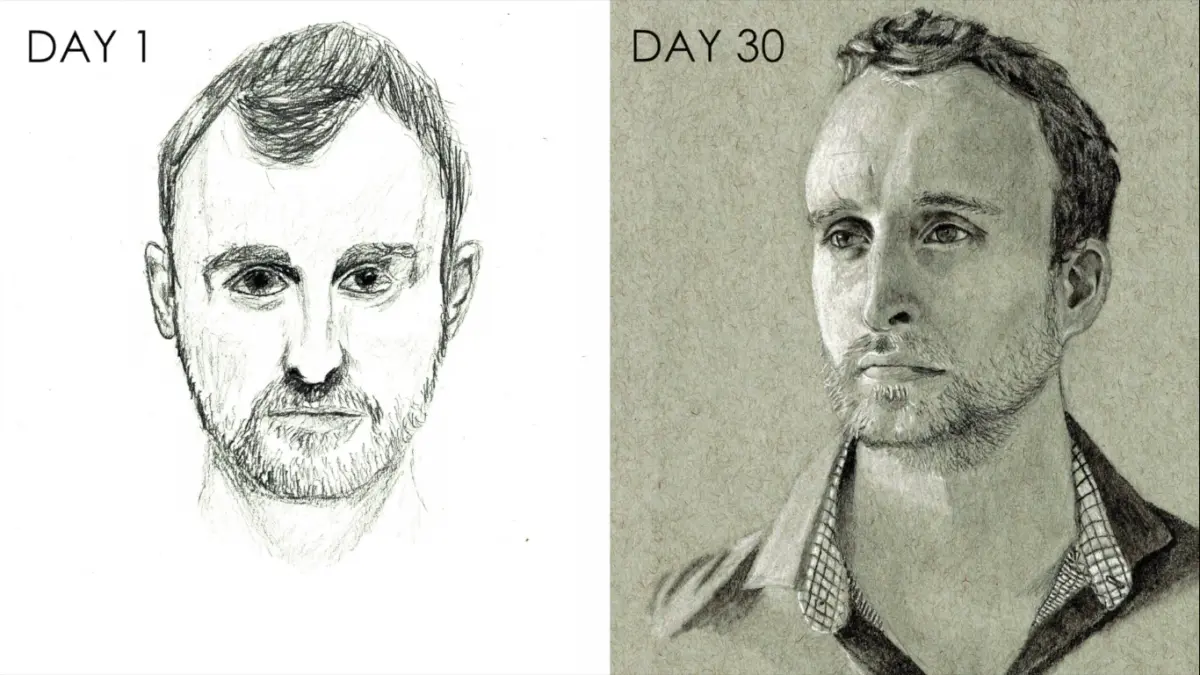
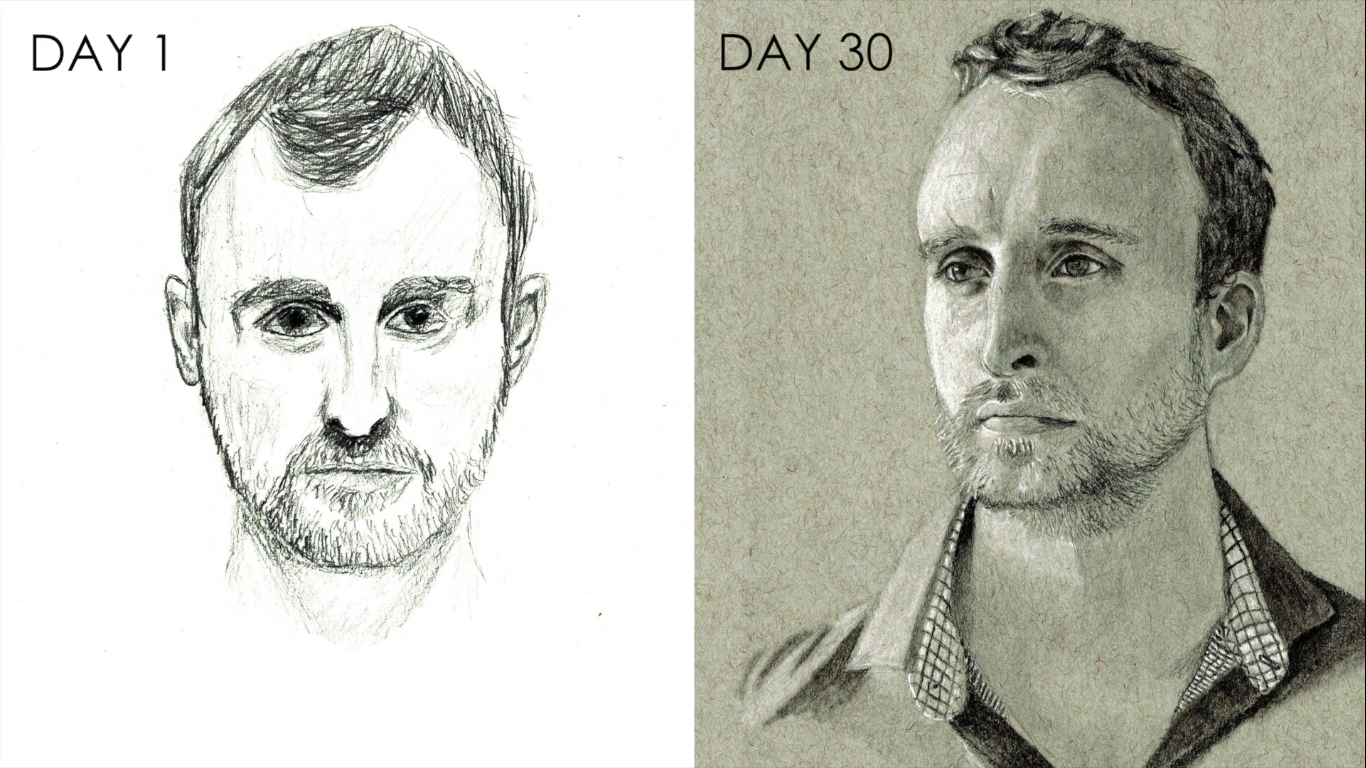
Technical skills encompass those aspects of creativity that do not actually require traditional creative thought. For instance, undertaking a rigorous portrait drawing challenge over a designated period can yield impressive results driven entirely by technical execution rather than original artistic vision. The difficulty in such endeavors is purely technical, revolving around hand-eye coordination, perspective, and proportion.
To non-artists, technical skill is frequently the most impressive facet of creative expertise. Executing a remarkably complex guitar solo with absolute precision or rendering a compelling, lifelike portrait using paint and pencil demands extensive practice. Yet, strictly speaking, these achievements require minimal ideational invention.
Conversely, ideational skills represent what society more traditionally defines as creativity: the capacity to produce work that is both original and valuable. Within professional artistic communities, ideational skills often command a higher degree of appreciation. Over time, the mysticism surrounding pure technical mastery tends to dissolve for those who spend years practicing the mechanics of their craft.
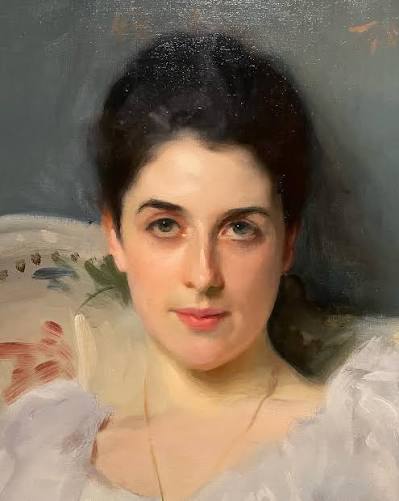
History provides clear examples of how these two components can manifest independently. Great artists frequently possess a high degree of both technical and ideational capability, but individual talents often lean more heavily toward one side. Master painters like John Singer Sargent demonstrated breathtaking technical virtuosity. Much of Sargent’s renowned work was executed alla prima, meaning each painting was completed largely in a single session rather than through the meticulous, multi-layered approach favored during the Renaissance.
In sharp contrast, Vincent van Gogh serves as a prime example of an ideational genius who struggled with technical limitations. Unable to keep pace with his peers at a Parisian atelier, Van Gogh eventually departed. Even during the height of his mature artistic phase, he frequently returned to the same subjects multiple times because he found it difficult to get the technical details right. Nevertheless, despite Sargent’s extraordinary technical mastery, Van Gogh ultimately exerted a far more profound impact on the trajectory of painting, largely propelled by his deeply original and compelling visual style.
Recognizing this distinction allows aspiring creators to approach the development of each domain with targeted strategies.
Achieving technical proficiency is generally the more straightforward of the two challenges. While far from trivial, technical skills are uniquely responsive to disciplined hard work and deliberate practice in ways that ideational genius often is not. Despite this accessibility, many individuals struggle to build technical proficiency because they employ counterproductive methods.
All technical skills rely fundamentally on establishing a structured method, developing a comprehensive mental model of the medium’s constraints and possibilities, and engaging in massive amounts of targeted practice.
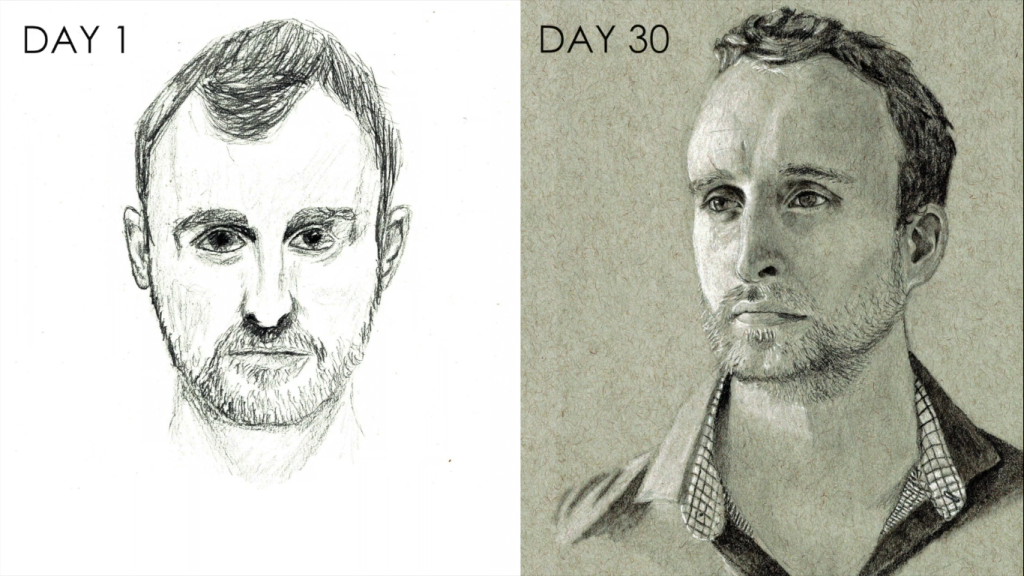
The initial hurdle for many learners is identifying the underlying method. Highly accomplished artists often execute their craft with such automated fluency that their methods appear invisible. Observing street artists capture a striking likeness in mere minutes or watching master painters render complex scenes with a few seemingly effortless brushstrokes can easily foster the misconception that success stems entirely from innate talent or unguided intuition.
In reality, psychological and cognitive research across various domains indicates that high-level expertise consistently follows a predictable trajectory. Skills are initially acquired through explicit, conscious learning. With sustained practice, however, these explicit steps gradually become automated, transforming into background intuition that is difficult for the practitioner to articulate.
When beginners embark on technical challenges without identifying established methods, they often rely solely on high volumes of bulk practice paired with feedback. While high practice volume remains essential, neglecting structured methodology can severely stall progress. Experienced practitioners across visual arts utilize specific perceptual methods to overcome optical illusions and natural sensory limitations, accurately judging relative sizes, angles, and tonal values. Others rely on conceptual methods, utilizing foundational knowledge of lighting, geometry, and anatomy to infer shapes that are not immediately obvious to the naked eye. The necessary starting point for any technical skill is identifying these established methods and practicing them until they become second nature.
Beyond rote practice, technical mastery requires developing a sophisticated mental model of the medium. Practitioners must intimately understand what the medium affords and where its boundaries lie. Historic milestones in filmmaking, such as director Steven Spielberg achieving a complex sword-fighting scene in the film Hook without computer-generated imagery by filming the action and dialogue completely in reverse, highlight how deep mental models of a medium’s mechanics enable creative technical solutions.
The final requirement for technical virtuosity is an immense volume of practice prioritizing both precision and fluency. Precision—adhering strictly to the accuracy demanded by the chosen method—is vital because it dictates how effectively the underlying skill is encoded. Conversely, fluency is critical because motor skills, such as strumming a guitar or wielding a paintbrush, change entirely when executed with different rhythms and physical movements. While artists often debate the merits of tight, controlled styles versus loose, expressive ones, these differing movements simply represent distinct motor skills that each require dedicated practice.
Developing the other half of the creative equation—generating good, original ideas—is closely tied to technical understanding. To fully grasp the opportunities for expressing original ideas within a medium, an individual must first comprehend its structural affordances and constraints. Consequently, genuine creativity remains partially dependent on basic proficiency.
However, reducing creativity entirely to technical virtuosity is a mistake, as original ideation relies on factors beyond mere craftsmanship. Generating consistently good ideas depends heavily on two distinct elements: deep domain knowledge and the disposition to take creative risks.
Knowledge serves as the foundational bedrock of original ideation. Evidence suggests that the generation of raw ideas is a largely stochastic, or random, process available to everyone. What separates highly creative individuals from their peers is not an exceptional ability to generate a higher quantity of random concepts, but rather superior quality filters that allow them to accurately evaluate which ideas possess genuine merit.
Vincent van Gogh again exemplifies this dynamic. Despite his technical struggles, Van Gogh maintained an intimate connection to the contemporary art world of his era. Through his brother, who worked as an art dealer, and his own extensive interactions with emerging artistic trends, Van Gogh possessed insider knowledge rather than operating as an isolated outsider. Successful creators across various industries consistently demonstrate a sophisticated understanding of their field’s landscape rather than existing entirely on its periphery.
Furthermore, generating original work requires the psychological disposition to actually execute risky ideas. Valuable creativity is frequently stifled not by a lack of original concepts, but by the intense social pressure to conform to established styles and genres. As social psychologist Mihaly Csikszentmihalyi observed, the perceived scarcity of creativity is rarely due to a shortage of individual genius on the supply side; rather, limitations exist on the demand side, as societies often struggle to adapt their cognitive structures rapidly enough to recognize and adopt novel ideas. Truly successful creative concepts typically occupy a delicate middle ground—novel enough to capture public interest, yet sufficiently anchored within existing cultural frameworks to remain comprehensible.
Ultimately, achieving excellence in painting, music, writing, or any other creative discipline demands a sustained commitment to practice, learning, cultural immersion, and continuous experimentation. While the road to mastery is undeniably long, navigating the journey becomes significantly more manageable when creators understand the distinct mechanisms underlying both technical execution and ideational development.