"A rose is a rose is a rose." — Gertrude Stein, 1913
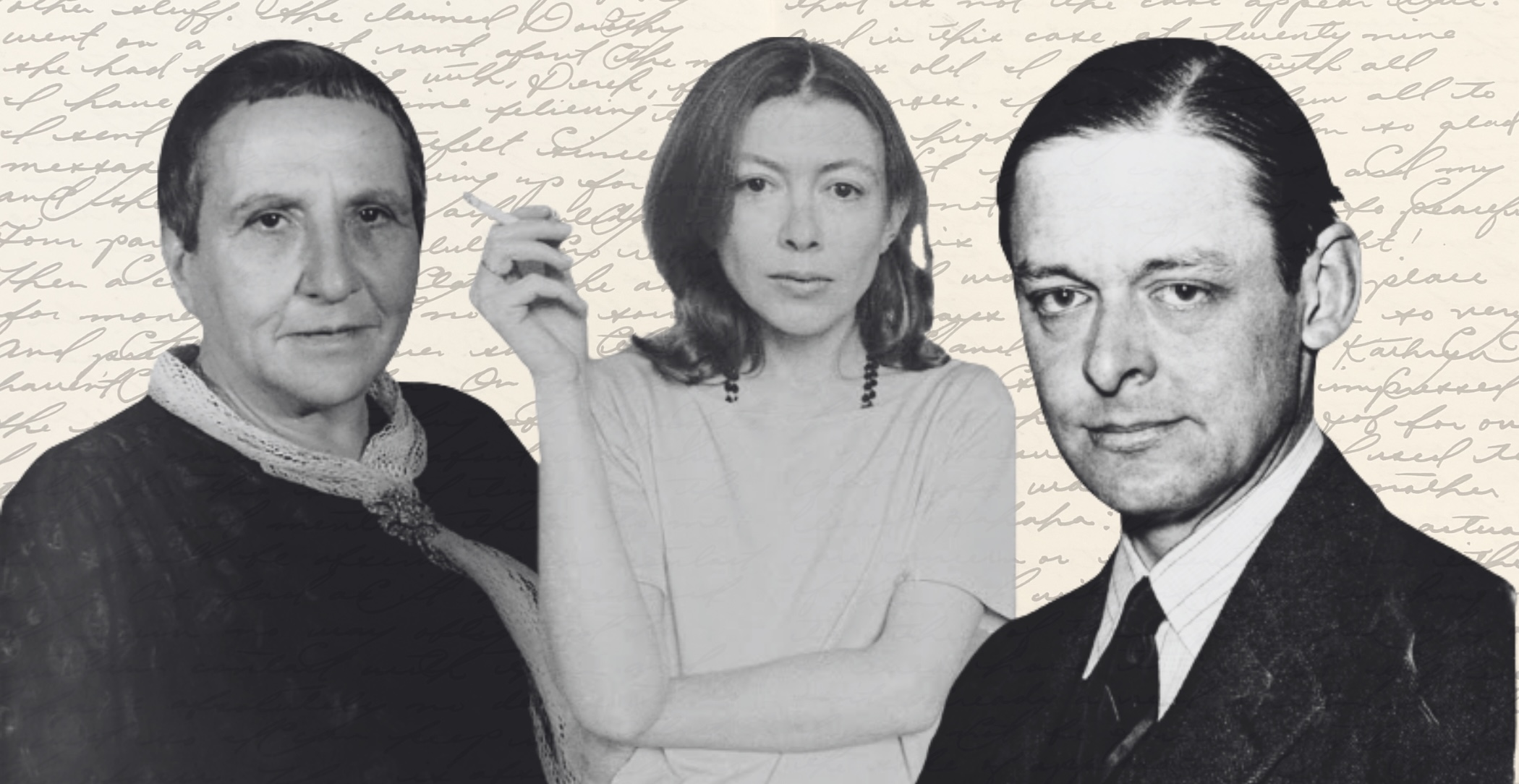
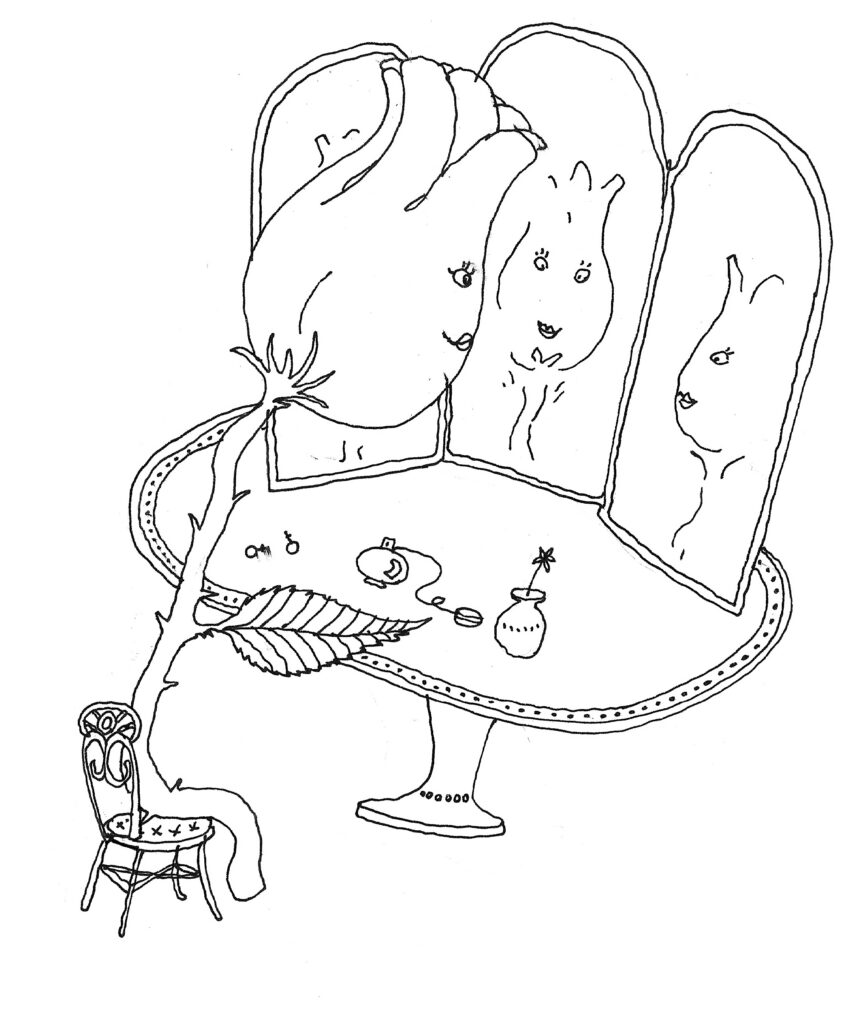
Gertrude Stein occupies a singular, enigmatic space in literary history. As a verbal innovator, she famously gifted post-World War I writers with the enduring moniker "The lost generation" and coined the quintessential modern insult for a bland, featureless location: "There is no there there." Yet, her most famous and confounding piece of wordplay remains her floral tautology: "A rose is a rose is a rose," or more precisely in its original 1913 phrasing from the poem "Sacred Emily," "Rose is a rose is a rose is a rose."
Like all true poetry, Stein’s line resists easy translation into prose. It refers only to itself and is made up entirely of itself, mirroring the tightly packed petals of the flower it names. Yet unpacking the aphorism brings readers closer to what Stein sought to achieve—breaking through the glass window of language to gesture toward the silent, vibrant world of things existing on the other side.
In traditional description, language relies on a formula of equation: X is Y, such as "a rose is a flower" or "my love is a rose." Stein’s machine-gun iteration strips away this secondary symbolism, leaving readers with a pure X is X. It functions as a linguistic reset, declaring that once language has been pushed to its absolute limit, real life begins.
Over centuries of heavy literary use, words accumulate semantic baggage. By 1913, "rose" had grown so trite and overused that it could scarcely evoke the actual, living object. By stripping away that accumulated wear and tear, Stein restored language’s capacity to mean beyond itself. Thrashing readers with the flower in all its petal-patterned freshness, she would later boast during a lecture at the University of Chicago, "I think that in that line the rose is red for the first time in English poetry for a hundred years."
Explaining her intentions to her University audience, Stein argued that when language was young—as with Homer or Chaucer—a poet could name a thing, and the thing was genuinely present. A poet could cry "O moon" or "O sea," and the moon and sea were really there. Centuries later, those same words had degraded into stale literary conventions. To combat this, the modern poet had to reclaim the "excitingness of pure being" and inject that intensity back into the language.
"Good artists borrow, great artists steal." — T.S. Eliot, 1920
What makes a work of art truly original? According to poet and literary critic T. S. Eliot, the answer is theft. Any alternative—such as borrowing, returning late, and appearing like a cheap photocopy—results in inferior art.
In his 1920 essay "Philip Massinger," Eliot’s original phrasing was considerably more precise: "Immature poets imitate; mature poets steal; bad poets deface what they take, and good poets make it into something better, or at least something different."
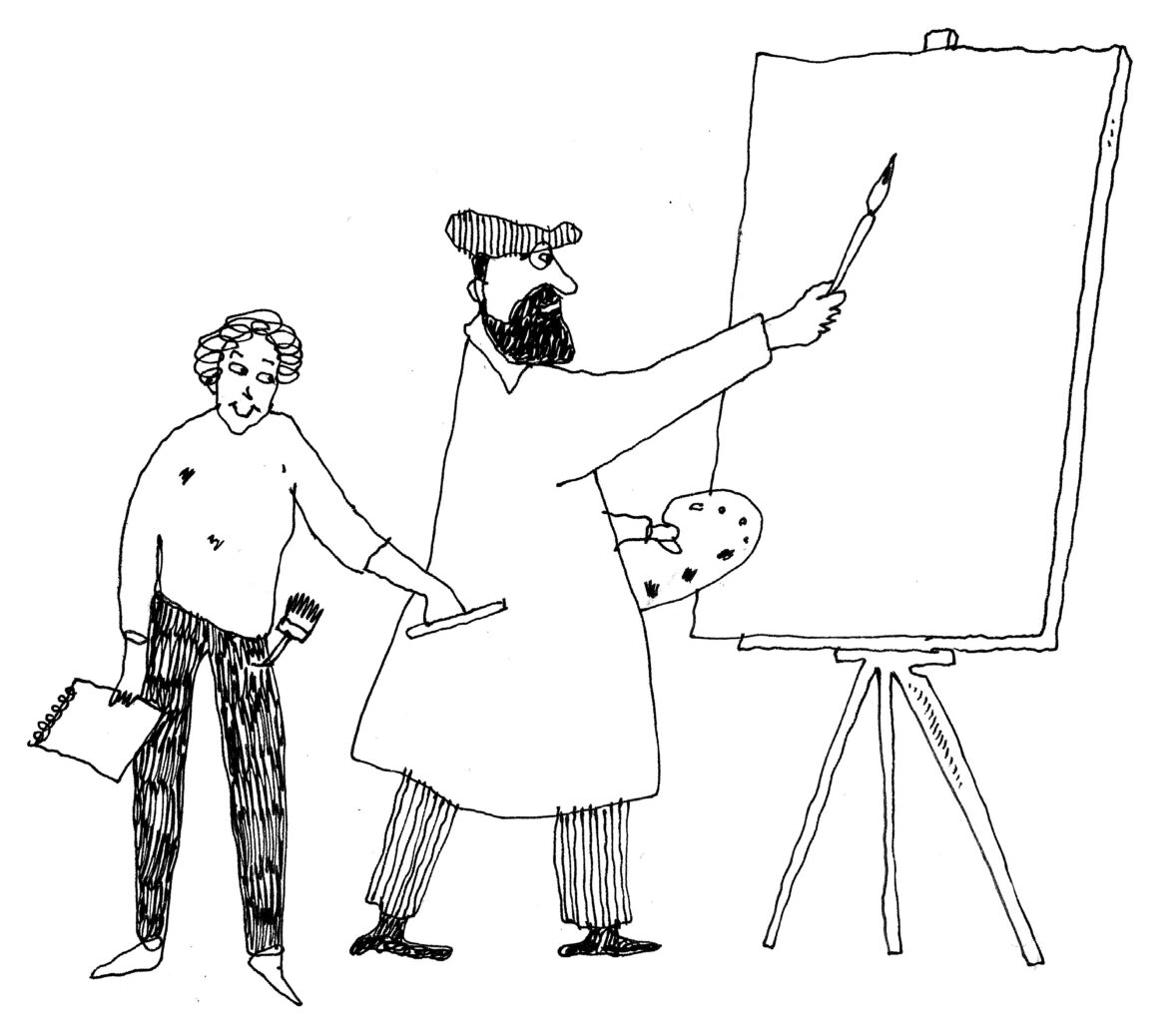
The notion of pure, untainted invention is entirely dismissed by Eliot. In his foundational essay "Tradition and the Individual Talent," he asserts that every writer is inevitably influenced by predecessors, consciously or unconsciously. Authors inherit language, storylines, imagery, and characters from the past. Creators can either be unwittingly guided by literary history and slip into cliché, or they can consciously take existing material and bend it to new purposes. Even William Shakespeare heavily adapted his plots from Plutarch, Ovid, Boccaccio, and Holinshed; what elevated his work was his ability to make those borrowed elements entirely his own.
To successfully execute this creative heist, an artist must rely on integration. Eliot explained that a good poet welds stolen material into a unique whole of feeling, entirely different from its origin, whereas a bad poet creates a disjointed, copy-pasted mess. Immature work cobbles together prefab verbiage that pales next to its sources. Mature writers instead weave historical ideas into an emotionally intuited whole, relying on painstaking craftsmanship to separate a derivative work from a powerful retelling.
Eliot’s maxim serves as a reminder that artists do not create from a vacuum, but continuously rehammer old material into new shapes. This philosophy was mirrored in his own work; his magnum opus, The Waste Land, is a masterclass in literary appropriation, with nearly half the text consisting of phrases and imagery pinched from sources ranging from Chaucer and Dante to Baudelaire and the Bible. Concluding his monumental collage, Eliot famously observed, "These fragments I have shored against my ruins."
Moreover, Eliot’s dictum was not entirely without precedent. In an 1892 article for Gentleman’s Magazine titled "Imitators and Plagiarists," writer W.H. Davenport Adams analyzed the influences on English poet Alfred Lord Tennyson, noting that great poets "imitate and improve, whereas small ones steal and spoil." Whether Eliot’s later iteration was a deliberate adaptation, a stylistic tweak, or a coincidence, it underscores a timeless, evolving truth about artistic creation.
"We tell ourselves stories in order to live." — Joan Didion, 1979
When sudden tragedies occur, the human mind immediately scrambles to establish coherence. Violent acts and dark events must be absorbed into a broader narrative and slotted into a recognizable worldview.
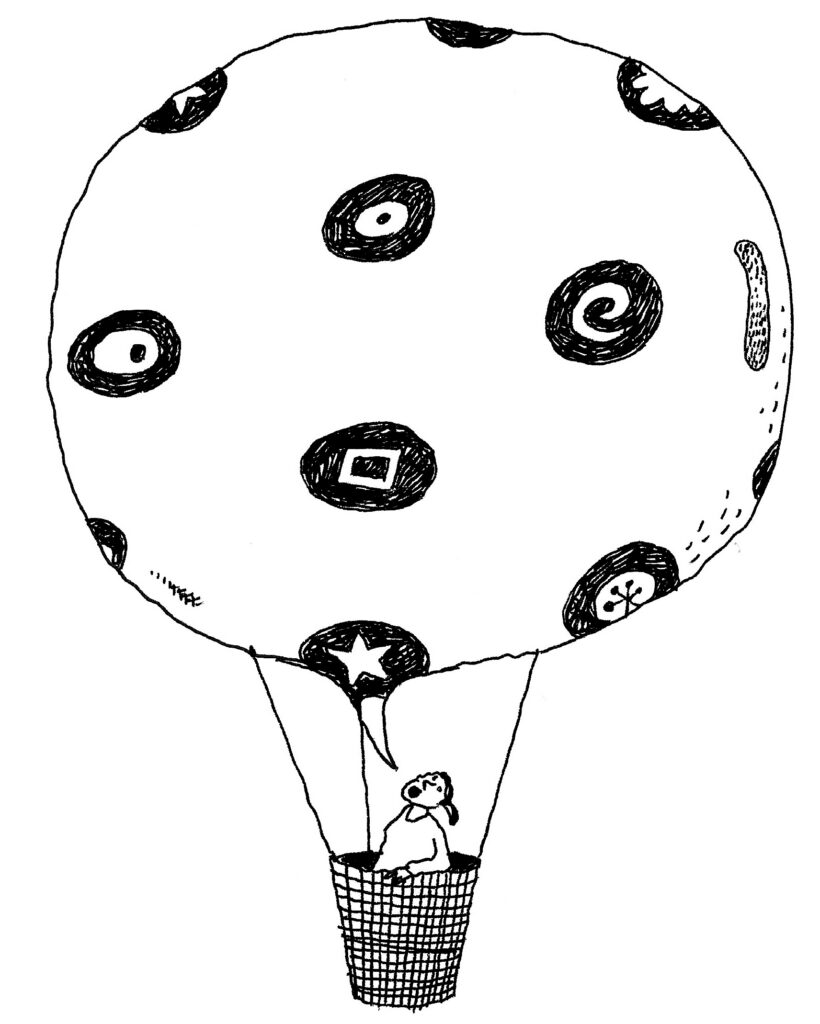
"We tell ourselves stories in order to live," Joan Didion writes in the opening lines of her celebrated 1979 essay "The White Album." Without narratives, she suggests, life simply becomes too terrifying to navigate. People search for moral lessons in murders and profound messages in suicides, surviving—particularly as writers—by imposing narrative lines upon disparate images and using ideas to freeze the shifting phantasmagoria of actual experience.
The fragility of this meaning-making apparatus is tested when events become too jarring, violent, and senseless. This precise fracture occurred in late-sixties California, the turbulent setting of Didion’s essay. Moving between the Ferguson brothers’ murder trial, the shooting of Black Panther Party founder Huey Newton, the Manson Family murders of Sharon Tate and others, and disorienting personal episodes, Didion captured the paranoid, hallucinatory atmosphere of the era. Confronted with horrors like a five-year-old girl left to die on an interstate median, Didion concluded simply that "these images did not fit into any narrative I knew."
This loss of the plot manifested socially and personally, as Didion felt disconnected from her own life and role in the world. Operating as a seemingly competent citizen, signer of contracts, and traveler, she felt her life had become an unscripted performance. She was meant to know the plot, but instead saw only flashing pictures in variable sequence without inherent meaning.
This cognitive dislocation eventually found a physical parallel when Didion experienced visual disturbances and was given an exclusionary diagnosis of multiple sclerosis. Though the disease went into remission, the realization was stark: her body had offered a precise physiological equivalent to the psychological fragmentation she was experiencing. Rather than offering soothing scripts or neat solutions to collective and personal crises, Didion’s work models the honest journalistic labor of documenting confusion and struggling to piece together a broken world.
Originally published in New West magazine in 1979, "The White Album" took its title from the Beatles’ 1968 LP, nodding not just to the minimalist cover art, but to the volatile music within—specifically "Helter Skelter," which Charles Manson interpreted as a prophecy of an apocalyptic race war. Didion’s title encapsulates the appalling incoherence of evil, the paranoia of excessive connections, and the persistent human need to understand the incomprehensible.
At the same time, Didion’s most famous aphorism carries a subtle ambiguity. While storytelling is a vital imperative, narratives can easily harden into comforting dogmas, militant ideologies, and rigid cult conspiracies. Clinging too tightly to stories turns them into delusions and insulation. Walking the delicate line between chaos and suspect clarity, Didion reminds readers that while we must tell ourselves stories in order to live, we must also resist easy answers, refuse ready-made interpretations, and report what we see as truthfully as possible.