Created as a accessible hands-on activity, the project allows children to complete an entire accessory from start to finish on their own. While the activity is designed for maximum independence, younger participants may require light adult supervision primarily due to the use of scissors during the initial cutting stages. The versatility of the design means it can be adapted to fit different ages and preferences, serving as a tiny pouch made from a front watch pocket or a larger bag crafted from a standard rear pocket.

The appeal of the project lies in its simplicity and reliance on everyday household items. Beyond an old pair of pants or shorts featuring pockets, the craft requires minimal preparation. The basic construction focuses on the pockets themselves, which serve as the main body of the finished accessory. Participants begin by carefully cutting out a pocket from the fabric, taking care to preserve the structural integrity of the pocket bag without puncturing or slicing into the compartment.

Once the pocket has been removed from the garment, the next phase involves refining the shape. Crafters tidy up the raw edges with scissors, trimming as closely to the pocket’s stitched borders as possible. For those who want an added design element, leaving a strip of fabric material directly above the pocket opening allows the finished pouch to feature a functional flap top. Alternatively, trimming the excess fabric flush creates a clean, open-top pouch.

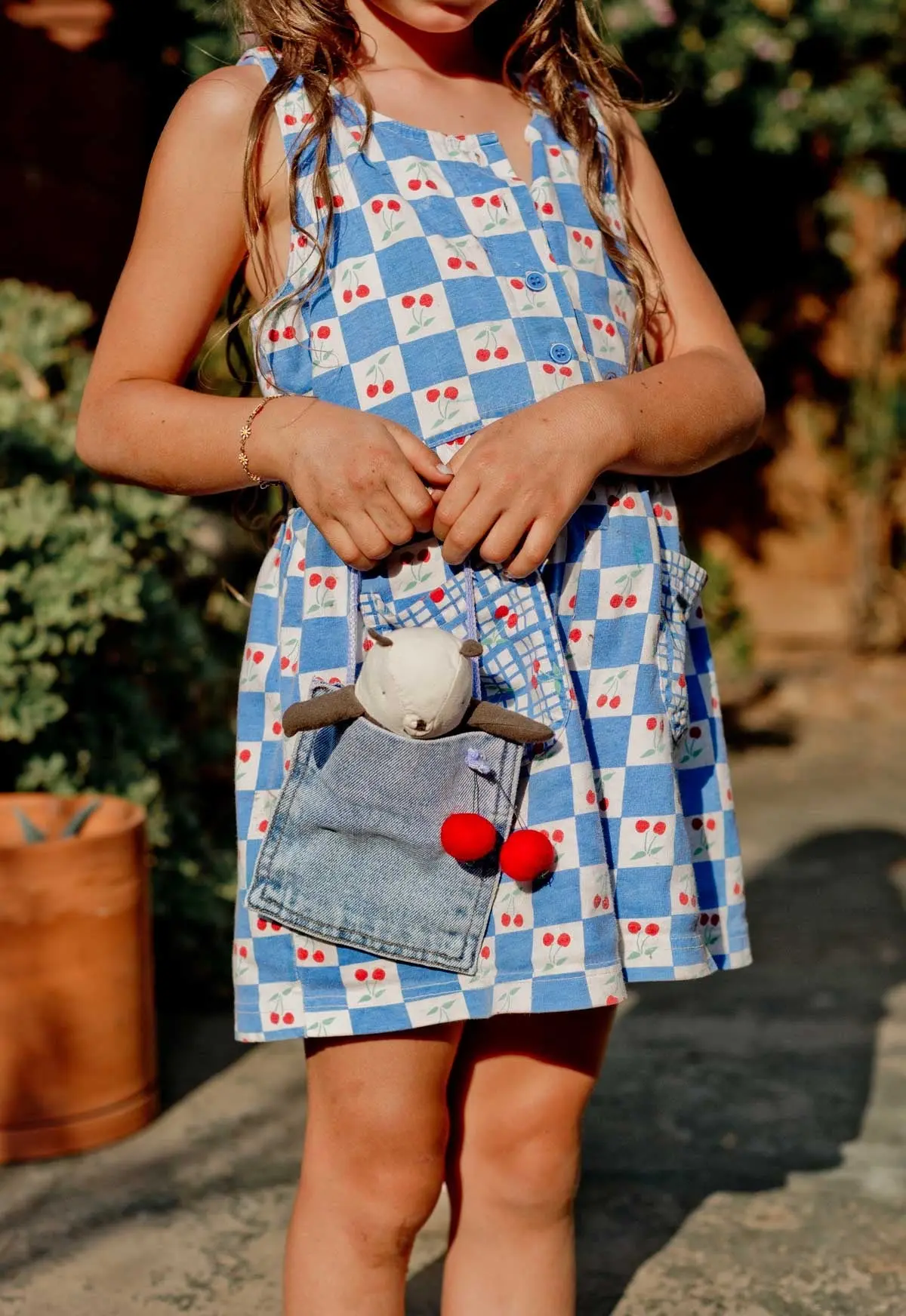
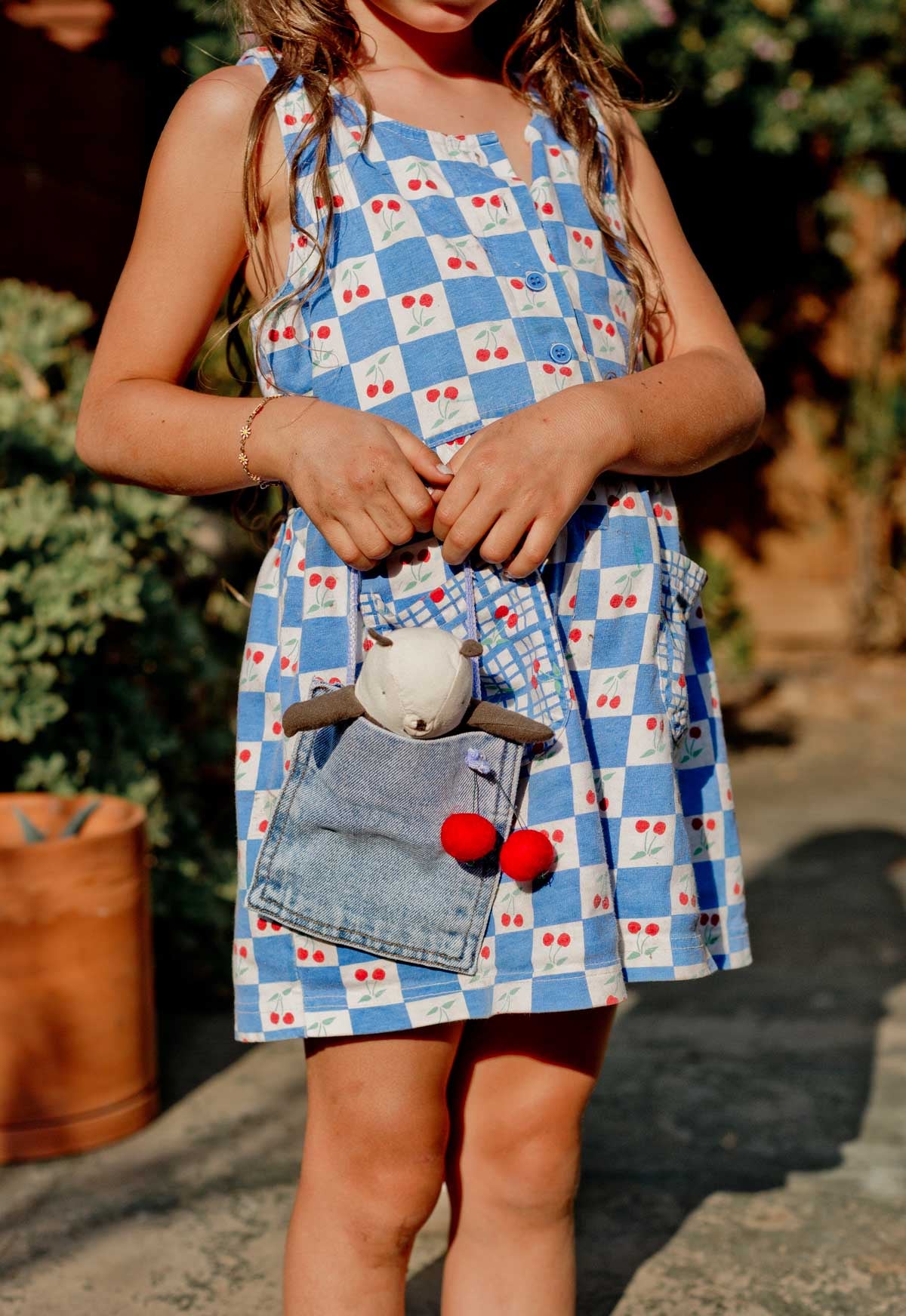
Customization forms a major component of the activity, giving children a platform for artistic expression. Once the base pocket pouch is shaped, participants can decorate the raw or finished denim using standard crafting supplies such as markers, fabric paint, or adhesive gems. Additional personalized touches can include small sculptural elements, such as crafting felt ball cherries featuring wire stems inserted directly into the fabric or decorations.

Adding a carrying strap provides further flexibility. Depending on the desired style and the child’s preference, the pouch can easily be converted into a standard handbag or adapted into a hands-free fanny pack. To create a handle, crafters can use excess fabric scraps leftover from the original pair of pants, attaching them securely. Another common approach involves puncturing small holes on either end of the pocket pouch, threading yarn, cording, or thin fabric strips through the openings, and securing them with sturdy knots to prevent slipping. For a fanny pack variation, substituting the short handle with an extended piece of cording allows the pouch to wrap comfortably around the waist.

The project joins a broader category of sustainable and upcycled textile crafts that encourage both resourcefulness and creativity among younger audiences. By utilizing garments that might otherwise be discarded, the activity introduces basic concepts of textile repurposing while delivering a functional finished product suitable for carrying small toys, craft supplies, or personal treasures.