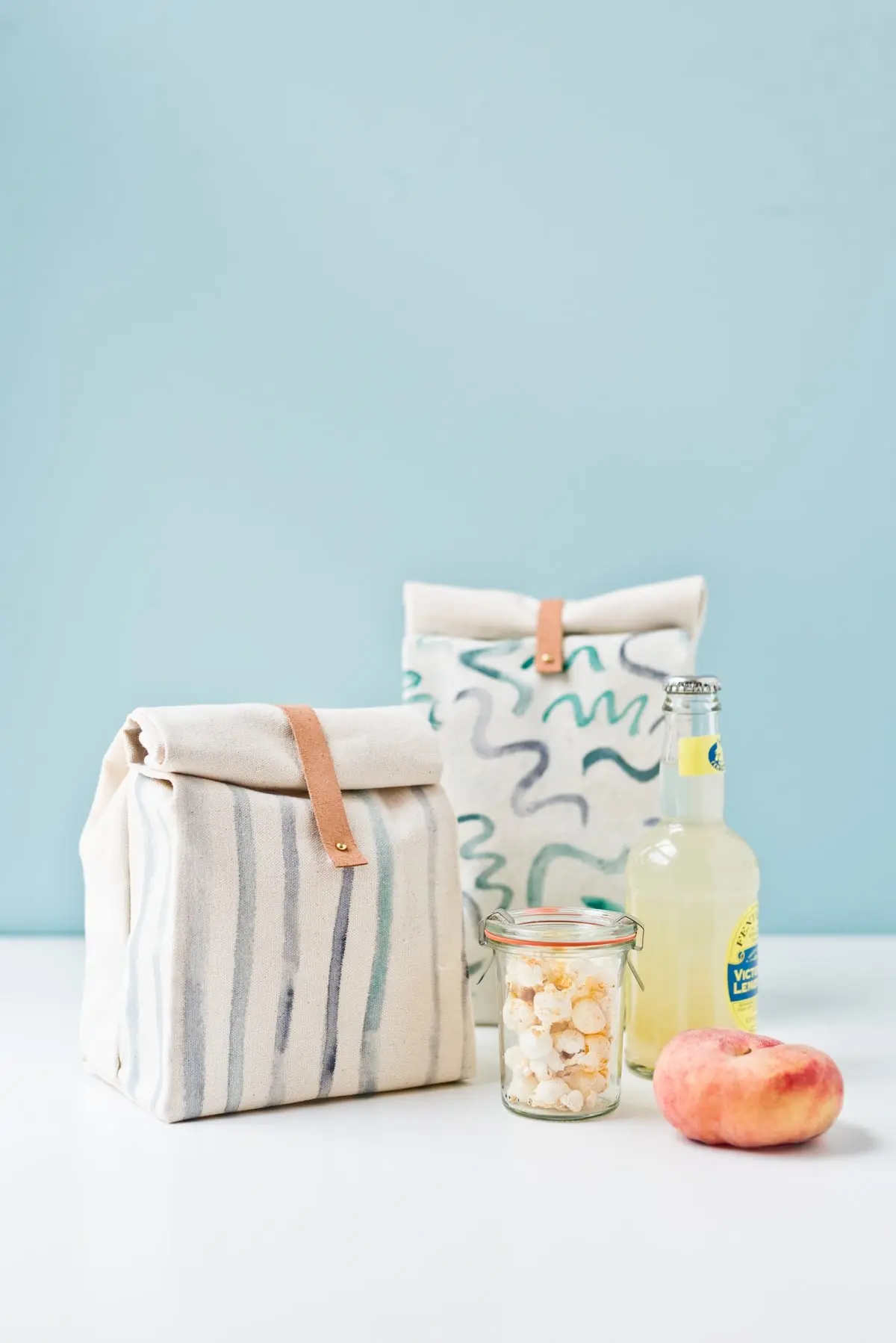
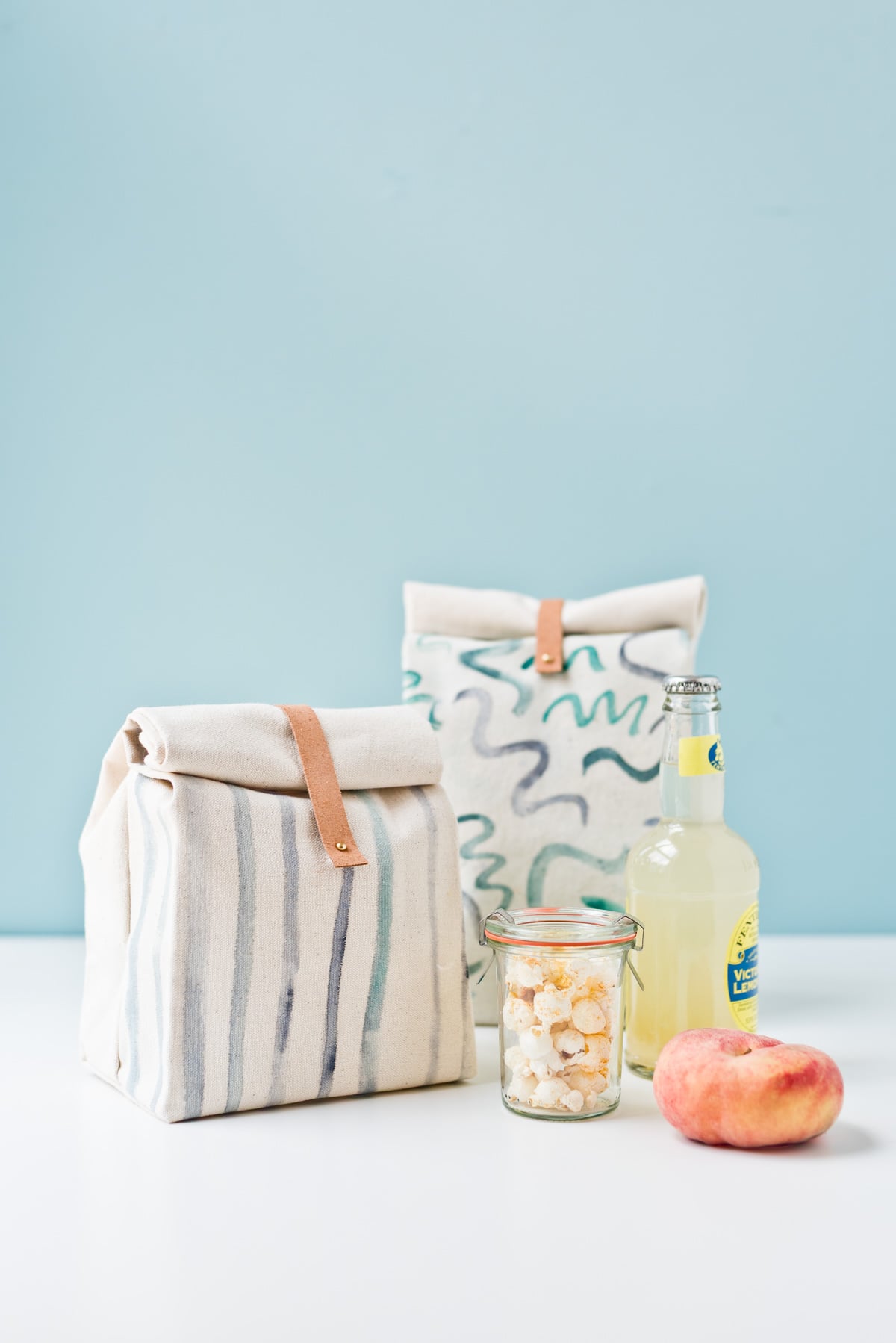
The appeal of the canvas lunch bag lies in its classic yet modern silhouette, reminiscent of traditional brown-bag aesthetics but elevated through durable materials and personalized design choices. Rather than relying on mass-produced containers, makers can construct the accessory entirely from scratch, tailoring the dimensions, patterns, and closures to individual preferences. The project functions as an accessible yet rewarding endeavor for those with beginner to intermediate sewing skills, providing a practical outlet for textile customization.

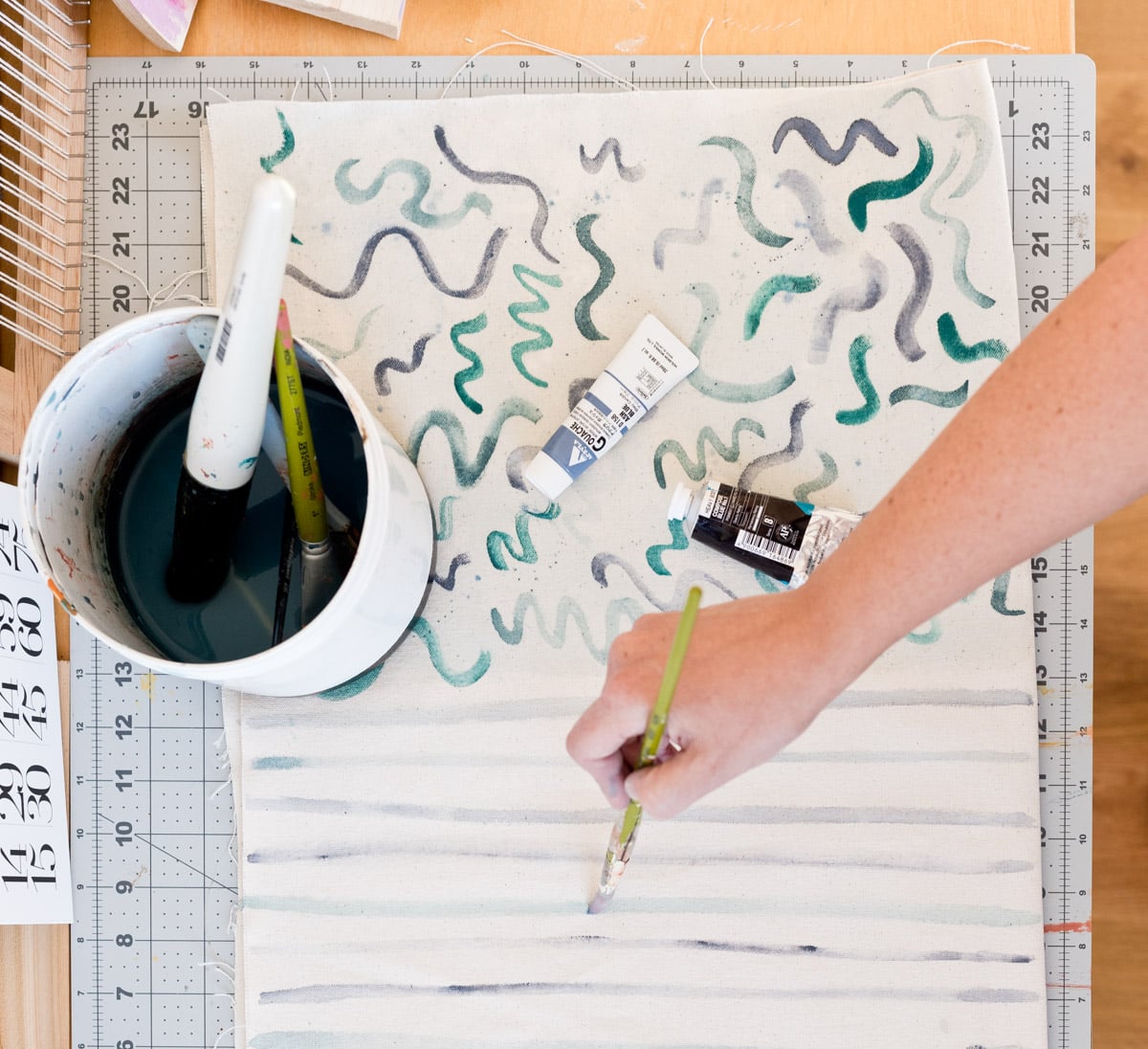
The construction process begins with the preparation of the canvas fabric. Creators measure and cut a specific panel of canvas, typically measuring 11.5 inches by 29 inches. This initial stage allows for complete creative freedom, as makers can apply custom hand-painted designs using thinned fabric paint or dye the entire natural fiber panel using standard textile dyeing techniques. Once the chosen design is fully dry, the fabric is folded in half and pinned to establish the foundational shape of the bag.
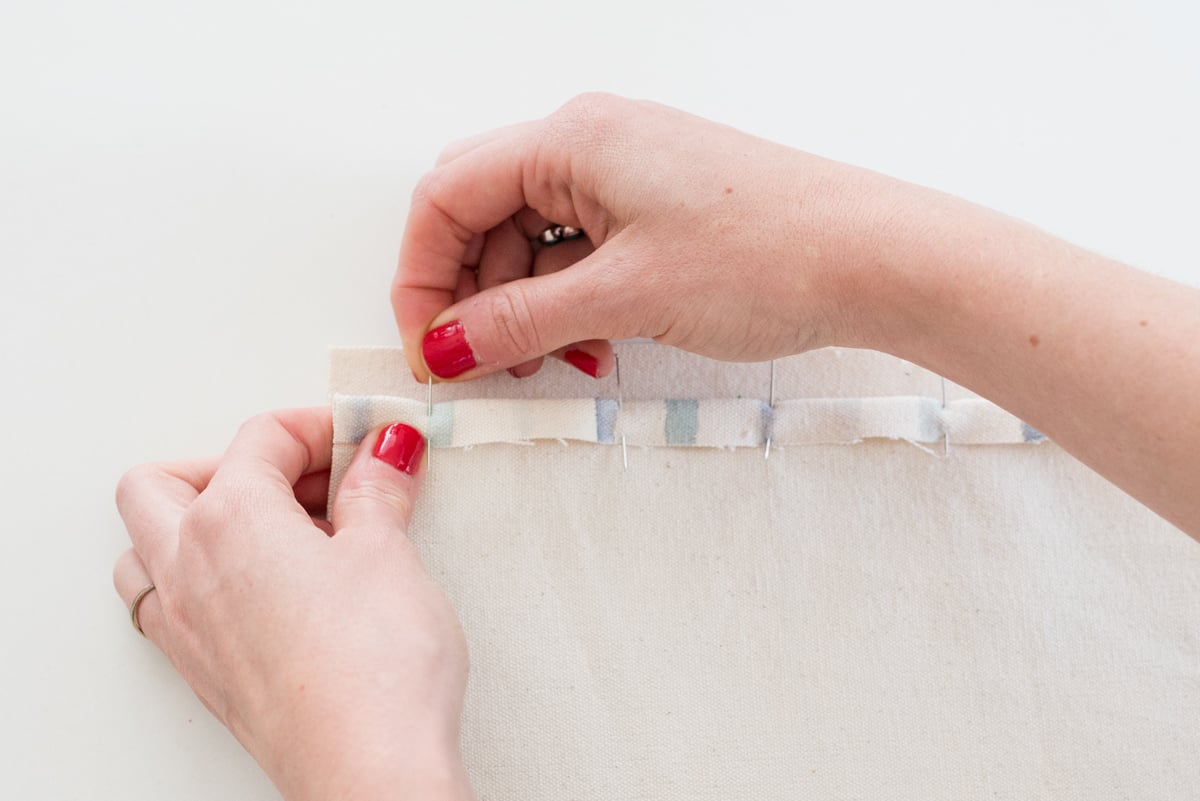
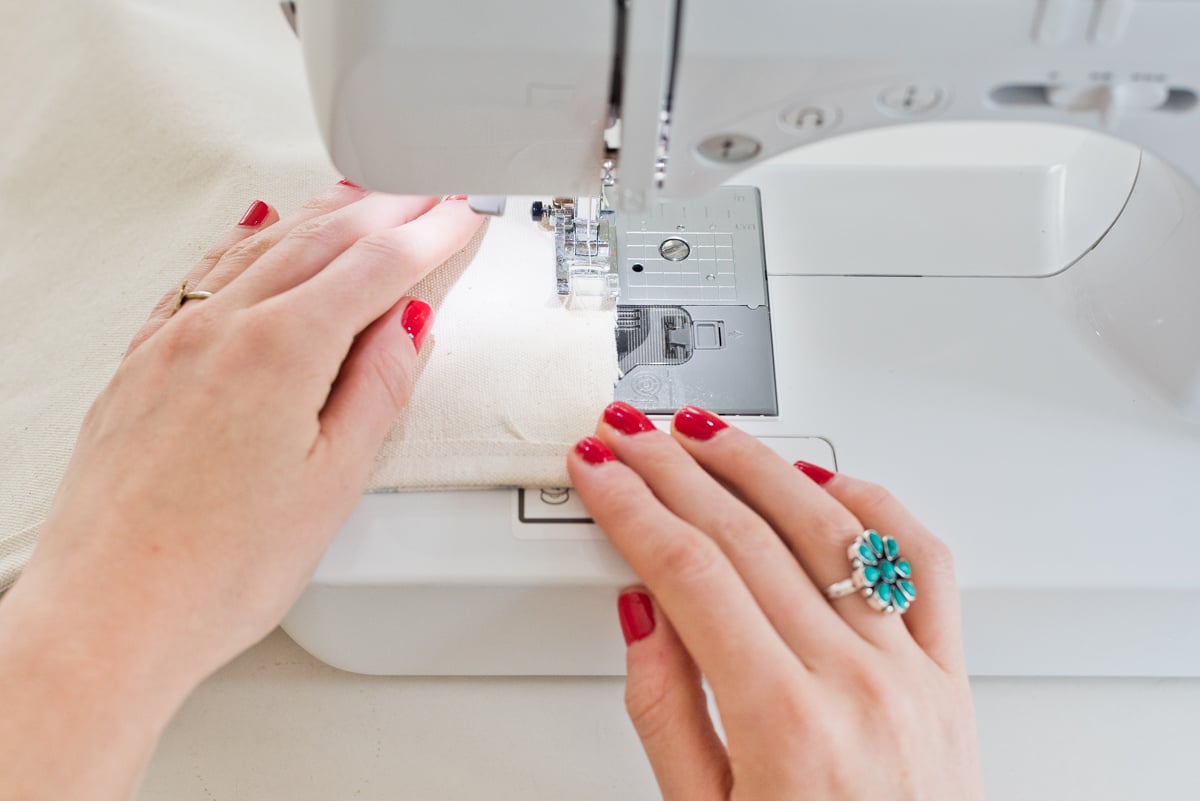
Attention to detail during the sewing phase ensures durability for daily use. The top edges of the canvas are folded down and secured with a straight stitch, reinforced by backstitching at the beginning and end to prevent fraying. Following this, the side seams are sewn, leaving the top open to form the primary pouch. To give the bag structure and allow it to stand upright on flat surfaces, the bottom corners are folded into diamond shapes, marked, and stitched across before trimming the excess fabric.
After turning the bag right side out and pressing the seams, the distinct boxy lunch-bag shape is established by ironing the vertical creases from the bottom corners to the top, along with horizontal folds along the base. The finishing touches incorporate hardware and genuine leather elements to secure the contents. A durable leather strip and a button closure mechanism are attached using a hole punch and screw back, allowing the top of the canvas bag to be rolled down and fastened securely. For those requiring added protection against spills and moisture, the entire bag can be treated with a fabric wax sealant, creating a resilient barrier against everyday wear and tear.
Beyond its utility, the project highlights a growing consumer preference for reusable, handmade goods over disposable alternatives. While the featured design incorporates a sophisticated leather strap that appeals to adult aesthetics, the project remains adaptable; creators can easily substitute the leather for colorful nylon straps or alternative fasteners depending on the intended user. As individuals continue to explore sustainable lifestyle choices and personalized accessories, projects of this nature demonstrate how traditional crafting skills can be successfully integrated into contemporary daily routines.