
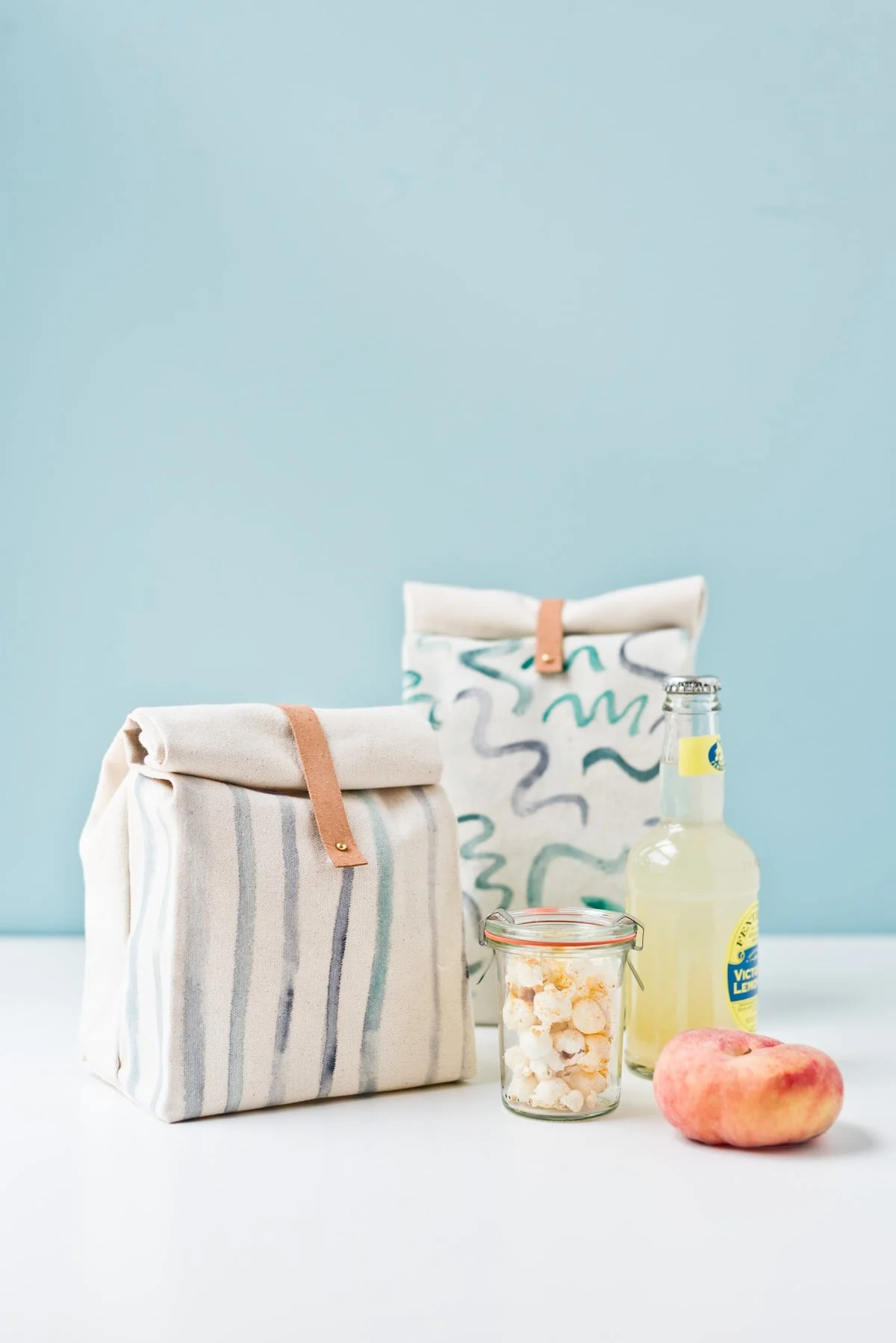

For those looking to bypass mass-produced options in favor of something uniquely personal, handmade alternatives are gaining significant traction. A recently shared DIY project details how crafters can construct their own durable, water-resistant canvas and leather lunch bags from scratch. Blending utility with aesthetic appeal, the project offers a customizable approach to a daily routine item, appealing equally to children heading back to the classroom and adults seeking a sophisticated touch for the workplace.
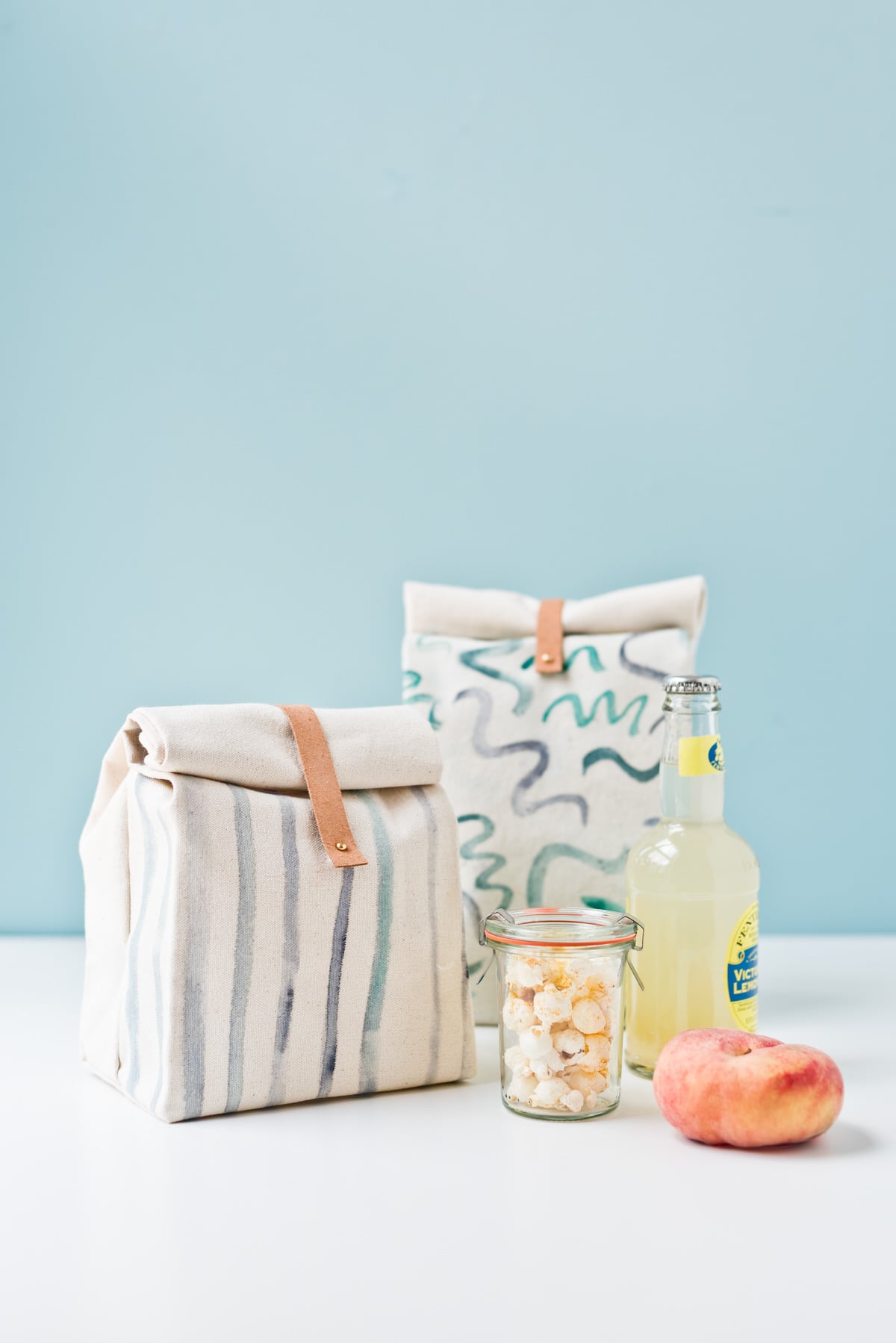
The appeal of the canvas lunch bag lies largely in its understated, minimalist charm. Reminiscent of traditional paper sacks but built for longevity, these handmade creations bridge the gap between casual charm and modern utility. According to project creators, the process is designed to be accessible for intermediate makers while remaining flexible enough for beginners eager to hone their sewing skills.

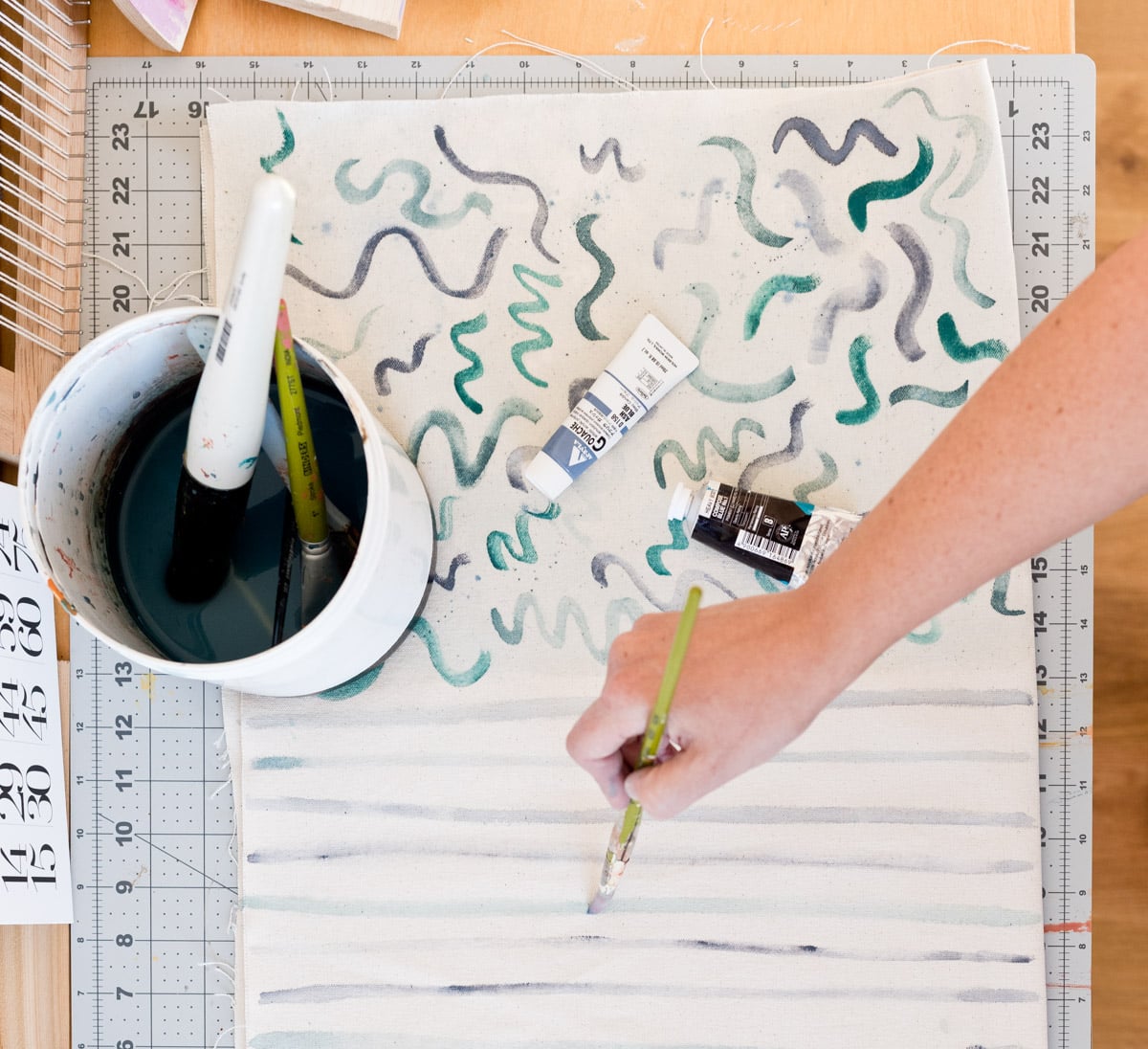
The foundation of the project begins with raw material selection. Creators start by measuring and cutting a precise piece of canvas, typically measuring 11.5 inches by 29 inches. This initial stage allows for complete creative freedom. Rather than settling for plain fabric, makers can apply hand-painted designs using fabric paint thinned with a touch of water, or dye the natural fibers entirely using traditional immersion techniques. This customization ensures that no two lunch bags are identical, offering a distinct outlet for personal expression.
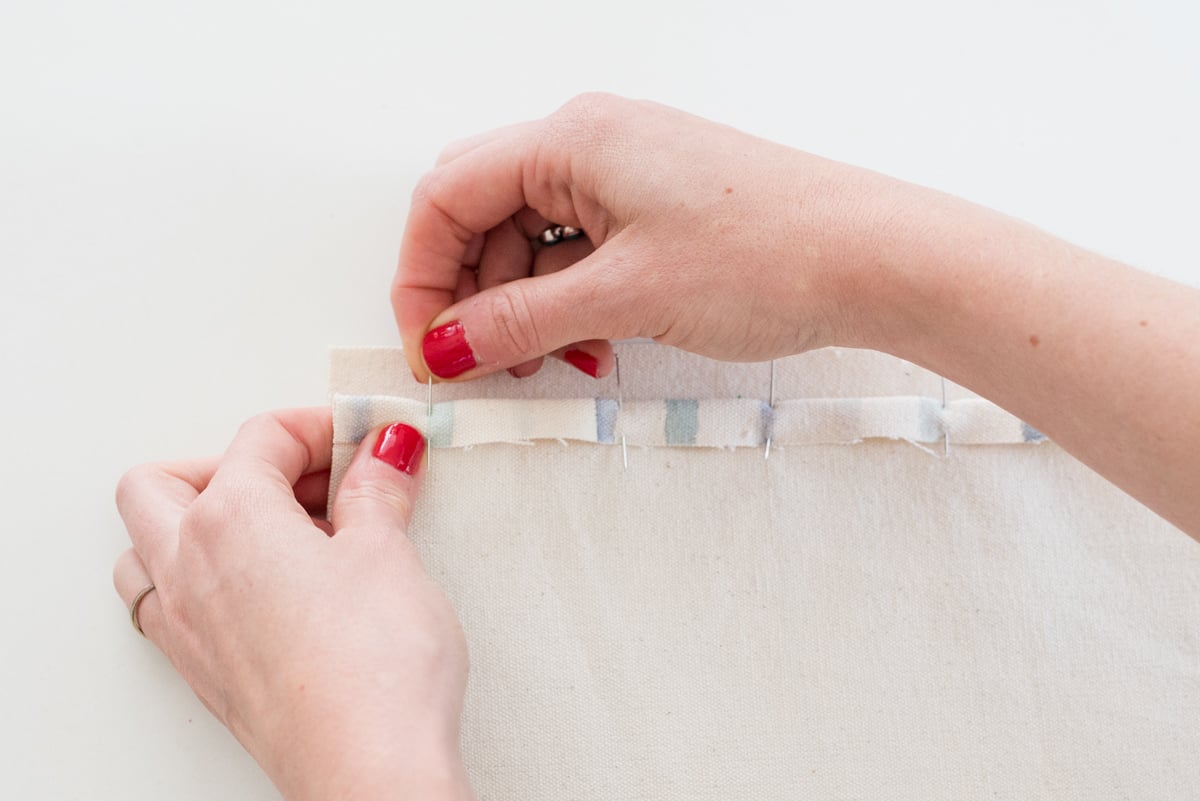
Once the canvas is prepared and thoroughly dried, the construction process moves into sewing and assembly. The fabric is folded in half and pinned, followed by a preliminary fold and stitch along the top edge to create a clean hem. The side seams are then sewn to form the primary body of the container. To give the bag its functional shape and allow it to stand upright on its own, makers construct a series of specialized folds at the bottom corners, creating a boxed base before trimming the excess fabric.
After turning the bag right side out, careful ironing along the vertical creases and bottom edges establishes the familiar, structured silhouette of a traditional lunch pouch. The final stages of the project introduce mixed media elements, specifically high-grade leather and hardware, to elevate the overall design. By attaching a small strip of leather and a button closure system, makers achieve a secure roll-top mechanism that keeps contents safely enclosed. Alternatively, those seeking a more casual aesthetic or working with limitations in hardware can easily substitute the leather components with colorful nylon webbing or alternative fastenings.
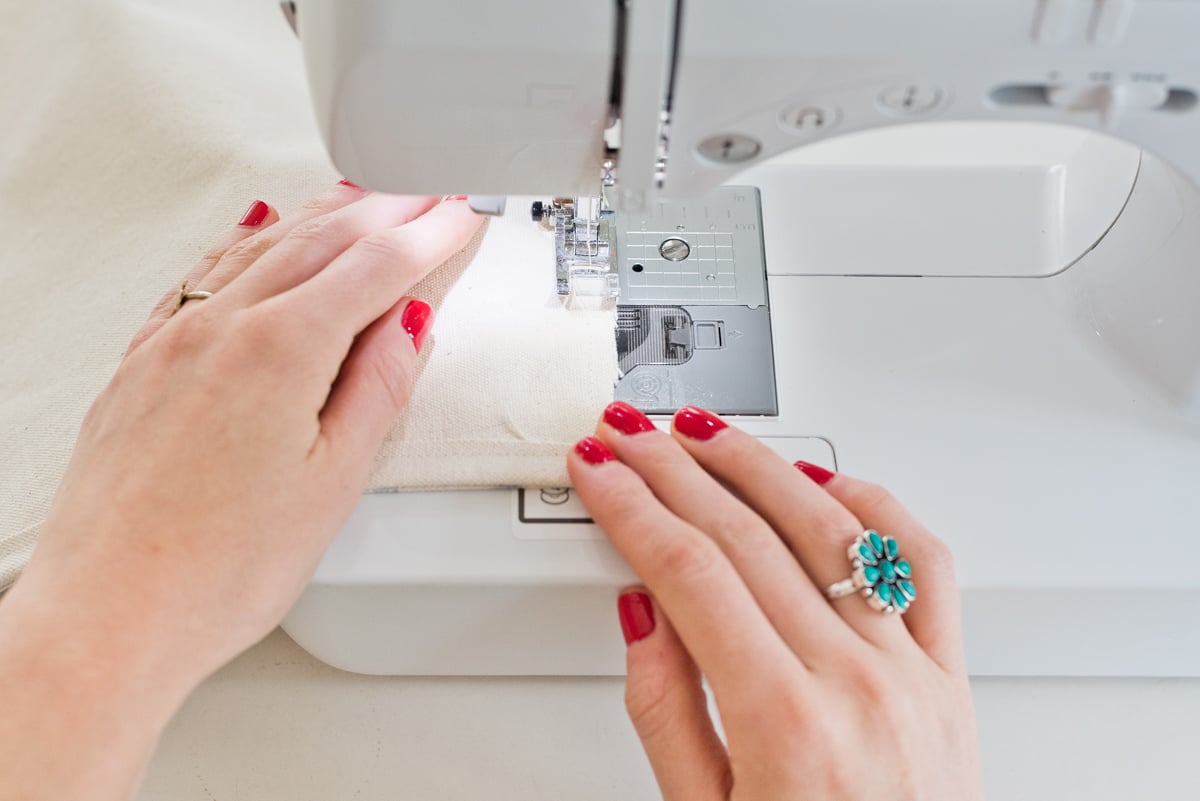
Practicality remains a primary consideration for any item designed to carry food, and the handmade canvas bags are built to withstand daily wear and tear. To enhance durability and protect against minor spills or adverse weather conditions, makers can apply a specialized fabric wax sealant. This protective coating transforms the absorbent canvas into a water-resistant barrier, though crafters must time the application carefully depending on the power and capability of their sewing machines, applying the wax either before final assembly or as a finishing touch once the bag is complete.
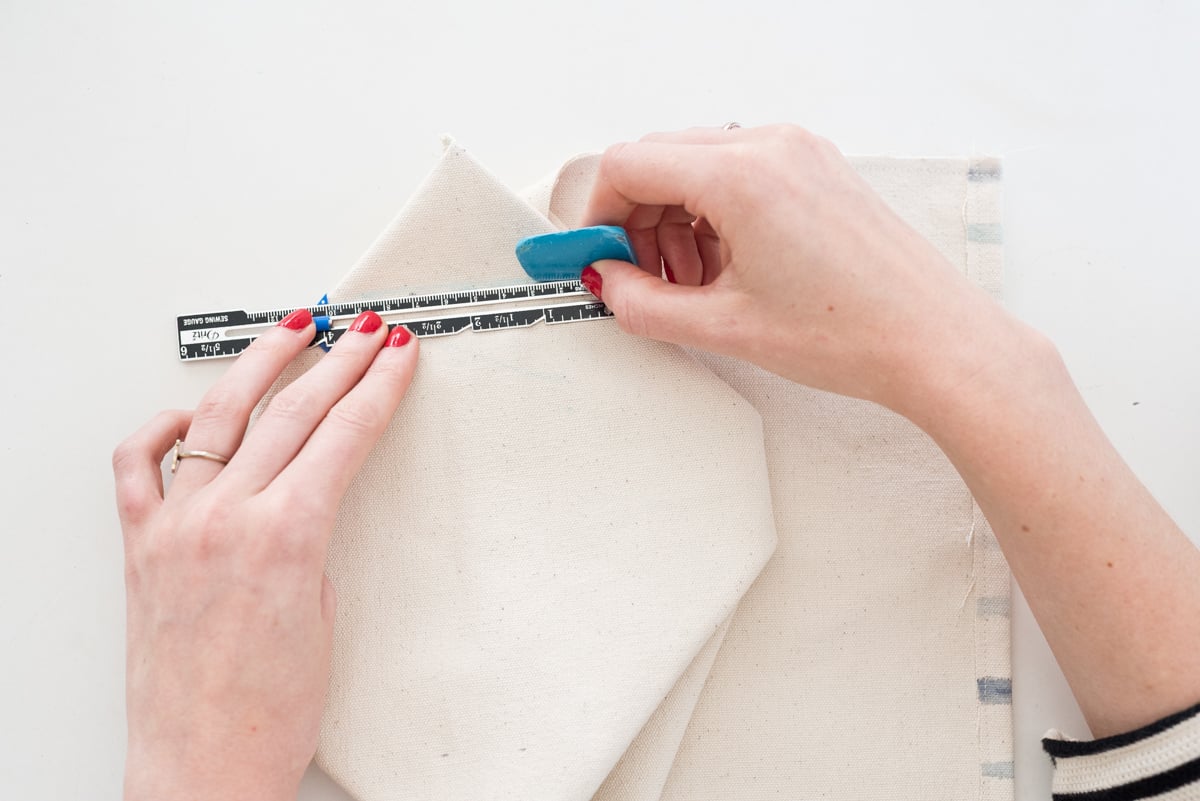
The versatility of the project has resonated broadly within the crafting and maker communities. By balancing straightforward sewing techniques with elevated design choices like leather accents and custom hand-painted patterns, the project demonstrates how everyday objects can be reimagined through independent creation. Whether adopted as a creative weekend project in preparation for the academic year or pursued as a stylish alternative to commercial lunch storage for the office, the handmade canvas lunch bag offers a sustainable and personalized approach to daily accessories.