For decades, cultural expectations have prescribed a rigid trajectory for later life, one marked by inevitable decline, quiet withdrawal, and a passive acceptance of physical and mental limitations. However, a growing cultural shift is underway, spearheaded by a generation of adults over 60 who refuse to let arbitrary chronological benchmarks dictate their capabilities. By examining the most pervasive myths surrounding the aging process, observers can begin to see how modern science, shifting cultural attitudes, and personal determination are reshaping what it means to grow older in the twenty-first century.
Aging Means Slowing Down
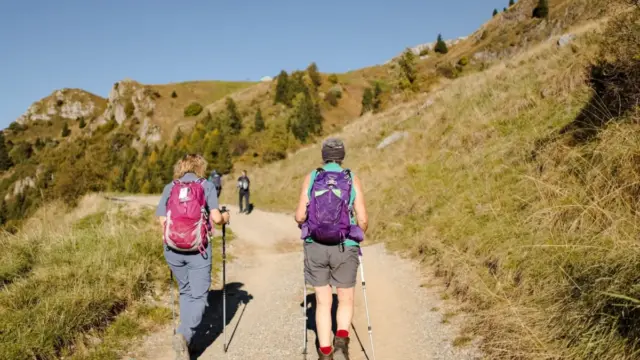
It is remarkably easy—and perhaps historically convenient—to use the advancing calendar as an excuse to lapse into a sedentary lifestyle. For generations, retirement has been culturally coded as a period of prolonged rest, rocking chairs, and physical disengagement. But thousands of seniors are disproving this myth every single day, demonstrating that physical vitality is not exclusively the domain of youth.
Contemporary media feeds and community spotlights are increasingly filled with features of individuals well past their sixth decade who excel as swimmers, runners, yogis, gymnasts, and competitive athletes. These individuals serve as powerful role models for anyone wishing to remain physically engaged and mobile. Organizations such as Growing Bolder have stepped into the cultural spotlight to highlight healthy and physically fit older adults, some of whom continue to compete in rigorous multi-sport events like the National Senior Games. At these competitions, participants regularly break age-group records, setting a shining example for younger generations and peers alike who aspire to maintain physical excellence well into their later years.
This burgeoning movement is backed by tangible reality. There is plenty of real-world evidence to prove that with consistent effort, personal discipline, and appropriate physical conditioning, individuals can maintain their pace and extend their healthspan while living actively in strong, capable bodies. The transition from a sedentary retirement model to an active longevity model represents one of the most significant cultural adjustments of our time.
Memory Loss Is Inevitable
Among the most persistent and anxiety-inducing fears associated with growing older is the belief that cognitive decline is an unavoidable destination. Conditions such as dementia and other neurodegenerative diseases are undeniably devastating; they steal memories, erode independence, and demand rigorous medical treatment and compassionate care. However, medical and psychological research increasingly shows that there are proactive ways to prolong cognitive function, stimulate neuroplasticity, and sustain memory as the years tick by.
The human brain, while not technically a muscle, functions in a remarkably similar fashion. It thrives on novelty, challenge, and continuous activity. Engaging in targeted cognitive exercises, learning a completely new language, pursuing creative arts, maintaining robust social interactions, and adhering to a balanced diet rich in Omega-3 fatty acids and powerful antioxidants collectively improve an individual’s statistical chances of living a long life with preserved cognitive vitality. Rather than viewing the brain as a vessel that inevitably leaks with time, modern perspectives encourage treating it as an organ that responds dynamically to ongoing intellectual and nutritional investment.
Sexual Desire Dries Up
Romance, passion, and sexual prowess have long been heavily associated exclusively with youth in popular culture, advertising, and media narratives. For decades, the cultural script dictated that intimacy was something to be left behind as one entered middle age and beyond. Yet, these dimensions of human experience do not have to be limited to earlier life stages.
A growing number of older adults are living vibrant, healthy, sexually active, and emotionally engaged lives with romantic partners, and many are even finding profound love and companionship later in life. This resurgence is largely driven by a willingness to remain open, vulnerable, and emotionally available. It is worth noting that the generation currently entering their sixties and seventies was the very demographic that pioneered the cultural and sexual revolutions of the 1960s and 1970s. Having redefined societal boundaries in their youth, they are uniquely positioned to challenge outdated conventions regarding intimacy in later life, proving that emotional and physical connection remains a vital human need across the entire lifespan.
Weight Gain Is a Normal Part of Aging
Physical changes are an undeniable part of growing older. A less active lifestyle, shifting hormonal balances, and alterations in nutritional habits can collectively result in weight gain as the decades pass. Human bodies naturally undergo metabolic shifts, meaning they do not process and burn calories with the same efficiency as they did during youth. However, acknowledging these physiological adjustments does not mean accepting that weight gain is entirely unmanageable or that physical fitness is out of reach.
Maintaining a healthy body composition simply requires updated strategies, increased motivation, and dedicated consistency. Daily physical exercise—ranging from brisk walking and cycling to swimming—remains an effective way to burn calories and support cardiovascular health. Meanwhile, practices such as yoga, structured weight training, and Pilates help develop and maintain lean muscle mass. Preserving this muscle tissue is crucial, as it keeps the body strong, enhances functional mobility, and naturally supports a healthier metabolic rate. The range of accessible physical activities tailored for older adults is vast, offering diverse pathways to sustained physical health.
We’re Destined to End Up Lonely and Alone
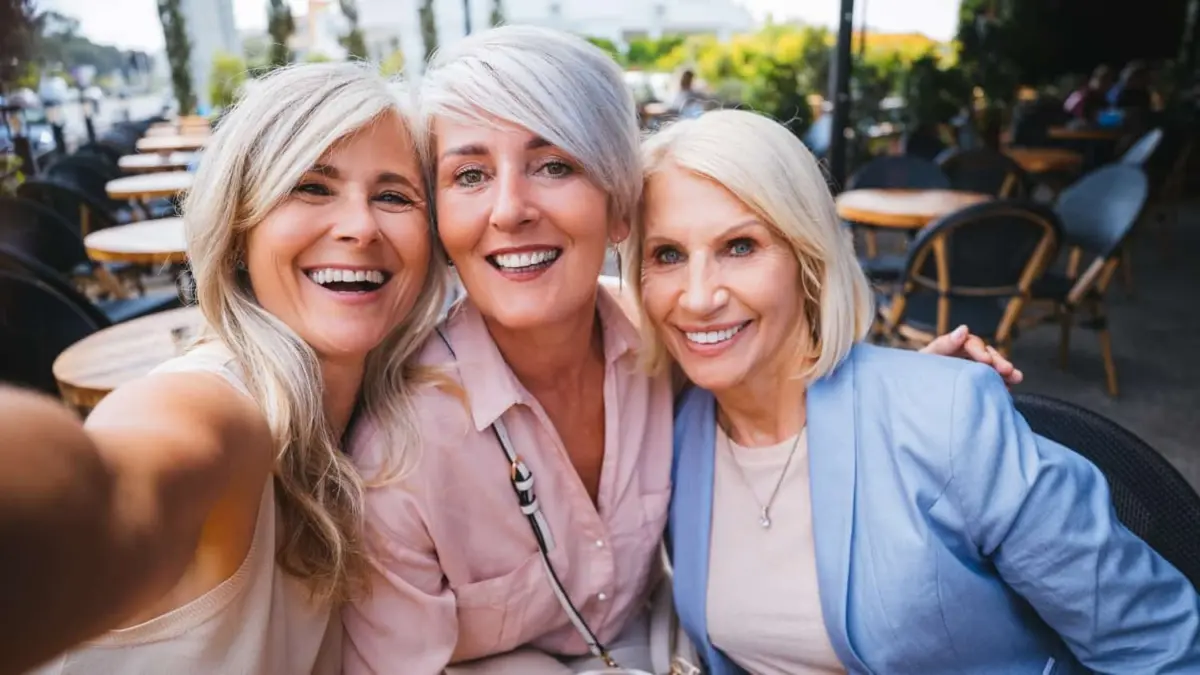
Perhaps one of the most emotionally heavy burdens carried by aging populations is the lingering fear of isolation. The prospect of how one’s social circle might shrink over time can haunt individuals and erode their confidence during transitions such as retirement or the loss of long-term peers. However, the social landscape of aging has transformed dramatically in recent years. Meeting interesting people, finding compatible companions, and staying in touch with lifelong friends has never been more practically achievable.
The digital age has introduced numerous online platforms specifically designed to help individuals find long-distance friendships, local meetups for shared group activities, and platforms for dating and romance. Furthermore, social media has emerged as a free, convenient, and universally accessible tool for maintaining interpersonal networks. Platforms like Facebook have become particularly prominent among the technology-savvy demographic aged fifty and older, offering user-friendly interfaces for posting life updates, sharing photographs and videos, and organizing community events or casual gatherings.
Ultimately, challenging these conventional misrepresentations of aging requires a collective shift in perspective. By replacing outdated stereotypes with an honest appraisal of what is actually possible, older adults can navigate their lives in a manner that is physically healthy, mentally sharp, socially connected, and deeply meaningful.