That is because, like just about any movement or activity, sex requires using multiple muscle groups. Strong core muscles are essential. But core muscles are not just the ones that make up your pelvic floor. They are also the muscles that control your legs, hips, and thighs. Paying close attention to the strength and flexibility of all of these muscles, and improving both, can enhance your experience and make you feel more confident in the bedroom.
The pelvic floor is central to the sexual response cycle, Justine Roper, PT, a certified women’s pelvic specialist and pelvic floor therapist, explained. Think of it like a hammock of muscles. Its job is to support our bladder, uterus, and rectum, and it is a direct interface for the clitoris and vaginal canal.
Why Just Doing Kegels Won’t Get You to the Big O
Most people want a strong pelvic floor, and that is great, Roper noted. But the pelvic floor should do two things: It should be able to contract and it should be able to relax.
That balance is key to arousal and orgasm. During arousal, blood flow increases to the genital area, creating tension in the pelvic floor muscles; orgasm comes with their release. If those muscles are constantly clenched, that release can be harder to achieve, Roper explains.
The harm in over-Kegeling is the stopping of the blood flow and ultimately the stopping of orgasmic response, she cautioned.
Even more surprising to many is that a significant number of people are not actually doing Kegels correctly. Instead of isolating the pelvic floor, they end up squeezing their glutes, inner thighs, or holding their breath during the exercise.
Kegels are still important, but practitioners emphasize that individuals need to learn how to perform them correctly. A Kegel is very isolated, requiring a strong mind-body connection, according to Roper. One effective way to build that connection is by utilizing the breath. When you breathe in, your pelvic floor relaxes; when you exhale, it recoils. Your breath has to do that salsa dance with the pelvic floor.
Once you have mastered that coordination, it is time to think about the bigger picture. Because better sex is not just about your pelvic floor, it is about how the rest of your body supports it too.
Meet the Muscles That Make Sex Better
While the pelvic floor often gets the spotlight when it comes to intimate wellness, these muscles do not work in a vacuum. Strength, stability, and mobility across your entire body all play a crucial role in how you move and feel during sexual activity. Furthermore, being more limber can make it easier and much more comfortable to get into and stay in different positions without experiencing physical strain.
Your glutes definitely need to be strong, Roper points out. They power hip extension, which is essential for movements like thrusting, and they help your pelvis handle a wide variety of positions comfortably. Weak glutes can inadvertently shift physical strain into your lower back and hamstrings, ultimately leading to discomfort.
Deep core-stabilizing muscles work in tandem with the pelvic floor, Roper explains. They help stabilize your body as a whole and support coordinated movement and proper breathing patterns during physical exertion.
Your inner thighs, known scientifically as the hip adductors, connect directly to the pelvic floor. Existing tightness or weakness in these areas can directly affect overall pelvic tension, which is why functional movements like lateral lunges or sumo squats can help keep things balanced.
Hip rotators are another critical component. Have you ever felt stiff or physically uncomfortable in certain sex positions? Limited hip rotation could very well be the culprit. Targeting the muscles deep within your hips can significantly improve both comfort and mobility, Roper notes. Improving overall flexibility in your hips and inner thighs can help reduce excess tension in the pelvic floor, allowing those muscles to fully relax when you need them to the most.
Your Go-to Moves for Better Sex
To achieve this comprehensive balance of strength, stability, and flexibility, experts suggest a straightforward, full-body bodyweight routine. You do not need fancy equipment—just yourself, an open space, and perhaps a yoga mat to protect your back.
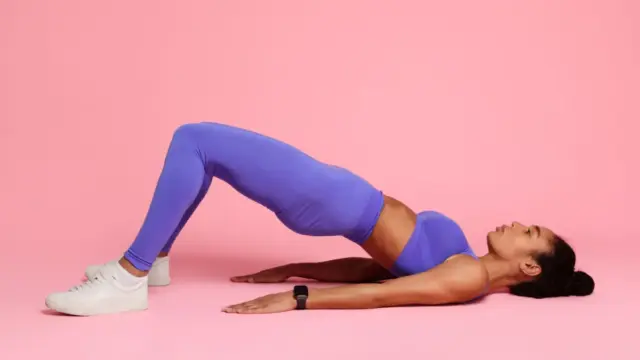
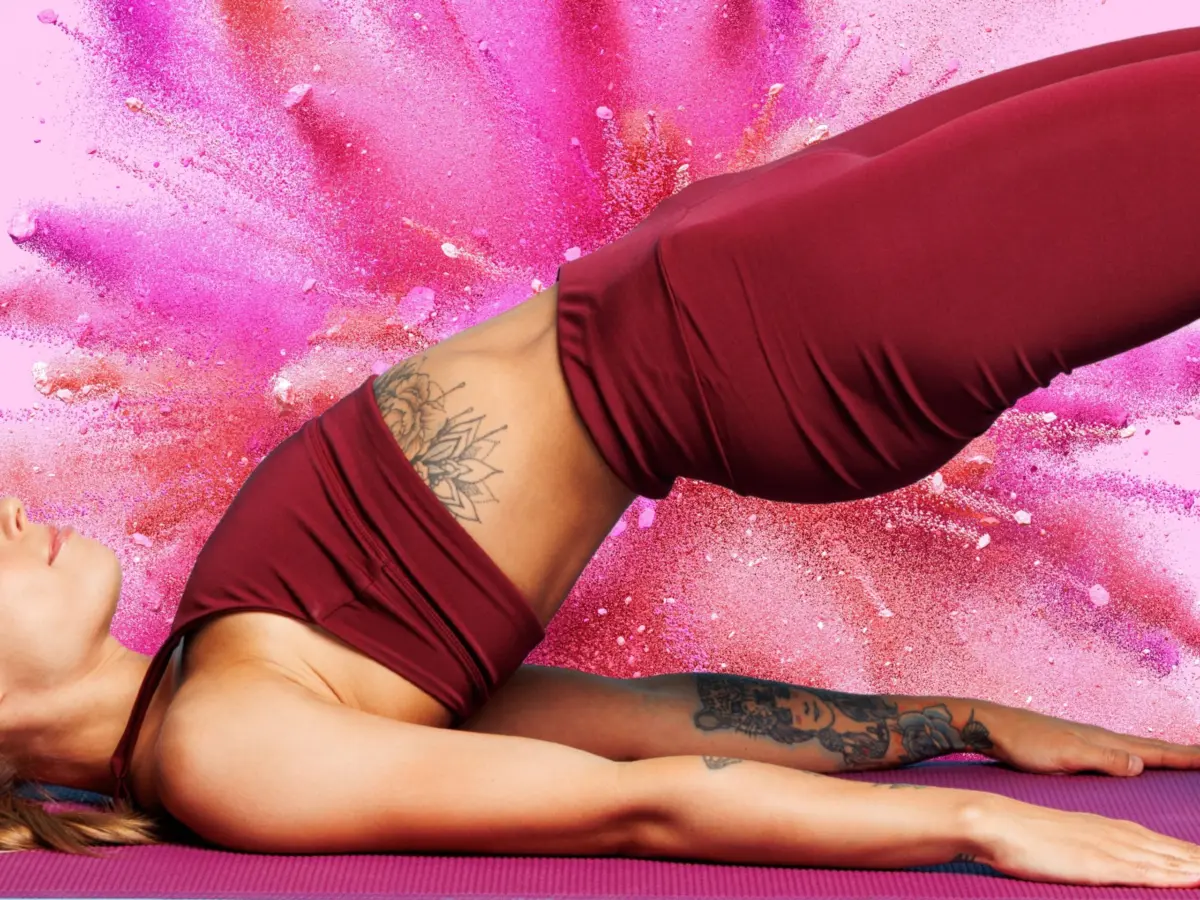
This routine is designed to be accessible and efficient, taking only about 10 minutes to complete. Practitioners recommend spending roughly two minutes on each exercise, completing 8 to 10 repetitions per movement. The regimen incorporates foundational movements such as the Lying Butterfly Stretch to open the hips, the Hip Bridge to engage the glutes and pelvic stability, the Dead Bug to challenge deep core control, the Deep Squat Hold to test lower body mobility and pelvic floor release, and Windshield Wipers to enhance internal and external hip rotation.