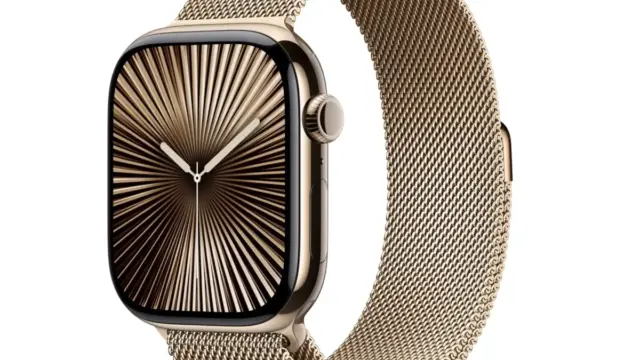
The primary catalyst for this shift lies beneath the surface. The Apple Watch Series 12 is powered by a new processor—confusingly designated as the S11 chip—which introduces foundational architectural changes required to support modern software features that older hardware simply cannot handle. This hardware limitation is precisely why native step counts, for example, are restricted exclusively to the new lineup. Apple chose an implementation method that relies heavily on the capabilities of the newer microchip to calculate these metrics efficiently. Whenever a significant break in software compatibility occurs between generations, it signals a strategic shift by the manufacturer, strongly suggesting that future software updates will lean heavily on the Series 12 architecture while leaving previous iterations behind.
The Heart Rate Sensor Is a Big Upgrade
One of the most compelling physical justifications for an upgrade is the overhaul of the optical hardware located on the rear casing of the watch. This redesigned sensor array, which is shared by both the Series 12 and the Ultra 4, reads optical heartbeats with a degree of precision that marks a substantial leap forward from the sensors embedded in the Series 10 and Series 11 models. For individuals who structure their athletic routines around heart rate zones or rely on post-workout analytics to evaluate and plan future training loads, this hardware enhancement alone can justify the transition to the new device.
Apple has positioned this component as providing the most accurate heart rate tracking available on any commercial wearable device on the market. Real-world testing of this claim reveals a nuanced reality: while it may not decisively surpass the gold standards set by dedicated fitness brands like Garmin, it matches them stride for stride. The Series 12 stands shoulder-to-shoulder with Garmin’s top-tier wrist sensors, effectively tying for the title of the best wrist-worn monitoring system currently available to consumers. Of course, sports scientists and serious athletes continue to acknowledge that traditional chest straps remain superior to any wrist-based optical system for high-intensity exercise, but for convenience paired with high fidelity, the wrist sensor on the Series 12 represents a major milestone.
Steps on the Watch Face Are a Nice Plus
While the addition of native step-counting functionality is unlikely to serve as the sole motivation for purchasing a new smartwatch, it remains a welcome convenience that resolves a long-standing omission in the ecosystem. Users can now seamlessly integrate a step-count complication directly into their preferred watch face layout—such as a corner of the modular design—or pin the metric directly to their Smart Stack for quick glances throughout the day.

Historically, users who wanted persistent step tracking on their Apple Watch faces had to rely on third-party applications to bridge the software gap. Bringing this capability natively into the operating system streamlines the user experience. Apple has emphasized the underlying accuracy of its step-counting algorithms, and ongoing evaluations will continue to test how well these metrics hold up against dedicated pedometers and competing fitness ecosystems over extended periods of real-world use.
Readiness and Recovery HRV Are Another Nice Extra
Heart rate variability, or HRV, has long been a capability of the Apple Watch hardware, but previous generations primarily utilized the SDNN calculation method. While SDNN offers valuable insights into broad cardiac health over time, it lacks the fine-tuned sensitivity required for daily recovery and stress assessments. With the introduction of the Series 12 and the Ultra 4, Apple has incorporated the RMSSD metric, which is widely recognized by sleep and recovery specialists as the preferred mathematical approach for gauging daily physiological stress and readiness.
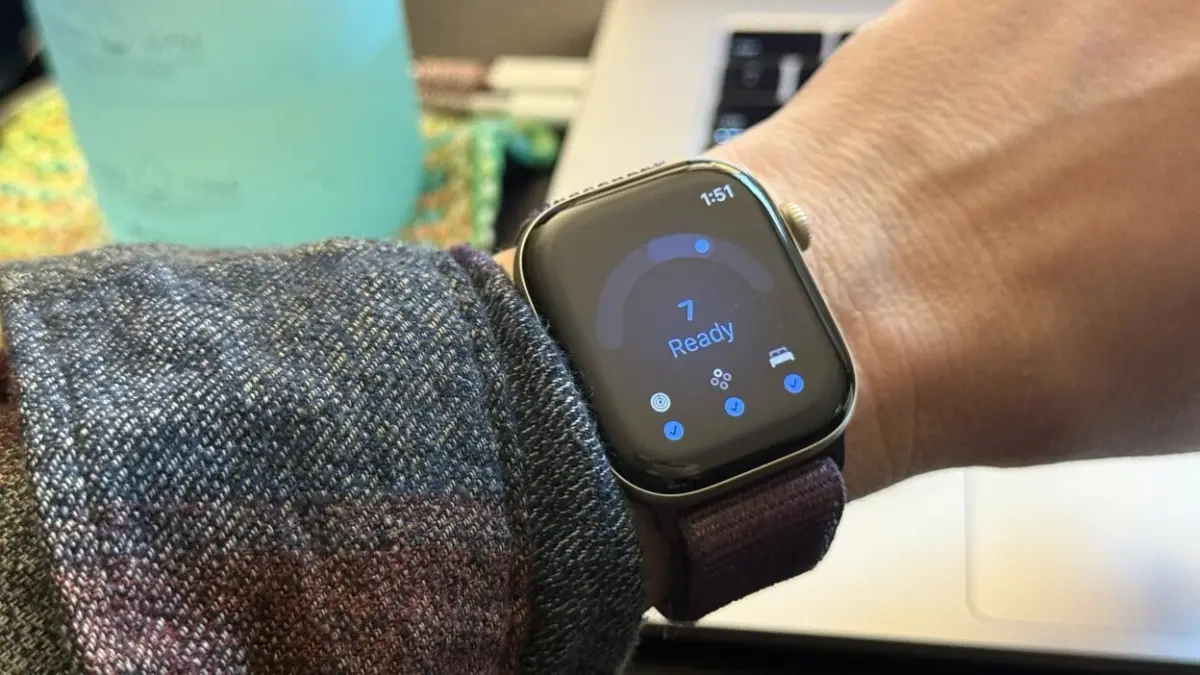
This addition bridges a notable functionality gap between the Apple Watch and dedicated recovery-tracking wearables like the Oura Ring or Whoop strap. Because the watch can now capture accurate overnight HRV readings using the RMSSD standard, users no longer need to wear a secondary device to monitor their physical recovery state. Furthermore, this data feeds directly into a newly introduced readiness score, designed to give wearers a concise, data-driven assessment of how prepared their bodies are to tackle the physical and mental demands of the upcoming day.
What I’m Less Excited About in the Series 12
Despite the hardware improvements and physiological tracking additions that anchor the Series 12 release, Apple has also marketed several software-driven features that warrant a more cautious appraisal. Many of the heavily promoted selling points are tied to broader ecosystem updates rather than the watch itself. For instance, incremental refinements to the Workout Buddy feature and a sweeping redesign of the Health application on the iPhone are software-level changes that do not require a hardware upgrade to experience.
Other features that are technically integrated into the new watch hardware fail to offer a compelling reason to rush out and buy the device. Among these is the introduction of an AI-powered iteration of Siri. While this updated assistant is technically capable of executing specific tasks more effectively—such as searching through personal message histories and email threads—it frequently introduces frustrating latency and processing errors that undermine its practical utility. Although algorithmic refinements over time may eventually resolve these performance hiccups, the current implementation leaves room for improvement.
Additionally, Apple has introduced controversial ambient audio features designed for automated transcription and meeting summaries. Tools like Live Rewind, which continuously buffers and transcribes the last fifteen seconds of audio heard by the device, and Siri Recaps, which synthesize meeting audio, venture into territory that many users find invasive. Despite Apple’s rigorous privacy safeguards, the underlying premise of a wearable device that perpetually records and listens to its environment—potentially capturing the voices of unsuspecting bystanders who have not consented to audio capture—raises valid privacy concerns. For consumers weighing whether the substantial investments required for an upgrade are justified, focusing on the core hardware improvements, enhanced sensors, and recovery metrics provides the most reliable path forward.