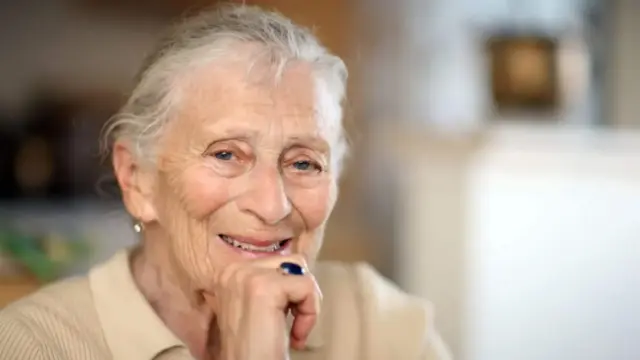
Her first diagnosis came a quarter of a century ago, occurring just months after the tragic events of the World Trade Center towers falling in September 2001. Decades later, at the age of 70, she faced a second diagnosis. Over the course of 25 years, she has undergone two separate breast cancer diagnoses, two major mastectomies, and subsequent reconstructive surgeries.
Medical statistics underscore the widespread nature of the disease she has fought twice. Today, approximately one in eight women will develop invasive breast cancer in their lifetime, with epidemiological data demonstrating that the risk of diagnosis increases significantly as individuals age. Overall, the incidence rate hovers around 132.5 cases per 100,000 people. While the vast majority of cases occur in women, men are not entirely immune, though fewer than 1% of all breast cancer cases are diagnosed in males.
With no prior history of cancer anywhere in her family, receiving that initial diagnosis came as a profound shock. As a mother of three—two daughters and a son—her immediate fears extended beyond her own mortality, leaving her deeply concerned for the health and future of her daughters.
My First Diagnosis
Her initial encounter with the disease involved ductal carcinoma in situ, commonly known as DCIS. This is categorized as an early, non-invasive form of breast cancer that originates inside the milk ducts. Fortunately, medical evaluations revealed no node involvement, meaning the cancer had not spread to the surrounding lymph system.
However, her second encounter proved to be entirely different and significantly more formidable. Despite adhering to a strict regimen of annual mammograms, she was diagnosed with invasive lobular breast cancer. This form of the disease is recognized as much more serious and aggressive than her first diagnosis. Furthermore, the pathology reports indicated node involvement, necessitating a far more intensive treatment protocol.
To combat the aggressive nature of the second cancer, she required a comprehensive treatment plan that included radiation therapy, a mastectomy, and reconstructive surgery. Because her specific type of cancer was determined to be estrogen-driven, her long-term medical management also required ongoing monthly injections of fulvestrant, a specialized pharmaceutical medication designed to reduce the number of estrogen receptors in the body and suppress tumor growth pathways.
Dealing with Mastectomy and Reconstruction
Navigating the physical aftermath of mastectomies and reconstructive surgery involves profound adjustments. One of the primary physical drawbacks is how these procedures permanently alter a person’s physical landscape. Throughout the recovery process, having a supportive partner can make a critical difference, especially someone who consistently offers reassurance, reminds their partner of their inherent beauty, and expresses deep gratitude for their survival.
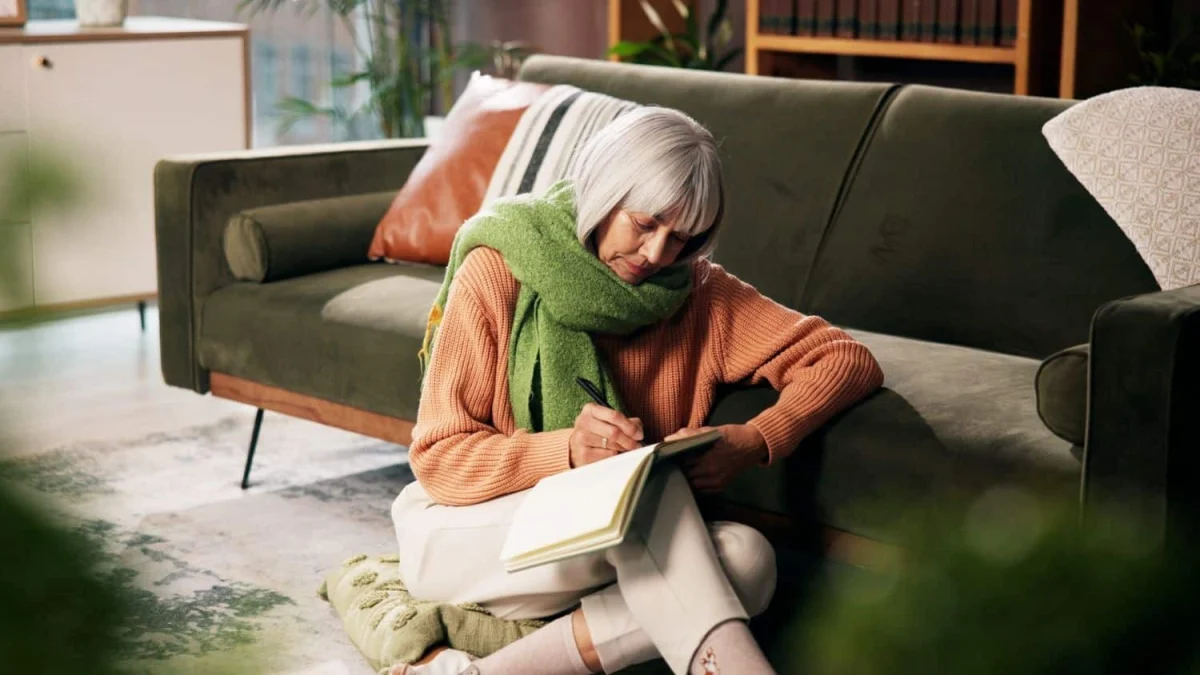
Recovery is also heavily influenced by the medical professionals guiding the patient through the process. The plastic surgeon who performed her first surgery played an instrumental role in helping her reclaim a positive body image. Recognizing her background as a writer, he not only encouraged her to maintain a personal journal to process her thoughts, but he also urged her to invest in sexy lingerie and, when she felt ready, to wear provocative clothing—initially within the comfort of her own home and eventually when venturing out into public.
Another difficult dimension of this specific type of surgical intervention is the complete loss of sensation in the nipple area. Patients often discover that there is a total absence of erotic sensation, leaving the nipple and surrounding tissue entirely numb. While her initial surgeon noted that some women do eventually regain nerve sensation, she never experienced any return of feeling, though she occasionally encounters phantom sensations in the area.
Dealing with Emotions
Maintaining emotional equilibrium during the vulnerable early days following surgery requires dedicated coping mechanisms and professional support. During her recovery, she worked closely with a nurse-therapist who specialized in helping breast-cancer patients navigate the complex psychological adjustments associated with the loss of a breast. From their very first appointment, the therapist guided her through creative-visualization techniques, and she fell into a routine of listening to healing audio tapes each night. The therapist also emphasized the importance of taking recovery one day at a time and granting oneself permission to focus entirely on personal needs.
Across both diagnoses, she found that she required ample periods of solitude to process and reflect. Often, she would sit quietly in her backyard, writing in her journal and composing letters to loved ones who had passed away. In time, some of those very journal entries evolved into published articles designed to help other women confront their own fears and anxieties surrounding a breast cancer diagnosis.
That writing process ultimately gave birth to her second memoir, titled Healing with Words. She often describes the publication as a self-help memoir because it features practical journaling prompts at the end of every chapter, drawing directly from her personal rehabilitation experience. Last year marked the 15th anniversary of the book’s release.
For decades, she has nurtured a deep passion for journaling and has shared that love with others by teaching writing. Her journaling habit began at the tender age of ten, when her mother presented her with her first journal. Today, she refers to her journal as a writer’s notebook—a dedicated space where she can remain entirely honest with herself, recording raw feelings, fleeting thoughts, underlying fears, and whatever else occupies her mind on any given day.
By committing to a regular practice of journaling and meditation, she has successfully built a framework for coping with her history of cancer. Rather than letting the disease overshadow her daily existence, she actively focuses on the positive pillars of her life: a devoted husband, three wonderful children and their partners, six grandchildren, and a fulfilling, successful career.
Empowered by Life’s Journeys
True empowerment often emerges when individuals confront and come to grips with the difficult chapters of their life journeys. Reflecting on her decades-long experience, she has sought to use every hurdle as fuel to push forward. One of the most enduring lessons she has learned is that emotional healing almost invariably requires more time than physical healing. Consequently, she has made a conscious effort to surround herself with positive people who radiate good energy and avoid bringing her down.
While society has made strides in addressing health crises, cancer still carries a lingering stigma, though perhaps less overtly than it did decades ago. Striking a healthy balance is essential; while it is rarely wise to dwell constantly on a history of breast cancer, she emphasizes that it is equally important never to forget the journey or the resilience it forged.
Ultimately, navigating life as a woman involves a myriad of complex concerns, decisions, hurdles, and milestones. Yet, alongside those challenges come significant high points and victories that deserve recognition, making it vital to pause and celebrate them along the way.