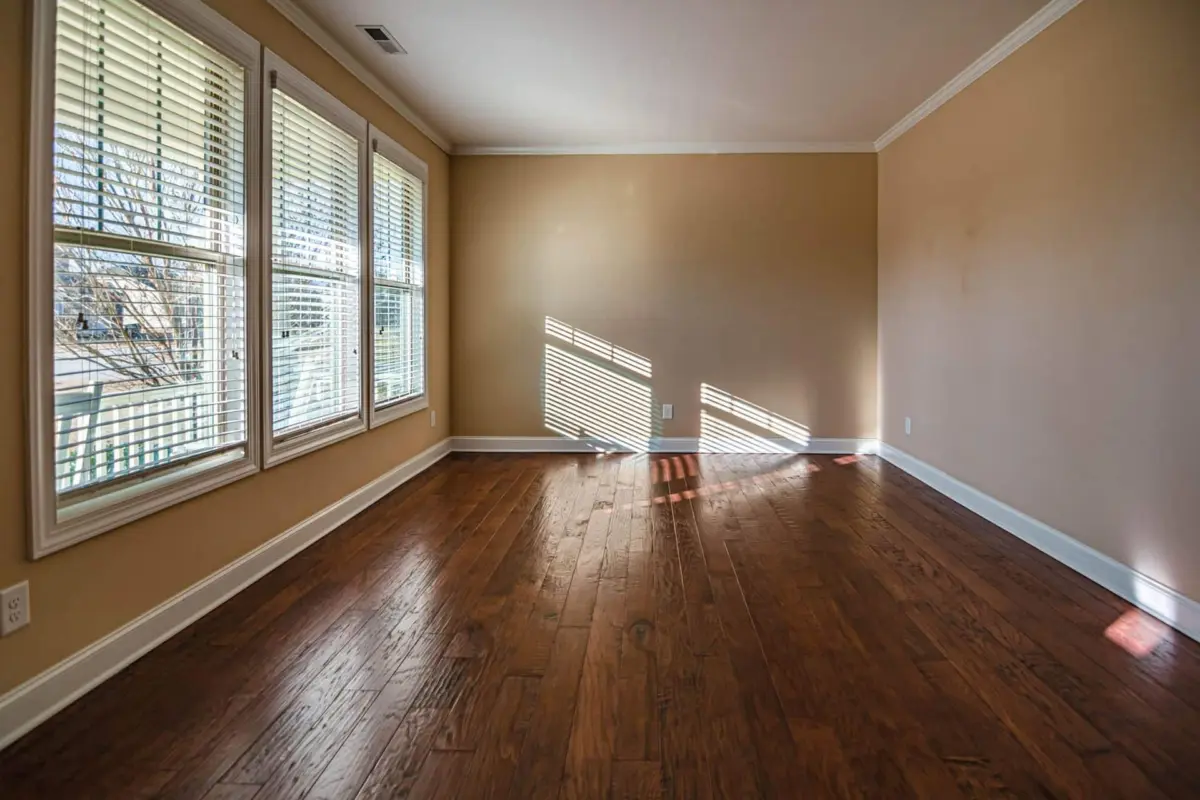
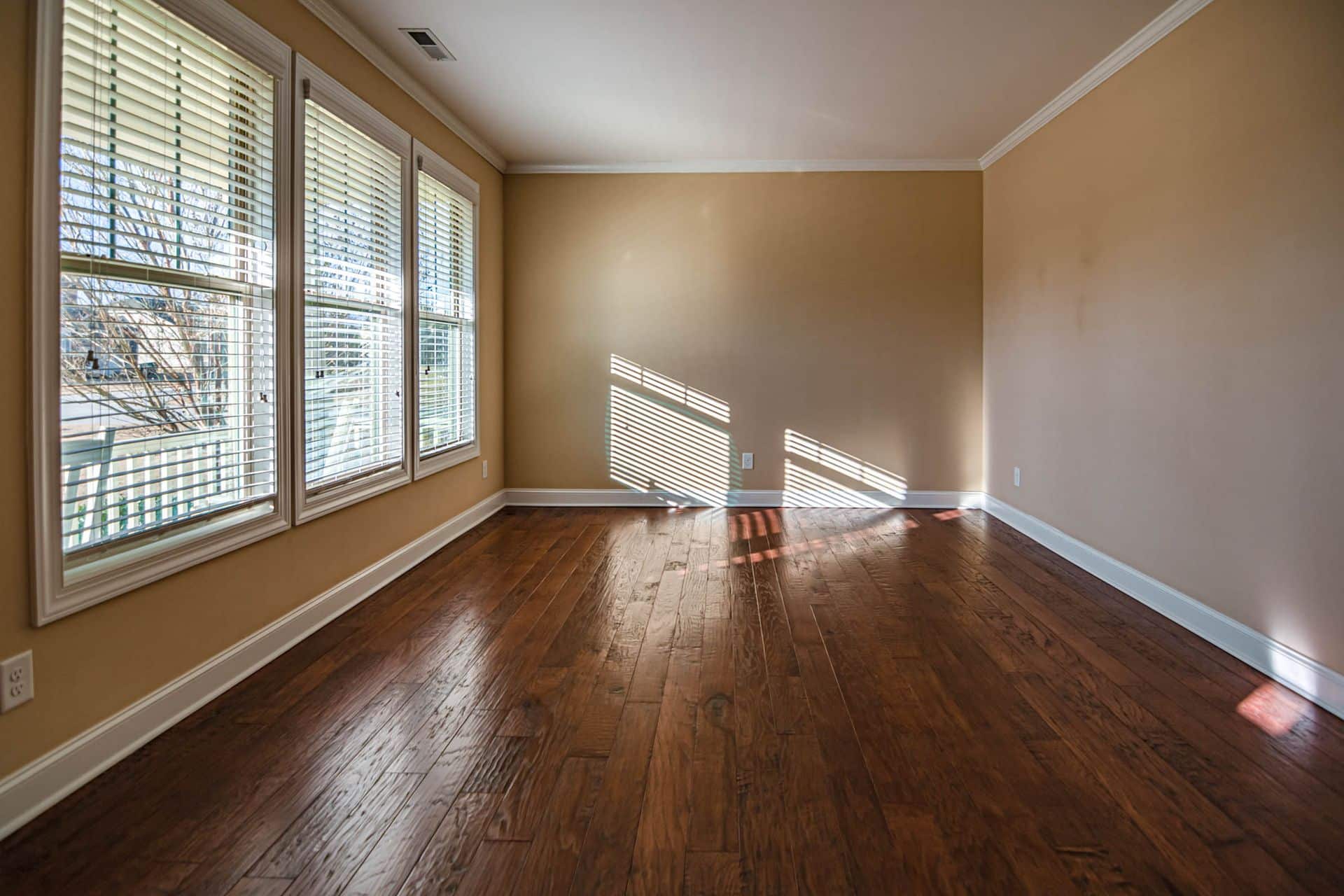
She rented a sparsely furnished apartment designed for the simplest transition possible. Upon arrival, she spent her first afternoon integrating her minimal belongings—what she describes as occupying about three square feet of space—among the landlord’s bare-minimum stock furniture. Living in such a stripped-down environment quickly offered unexpected insights into consumer habits, minimalism, and the psychological weight of everyday clutter, mirroring lessons she had previously encountered while navigating overly crowded living spaces.
One of the first traditional habits to fall away under these new conditions involved everyday convenience items. Part of the furnished apartment experience typically includes complimentary, hotel-sized portions of basic products. Having already packed her own preferred toiletries and cleaning supplies, Mia initially viewed these hotel-style amenities as redundant extras. In the past, she admits, a lingering hoarding mentality might have dictated saving those tiny, inferior items for some vague future scenario where miniature products might prove useful.
This time, however, she decided to simply use them up. Recognizing that they were often the lowest-quality versions of everyday necessities, saving them added no genuine enrichment to her life. There was no joy or excitement in the prospect of using them later down the line. By consciously working through them first and discarding the empty containers immediately, she systematically reduced the physical and mental real estate those items occupied. The experience reinforced her view on the efficiency of "use-it-up" decluttering strategies, proving that burning through accumulated surplus can drastically clear both physical surfaces and mental bandwidth.
The transition also forced a creative rethinking of interior aesthetics. As a self-described homebody, being displaced from her permanent residence and familiar belongings posed a psychological challenge. To counter the starkness of the temporary rental, she deliberately displayed the few personal items she had brought along, draping a colorful throw blanket over the couch rather than folding it away neatly, and propping her favorite books on various surfaces instead of stacking them out of sight on a bedside table.
Any personal possession that possessed even a hint of warmth or visual charm was granted a visible spot in the room. In a heavily furnished home, such a technique might easily tip over into visual chaos, but against the backdrop of a nearly empty apartment, the strategy imparted a sense of coziness and personality. It demonstrated how everyday items can serve a dual purpose, functioning practically while simultaneously softening a sterile space without contributing to accumulating household clutter.
Personal adjustments extended even into the kitchen, shaped in part by personal sensory sensitivities. Dealing with severe aversions to the sharp clinking sounds of metal silverware—which routinely induced physical nausea—she initially resorted to hoarding plastic cutlery from takeout meals during her first days in the apartment to avoid using the rental’s standard metal utensils. That temporary fix was soon replaced by a meaningful gift: a small wooden spoon given to her by a close friend who visited to celebrate her recent birthday.
Now, that single wooden spoon, paired with a set of chopsticks, constitutes her entire active kitchen utensil inventory, rendering the apartment’s remaining utensil drawer entirely obsolete. The experience highlighted a broader philosophy: owning a single item that serves its purpose flawlessly—particularly one loaded with positive emotional resonance—is vastly preferable to maintaining a drawer full of mediocre alternatives that fail to satisfy.
Beyond physical surroundings, the relocation drastically altered her social calendar and daily rhythm. Currently, her local social network consists of only a couple of nearby acquaintances, a sharp contrast to the bustling community she left behind. While initially missing the constant presence of close friends, she discovered that the enforced solitude provided a profound surge of energy. Navigating the delicate contradiction of deeply valuing loved ones while simultaneously thriving on solitary time, she found that a simplified schedule created an unexpected sense of ease.
Freed from complex social obligations and the heavy maintenance demands of a large household, her daily life streamlined itself. Waking up each morning allowed for effortless walks to the gym for regular workouts. The apartment naturally remained spotless, leaving significantly more mental and physical energy to dedicate to cooking healthy, nourishing meals. Furthermore, having acquired a business a few months prior—a milestone that had kept her relatively quiet professionally—she found herself comfortably ahead on work deadlines. This newfound surplus of time and mental clarity finally provided the bandwidth necessary to sit down and document her experiences.
While she intends to gradually reintegrate structured social activities and hobbies into her routine now that she has fully settled—including planning game nights with friends back home and picking up fight training now that her physical energy has returned—she acknowledges that the period of intense alone time proved remarkably productive and revitalizing.
Yet, the experiment also highlighted how quickly domestic accumulation can take root. Within just three weeks of arrival, the subtle threat of creeping clutter made itself felt. Celebrating a birthday meant welcoming new gifts into the apartment—items that brought genuine happiness but immediately demanded physical space, underscored by the presence of a small trampoline sitting directly beside her workspace. Similarly, arriving with almost nothing yielded a kitchen cabinet quickly filling up with plastic food storage containers saved from daily meals.
The observation underscored a fundamental reality of domestic life: the natural momentum of consumer goods flows steadily inward. Without deliberate, active efforts to establish a counter-flow moving items back out of the home, possessions inevitably accumulate over time. To combat this, she quickly re-engaged standard passive decluttering methodologies, leveraging techniques that had proven remarkably effective in the past to stay well ahead of potential buildup.
As for the primary question driving the cross-country relocation—whether changing her environment would alleviate her persistent health issues—the early results are promising. The experiment has yielded the first tangible, genuine improvements in her health seen in years. Naturally, the news brings a layer of complex reality, given that the solution involves living far away from her permanent home. However, navigating that complication is a challenge she intends to tackle armed with the clarity and mental space afforded by her minimalist experiment.