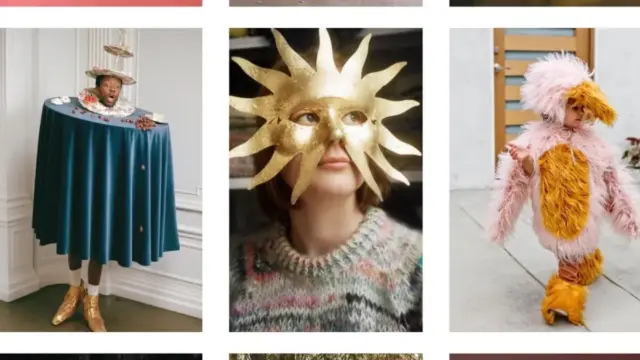
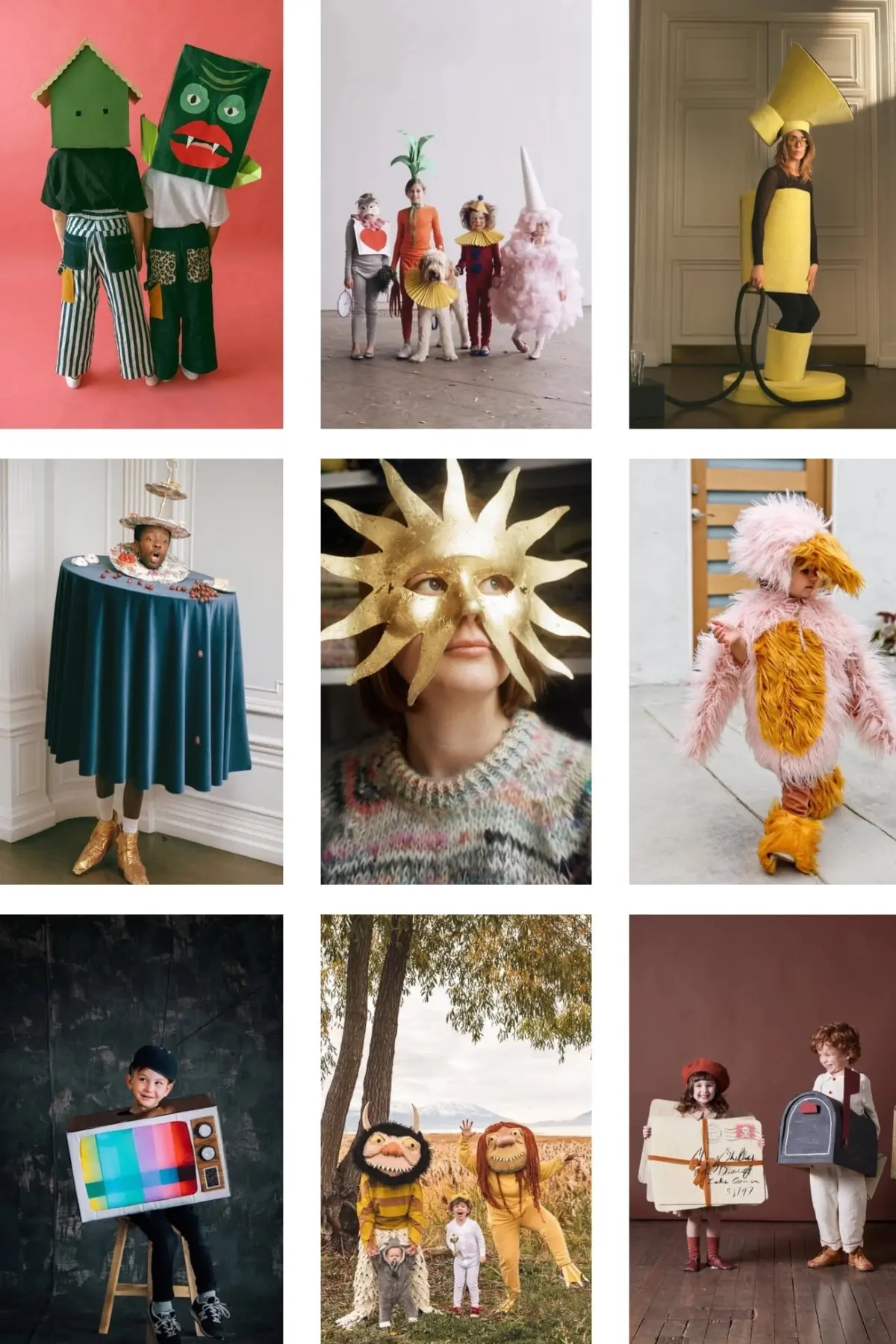

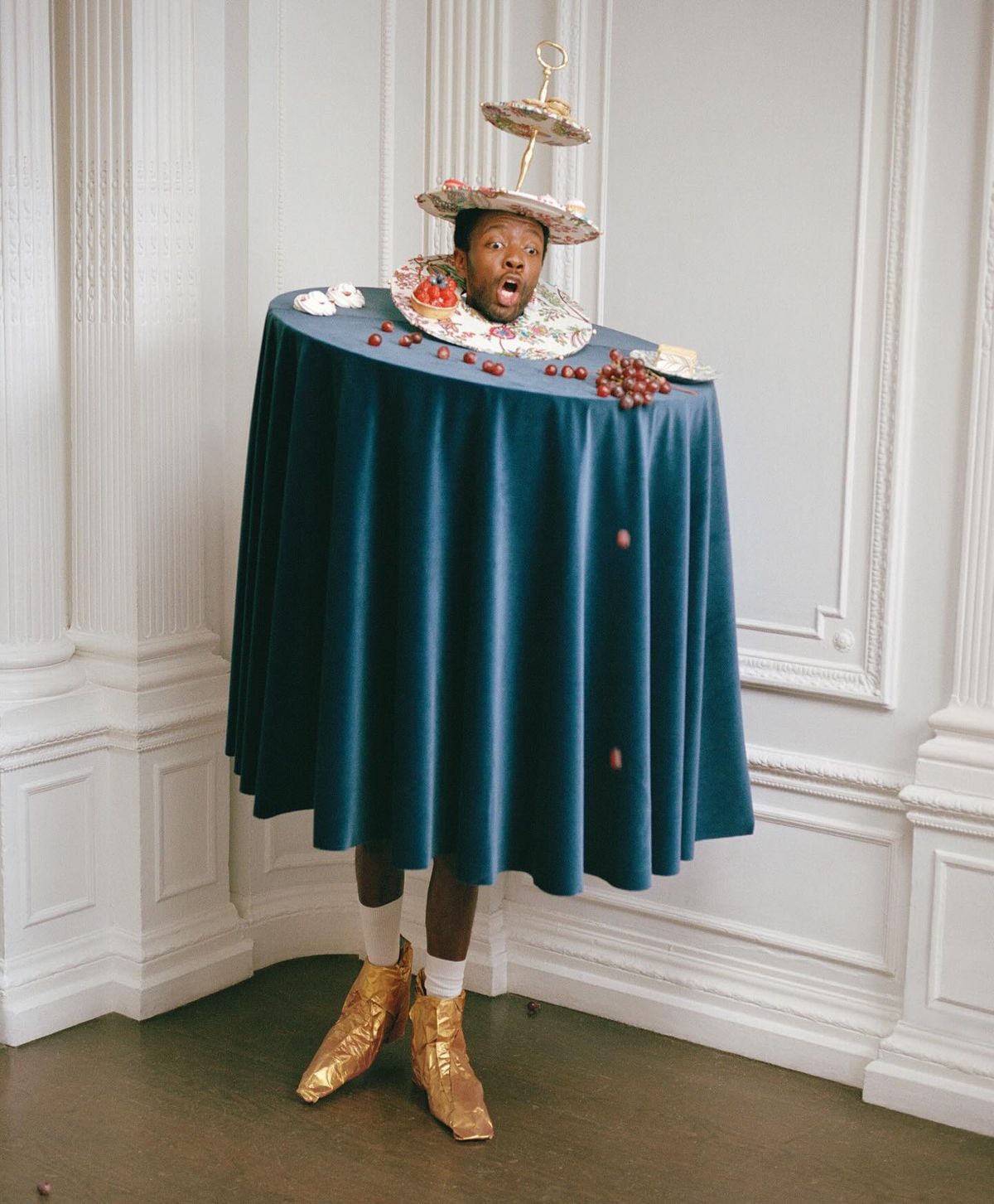
The current landscape of handmade Halloween attire draws inspiration from high-concept design, vintage pop culture, everyday objects, and classic storybooks. Among the standout concepts catching the attention of design enthusiasts are whimsical interpretations of household items transformed into wearable art. Recent features from interior design publications and creative studios have highlighted avant-garde costumes modeled after domestic objects, including intricate table settings, vintage table-side lamps, and retro appliances. These architectural designs often utilize readily available materials such as recycled cardboard, paper mache, and fabric scraps, demonstrating how sustainable practices can merge seamlessly with festive creativity.
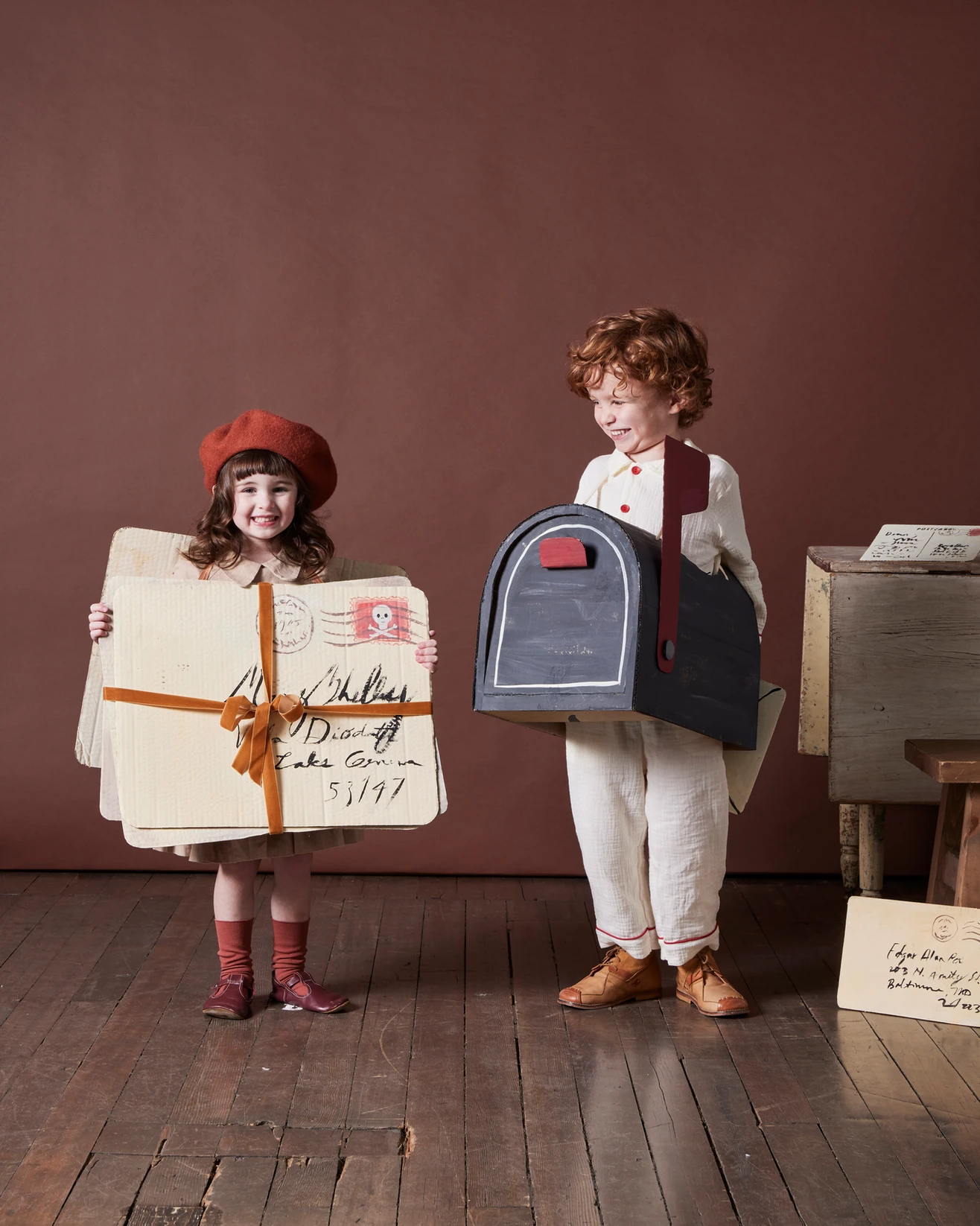
Family and group costumes have also taken center stage this season, offering synchronized concepts that tell a cohesive visual story. Elaborate group tributes to classic literature, such as intricate interpretations of Maurice Sendak’s beloved children’s book "Where the Wild Things Are," showcase the extraordinary lengths to which families will go to bring a story to life. Similarly, clever duos and group themes—ranging from classic postal mailboxes paired with hand-delivered letters to a vibrant collection of walking crayons based on modern children’s literature—provide endless inspiration for those looking to coordinate with siblings, friends, or partners.

For parents seeking accessible yet visually striking options for infants and toddlers, the focus often shifts toward lightweight, comfortable, and quick-to-assemble designs. Classic concepts like the ever-popular baby mouse costume, detailed infant clown ensembles complete with handmade fabric ruffs and pom-poms, and celestial themes like a shimmering newborn moon or a gold-leaf sunshine mask offer charming alternatives to heavy commercial garments. Many of these infant and toddler costumes are designed to be easily adaptable for older children or adults with minor modifications, making them versatile choices for families working on tight schedules.
Paper crafts have emerged as a particularly popular medium for those seeking economical and striking costume solutions. Lightweight paper cranes modeled with intricate folding techniques and wearable cardboard structures offer high visual impact at a fraction of the cost of traditional tailoring. These techniques often bridge the gap between fine art and everyday crafting, allowing participants to utilize items already found around the home. Whether it is transforming an old laundry basket and balloons into a vintage hot air balloon pilot costume or constructing a wearable retro television set complete with a cardboard screen, the emphasis remains heavily on ingenuity over expense.
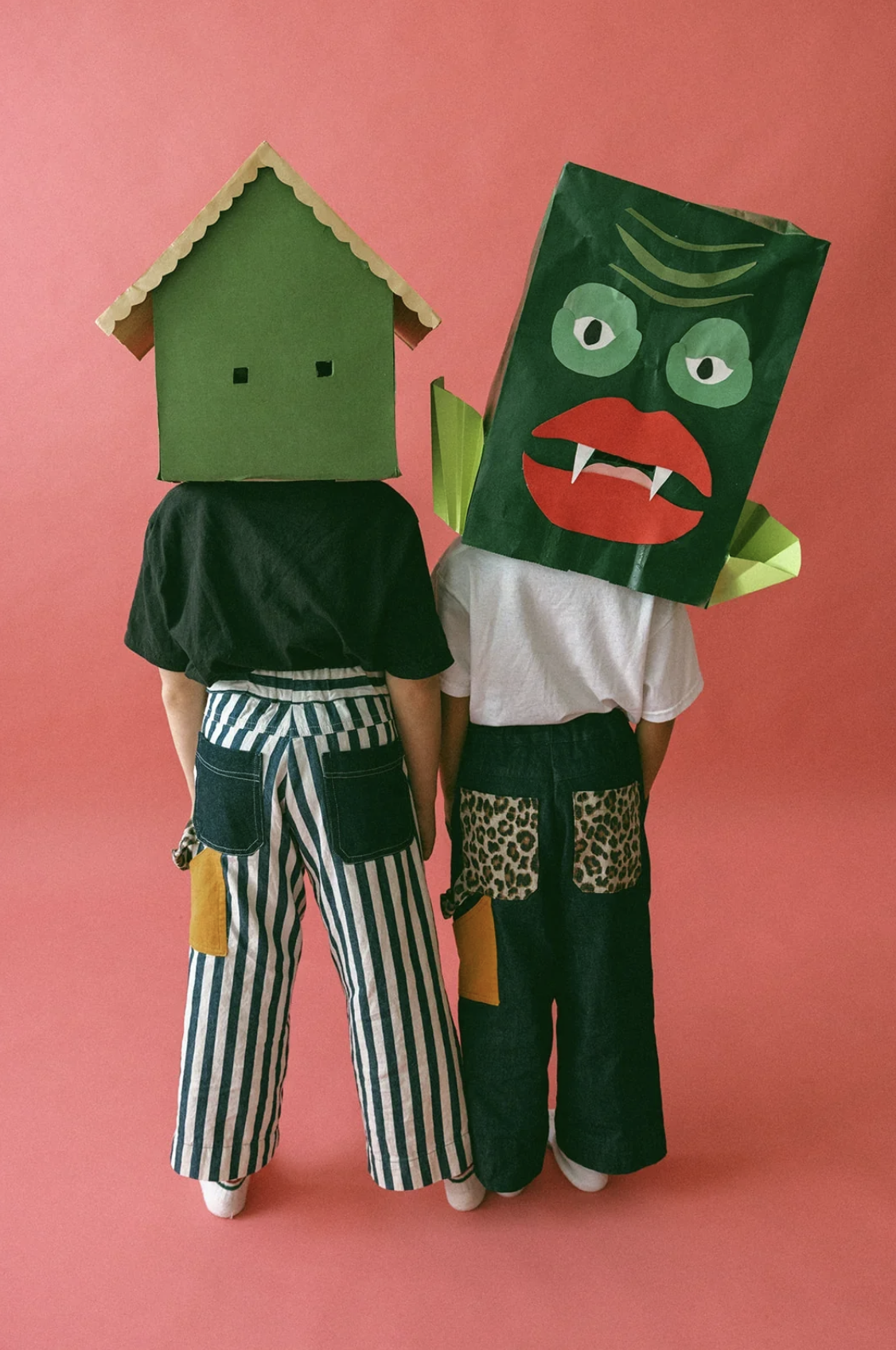
As the October deadline looms, the overwhelming variety of homemade costume ideas provides ample motivation for anyone willing to pick up a glue gun, a pair of scissors, or a sewing pattern. From complex, sculptural fashion pieces modeled after high-end editorial shoots to simple, last-minute creations crafted from household recyclables, the enduring popularity of DIY Halloween attire highlights a collective desire for originality and hands-on creativity during the most celebrated dress-up party of the year.