
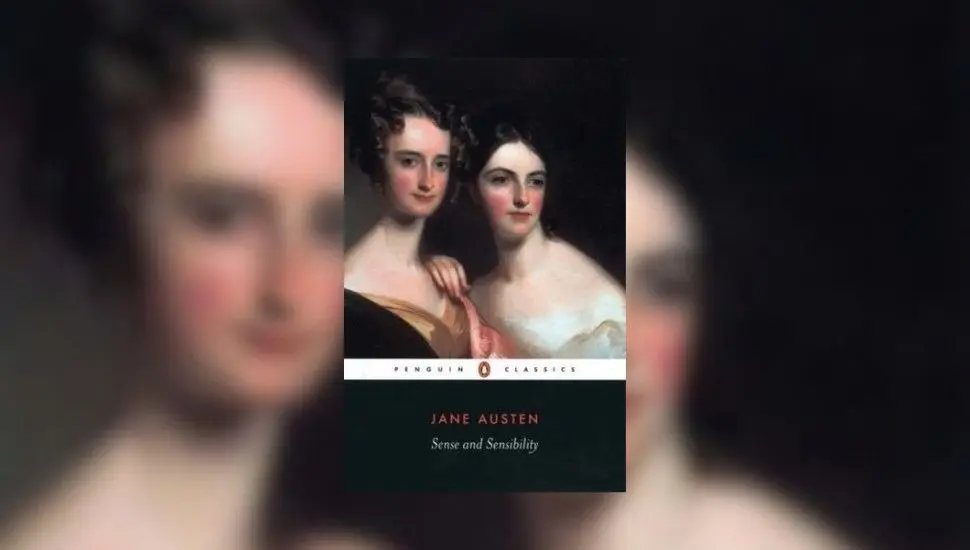
Originally published in 1811, Sense and Sensibility holds a unique place in literary history as Austen’s first published novel. While it may not command the ubiquitous cultural footprint of Pride and Prejudice, the beloved narrative following the Dashwood sisters—Elinor and Marianne—as they attempt to navigate financial ruin, societal expectations, and matters of the heart has captivated readers for generations. Beyond its romantic plotlines, the novel has long been celebrated by scholars and casual readers alike for its sharp social commentary, acute observations of class dynamics, and masterclass execution of the literary principle "show, don’t tell."
For modern audiences, cinematic adaptations often serve as an essential gateway to Austen’s world. For decades, Ang Lee’s acclaimed 1995 film adaptation has held a revered position in the hearts of Austen enthusiasts, often referred to affectionately as "Austenites." Boasting a powerhouse stacked cast that featured Emma Thompson, Alan Rickman, Hugh Grant, and Kate Winslet, Lee’s version set a high benchmark for period-drama filmmaking, balancing emotional depth with witty social satire.
Now, director Georgia Oakley is stepping into those formidable shoes with a fresh cinematic lens. The new adaptation pairs Daisy Edgar-Jones and Esmé Creed-Miles as the iconic literary sisters, offering a contemporary take on the timeless dynamic between pragmatic Elinor and fiercely romantic Marianne.
However, as the film completes its transition across the Atlantic following its initial release in the UK, early critical reception has proven to be a mixed bag. Reviewers have offered varying perspectives on Oakley’s artistic choices, illustrating just how deeply personal Austen adaptations can be for both critics and general audiences. Some viewers have gravitated toward the film’s striking visual identity, praising its moody, earthy tone and atmospheric cinematography for offering a refreshing departure from the sun-drenched, picturesque Regency settings typical of traditional Austen adaptations.
Conversely, other critics have found that the atmospheric modernization strays from the familiar warmth and comedic crispness traditionally associated with Austen’s prose, suggesting that the film’s heavier dramatic undertones might not appeal to every traditionalist. Publications like The Wrap highlighted how the film’s creative choices succeed in establishing a distinct mood, while reviews from outlets like The Hollywood Reporter indicate that the retelling may not resonate universally with every viewer expecting a classic period-romance experience.
US audiences will soon have the opportunity to weigh in and decide for themselves when the film officially opens in theaters on October 16. The timing also coincides with broader cultural conversations surrounding the enduring legacy of Austen’s works across various media platforms. Literary enthusiasts looking to deepen their appreciation of the source material ahead of the premiere have been turning to cultural commentary and literary podcasts to reexamine the nuances of the original text. Discussions surrounding the historical context, thematic weight, and character motivations of Sense and Sensibility continue to thrive among readers eager to compare the page to the screen.
As the theatrical release date approaches, anticipation remains high for how US audiences will receive this latest interpretation. Whether viewers praise the adaptation for its bold aesthetic departure or find themselves longing for the comforting familiarity of past cinematic renditions, Georgia Oakley’s film ensures that Jane Austen’s foundational exploration of human emotion, duty, and resilience continues to spark conversation in the modern era.