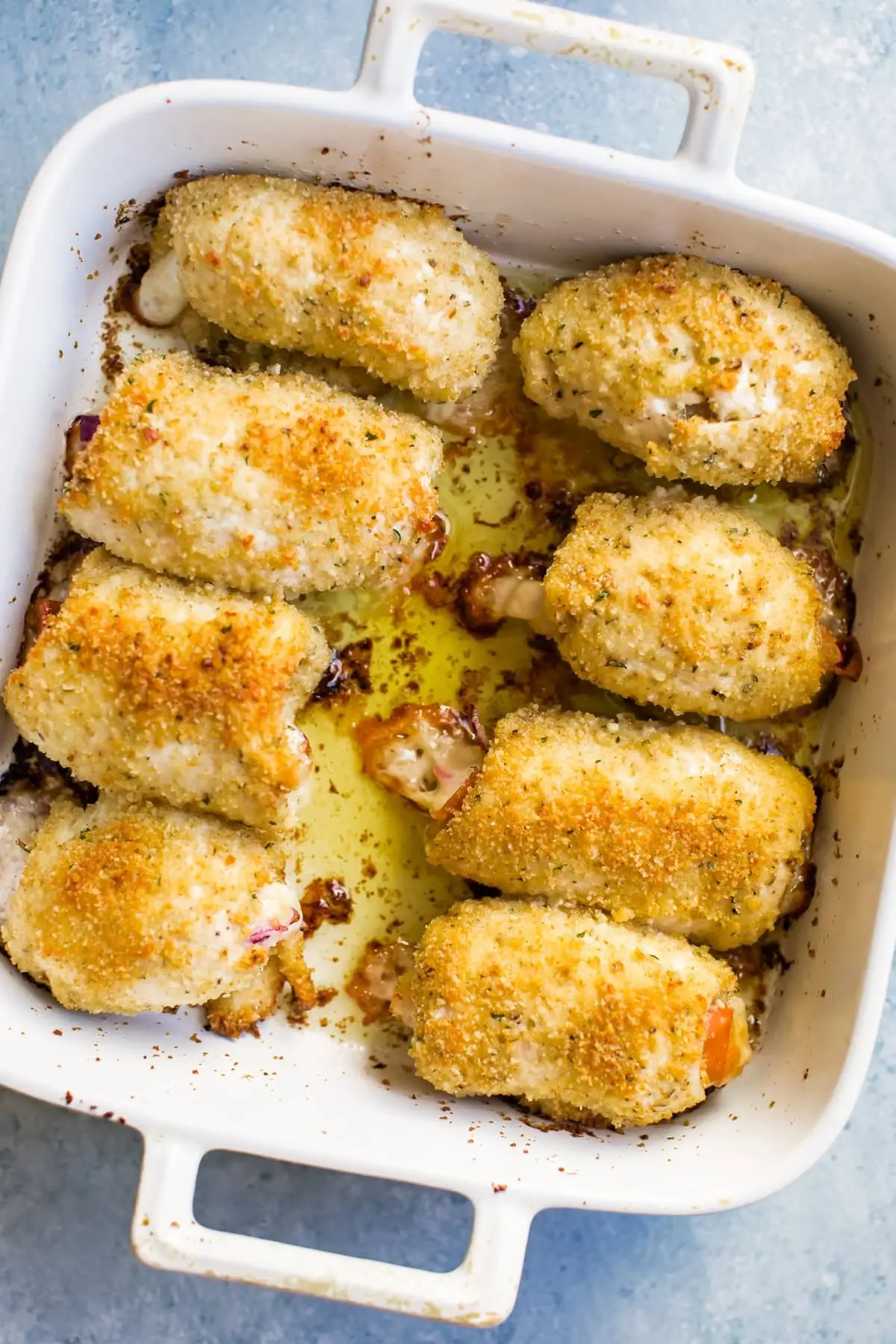
Originally adapted by Gina Homolka of Skinnytaste from a recipe shared by her friend Julia, this particular variation has been a staple in home kitchens since 2011. By swapping heavy frying for baking or air-frying, and replacing standard egg washes with a bright mixture of fresh lemon juice and extra virgin olive oil, the dish offers an elevated twist on traditional stuffed chicken breast recipes without sacrificing crunch or flavor.
What Makes This Chicken Rollatini So Special!
Traditional chicken rollatini—or rolled cutlets—often rely on a heavy coating of flour, egg wash, and breadcrumbs, followed by pan-frying in butter or oil. While delicious, this method can significantly increase calorie and saturated fat content, making it less practical for everyday cooking.
The primary distinction of this recipe lies in its unconventional breading technique. Instead of dipping the chicken cutlets in whisked eggs before coating them with breadcrumbs, the cutlets are dipped in a combination of fresh lemon juice and olive oil. This subtle adjustment serves two purposes:
- Enhanced Adhesion: The natural viscosity of the oil combined with citrus juice creates a liquid layer that allows seasoned breadcrumbs to adhere evenly across the surface of the chicken.
- Flavor Enhancement: The acidity of the lemon juice infuses into the crust during cooking, cutting through the richness of the melted cheese and savory ham filling, delivering a bright, citrusy note with every bite.
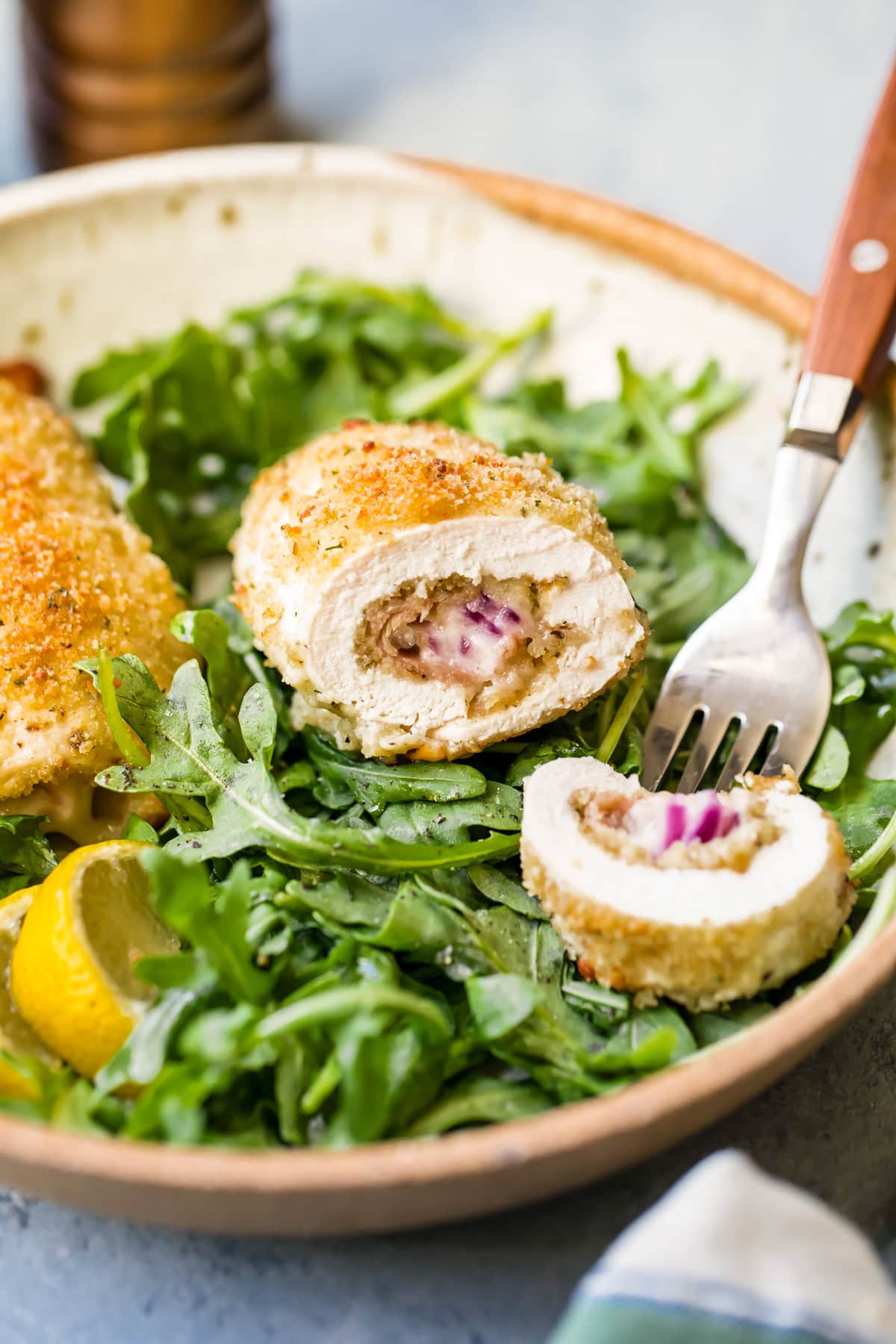
First introduced over a decade ago, the recipe has remained a constant favorite for those seeking to break away from basic grilled or roasted chicken cutlets. By wrapping salty prosciutto, sharp or mild provolone, and thin slices of red onion inside a pounded chicken breast, home cooks achieve a restaurant-quality presentation with minimal technical difficulty.
Ingredients
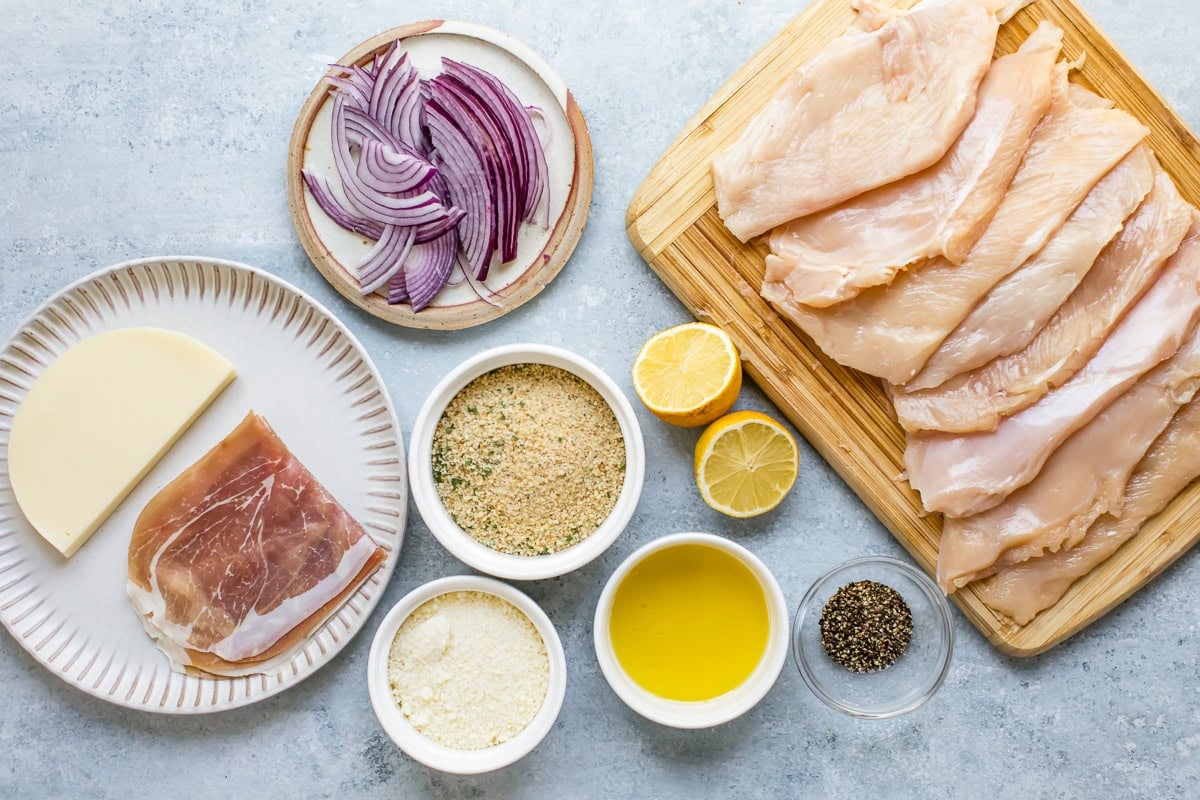
To prepare this version of baked chicken rollatini with prosciutto and cheese, simple, high-quality ingredients are utilized to maximize flavor efficiency:

- Chicken Cutlets: Thinly sliced skinless, boneless chicken breasts, pounded to an even thickness to allow for easy rolling and uniform cooking.
- Prosciutto: Italian cured ham that brings a salty, savory depth to the center of each roll.
- Provolone Cheese: Melted cheese that provides a creamy texture and anchors the inner filling.
- Red Onion: Thinly sliced to add a mild sharp contrast that softens and sweetens slightly as the cutlets bake.
- Lemon Juice and Olive Oil: The binding liquid for the coating, providing flavor depth and crispness.
- Seasoned Breadcrumbs: Used to create a light, golden, crunchy exterior shell.
How to Make Chicken Rollatini
The preparation process for chicken rollatini centers on technique rather than complexity, taking approximately 15 minutes of hands-on prep time followed by 25 minutes in the oven, bringing the total time to 40 minutes.
Preparing and Stuffing the Cutlets
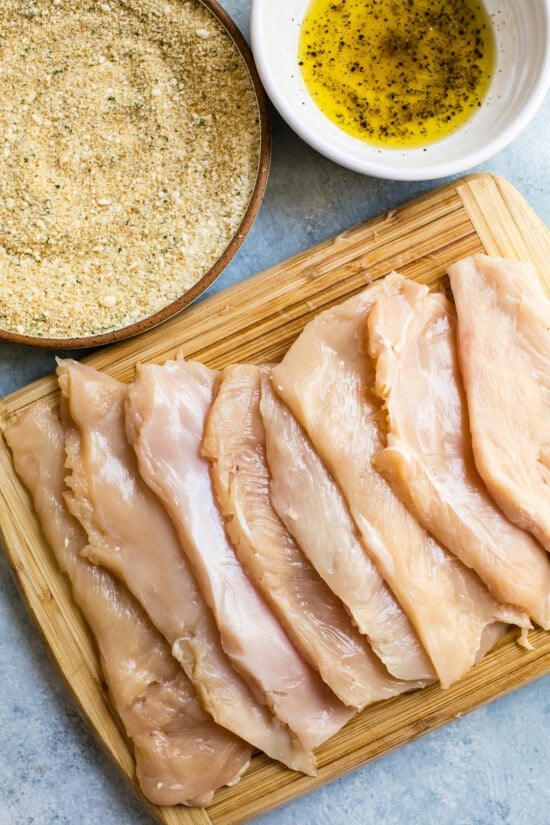
The process begins with thin chicken cutlets. If the breasts are thick, they are sliced horizontally and pounded thin between sheets of plastic wrap. Thin cutlets roll easily and cook evenly without drying out the exterior meat before the interior reaches safety standards.
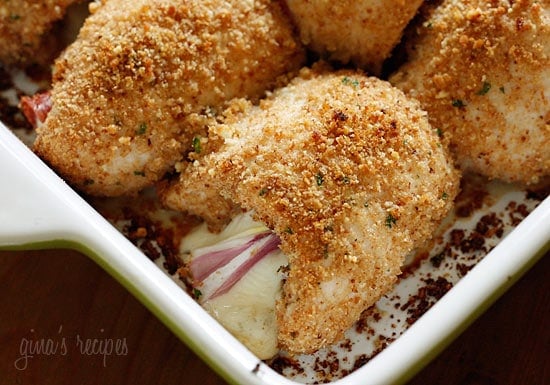
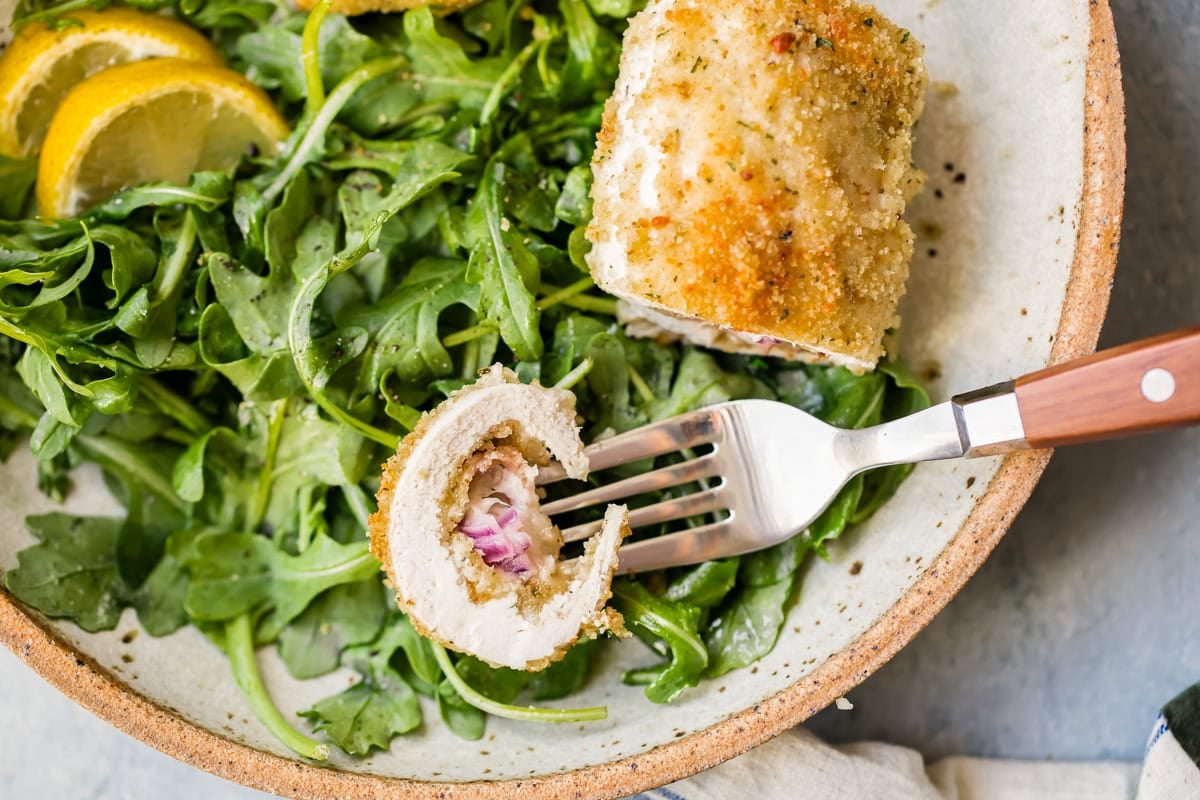
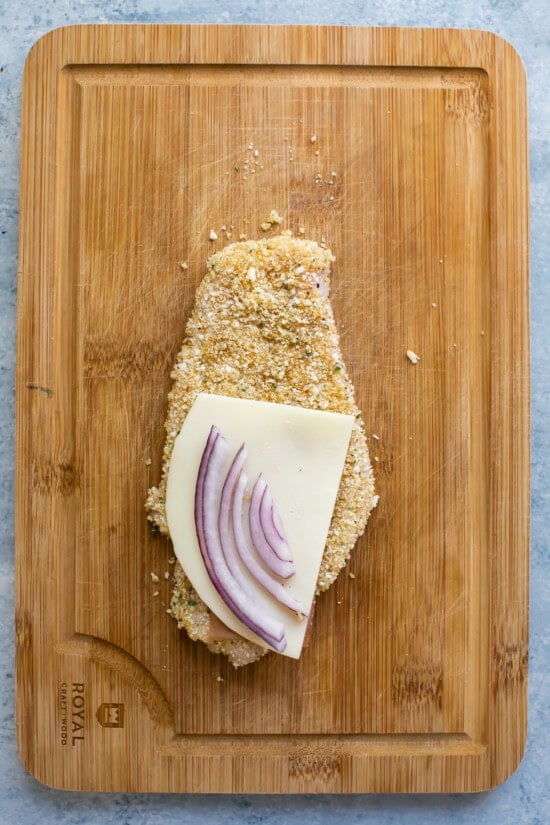
Each cutlet is seasoned lightly before being layered with a slice of prosciutto, a slice of provolone cheese, and a few thin slivers of red onion. The cutlets are then rolled tightly around the filling from one end to the other, securing the rich interior ingredients within the chicken mantle. Placing the rolls seam-side down helps keep them intact during handling and baking without requiring extensive cabling with toothpicks.
Coating and Baking
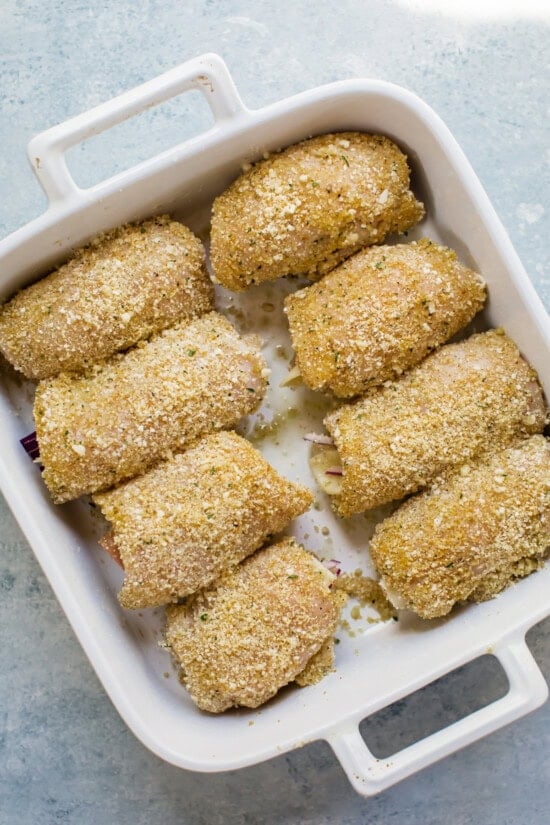
Once rolled, each piece is dipped directly into the blend of lemon juice and olive oil, ensuring the exterior is completely moistened. From there, the rolls are transferred to a dish containing seasoned breadcrumbs, pressed gently to ensure a uniform crust, and arranged seam-side down in a baking dish.

The dish is transferred to a preheated oven and baked until the breadcrumb coating turns a deep golden brown and the internal temperature of the chicken reaches 165°F at the thickest part. As the rollatini bakes, the provolone melts into the folds of prosciutto and red onion, while the exterior develops a light, crisp shell.
Nutritional Profile and Dietary Value
For individuals tracking macro-nutrients or searching for high-protein meal choices, this baked chicken rollatini provides a substantial nutrient profile. A standard serving consists of two rolled pieces, offering a hearty portion that easily fits into balanced lifestyle choices.
Nutritional Breakdown Per Serving (2 Pieces):
- Calories: 413 kcal
- Protein: 49 g
- Total Fat: 17 g
- Saturated Fat: 5.5 g
- Carbohydrates: 10 g
- Dietary Fiber: 1 g
- Sugars: 1 g
- Cholesterol: 160 mg
- Sodium: 899 mg
With 49 grams of protein per serving and only 10 grams of carbohydrates, this recipe serves as an excellent lean-protein focus for evening meals. The sodium content reflects the savory contribution of prosciutto and provolone, which reduces the need for added table salt during prep.
What to Serve with Chicken Rollatini
Because the cutlets are rich with cheese and cured ham, pairing them with fresh, acidic, or vegetable-forward side dishes creates a well-rounded culinary experience.
Simple green salads, such as a peppery arugula salad dressed in a light lemon vinaigrette or a crisp tomato salad, complement the brightness of the lemony breadcrumb coating. For a classic Italian dinner spread, home cooks frequently pair the rollatini with:
- Italian Chopped Salad: A crunchy blend of lettuces, radishes, pepperoncini, and mild herbs.
- Parmesan Zucchini: Sliced zucchini baked or roasted with garlic and grated cheese.
- Risotto Primavera or Orzo: A light grain side featuring tender spring vegetables, or simple Italian orzo tossed with diced zucchini and fresh tomatoes.
- Roasted Broccoli: Broccoli florets roasted at high heat alongside smashed garlic cloves.
- Cottage Cheese Cacio e Pepe: A high-protein, modern take on traditional Roman pepper and cheese pasta.
Air Fryer Chicken Rollatini
For cooks seeking a faster alternative with an extra crispy coating, the recipe adapts easily to air frying.
To make air fryer chicken rollatini:
- Place the prepared, breaded rollatini seam-side down in the basket of an air fryer in a single layer, ensuring sufficient space between pieces for air circulation (working in batches if necessary).
- Lightly mist the tops with oil spray to facilitate browning.
- Air fry at 400°F for approximately 12 minutes, flipping the pieces carefully halfway through the cooking cycle.
- Cook until the exterior is crunchy and golden brown, and an instant-read thermometer registers 165°F in the center of the chicken.
The rapid hot-air circulation of the air fryer crisps the breadcrumbs quickly, reducing overall cook time while keeping the melted cheese tightly sealed inside the cutlets.
Tips for Making Chicken Rollatini
To achieve consistent success when preparing stuffed chicken rolls, several practical techniques should be considered:
- Uniform Thickness: Ensure cutlets are pounded to a uniform thickness (around one-quarter inch). Variable thickness causes uneven cooking, leaving thin parts dry while thicker sections remain undercooked.
- Preventing Cheese Leakage: Leave a small border around the edges of the chicken cutlet when placing the provolone and prosciutto inside. As the chicken rolls up, the meat forms a natural seal over the ends.
- Maintain Seam Position: Always place the rollatini seam-side down on the baking pan or in the air fryer basket. The weight of the roll keeps the seam closed during baking as the proteins set.
- Monitoring Internal Temp: Use a digital meat thermometer inserted into the thickest part of the meat (avoiding direct contact with the molten cheese center) to verify the required internal temperature of 165°F.