By launching the Colorado River Basin Collaborative (CRBC) and concurrently joining forces with existing prominent environmental organizations including the Water Resilience Coalition and The Climate Pledge, the Seattle-based firm hopes to help catalyze and create the single largest corporate-led water conservation effort focused exclusively on a single watershed within the United States.
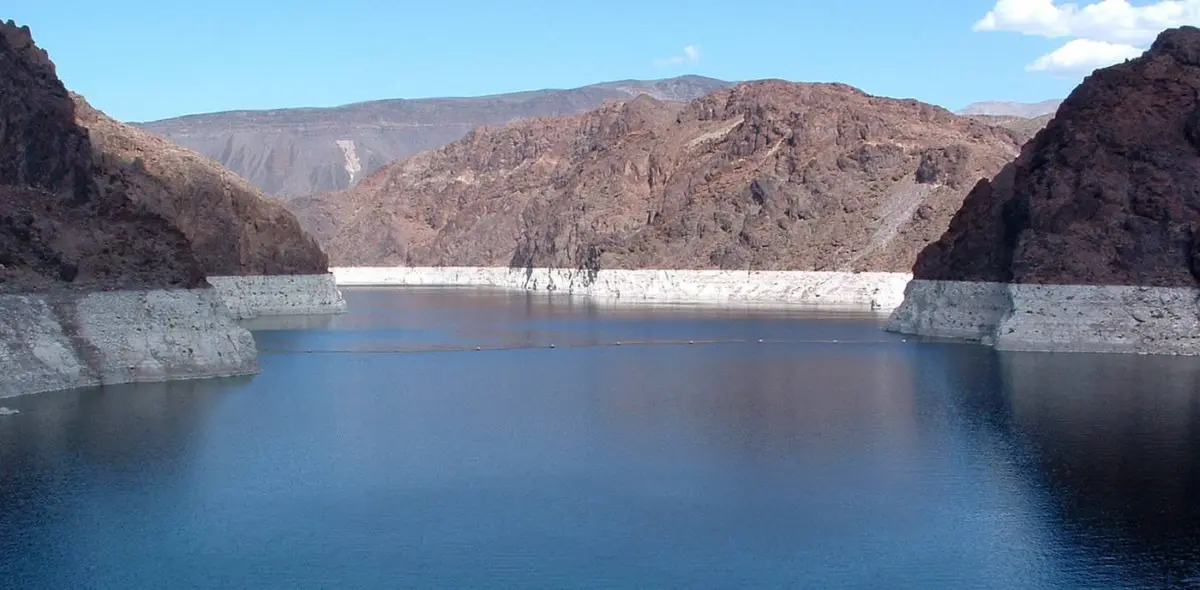
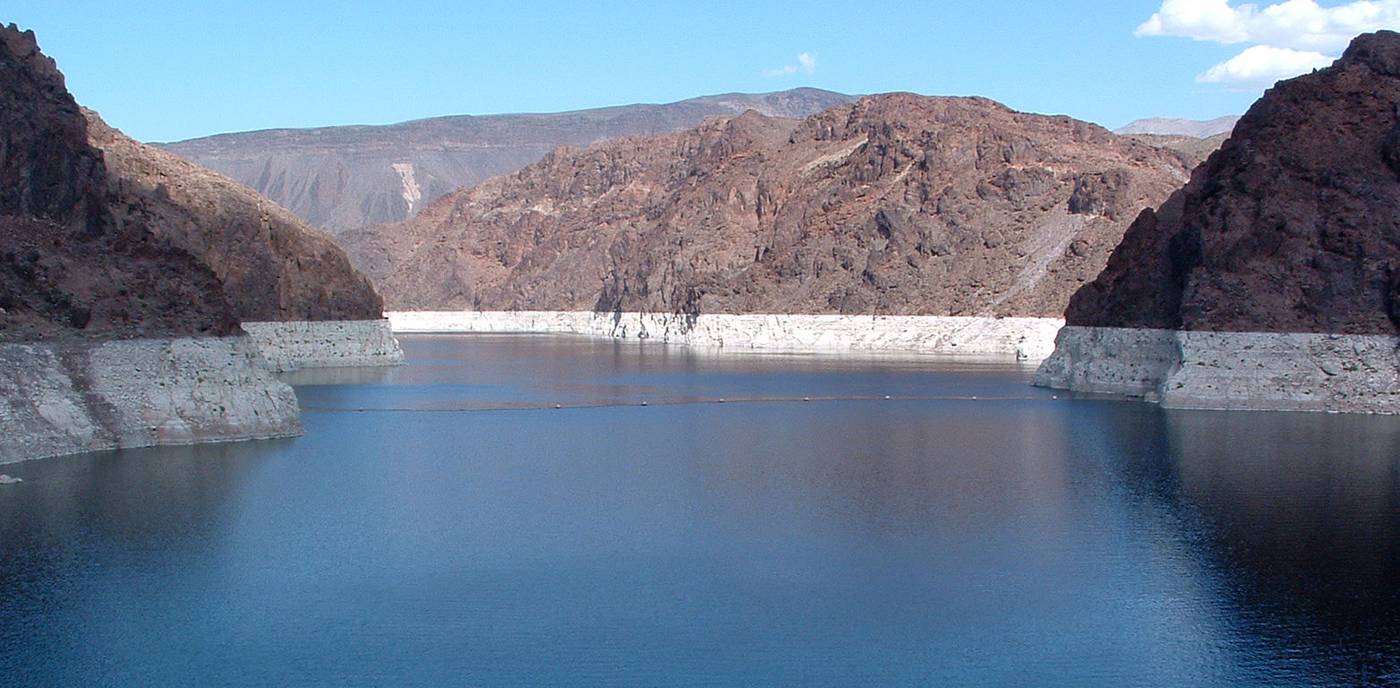
The Colorado River is an indispensable lifeline for the American West, supplying essential drinking water to nearly 40 million people and irrigating more than 5 million acres of productive farmland spread across seven U.S. states and neighboring Mexico. However, the region has been battered by a quarter-century of relentless drought. These severe environmental pressures have reduced the river’s annual natural flow by roughly 20 percent. Meanwhile, its two largest and most critical storage reservoirs, Lake Powell and Lake Mead, have plummeted and now sit dangerously below 30 percent of their total capacity.
The crisis has demanded high-level regulatory intervention. Recently, Interior Secretary Doug Burgum formally signed off on a comprehensive management plan for the watershed that extends through 2028. This framework mandates significant reductions in the delivery of Colorado River water among the Lower Basin states of Nevada, California, and Arizona, cutting allocations by 1.25 million acre-feet in each year over the next two years.
While major policy decisions and interstate compact allocations remain the purview of federal and state governments, the newly formed CRBC and participating companies operating under the umbrella of the Water Resilience Coalition intend to intervene and assist around the margins. Their collective plan involves funding a diverse and targeted range of water conservation projects across the entire basin. These initiatives will focus heavily on improving irrigation efficiency, lining aging water delivery canals, implementing advanced urban leak detection and repair systems, and supporting groundwater recharge efforts.
Spokesmen for the CRBC told reporters that Amazon is already putting its financial commitment into action by supporting two initial pilot projects. The first is a substantial $2.2 million commitment spanning three years, developed in partnership with the Municipal Water District of Orange County, an agency that serves a population of 3.2 million residents in Southern California. This funding will directly expand sophisticated leak detection programs into smaller or economically disadvantaged communities that traditionally lack the financial and technical resources to conduct such intensive infrastructure work independently. Additionally, the funds will be deployed to support direct leak repairs, saving precious water from being lost before it ever reaches homes or businesses.
Beyond urban infrastructure, huge amounts of water are routinely lost in rural areas due to inefficiencies tied to the diversion of water to agricultural lands, both through open canal delivery systems and traditional irrigation machinery. To combat this agricultural drain, Amazon has thrown its weight behind Arable, an innovative agricultural technology company focused on identifying and implementing advanced irrigation efficiencies, specifically targeting tribal farmland situated within the Lower Colorado River Basin.
This particular agricultural initiative leverages Amazon Web Services (AWS)-powered sensors that supply farmers with precise, real-time data regarding exactly when and how much their crops require water. By eliminating guesswork and over-watering, participating farmers are able to draw significantly lower volumes of water from the severely depleted Lake Mead and surrounding systems.
The broader corporate initiative has already secured more than $33 million in combined corporate commitments, with an ambitious ultimate aim of raising a total of $100 million for watershed protection. Matt Kistler, the chief executive officer of the Water Resilience Coalition, emphasized that bringing major corporate players together under one umbrella is crucial for coordinating private capital and dramatically accelerating the deployment of vital conservation projects.
Noting the gravity of the ecological stakes, Kistler pointed out that the Colorado River Basin stands as one of the single most important watersheds in all of North America, and its long-term future depends entirely on large-scale collaboration between the public and private sectors.