
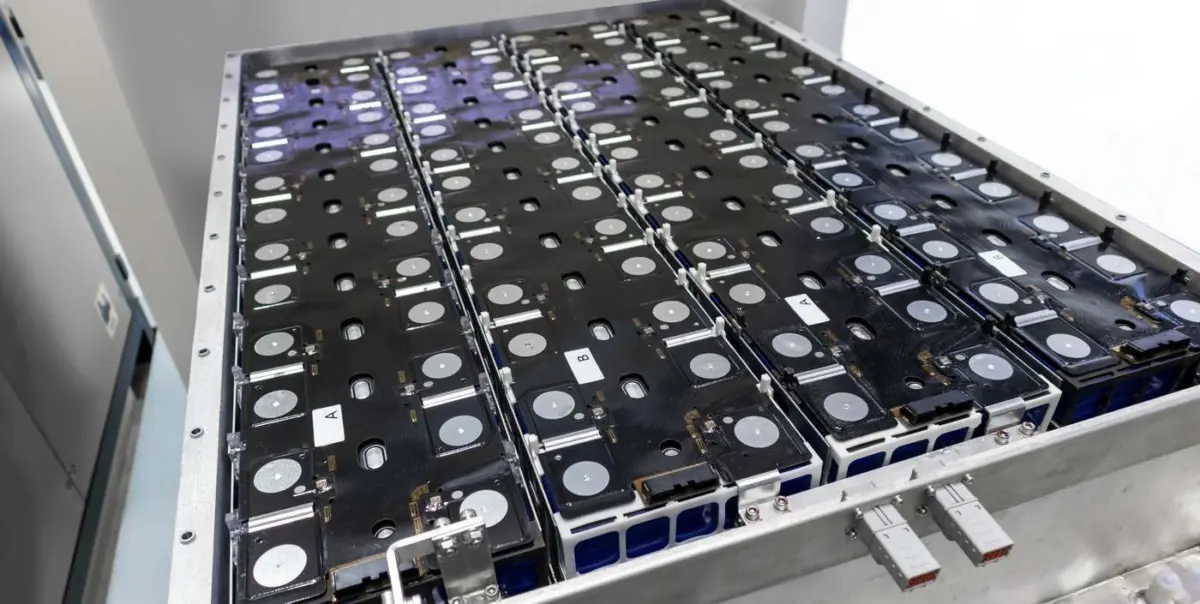
The current standard method for dealing with expired or degraded electric vehicle batteries involves pyrometallurgy, a high-temperature smelting process. This technique requires shredding entire battery packs into a giant, hazardous mixture before applying extreme heat to separate out valuable elements like cobalt, lithium, nickel, aluminum, and manganese for reuse. While effective at salvaging base materials, this approach overlooks a fundamental reality of the current market. Much of the tonnage trucked into these pyrometallurgical facilities consists of battery packs that are still structurally sound and operating at roughly 70 to 80 percent of their original maximum capacity—meaning they remain functional, highly usable units.
To bypass the destructive and energy-heavy nature of traditional smelting, Cornell University researchers have showcased an innovative technique known as Direct Electrode-to-Electrode Regeneration, or DEER. Through this electrochemical process, scientists demonstrated that electrodes extracted from depleted lithium-ion batteries can regain up to 95 percent of their maximum charge capacity.
The underlying mechanism targets the primary culprit behind normal battery degradation and loss of driving range over time. As electric vehicle batteries undergo hundreds of charge and discharge cycles, a thick chemical byproduct known as solid electrolyte interphase, or SEI, builds up steadily on the internal electrodes. This accumulating layer acts as an obstruction, severely impeding the smooth flow of electrons through the battery system.
Under the DEER framework, when these compromised electrodes are extracted from their battery apparatus and submerged in a specialized chemical bath of 1,3-dimethyl-2-imidazolidinone, commonly referred to as DMI, the restrictive SEI layer is effectively dissolved and removed. Once cleaned of this buildup, the electrodes regain nearly all of their original electrochemical potential and can be reassembled back into a battery pack.
Writing for Slashgear, tech analyst Nachiket Mhatre highlighted a secondary benefit discovered during the research: “This process not only reverses interphase growth, but also leaves a thin lithium fluoride layer that slows down SEI growth in subsequent cycles.”
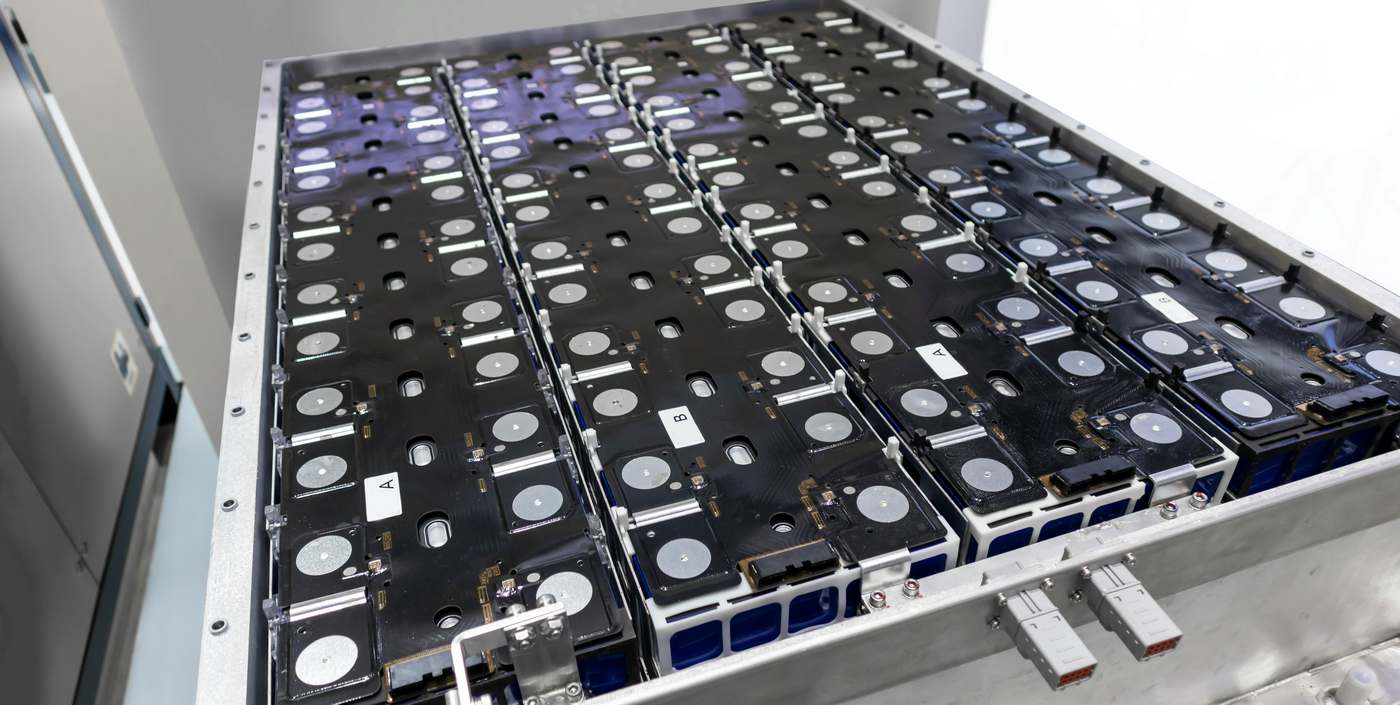
Remarkably, testing revealed that batteries cleaned of SEI through the DEER method actually resisted charge degradation longer than brand-new batteries fresh off the factory floor. When these rejuvenated batteries eventually lost substantial charging potential a second time, researchers found that applying a subsequent DMI bath could once again replenish the battery’s range, although the recovery was somewhat diminished compared to the initial treatment.
Despite its impressive efficacy, researchers note that the DEER method is not a universal cure for all forms of battery failure. Batteries can lose their capacity and performance for a variety of reasons, and DEER will only succeed if the root cause of degradation is the accumulation of SEI on the electrodes. If a battery is losing capacity due to severe structural damage or permanent lithium loss within its architecture, the DEER process cannot reverse those physical flaws.
When comparing the economics of recycling versus direct regeneration, DEER also presents a distinct financial advantage. The process costs less per kilogram of batteries than traditional pyrometallurgy, running approximately $15.25 per kilogram compared to $26.31 per kilogram for conventional smelting methods. Furthermore, researchers emphasize that this cost can be driven down significantly lower if future industrial applications can develop an efficient method to capture and recover the DMI chemical solution itself, which currently accounts for roughly 62 percent of the total operational costs.
The implications of this research extend far beyond individual cost savings, pointing toward a more sustainable and economically viable circular economy for energy storage technologies. The findings from the Cornell research team were formally detailed in a study published in the scientific journal Energy and Environmental Science.
“This electrode-level regeneration framework provides a scalable pathway toward closed-loop battery manufacturing with substantially reduced cost, energy consumption, and greenhouse gas emissions, supporting more sustainable electrification at the system level,” the authors from Cornell wrote in their published study.
As automakers and governments worldwide grapple with the logistical and environmental challenges of scaling up electric vehicle adoption, innovations like the DEER method offer a glimpse into a future where battery waste is drastically minimized, keeping valuable energy systems operational for much longer without requiring billions of dollars in new smelting infrastructure.