
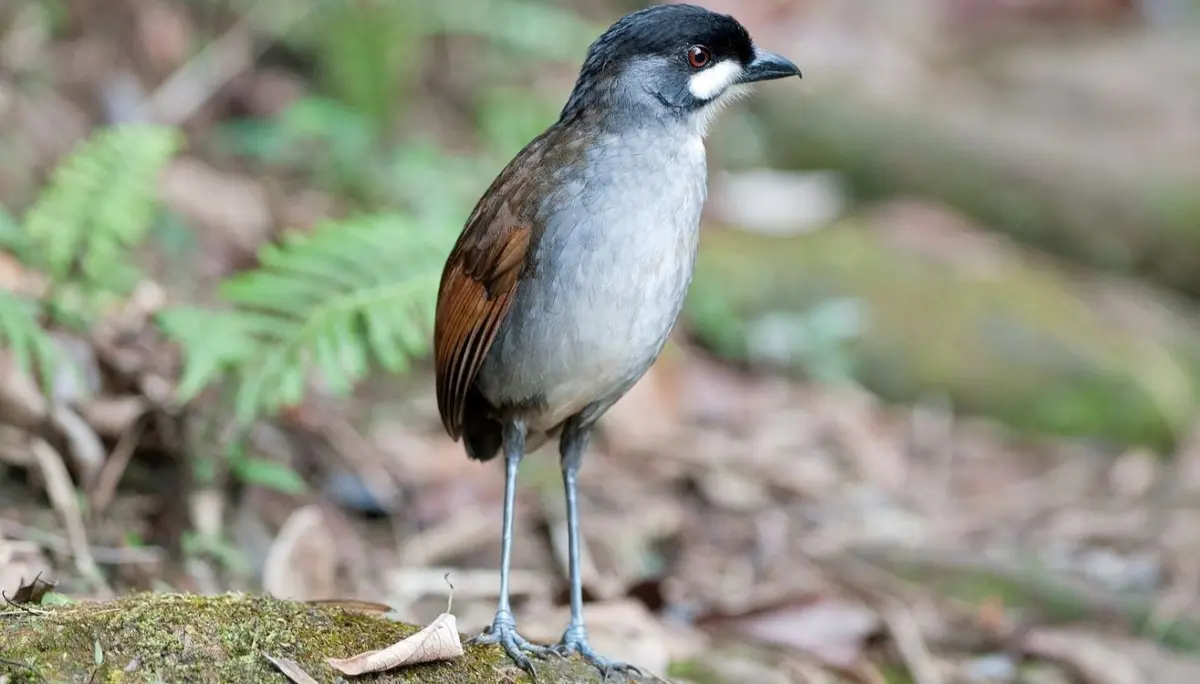
None of the seasoned scientists had ever seen a specimen like it, and the fleeting encounter marked a watershed moment for biodiversity preservation in the region. Local residents referred to the bird as a jocotoco. As subsequent scientific analysis would soon reveal, not only was the bird an entirely new species to science, but it also became the unlikely catalyst for a nationwide conservation movement. The discovery generated the momentum and funding needed to finance a groundbreaking network of private land acquisitions across some of the most pristine, vulnerable, and biodiverse landscapes in Ecuador.
Today, managed in dynamic partnership with local communities through the Jocotoco Foundation, this single discovery has decisively demonstrated what one distinctive bird can achieve when met with scientific dedication and community stewardship.
Reflecting on decades of sweeping environmental progress, the Foundation notes that every year brings new discoveries, rediscoveries of species previously thought to have been lost to extinction, and successful efforts to pull vulnerable wildlife back from the brink. The organization actively protects and restores fragile wildlife habitats spanning diverse ecosystems, stretching from the dense Amazon rainforests and the high-altitude Andean paramos to the wet Choco forest, the dry Tumbes region, and across the Pacific Ocean to the volcanic shores of the Galapagos Islands.
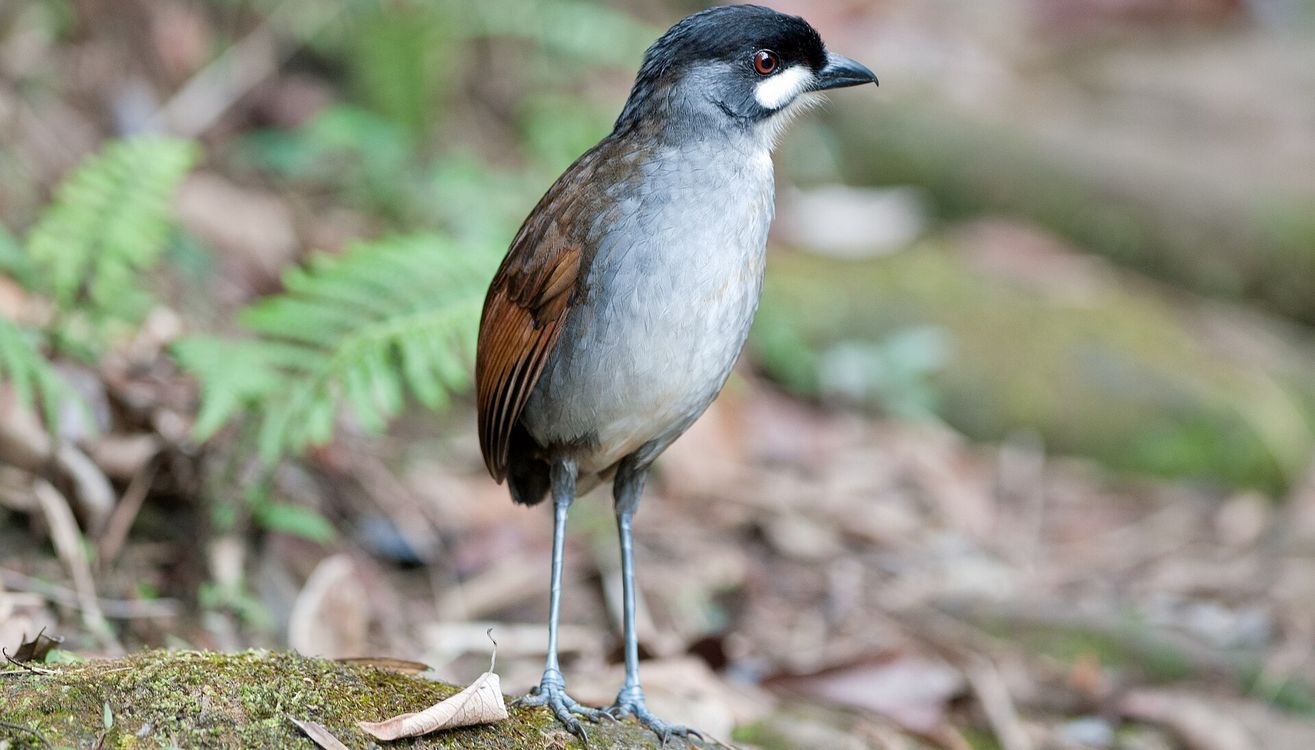
The remarkable bird at the center of this conservation journey, recognized as the largest member of a specialized group of birds commonly known as antbirds, was formally named Grallaria ridgelyi, or the Jocotoco Antpitta. The species was given its specific epithet in honor of Robert Ridgely, the prominent ornithologist who organized the fateful 1997 expedition that led to its initial discovery. First encountered along the rugged eastern mountainsides of the Andes, near Ecuador’s border with Peru, Ridgely immediately recognized the immense ecological significance of the finding and spearheaded urgent fundraising efforts to secure the vital habitat where the birds were observed.
The success of those early fundraising campaigns enabled conservationists to establish the Tapichalaca Reserve. This crucial milestone laid the foundation for what would eventually expand into an expansive network of 19 private reserves protecting roughly 123,000 acres of critical wilderness. Furthermore, these protected zones are managed in conjunction with an additional 200,000 acres of community-owned land, forming a vast corridor dedicated entirely to conservation, habitat reforestation, and sustainable ecotourism.
The ecological richness sheltered within these protected landscapes is staggering. Across the various reserves established by the Foundation, an astounding 1,350 bird species have been formally recorded, representing an incredible 12.5 percent of all avian species found anywhere on Earth. In addition to these winged inhabitants, the reserves harbor other emblematic and majestic Andean wildlife, including the Andean condor and the elusive Andean bear, alongside highly endangered regional specialists such as the El Oro parakeet and the Galapagos petrel.
Ian J. Davidson, the Americas regional director for BirdLife International, underscored the monumental impact of these efforts during a recent discussion regarding the Jocotoco Foundation’s ongoing work. By establishing a robust network of protected habitat anchors, or ecological arks, the organization has granted these remarkable species a genuine opportunity not merely to endure the pressures of modern environmental degradation, but to actively recover and expand outward from their remaining strongholds. Davidson emphasized that the Foundation’s comprehensive body of work stands as a global conservation success story, serving as an inspiring example of what unwavering determination, rigorous science, and long-term stewardship can successfully achieve for the natural world.