
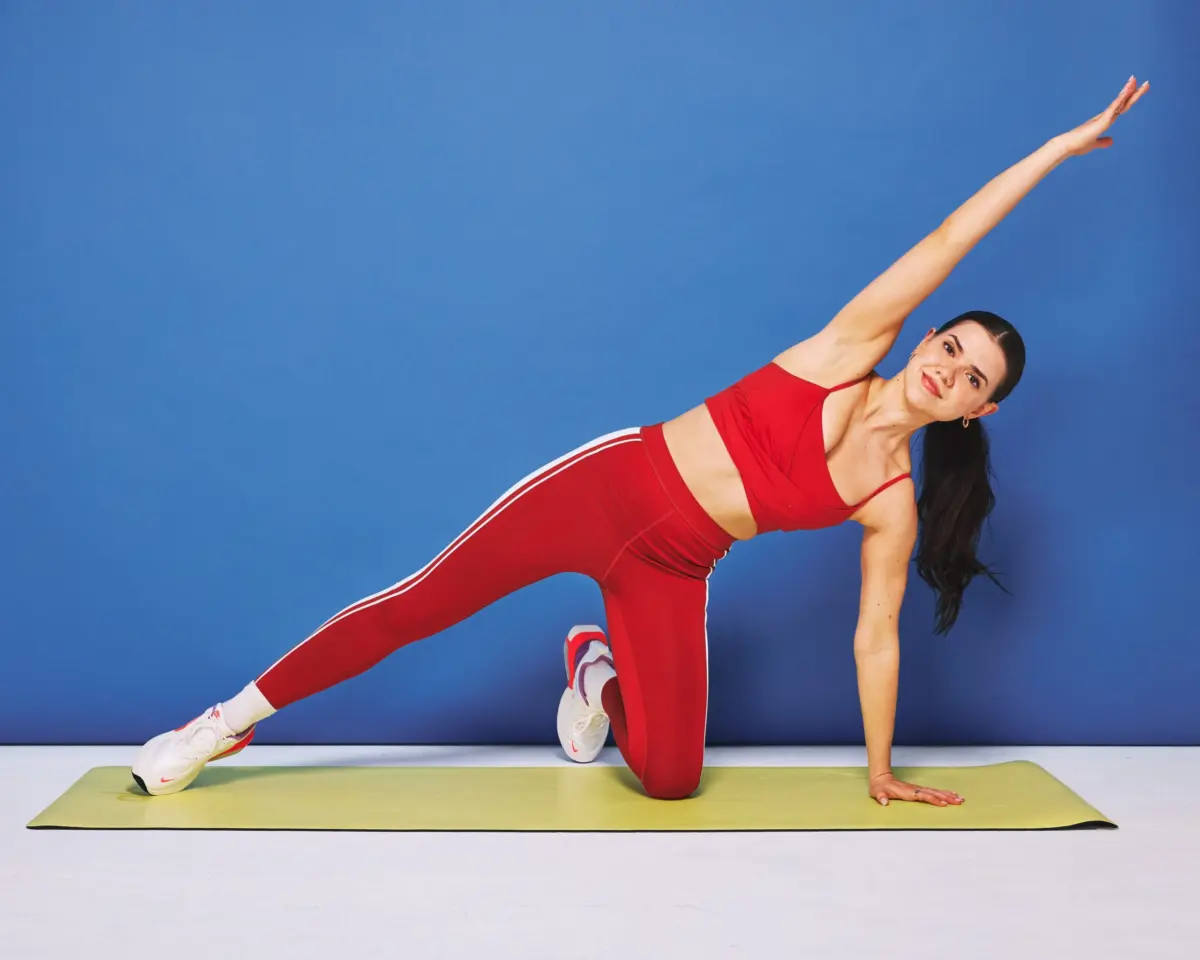

Low-impact cardio exercises have increasingly emerged as a smart, sustainable choice for individuals managing joint conditions, recovering from injuries, or simply starting out on their fitness journey. Cara Bonney, a certified strength and conditioning specialist and Club Pilates Master Trainer based in Melbourne, Florida, explains that these routines effectively get the blood pumping without subjecting the ankles, knees, hips, and back to excessive stress. Because low-impact movements carry a lower risk of acute injury compared to high-impact activities like traditional running, jumping, or plyometrics, they offer a safer alternative for long-term physical conditioning. This reduced strain allows individuals to maintain greater consistency in their exercise routines, particularly if they are navigating physical limitations such as sensitive joints, cranky knees, or a delicate lower back, or if they are simply trying to establish a steady workout groove.

Beyond protecting the joints, low-impact exercise provides another significant physiological perk: it can actively support bone density. While high-impact exercises are widely recognized as beneficial for bone health—such as preventing or improving conditions like osteoporosis—Bonney points out that the movement stimulus does not always have to be high-impact to be effective. As long as the body maintains some degree of contact with the ground, a mechanical stress is placed upon the skeletal system, which is ultimately what signals bones to become stronger. Therefore, when compared to completely non-impact forms of movement like cycling or swimming, low-impact ground-contact exercises can deliver crucial bone-boosting benefits while still keeping the skeletal system safe from harsh shock forces.

How to Level Up Bodyweight Moves Without the Joint Pain

This raises a central question for many who are curious about transitioning away from high-impact routines: How exactly can a bodyweight exercise count as a legitimate cardio workout if running and jumping are entirely off the table? Fitness professionals note that there are several ingenious ways to achieve this cardiovascular stimulus. One primary method involves engaging a large volume of major muscle groups simultaneously through compound exercises or multi-joint combo movements. For instance, incorporating sweeping arm movements alongside lower-body exercises—such as adding an overhead reach to a standard squat, or performing big arm swings while executing high-knee marches—forces blood to circulate throughout the entire body rather than concentrating solely in the lower half. This full-body recruitment is precisely what drives the heart rate upward.

Along those same lines, fitness enthusiasts can easily modify traditional high-impact cardio moves to tone down the intensity on their joints while still maintaining a robust challenge to their cardiovascular system. For example, standard burpees can be adapted by stepping the feet in and out rather than explosively jumping them. Similarly, jumping jacks can be performed by tapping one foot out to the side at a time, allowing the exerciser to mimic the movement pattern without the jarring impact.

Another effective strategy is to introduce dynamic movement into foundational strength postures, such as planks. Because planks already demand significant full-body stability and muscular endurance, they naturally tick the box for a comprehensive cardiovascular challenge. Exercisers can elevate this further by incorporating alternating shoulder taps to intensify the upper-body and core workload, weaving in a twisting knee drive to ignite the obliques along the sides of the torso, or adding lateral stepping motions to heighten overall stability demands. Throughout these variations, the heart and lungs are continuously challenged because numerous distinct muscle groups are forced to fire at once.

Change Up the Tempo to Increase Intensity

Beyond modifying movement patterns and engaging multiple muscle groups, the overall pace of a routine plays a critical role in determining its cardiovascular efficacy. By increasing the speed at which an exercise is performed—provided that proper form and alignment are rigorously maintained—exercisers can keep blood flowing continuously and ensure that their cardiovascular system remains sufficiently taxed throughout the session.

A similar guiding principle applies to workout programming and structuring. Individuals looking to transform a sequence of low-impact exercises into a true cardio session will typically design workouts featuring longer work intervals paired with shorter rest periods, sustaining an elevated heart rate over a prolonged duration.

Drawing on these principles, fitness programming increasingly highlights bodyweight routines that require zero equipment, enabling people to complete a heart-pumping challenge from the comfort of home at any time. For those seeking to break a sweat while remaining gentle on the hips, knees, and ankles, utilizing a curated selection of low-impact movements offers a practical pathway forward. Practitioners can explore these diverse options individually or string their preferred movements together into a seamless, joint-friendly workout tailored to their personal fitness needs.