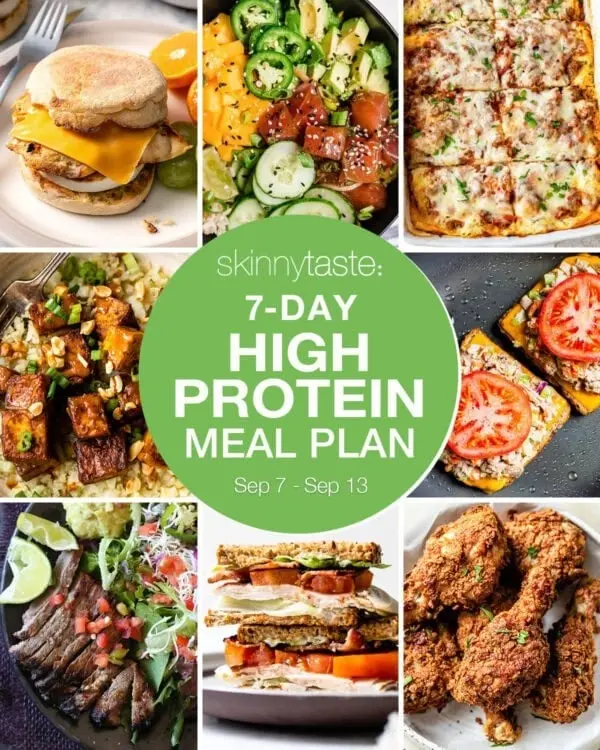
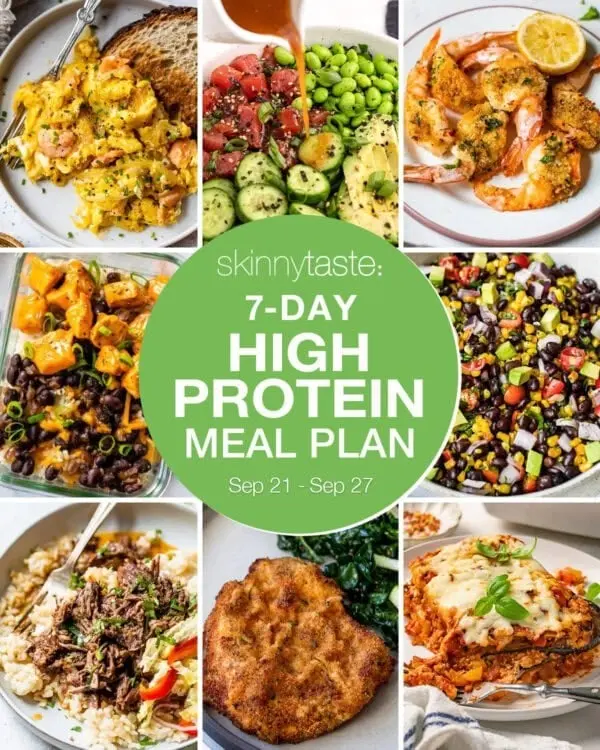
The launch aligns with a broader seasonal pivot toward comforting, warm meals, highlighting the utility of slow cookers and hearty soups as weeknight schedules become busier. The meal plan incorporates a wide variety of protein sources and comfort foods designed to keep followers satisfied while meeting specific dietary goals.
Update About New WW Points Plan
Alongside the release of the new weekly schedule, Skinnytaste announced crucial updates regarding its integration with Weight Watchers (WW) points system. Weight Watchers recently updated its program to include new zero-point foods, notably adding staple items such as oatmeal to the list of foods that do not require point tracking.
To accommodate these system updates, Skinnytaste is actively updating its extensive library of online recipes. Updates have been completed for recipes published between 2018 and 2025, with work ongoing for older entries. To ensure seamless tracking for current users, every recipe on the site remains directly linked to the official WW recipe builder tool. When accessed via a smartphone, this digital link automatically calculates recipe values based on the user’s updated, personalized WW points plan.
Why High Protein?
The emphasis on protein in the latest meal plan reflects a growing personal and culinary shift toward high-protein nutrition over recent years. Adopting a high-protein diet supports muscle growth, physical strength, and enhanced satiety. Elevating protein intake helps maintain longer periods of fullness throughout the day, effectively curbing the impulse to snack on sweet or high-carb foods between meals and late in the evening.
Recognizing that many individuals struggle to consistently reach their daily protein targets, the newly designed weekly menu serves as a practical template. For those following a standard intake goal—such as 120 grams of protein per day—the plan demonstrates how to evenly distribute consumption. By aiming for roughly 30 grams of protein per main meal and supplementing with 10 to 30 grams across planned snacks, individuals can steadily reach their daily nutritional targets without feeling overwhelmed.
Following positive reader interest, additional dedicated high-protein meal plans may be released once or twice per month. Furthermore, a specialized high-protein cookbook is currently in development to provide further culinary resources for protein-focused cooking.
How It Works
The high-protein meal plan is structured as a flexible framework rather than a rigid set of rules. Users are encouraged to adjust the meals according to their personal energy requirements, lifestyle preferences, and health objectives. The baseline meal structure offers ample caloric space to incorporate extra items throughout the day, such as morning coffee, additional beverages, fresh fruits, midday snacks, desserts, or optional evening drinks.
While the listed menu items yield daily caloric totals primarily between 1,200 and 1,370 calories, standard nutritional recommendations suggest that adult women generally aim for a baseline of at least 1,500 calories per day. Caloric and macronutrient needs vary widely based on age, weight, activity level, and specific fitness goals. Users are advised to utilize online tools, such as the USDA MyPlate calculator, to estimate their individual requirements and to consult certified nutritionists or registered dietitians to customize plans to their personal health needs.
Medical and Nutritional Considerations
While high-protein diets offer substantial benefits for muscle repair and appetite regulation, elevated protein intake is not suitable for everyone. Individuals diagnosed with existing medical conditions—including kidney disease, liver disease, gout, or specific metabolic disorders—may require controlled or restricted protein levels to prevent complications. Additionally, older adults experiencing age-related reductions in kidney function should exercise caution.

Healthcare professionals and dietitians recommend consulting a doctor before making significant increases to daily protein consumption, ensuring that dietary changes align safely with underlying health profiles.
Ultimate Skinnytaste Meal Planner
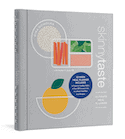
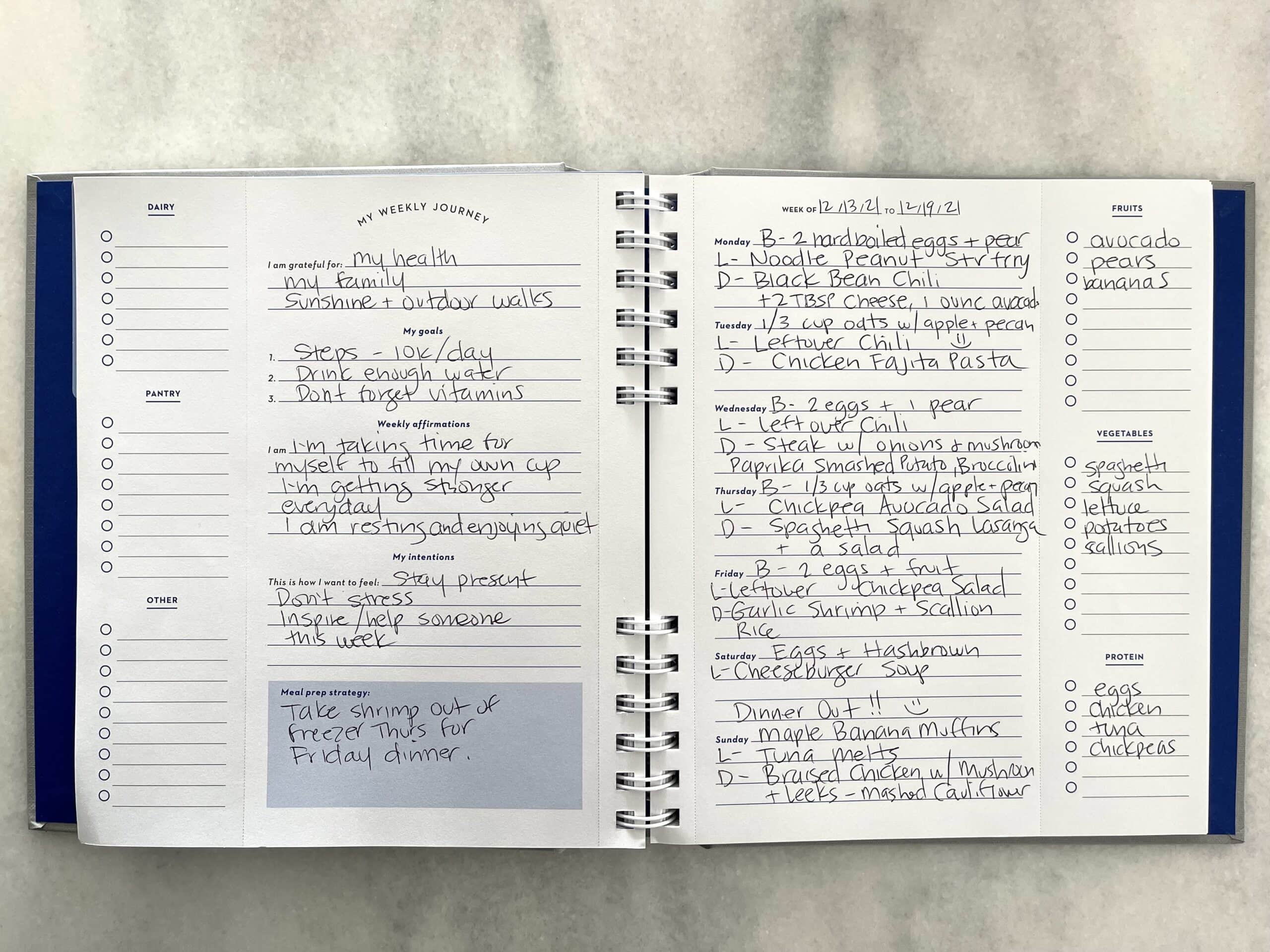
To support long-term meal prep and organization, Skinnytaste has also highlighted the availability of the Ultimate Skinnytaste Meal Planner. This physical, 52-week spiral-bound planner is designed to help home cooks map out their culinary schedules and stay organized throughout the year.
The planner includes 52 tear-out weekly planning grids suitable for display on refrigerators, a structured 12-week meal plan, 30 selected recipes (including 15 exclusive additions), and tear-out grocery shopping lists. Beyond meal logistics, the publication incorporates designated spaces for daily gratitude, positive affirmations, and intentional goal-setting to cultivate a balanced approach to weekly routine management.
High Protein Diet Meal Plan
The seven-day menu is arranged to optimize time and ingredients. Meals scheduled from Monday through Friday for breakfast and lunch are scaled for individual servings, making them ideal for solo meal prep. Dinners throughout the week, as well as all meals scheduled for Saturday and Sunday, are proportioned to serve a family of four. Several dinner recipes are intentionally structured to yield leftovers, providing ready-made lunches or dinner options for subsequent days.
Monday (September 21)
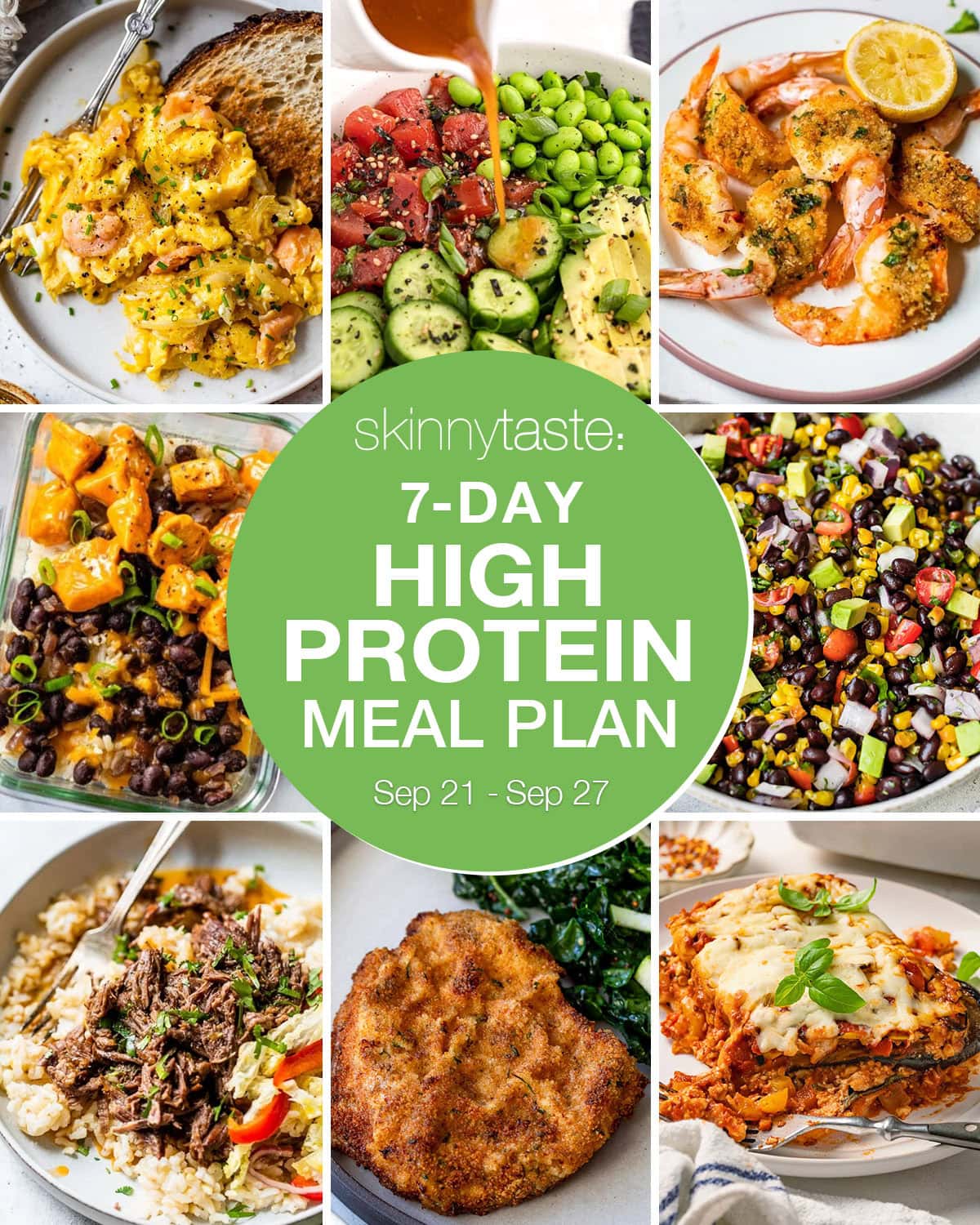
The week opens with a high-protein Breakfast Quesadilla for the morning meal. Lunch features prepped Buffalo Chicken Rice Bowls. Dinner introduces a comforting Ratatouille Lasagna paired with a side of Vegan Caesar Salad.
- Daily Totals: 1,369 Calories; 128.5g Protein.
Tuesday (September 22)
Breakfast consists of a sweet and protein-dense Peach Pie Cottage Cheese Bowl. Lunch utilizes a second portion of the prepped Buffalo Chicken Rice Bowls. For dinner, the menu features Instant Pot Braised Beef served with two corn tortillas, one ounce of fresh avocado, and a side of Southwestern Black Bean Salad.
- Daily Totals: 1,269 Calories; 123.5g Protein.
Wednesday (September 23)
Morning dining repeats the Peach Pie Cottage Cheese Bowl, followed again by a Buffalo Chicken Rice Bowl for lunch. Dinner repurposes leftover Instant Pot Braised Beef, served over Cilantro Lime Cauliflower Rice alongside leftover Southwestern Black Bean Salad.
- Daily Totals: 1,303 Calories; 122.5g Protein.
Thursday (September 24)
The morning routine brings back the Breakfast Quesadilla, while lunch finishes the remaining prepped Buffalo Chicken Rice Bowl. Dinner features Pork Milanese accompanied by a crisp Kale and Apple Slaw and Roasted Sweet Potatoes.
- Daily Totals: 1,368 Calories; 120.5g Protein.
Friday (September 25)
Breakfast starts with a quick Strawberry Banana Smoothie. Lunch features a fresh half-portion of Tuna Poke Salad. The workweek closes with a seafood dinner of Sheet Pan Shrimp Oreganata served alongside Orzo prepared with Zucchini and Tomato.
- Daily Totals: 1,296 Calories; 128.0g Protein.
Saturday (September 26)
The weekend menu begins with a doubled recipe of Lox and Eggs with Onions, served with one slice of whole-grain toast and a cup of mixed berries. Lunch consists of a flavorful Italian Sub Broccoli Salad. The schedule leaves Saturday evening open for dining out, allowing flexibility for social occasions.
- Daily Logged Totals (excluding dinner out): 840 Calories; 48.5g Protein.
Sunday (September 27)
Sunday morning begins with a family-sized preparation of Zucchini Oats (Zoats). Lunch features a light, Thai-Inspired Chicken Salad. The week concludes with a cozy dinner of Spicy Whole Wheat Linguine with Sausage and Roasted Red Peppers, served with a raw Shredded Brussels Sprouts Salad dressed in lemon and olive oil.
- Daily Totals: 1,345 Calories; 122.5g Protein.
Shopping List Overview
To complement the weekly menu, a organized shopping list accompanies the meal plan, covering all necessary ingredients across standard grocery departments. The grocery list is broken down into specific categories:
- Produce: Fresh vegetables, herbs, leafy greens, and seasonal fruits required for salads, slaws, and side dishes.
- Meat, Poultry, and Fish: Lean proteins including chicken, beef cuts for braising, pork cutlets, tuna, shrimp, and sausage.
- Dairy & Refrigerated Items: Cottage cheese, eggs, smoked salmon (lox), cheeses, and other chilled staples.
- Grains, Canned, and Dry Goods: Whole wheat linguine, orzo, cauliflower rice, canned beans, tortillas, rolled oats, and shelf-stable pantry items. Gluten-free alternatives can easily be substituted across all grain categories for those with dietary restrictions.
- Condiments, Spices, and Non-Food Items: Cooking oils, dressings, seasonings, and basic kitchen essentials needed to execute the recipes.
The weekly resource is backed by community engagement across official channels, including the Skinnytaste Facebook Community and email subscription updates, where participants share recipe photos, adaptations, and meal planning strategies.