
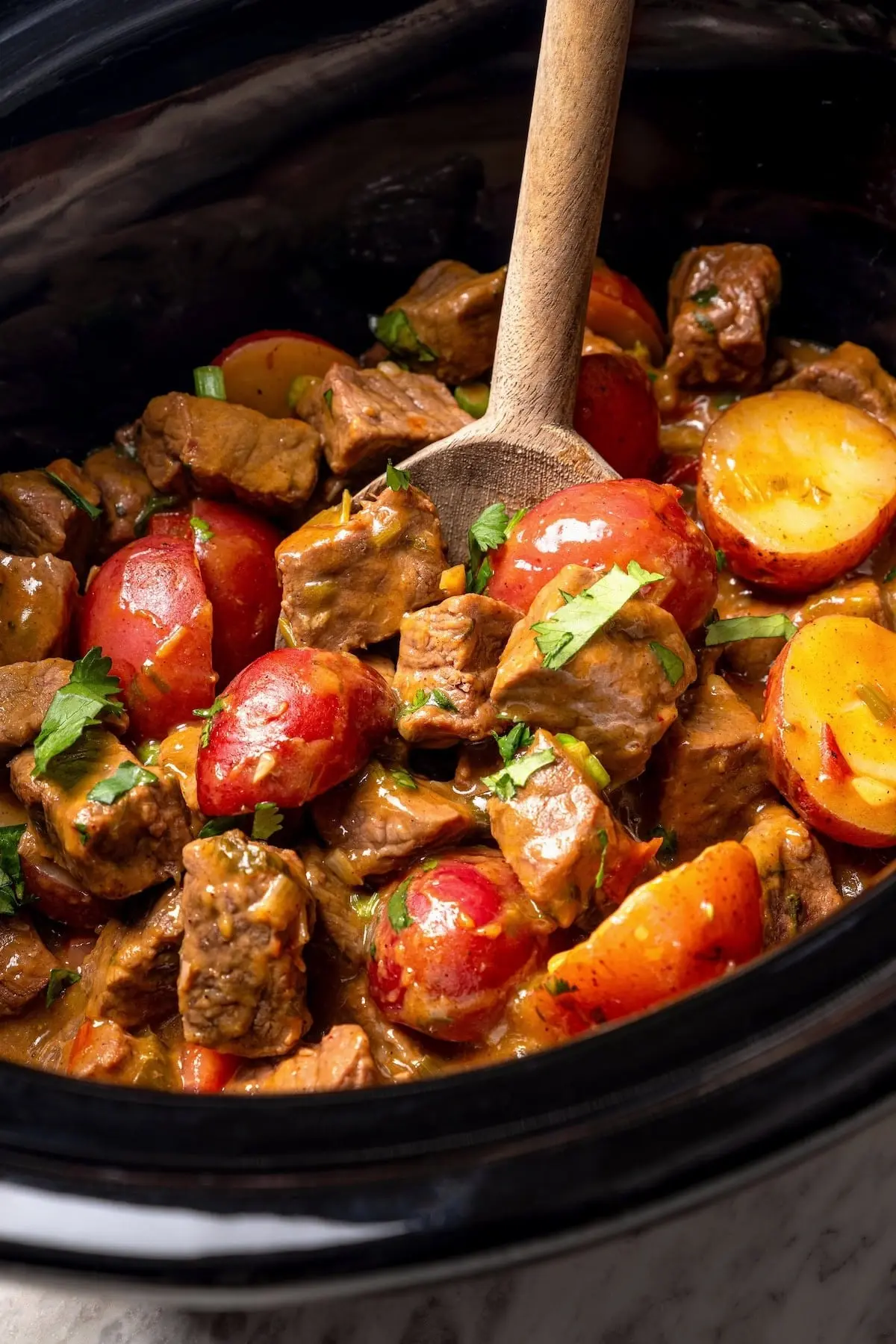
The adaptation of classic stovetop stews for countertop appliances like the slow cooker represents a growing trend in home cooking. By pairing traditional Latin flavor foundations with hands-off electrical braising, cooks are finding that heritage recipes can remain regular weeknight fixtures without compromising on depth, texture, or cultural authenticity.
The Beef Stew My Mom Always Made
For many home chefs, recipe creation begins not in a professional test kitchen, but in the domestic warmth of a family home. The inspiration behind modern slow-cooker carne guisada stems directly from generational cooking practices—specifically, the classic Colombian beef stews traditionally prepared by mothers and grandmothers on the stovetop.

In traditional South American households, carne guisada is an intimate staple. Standard stovetop preparation requires careful monitoring: tenderizing meat over a low flame, regularly checking liquid levels, and allowing aromatics to reduce slowly in an open pot. While this classic method yields exceptional flavor, it requires a continuous presence in the kitchen that is not always feasible for contemporary households.
Driven by popular demand from home cooks seeking streamlined dinner options, culinary developers set out to adapt the beloved family recipe for the slow cooker. Modifying a heritage stovetop dish for a crock pot, however, is not simply a matter of dumping ingredients into an appliance and setting a timer. Stovetop simmering allows steam to escape, naturally thickening sauces through evaporation, whereas slow cookers trap moisture inside an enclosed environment.
To achieve the identical melt-in-your-mouth beef texture and rich gravy associated with traditional stovetop cooking, key adjustments had to be made to liquid ratios, cooking times, and initial preparation steps. The result is a faithful reimagining of a maternal classic that honors traditional Colombian flavors while offering complete countertop convenience.
Ingredients You’ll Need
The strength of carne guisada lies in its straightforward, unpretentious ingredients. Rather than relying on complicated marinades or heavy cream bases, the stew builds its signature profile using a harmonious blend of lean proteins, fresh produce, and robust spices.
At the core of the dish is stewing beef, a cut known for containing connective tissues that break down gradually over long cooking periods. As the beef simmers, these tissues melt, rendering the meat incredibly tender while naturally enriching the surrounding broth.
Accompanying the beef are baby potatoes, which are deliberately chosen for their ability to maintain structural integrity during extended braising. Unlike large starchy potatoes that can turn mealy or disintegrate into the broth over several hours of heat, small baby potatoes absorb the savory flavors of the liquid while remaining firm and tender.

The stew’s vibrant base is built upon tomatoes and bold seasonings. Tomatoes provide essential natural acidity, which serves a dual purpose: it cuts through the richness of the beef and acts as a natural tenderizing agent during the cooking process. When combined with traditional Latin seasonings—such as garlic, onions, cumin, and warm spices—the base transforms into a thick, aromatic sauce that characterizes classic South American comfort food.
How to Make Crock Pot Carne Guisada
Executing an exceptional slow-cooker carne guisada relies on a dual-stage cooking technique that balances active stovetop searing with passive slow cooking. While the slow cooker handles the bulk of the process, achieving maximum depth of flavor requires a brief, strategic start on the stove.
The preparation begins with a quick 10-minute active phase on the stovetop. Searing the beef over medium-high heat before it enters the slow cooker triggers the Maillard reaction—a chemical process between amino acids and reducing sugars that creates complex savory flavors and browns the exterior of the meat. This initial step also allows aromatic vegetables to release their essential oils, constructing a robust flavor base that raw slow-cooking alone cannot replicate.

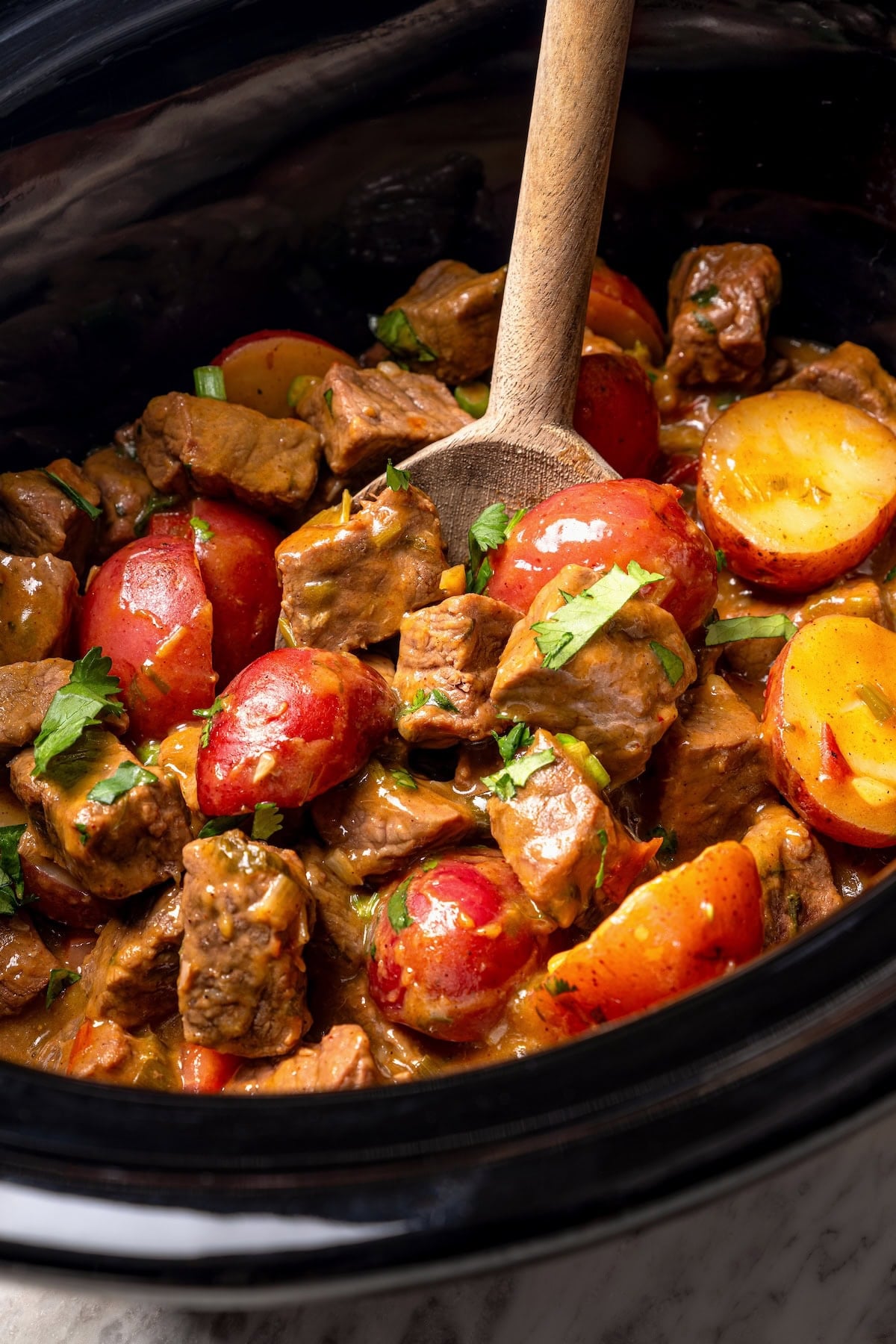
Once the initial stovetop foundation is laid, the ingredients are transferred into the crock pot. The appliance is set to cook low and slow for 6 hours and 20 minutes. Throughout this extended period, the gentle, uniform heat breaks down tough muscle fibers in the beef, allowing the meat to absorb the seasonings while infusing the tomato base with rich juices.
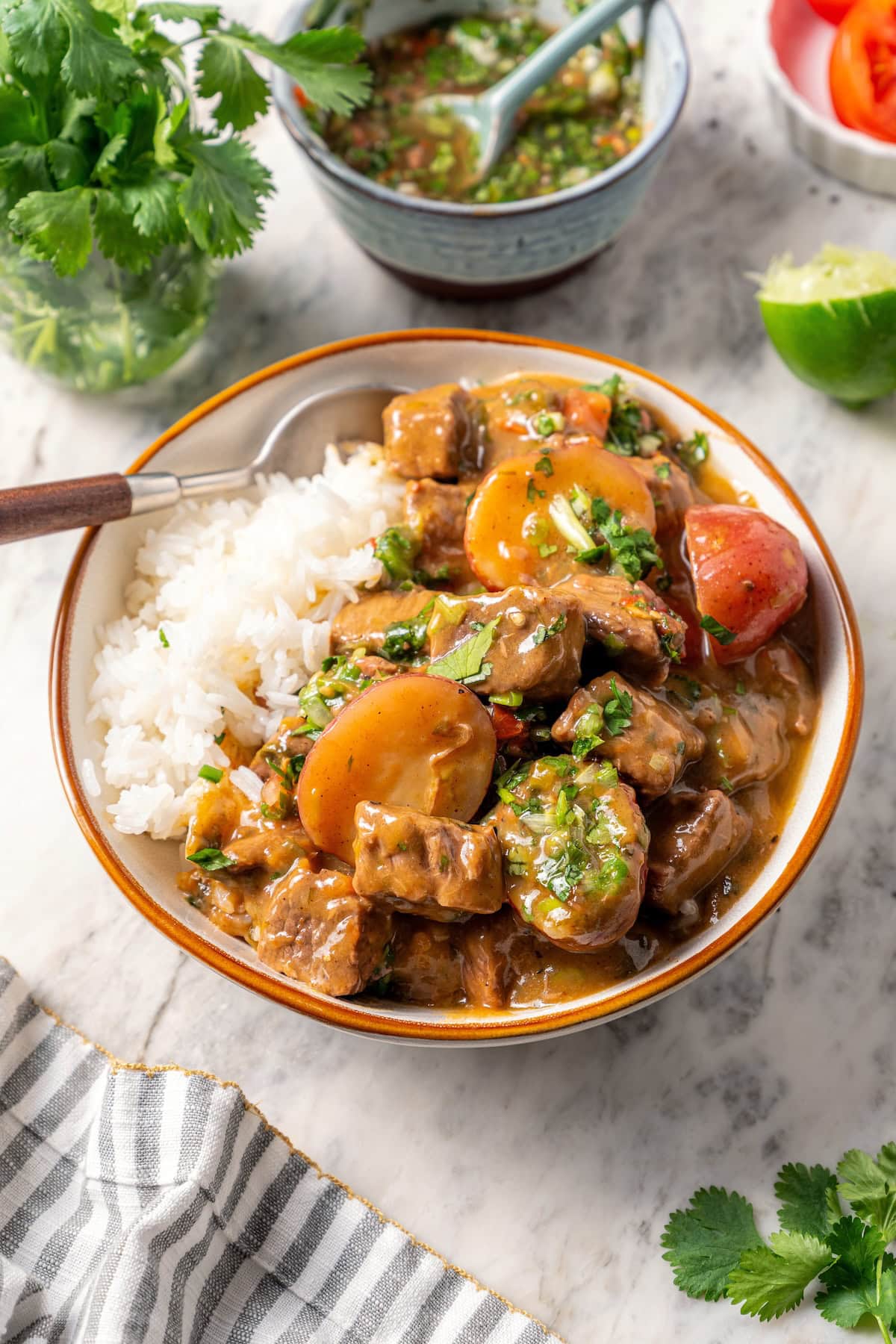
In total, the process requires 6 hours and 30 minutes from prep to table, producing four generous servings. Each serving yields approximately one generous cup of stew, rich with tender beef chunks and perfectly cooked baby potatoes suspended in a savory red sauce. Traditionally, the completed carne guisada is served hot in deep bowls alongside fluffy white rice, which absorbs the extra gravy and completes the balanced, traditional meal.
Tips from Gina’s Test Kitchen
Refining recipes for home cooks requires rigorous testing to ensure consistent results across different kitchen setups. Insights from test kitchen trials highlight several nuanced techniques for perfecting crock pot carne guisada:
- Managing Moisture Ratios: Because slow cookers do not allow for rapid evaporation, liquid amounts must be carefully controlled. Adding too much liquid at the start can result in a thin, watery broth rather than a velvety stew sauce.
- Selecting and Trimming the Cut: Utilizing well-marbled stewing beef yields the best texture. Trimming excessive exterior fat prevents the stew sauce from becoming overly greasy while retaining enough internal marbling to keep the meat succulent.
- Timing the Root Vegetables: Placing baby potatoes toward the lower section of the slow cooker pot ensures they receive direct, consistent heat and cook through evenly alongside the meat.
- Flavor Layering: Building the spice base during the initial stovetop sear ensures that seasonings penetrate deep into the meat fibers throughout the subsequent six hours of slow cooking.
Nutritionally, the recipe offers a substantial, high-protein meal profile suitable for health-conscious diners. A single generous cup serving delivers 38 grams of protein and contains 346 calories, with 12.5 grams of total fat (5 grams of saturated fat), 19.5 grams of carbohydrates, 4 grams of dietary fiber, 3 grams of natural sugar, 117 milligrams of cholesterol, and 340 milligrams of sodium. This lean, protein-dense profile demonstrates how classic Latin comfort food can easily align with balanced modern nutrition.
Storage and Reheating
Like many slow-simmered dishes, carne guisada often experiences an enhancement in flavor after sitting overnight. As the stew cools, the spices continue to meld, and the beef further absorbs the subtle acidity of the tomato base.
For optimal food safety and quality retention, leftovers should be cooled to room temperature before being transferred into airtight glass or food-safe plastic containers. Stored properly in the refrigerator, the stew maintains its peak quality and fresh texture for several days.

When reheating carne guisada, gentle heating methods are recommended to preserve the integrity of the beef and potatoes:
- Stovetop Reheating: Place the desired portion into a small saucepan over medium-low heat, stirring occasionally. If the gravy has thickened significantly in the refrigerator, adding a small splash of water or broth will restore its original silky consistency without diluting the seasonings.
- Microwave Reheating: Heat individual portions in a microwave-safe bowl covered with a paper towel on medium power, stopping to stir at regular intervals to ensure even heat distribution without overcooking the potatoes.
Whether enjoyed immediately after a six-hour slow cook or saved for effortless meal-prep lunches throughout the week, crock pot carne guisada highlights how traditional cultural recipes can adapt to modern kitchen appliances—delivering nostalgic comfort, high nutritional value, and effortless convenience in every bowl.