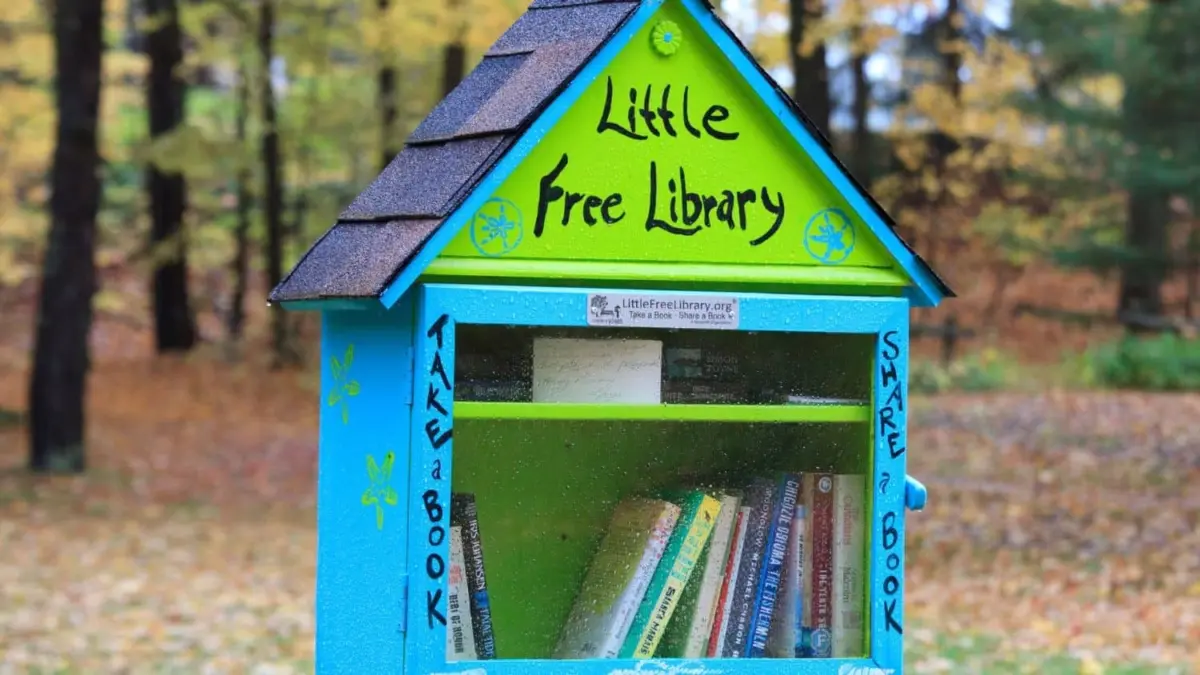
The phenomenon first catches the eye with its charming architecture—a small glass door revealing neatly stacked rows of paperbacks and hardcovers. A modest plaque identifies the structure as an official Little Free Library, welcoming passersby to pause, open the tiny door, and explore a rotating collection of literature waiting for a second life. There are no membership fees, library cards, restrictive checkout processes, or impending return dates involved. The premise is disarmingly simple: take a book, share a book, or leave a book for someone else to enjoy.

What Is a Little Free Library and How Do You Find Them?
At its core, a Little Free Library functions as a grassroots, neighborhood-based book sharing network. These small structures appear in diverse settings, ranging from quiet suburban lawns and urban sidewalks to community gardens and bustling recreation areas. While some boxes are constructed from simple, untreated wood, others reflect the immense creativity of their builders, featuring designs that mimic local historic landmarks, miniature storefronts, or vibrant local art installations. Each box carries a distinct character shaped by the community and individuals who construct and maintain them.
The official Little Free Library non-profit organization describes the overarching mission of the movement as a dedicated effort to build community, inspire a lifelong love of reading, and expand daily access to books for people of all ages and backgrounds. Participants do not need to contribute a book in order to take one home, and borrowed items are never required to be returned to the same spot—or returned at all.

Modern technology has also made locating these neighborhood repositories easier than ever. Through dedicated digital tools like the official Little Free Library application, enthusiasts can map out local routes, discover hidden literary gems across unfamiliar cities, and explore how different neighborhoods curate their shared collections. Even without digital assistance, travelers quickly learn to spot those tiny roofs and glass doors during their daily routines, turning a routine walk or drive into an impromptu treasure hunt.
The Pleasure of Unexpected Discovery
Part of the enduring appeal of these neighborhood exchanges lies in the thrill of the unexpected. Opening the door of a Little Free Library offers a tactile, old-fashioned browsing experience reminiscent of stepping into a cherished independent used bookstore. Shelves frequently hold a diverse mix of contemporary bestselling novels, timeless literary classics, non-fiction biographies, memoirs, and specialty titles such as local cookbooks.

Because the inventory relies entirely on spontaneous community donations and visitor contributions, the selection changes constantly. A reader might uncover a rare out-of-print local history text, a contemporary thriller, a children’s picture book, or an entirely unfamiliar author whose work sparks a new reading obsession. Occasionally, visitors find thoughtful personal touches left behind by previous readers, such as handwritten bookmarks, notes of encouragement, or unexpected items like CDs, stickers, and puzzles.
For avid readers, these repositories provide a sustainable and cost-effective way to sample unfamiliar authors and genres without expanding the permanent clutter on a bedside table. If a chosen novel fails to resonate, the unread book can simply be passed along to another neighborhood box, ensuring zero waste and keeping the literary cycle in motion.

Fostering Community Connections and Sustainable Sharing
Beyond individual reading habits, Little Free Libraries serve as organic neighborhood gathering spaces. It is common for visitors to strike up casual conversations with nearby homeowners or fellow book lovers while browsing a collection, leading to local reading recommendations and tips about other nearby library boxes. Some homeowners even enhance the experience by placing water bowls and dog treats at the base of the post for neighborhood pets.
The movement also plays a vital role in keeping books in active circulation and out of overcrowded landfills. Furthermore, community advocates note that these independent sharing portals frequently become havens for challenged or banned literature that may no longer be readily accessible through standard institutional channels, ensuring that titles such as Harper Lee’s To Kill a Mockingbird, Margaret Atwood’s The Handmaid’s Tale, and Toni Morrison’s The Bluest Eye remain freely available to the public.

While these informal exchanges do not replace traditional public libraries—which provide essential services such as comprehensive digital databases, professional research assistance, literacy programs, and large-scale community events—they offer an accessible, spontaneous complement to municipal resources.
Travelers and avid readers often incorporate these stops into their daily routines and vacations alike, carrying extra books in their vehicles to replenish depleted shelves or share regional authors with new communities. Whether dropping off duplicate copies during routine home decluttering or hunting down localized travel guides while exploring a new city, participants find that these miniature wooden boxes offer a meaningful way to share stories, bridge cultural gaps, and foster a deeper sense of connection within neighborhoods near and far.