
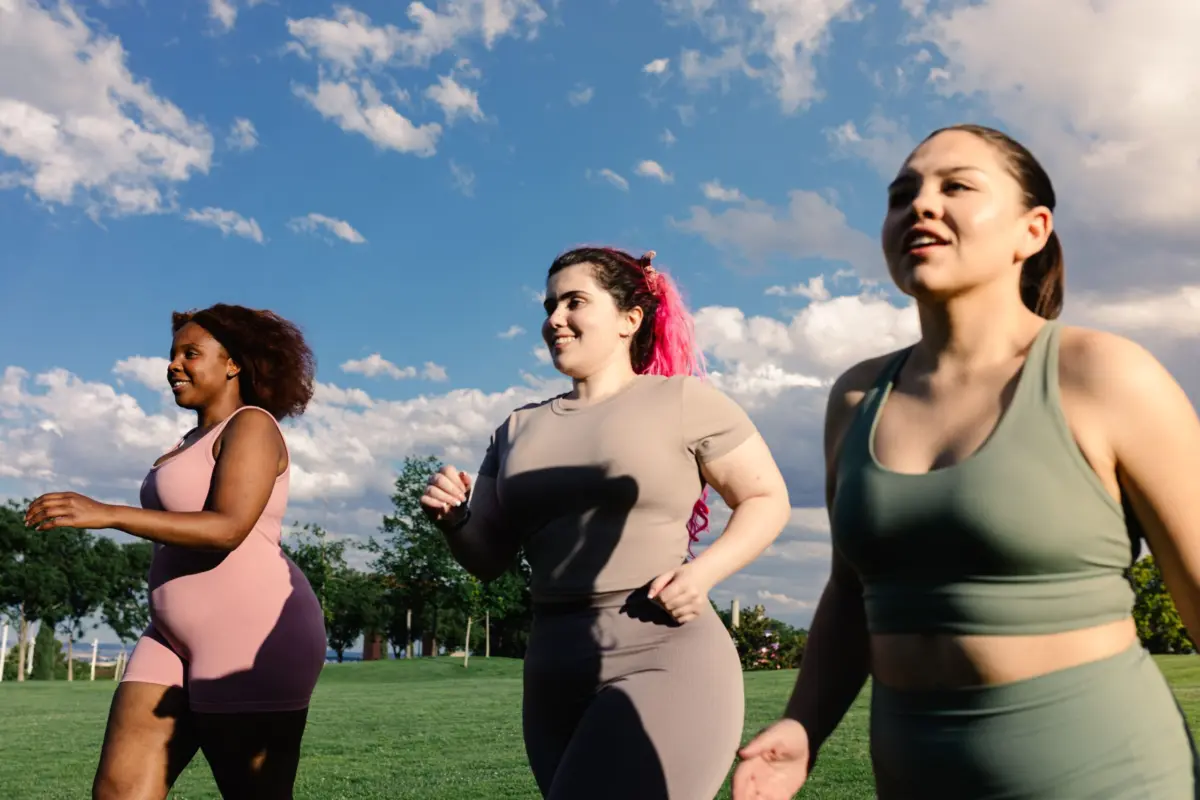
Patients utilize these medications for a variety of critical health reasons, including managing type 2 diabetes, losing weight, and addressing other long-term chronic health conditions. While medical professionals widely recognize these therapies as remarkably effective for shedding excess weight and controlling chronic diseases, healthcare experts emphasize that they are far from a cure-all solution.
Dr. Yuval Pinto, an obesity medicine specialist with the Johns Hopkins Healthful Eating, Activity, and Weight Program, describes the medications simply as a tool. Approximately 98% of Dr. Pinto’s clinical patients are currently prescribed GLP-1 receptor agonists, and he consistently stresses to every individual that the medication must be paired with specific lifestyle habits to maximize overall health benefits. At the core of those essential habits is regular physical movement.
Why Regular Movement is Key for Anyone on GLP-1s
First and foremost, exercise and general daily movement are fundamental to human existence and long-term longevity, Dr. Pinto notes. This principle remains true regardless of whether an individual is taking a pharmaceutical intervention. Regular physical activity is broadly associated with a host of health-promoting benefits, including enhanced cardiovascular function, better sleep quality, improved digestion, and stabilized mood regulation.
However, the primary reason structured exercise and movement are uniquely vital for individuals on GLP-1 medications relates to rapid weight loss. Weight reduction is a frequent and expected side effect of these therapies. When a person loses weight through any mechanism—whether via medication, bariatric surgery, or a traditional diet and exercise regimen—the body sheds mass from multiple sources. A portion of the lost weight comes from fat mass, but a significant portion can also come from vital muscle and bone tissue.
If an individual loses an excessive amount of muscle and bone mass, they face a heightened risk of developing serious clinical conditions later in life. These include sarcopenia, characterized by low muscle mass and physical frailty; osteopenia, representing low bone density; and full-scale osteoporosis, which causes weak, brittle bones. This potential loss of lean tissue is a particular concern for women, who already face an increased baseline risk of declining muscle and bone mass during middle age and later life due to the hormonal shifts associated with perimenopause and menopause.
Fortunately, structured physical activity provides a powerful countermeasure. Strength training, when properly supported by adequate nutrition and restorative sleep, can help preserve and in some instances even increase bone and muscle mass. Kelyssa Hall, an exercise physiologist and certified strength and conditioning specialist at the Hospital for Special Surgery, explains the dynamic clearly: taking a GLP-1 medication facilitates the weight loss process, but pairing the pharmacological treatment with targeted exercise essentially instructs the body on where that weight loss should originate.
Specifically, strength training signals the body to retain its muscle tissue. Furthermore, building and maintaining muscle helps preserve the resting metabolic rate, which dictates how many calories the body burns at rest. It also promotes joint stability and helps lower the risk of injury during routine, day-to-day activities, making regular strength work a staple recommendation for patients navigating GLP-1 treatments.
To complement strength training, fitness professionals also strongly advocate for flexibility and mobility work. Rapid weight loss can alter an individual’s biomechanics and movement patterns, increasing vulnerability to strains or injuries. Flexibility training ensures that joints and muscles maintain their full range of motion, allowing individuals to lift weights with safe and effective form. Moreover, when engaging in strength training while maintaining a natural caloric deficit, muscles can easily become tight or overworked, leading other parts of the body to compensate. Targeted mobility exercises help lengthen tight tissues and prevent these detrimental compensations before they cause discomfort or injury.
Beyond targeted workouts, experts emphasize the necessity of cardiovascular exercise and daily ambient movement. Cardio supports overall metabolic health, improves insulin sensitivity, and facilitates sustainable fat loss. Meanwhile, incorporating consistent movement throughout the day—known scientifically as Non-Exercise Activity Thermogenesis, or NEAT—plays a massive role in daily energy expenditure. According to Dr. Pinto, NEAT actually accounts for a higher percentage of total daily energy burned than structured exercise programs. Comprising low-intensity tasks like walking a dog, cleaning living spaces, and taking the stairs, NEAT helps reinforce healthy habits and counteracts the excessive fatigue that frequently accompanies GLP-1 use.
Structuring Physical Activity Around GLP-1 Therapy
Determining the ideal physical activity routine requires personalization based on individual health profiles, age, medical history, and daily schedules. Specialists look to established benchmarks, such as the guidelines set by the American College of Sports Medicine, while tailoring recommendations to the unique needs of patients taking GLP-1 medications.
For strength training, specialists generally suggest engaging in two to four sessions per week that target the entire body through a variety of compound and isolation movements. Using moderate resistance that challenges the muscles without compromising form allows individuals to build and retain essential lean tissue. Flexibility and mobility work should ideally be integrated at least three times a week through stretching, yoga, foam rolling, or targeted myofascial release tools to keep joints supple and movement patterns fluid.
Cardiovascular goals typically involve accumulating at least 150 minutes of moderate-intensity activity per week, or a smaller window of vigorous-intensity exercise for those who prefer higher-intensity intervals. Sustained elevated heart rates can be achieved through brisk walking, jogging, cycling, swimming, dancing, or hiking. Alongside these structured workouts, maintaining high daily NEAT levels by striving for consistent step counts ensures that metabolism remains elevated and daily energy remains steady.
Strategies for Long-Term Success
To ensure sustainable results, healthcare providers emphasize several practical strategies for patients incorporating exercise alongside GLP-1 therapies. First and foremost, experts advocate for selecting physical activities that individuals genuinely enjoy. When a workout program aligns with personal preferences, adherence increases dramatically, ensuring long-term health benefits. Whether someone dislikes traditional gym environments and prefers resistance bands at home, or opts for cycling instead of running, finding a sustainable path is paramount.
Additionally, patients must remain flexible and modify their physical activity in response to common medication side effects. Symptoms such as nausea, transient appetite suppression, mild dehydration, and fatigue can temporarily impact physical performance. Recognizing that longer or harder workouts are not always superior, specialists recommend scaling back intensity when necessary. Timing workouts after consuming a small meal rather than exercising in a fasted state can also significantly boost performance and energy levels, while diligent hydration supports recovery and wards off muscle cramping.
Ultimately, medical professionals remind patients that physical movement represents only one component of a much broader health picture. Achieving optimal outcomes while taking GLP-1 medications requires treating exercise as part of a comprehensive framework that includes balanced nutrition with adequate protein intake, restorative sleep, stress management, and emotional well-being. By integrating these foundational pillars of health, patients can maximize the long-term benefits of their medical treatments and safeguard their physical vitality.