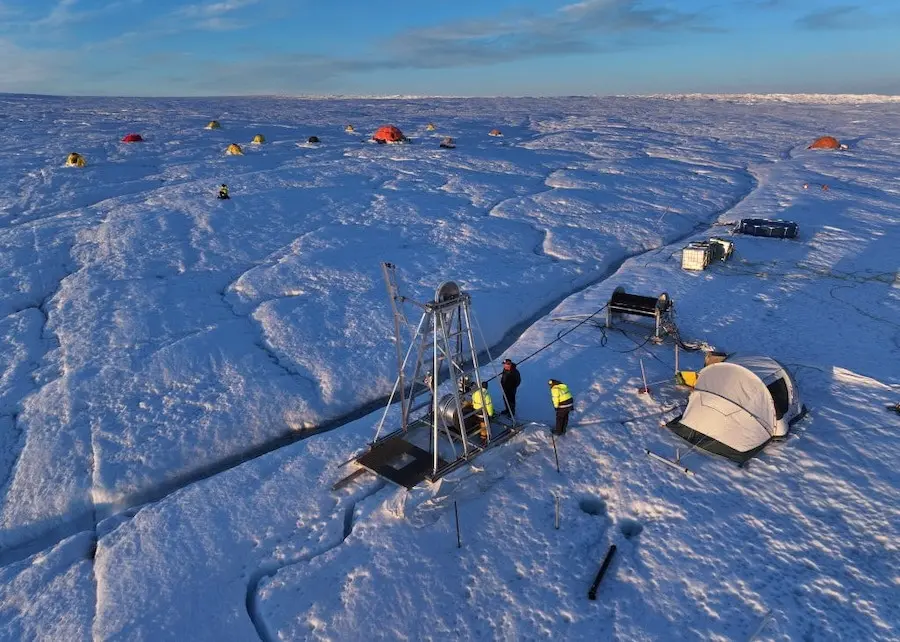
Methane, a powerful and invisible greenhouse gas, is increasingly taking center stage in discussions surrounding global climate policy. Found everywhere from natural wetlands and the digestive tracts of livestock to residential basement furnaces, methane is the second most significant contributor to the global climate crisis, trailing only carbon dioxide. As the primary component of natural gas—a fossil fuel currently responsible for roughly a quarter of the world’s electricity generation—methane’s presence in the modern energy landscape is both pervasive and deeply problematic.
Chemically, methane is a hydrocarbon composed of four hydrogen atoms bonded to a single carbon atom. It is abundant in nature and forms through a combination of geological and biological processes. Geologically, methane is created over millions of years as heat and pressure act upon decomposing organic matter deep within the Earth, forming the foundations of natural gas reservoirs. It can also form deep underground without organic material through alternative geological mechanisms. Biologically, the gas is generated via a process known as methanogenesis, in which ancient underwater microorganisms called archaea produce methane during oxygen-free respiration. This biological pathway accounts for methane production in above-ground environments such as wetlands, as well as inside the digestive tracts of animals like termites and cattle.

Measuring Methane Emissions
Accurately tracking methane emissions has long posed a significant challenge for scientists and environmental regulators, but methodologies have advanced significantly. Researchers generally rely on two primary approaches: bottom-up and top-down measurements. Bottom-up assessments begin on the ground with localized sources and expand outward. These estimates are typically calculated either through direct measurements at specific facilities or by multiplying standard emission rates by the total number of emitting units. For instance, calculating the methane footprint of a nation’s livestock sector might involve multiplying the average emissions per cow by the total head of cattle. Similarly, regional fossil fuel estimates are often derived from equipment counts and standard leakage rates.
Conversely, top-down approaches start in the atmosphere, utilizing aircraft, high-altitude platforms, and an increasing fleet of sophisticated satellites to measure concentrations from above. When combined with atmospheric modeling and inventories of known sources and sinks, this aerial data provides a comprehensive regional or global picture.
As satellite technology improves, it has revealed critical blind spots in bottom-up accounting. Most notably, satellites are now able to detect extraordinary "super-emitting" incidents that routine bottom-up inventories routinely miss. Scientific studies indicate that the largest five percent of equipment leaks typically account for more than half of all total leakage volume in the gas industry. Overall, direct measurements consistently demonstrate that official estimates underestimate actual output. One prominent study revealed that direct measurements of U.S. oil and gas methane emissions were 60 percent higher than official U.S. Environmental Protection Agency inventory estimates, underscoring the urgent need for enhanced measurement techniques to effectively manage and control the gas.

The Climate Impact of Methane
Once released into the atmosphere, methane acts as a potent greenhouse gas, absorbing heat energy radiated from the Earth’s surface and redirecting it back downward. While natural sinks, such as soils and the troposphere, naturally break down methane into carbon dioxide and water vapor, human activities since the industrial revolution have accelerated emissions far beyond the capacity of these natural systems.
Data from the World Meteorological Organization indicates that atmospheric methane concentrations have surged by 265 percent compared to pre-industrial levels, reaching 1,934 parts per billion. Human activities account for roughly 60 percent of these current emissions, driving approximately one-third of contemporary global heating. If current trajectories hold without substantial intervention, emissions are projected to rise another 13 percent between 2020 and 2030.
Despite its shorter atmospheric lifespan of roughly 12 years compared to centuries for carbon dioxide, methane packs a devastating climatic punch. Over a 20-year timescale, methane traps 86 times more heat per unit of mass than carbon dioxide, a figure that drops to 28 times over a 100-year span. Because of this high potency combined with its relatively brief persistence in the atmosphere, rapid reductions in methane offer the single greatest immediate opportunity to slow near-term global heating. The Intergovernmental Panel on Climate Change has calculated that global methane emissions must be slashed by approximately 34 percent by 2030 compared to 2019 levels to keep the critical threshold of 1.5 degrees Celsius of warming within reach.

Primary Sources of Methane
Methane emissions stem from both natural and anthropogenic sources, with human activities responsible for the majority. More than 90 percent of current human-caused emissions originate from three primary sectors: agriculture, fossil fuels, and waste storage.
Agriculture accounts for roughly 40 percent of human-caused methane emissions, driven primarily by livestock. Ruminant animals such as cattle, sheep, and goats produce methane as a natural byproduct of enteric fermentation, a digestive process where microbes break down tough plant materials. Livestock raised for meat and dairy production alone generate about 32 percent of human-caused methane emissions. Manure storage systems, particularly from large-scale dairy and swine operations, represent another significant agricultural source. Rice cultivation contributes another eight percent, as flooded paddy fields create oxygen-depleted environments ideal for methanogenic microbes.
The extraction, transport, and combustion of fossil fuels account for roughly 35 percent of anthropogenic methane emissions. The oil and gas sector alone contributes 23 percent, releasing gas through intentional venting during extraction and accidental leaks across vast infrastructure networks. Coal mining operations and abandoned coal mines contribute another 12 percent, as methane trapped alongside coal seams escapes during excavation, ventilation, and processing. Underground mines are particularly heavy emitters, accounting for about 70 percent of coal-related methane releases.

Landfills and wastewater management systems constitute the third major category of human-caused emissions, representing about 20 percent of the total. Microbes inside wastewater treatment plants and decomposing municipal waste release substantial volumes of methane. Due to anticipated population growth and urbanization, waste-related emissions are projected to grow faster than any other human-caused category.
On the natural side, wetlands are the dominant source, accounting for approximately one-third of global methane emissions. The saturated, oxygen-poor soils of wetlands create optimal conditions for archaea. However, climate change is accelerating wetland emissions through temperature increases and altered rainfall patterns, a phenomenon known as the wetland methane feedback loop. Oceans, geological seeps, termites, wild animals, and thawing permafrost make up the remainder of natural sources, with permafrost and Arctic systems posing significant risks for future positive feedback loops as polar regions warm.
The ‘Bridge Fuel’ Fallacy
The continued expansion of fossil fuel infrastructure, particularly the global surge in liquefied natural gas production and exports, threatens to further complicate efforts to control the gas. The rapid development of hydraulic fracturing in countries like the United States, Canada, and Australia has driven a massive boom in natural gas availability and export terminal construction. Proponents have long championed natural gas as a necessary "bridge fuel" away from coal, pointing out that burning natural gas emits roughly half the carbon dioxide per kilowatt-hour compared to coal.

However, this argument frequently overlooks the substantial volume of methane that escapes unburned into the atmosphere throughout the extraction and supply chain. Scientific research demonstrates that if even a fraction of a percent of methane leaks during production and transport, the climate-warming potential of liquefied natural gas matches or exceeds that of coal over a multi-decade timeframe. Furthermore, analyses from energy regulators and climate economists suggest that exported gas is increasingly displacing renewable energy deployment rather than coal, undermining broader decarbonization goals while locking in decades of future emissions.
Public Health Impacts and Reduction Strategies
Beyond its role in driving the climate crisis, atmospheric methane contributes directly to the formation of ground-level ozone, a dangerous pollutant that damages human respiratory tissue and agricultural crops. Current methane-driven ozone levels are estimated to cause approximately half a million premature deaths annually, alongside significant agricultural losses for staples like wheat, maize, and rice. Aggressive mitigation efforts would yield immediate public health dividends by preventing thousands of premature deaths, asthma-related emergency visits, and crop failures every year.
Mitigating these emissions requires a combination of systemic transformations and targeted technical interventions across energy, agriculture, and waste management sectors. International frameworks like the Global Methane Pledge, launched at the COP26 summit and backed by nearly 160 nations, have established a collective target to slash global methane emissions by 30 percent below 2020 levels by 2030. While implementation gaps remain wide and total global emissions continue to hover near record highs, the technological solutions required to achieve substantial cuts already exist.

Within the energy sector, international energy analysts emphasize that deploying rigorous leak detection and repair programs, upgrading pneumatic equipment, and installing capture systems at oil and gas facilities could eliminate the vast majority of fossil fuel methane emissions with currently available technology. In agriculture, improvements in feed efficiency, the introduction of enteric methane inhibitors like specialized seaweed supplements, and better manure management can drastically lower livestock emissions. Simultaneously, transitioning toward more sustainable diets and curbing widespread food waste can alleviate pressure on the entire agricultural system.
Ultimately, addressing the methane challenge requires sustained pressure on political and corporate leaders to translate global climate pledges into binding operational realities, ensuring that the fastest greenhouse gas lever available is pulled before critical climate thresholds are crossed.