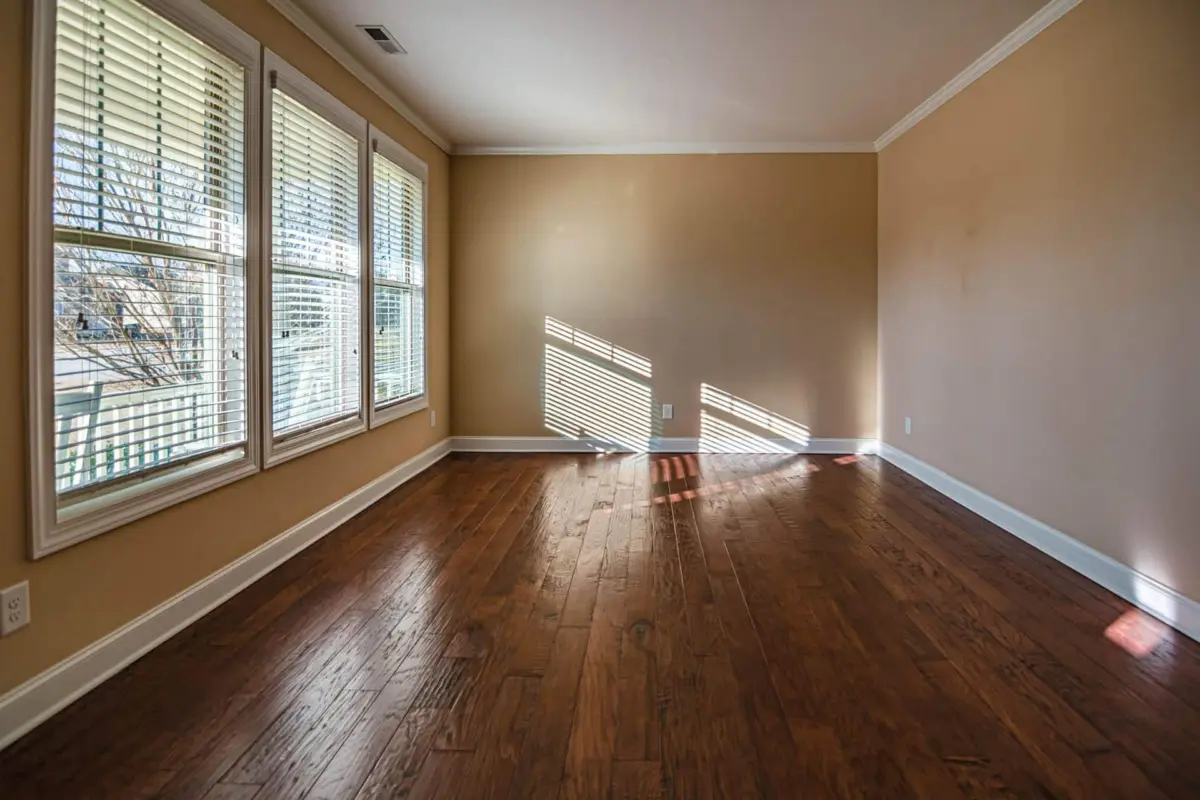
Following a grueling nineteen-hour drive across the country, she arrived at her temporary home for the next quarter of a year—a sparsely decorated, minimally furnished apartment chosen specifically to facilitate a frictionless transition. Upon arrival, she spent her first afternoon integrating her modest belongings, which occupied mere square feet of physical space, among the baseline stock furniture provided by the rental. This sudden plunge into ultra-minimalist living in an unfamiliar space offered immediate, unintended lessons in the psychology of clutter, space management, and personal well-being, shedding light on habits she had unknowingly carried for years.
1. The Psychology of Using It Up
Part of the standard furnished apartment experience involves inheriting trial-sized quantities of everyday consumables—tiny bottles of shampoo, travel soaps, and miniature cleaning supplies. Having packed her own toiletries and maintenance products, Mia initially viewed these hotel-sized remnants as redundant extras. In the past, she admits, her instinct would have been governed by a hoarding mentality: a compulsive urge to squirrel away every minor item under the dubious justification that a niche need might arise in the distant future.
This time, however, she approached the surplus with a radically different philosophy. Recognizing that these products were often the lowest tier of quality and wholly incapable of enriching her daily experience, she abandoned the impulse to save them for a rainy day. Instead, she consciously resolved to use them up first, discarding the empty containers as they ran dry and permanently liberating physical and mental real estate. The exercise cemented a profound shift in perspective regarding consumption and waste, turning what could have been minor clutter into a liberating exercise in intentional depletion.
2. The Power of Functional Decor
As a self-described homebody, enduring weeks away from her permanent residence, her cherished possessions, and the comforting architecture of her daily routine proved to be a psychological challenge. To bridge the gap between an alien temporary apartment and a comforting sanctuary, she adopted a strategy of elevation through everyday utility. Rather than folding her colorful throw blanket away out of sight or stacking her books neatly on a bedside table where they would remain hidden, she integrated them purposefully into the living environment.
By draping the blanket over the sofa and propping her books openly throughout the rooms, she transformed functional necessities into intentional decor. While a heavy-handed application of this strategy in a densely packed home can easily tilt into visual clutter, practicing it within the confines of a nearly empty space yielded a remarkably warming effect. The approach demonstrated that styling an environment with essential items allows them to serve a dual purpose, cultivating a sense of domestic comfort without introducing extraneous items or useless clutter into the living quarters.
3. Redefining Utility Through a Single Spoon
A unique milestone in the experiment arrived during a visit from a close friend who traveled to celebrate Mia’s birthday, bringing with her an unconventional yet deeply resonant gift: a small wooden spoon. Navigating daily life with specific sensory issues, Mia experiences a strong aversion to the sharp, clinking sound of traditional metal silverware, a physical reaction that frequently induces nausea. To bypass the metal utensils provided by the furnished apartment during her initial days, she had resorted to saving plastic cutlery from takeout orders.
The arrival of the wooden spoon provided an immediate, elegant solution. Perfectly sized and rich with sentimental value, the utensil transformed every meal into a comforting reminder of her friendship. Because she paired the spoon with a simple set of chopsticks, the remainder of the apartment’s official utensil drawer became entirely obsolete. The experience reinforced a core minimalist tenet: possessing a single item that serves its purpose flawlessly—particularly one that sparks genuine joy—far outweighs maintaining a drawer full of mediocre alternatives.
4. The Surprising Clarity of Solitude
One of the most drastic lifestyle shifts accompanying the relocation was a near-total contraction of her social calendar. While she maintained contact with a few acquaintances living in the surrounding region, her daily interactions bore little resemblance to the bustling social life she left behind at home. Initially, this stark isolation felt like a heavy drawback, given her deep affection for her friends. Yet, the quietude quickly revealed itself as a wellspring of profound energy.
Thriving on solitude while simultaneously grappling with the human desire for constant community, Mia found that her cleared schedule and frictionless living environment created a seamless daily rhythm. Morning routines transformed effortlessly, featuring regular walks to the gym for workouts, spotless living quarters, and dedicated time for preparing nutritious meals. Furthermore, the mental space afforded by the quiet surroundings allowed her to make significant headway on professional obligations, including a business acquisition she had completed months prior, ultimately providing the bandwidth necessary to document her journey and pen reflections for her blog. Although she intends to weave more socializing and recreational pursuits—such as game nights with old friends and a return to fight training—back into her routine now that the settling-in phase is complete, the unexpected abundance of uninterrupted alone time proved immensely productive.
5. The Relentless Momentum of Clutter
Even within a carefully curated, stripped-down environment, the underlying structural challenges of modern consumption quickly reasserted themselves. Within just three weeks of arrival, the subtle threat of accumulating possessions began to materialize. The celebration of her birthday brought thoughtful gifts into the space—including a portable trampoline that sat directly beside her as she typed—which, while bringing happiness, immediately began competing for physical square footage.
Similarly, despite driving cross-country with virtually empty luggage, she quickly accumulated a kitchen cabinet brimming with saved plastic food storage containers. This rapid accumulation highlighted a foundational economic reality, particularly within the United States: the natural velocity of consumer goods is heavily weighted toward entering the home. Without establishing an equally robust flow heading outward, clutter inevitably takes root and compounds over time. Recognizing this momentum, she quickly reinstituted familiar passive decluttering practices to intercept the accumulation before it could overwhelm her temporary living quarters.
Evaluating the Experiment
When examining the overarching purpose of the relocation experiment, the results have delivered a rare and encouraging breakthrough. For the first time in years, Mia has observed tangible, measurable improvements in her chronic health concerns—a welcome validation of her long-held suspicions regarding her former home environment.
At the same time, the realization brings a complex set of logistical realities, as resolving a health mystery tied to one’s physical dwelling requires navigating major life decisions across a significant geographic divide. Armed with newfound mental clarity, energy, and a refined appreciation for intentional living, she continues to process the results of her experiment while preparing for upcoming community initiatives, including a planned holiday decluttering challenge for her readers.